
 English
 Polski
 Deutsch
 Français
 ελληνικά
 Español
 Italiano
Restore healthy stem cell function
 The tissues of your body come with a built-in “backup” system known as tissue-specific stem cells.
As functional cells in our tissues grow old, embedded stem cells can replace them by producing new healthy cells.
These fresh functional cells rejuvenate aging tissues.
What few people know is that stem cells have the power to reproduce themselves (self-renew) so they can continue to replace aging functional cells.
So why do our tissues still grow old and lose function as we age?
The problem is that stem cells are also adversely impacted by aging.
Over time, our stem cells accumulate damage just like other cells do. This compromises their ability to keep tissues healthy and fully functional.1
Scientists at Life Extension® partnered with a deep-learning AI biotech group called InSilico Medicine. The mission was to discover ways to keep stem cells young and refreshed.
Three plant-based nutrients (garcinol, piceatannol and resveratrol) have been found to promote stem cell health.
Researchers showed that these compounds can help protect and revitalize stem cells.2-10
What Are Stem Cells?
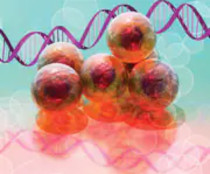 Most cells in our tissues are specialized for specific functions.
A neuron, for example, is a cell in the nervous system which has been specifically designed to respond to stimuli and conduct electrical impulses. A muscle cell has developed a distinct machinery to enable it to contract—to shorten forcefully to create movement.
These cells, and others throughout the tissues of the body, cannot change types once they mature. A neuron is always a neuron. A muscle cell is always a muscle cell.
In addition, many of these kinds of cells cannot divide to produce more cells. They die off and must be replaced by new cells.
But most tissues also have a small population of stem cells (also referred to as tissue-specific progenitor cells). They are critically important for the maintenance and health of every tissue.
How Do Stem Cells Regenerate?
 Stem cells act as a reservoir to replace old, damaged, or dying cells.
When specialized (functional) cells in tissues stop working or are impaired by injury or disease, stem cells have the ability to develop into the needed cell type to replace them.
This helps rejuvenate and repair the tissues themselves.
To work properly, stem cells must perform two basic functions:
-
Self-renewal. Stem cells continue to divide, forming new stem cells. This maintains the available pool of stem cells and ensures there are enough cells to allow some to develop into specialized cells.
-
Differentiation. When needed, stem cells transform into specialized functional cell types which replace ones that have been lost or damaged.
When stem cells are working properly, they help maintain tissue and organ function and repair/defend tissues against disease, injury, and aging.
-
 Stem cells are found in many organs and tissues in the body. They have the ability to self-reproduce and to develop into specialized tissue cells, replacing dead and damaged cells and keeping tissues youthful.
 -
Stem cells also lose function over time, causing tissues to age and deteriorate.
-
Scientists have discovered three plant-derived nutrients, garcinol, piceatannol, and resveratrol, that can reverse or repair age-related changes in stem cells.
-
By keeping stem cells healthy, these nutrients may allow them to rejuvenate their tissues so they can continue functioning optimally.
Stem Cells and Aging
 It’s a nearly perfect system—with one huge flaw.
While stem cells are meant to keep tissues young and healthy, advancing age takes its toll on them as well.1
As this damage accumulates over time, stem cells stop dividing as effectively, lose the ability to replace old and damaged tissue cells, and begin to die.
This causes the entire tissue to age more rapidly and lose its function. Physical frailty advances, cognitive abilities decline, metabolism slows, and the body becomes more susceptible to age-related disease and dysfunction.
Revitalizing Stem Cells
The deterioration of stem cells may seem inevitable. But it’s not.
Scientists have found that there are ways to protect these cells and restore their youthful function:
-
Activating the enzyme AMPK—considered the “master regulator” of metabolism in the body. This improves energy balance in stem cells and leads to replacement of old, damaged proteins.11,12
-
Inhibiting mTOR (an enzyme that regulates protein synthesis and cell growth) and activating FoxO (a protein that regulates the expression of genes). This limits the buildup of toxins and enhances autophagy, cellular “housekeeping” that keeps stem cells running smoothly.13-15
-
Activating sirtuins, proteins that regulate cellular health, and protect and repair DNA.16,17
-
Blocking the action of enzymes (called histone acetyltransferases) to reduce changes to genetic material that lead to cellular dysfunction.18
Nutrients That Improve Stem Cell Health
Three nutrients found in plants, garcinol, piceatannol, and resveratrol, have been shown to perform all these stem-cell-protecting actions.
Garcinol
 As stem cells age, their expression of genetic material can be changed by a process known as histone acetylation.
In some cases, histone acetylation can drive up expression of damaging factors which can be very detrimental to the cell. This is one of the main causes of stem cell aging and loss of function and can lead to cellular dysfunction and risk for age-related disease.
An enzyme called histone acetyltransferase (HAT) is required for histone acetylation to occur. If we can block the enzyme, we can stop certain harmful processes and restore youthful stem cell function.
Scientists are looking for synthetic drugs that can inhibit HAT, but there’s already a nutrient that can do it.
Garcinol is a compound extracted from the fruit of the mangosteen tree.19 Preclinical studies have shown garcinol to be a potent HAT inhibitor. By inhibiting HAT (histone acetyltransferase), it reduces harmful chemical changes that affect gene expression.7,20
This directly benefits stem cells, promoting the expression of genes involved in self-renewal and suppressing others that restrict it. In an ex vivo study of human blood stem cells, garcinol caused their numbers to increase more than 4.5-fold.7
Garcinol may also promote the development of stem cells into specialized tissue cells. For example, garcinol treatment promotes differentiation of rat neural stem cells into neurons.9
 Garcinol can stimulate the self-renewal and growth of healthy stem cells.
The activity of cancer stem cells has been linked to drug resistance and tumor relapse.
In one study garcinol treatment inhibited both lung tumor growth and viability of lung cancer stem cells.26
Several preclinical studies have shown that it may suppress the growth of various types of cancers, including cervical, breast, oral, and prostate cancers.27-30
Piceatannol
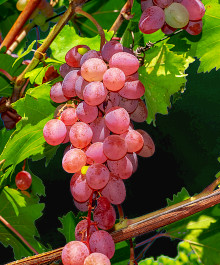
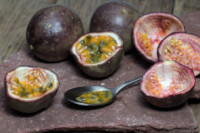 Piceatannol is found in fruits including red and white grapes, passion fruit, and blueberries.21
Preclinical studies indicate that it has the ability to stimulate cellular housekeeping and sirtuin function, which has a beneficial impact on stem cells.22
In a preclinical study, human stem cells isolated from fat tissues were differentiated into mature fat cells in the presence or absence of piceatannol. The cells grown with piceatannol displayed improved fat metabolism and healthier function, as well as reduced uptake of sugar which normally would be converted into fat.3
And in cell culture and adult mice, piceatannol helped neural stem cells differentiate to produce new, specialized brain cells called astrocytes.2
Resveratrol
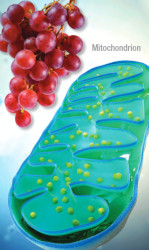 Resveratrol, a nutrient found in the skin of red grapes, has long been known to have a wide range of health benefits.
Several recent studies have shown that it may specifically help restore healthy stem cell function by:
-
Activating SIRT1. In a study of human stem cells, resveratrol increased activity of SIRT1, a sirtuin protein linked to longevity and anti-aging. This resulted in improved self-renewal of the stem cells as well as differentiation into specialized cells.8
-
Activating AMPK. One recent study showed that resveratrol helps osteogenic stem cell differentiation via AMPK activation.23
-
Enhancing mitochondrial function. In aging mice and in cell culture, resveratrol restored healthier cellular metabolism by improving the function of mitochondria.6
-
Inhibiting mTOR. Too much activity of the enzyme mTOR can lead to premature cellular aging.24 Mouse embryonic stem cells treated with resveratrol had decreased mTOR activity, making them more youthful and enhancing their self-renewal ability.5
In one recent study, researchers subjected mice to chemotherapy, a harsh treatment that accelerates the aging of ovarian stem cells. But when the animals were treated with resveratrol, the loss of ovarian stem cells was alleviated.10
Protecting stem cells translates into clear improvements in tissue function. In a rat animal model, scientists created an injury to the aorta, the artery that carries blood from the heart to the rest of the body. In the rats treated with resveratrol, their stem cells were better able to replace the damaged endothelial cells, leading to accelerated healing/repair of the injured artery.4
 In humans, resveratrol treatment reduced mean fat cells’ size and improved adipogenesis (differentiation of pre-adipocytes into fat cells) related to improved sensitivity of tissues to insulin.25
Resveratrol and piceatannol are both stilbenes, close relatives. In one cell study, resveratrol and piceatannol worked synergistically to enhance each other’s ability to stimulate cellular housekeeping and sirtuin function.22
Taken together with garcinol, they may provide thorough benefits to stem cells.
Summary
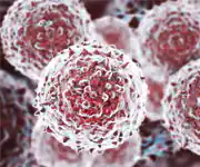 Stem cells are present in many tissues, providing a built-in means to replace dead, dying, and damaged cells, rejuvenating the tissue.
But stem cells are also damaged over time, reducing their ability to function properly.
Scientists have identified three nutrients found in plants that have a powerful impact on stem cell health and functions: garcinol, piceatannol and resveratrol.
Each of these compounds protects and revitalizes stem cells, enhancing their self-renewal and their ability to grow into mature tissue cells.
Maintaining a healthy pool of stem cells can keep tissues functioning optimally, warding off age-related degeneration and loss of function.
Material used with permission of Life Extension. All rights reserved.
- Oh J, Lee YD, Wagers AJ. Stem cell aging: mechanisms, regulators and therapeutic opportunities. Nat Med. 2014 Aug;20(8):870-80.
- Arai D, Kataoka R, Otsuka S, et al. Piceatannol is superior to resveratrol in promoting neural stem cell differentiation into astrocytes. Food Funct. 2016 Oct 12;7(10):4432-41.
- Carpene C, Pejenaute H, Del Moral R, et al. The Dietary Antioxidant Piceatannol Inhibits Adipogenesis of Human Adipose Mesenchymal Stem Cells and Limits Glucose Transport and Lipogenic Activities in Adipocytes. Int J Mol Sci. 2018 Jul 17;19(7).
- J G, Cq W, Hh F, et al. Effects of resveratrol on endothelial progenitor cells and their contributions to reendothelialization in intima-injured rats. J Cardiovasc Pharmacol. 2006 May;47(5):711-21.
- Li N, Du Z, Shen Q, et al. Resveratrol Enhances Self-Renewal of Mouse Embryonic Stem Cells. J Cell Biochem. 2017 Jul;118(7):1928-35.
- Lv YJ, Yang Y, Sui BD, et al. Resveratrol counteracts bone loss via mitofilin-mediated osteogenic improvement of mesenchymal stem cells in senescence-accelerated mice. Theranostics. 2018;8(9):2387-406.
- Nishino T, Wang C, Mochizuki-Kashio M, et al. Ex vivo expansion of human hematopoietic stem cells by garcinol, a potent inhibitor of histone acetyltransferase. PLoS One. 2011;6(9):e24298.
- Wang X, Ma S, Meng N, et al. Resveratrol Exerts Dosage-Dependent Effects on the Self-Renewal and Neural Differentiation of hUC-MSCs. Mol Cells. 2016 May 31;39(5):418-25.
- Weng MS, Liao CH, Yu SY, et al. Garcinol promotes neurogenesis in rat cortical progenitor cells through the duration of extracellular signal-regulated kinase signaling. J Agric Food Chem. 2011 Feb 9;59(3):1031-40.
- Wu M, Ma L, Xue L, et al. Resveratrol alleviates chemotherapy-induced oogonial stem cell apoptosis and ovarian aging in mice. Aging (Albany NY). 2019 Feb 14;11(3):1030-44.
- Avolio E, Gianfranceschi G, Cesselli D, et al. Ex vivo molecular rejuvenation improves the therapeutic activity of senescent human cardiac stem cells in a mouse model of myocardial infarction. Stem Cells. 2014 Sep;32(9):2373-85.
- Burkewitz K, Zhang Y, Mair WB. AMPK at the nexus of energetics and aging. Cell Metab. 2014 Jul 1;20(1):10-25.
- Ho TT, Warr MR, Adelman ER, et al. Autophagy maintains the metabolism and function of young and old stem cells. Nature. 2017 Mar 9;543(7644):205-10.
- Ito K, Suda T. Metabolic requirements for the maintenance of self-renewing stem cells. Nat Rev Mol Cell Biol. 2014 Apr;15(4):243-56.
- Warr MR, Binnewies M, Flach J, et al. FOXO3A directs a protective autophagy program in haematopoietic stem cells. Nature. 2013 Feb 21;494(7437):323-7.
- Liu X, Hu D, Zeng Z, et al. SRT1720 promotes survival of aged human mesenchymal stem cells via FAIM: a pharmacological strategy to improve stem cell-based therapy for rat myocardial infarction. Cell Death Dis. 2017 Apr 6;8(4):e2731.
- Yuan HF, Zhai C, Yan XL, et al. SIRT1 is required for long-term growth of human mesenchymal stem cells. J Mol Med (Berl). 2012 Apr;90(4):389-400.
- Jung JW, Lee S, Seo MS, et al. Histone deacetylase controls adult stem cell aging by balancing the expression of polycomb genes and jumonji domain containing 3. Cell Mol Life Sci. 2010 Apr;67(7):1165-76.
- Padhye S, Ahmad A, Oswal N, et al. Emerging role of Garcinol, the antioxidant chalcone from Garcinia indica Choisy and its synthetic analogs. J Hematol Oncol. 2009 Sep 2;2:38.
- Balasubramanyam K, Altaf M, Varier RA, et al. Polyisoprenylated benzophenone, garcinol, a natural histone acetyltransferase inhibitor, represses chromatin transcription and alters global gene expression. J Biol Chem. 2004 Aug 6;279(32):33716-26.
- Kershaw J, Kim KH. The Therapeutic Potential of Piceatannol, a Natural Stilbene, in Metabolic Diseases: A Review. J Med Food. 2017 May;20(5):427-38.
- Pietrocola F, Marino G, Lissa D, et al. Pro-autophagic polyphenols reduce the acetylation of cytoplasmic proteins. Cell Cycle. 2012 Oct 15;11(20):3851-60.
- Zhou T, Yan Y, Zhao C, et al. Resveratrol improves osteogenic differentiation of senescent bone mesenchymal stem cells through inhibiting endogenous reactive oxygen species production via AMPK activation. Redox Rep. 2019 Dec;24(1):62-9.
- Available at: https://www.leafscience.org/mtor-is-linked-to-diabetes-and-aging/. Accessed November 21, 2019.
- Konings E, Timmers S, Boekschoten MV, et al. The effects of 30 days resveratrol supplementation on adipose tissue morphology and gene expression patterns in obese men. Int J Obes (Lond). 2014 Mar;38(3):470-3.
- Huang WC, Kuo KT, Adebayo BO, et al. Garcinol inhibits cancer stem cell-like phenotype via suppression of the Wnt/beta-catenin/STAT3 axis signalling pathway in human non-small cell lung carcinomas. J Nutr Biochem. 2018 Apr;54:140-50.
- Zhao J, Yang T, Ji J, et al. Garcinol exerts anti-cancer effect in human cervical cancer cells through upregulation of T-cadherin. Biomed Pharmacother. 2018 Nov;107:957-66.
- Ye X, Yuan L, Zhang L, et al. Garcinol, an acetyltransferase inhibitor, suppresses proliferation of breast cancer cell line MCF-7 promoted by 17beta-estradiol. Asian Pac J Cancer Prev. 2014;15(12):5001-7.
- Aggarwal S, Das SN. Garcinol inhibits tumour cell proliferation, angiogenesis, cell cycle progression and induces apoptosis via NF-kappaB inhibition in oral cancer. Tumour Biol. 2016 Jun;37(6):7175-84.
- Wang Y, Tsai ML, Chiou LY, et al. Antitumor Activity of Garcinol in Human Prostate Cancer Cells and Xenograft Mice. J Agric Food Chem. 2015 Oct 21;63(41):9047-52.
Related product
-
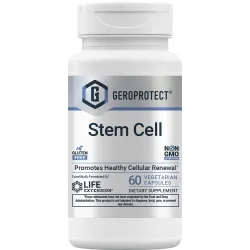
GEROPROTECT® Stem Cell
Price: 40,55 €Promotes healthy cellular renewal Helps positively support healthy stem...
Related posts
-
 Is Conventional Pomegranate Extract Enough?
An abundance of clinical data has established pomegranate as a broad-spectrum, multi-modal defense against the...
Is Conventional Pomegranate Extract Enough?
An abundance of clinical data has established pomegranate as a broad-spectrum, multi-modal defense against the... -
Lipoic Acid Reverses Mitochondrial Decay
It is estimated that 85% of the oxygen contained in every breath you take is consumed by the mitochondria within each...
-
How Resveratrol Combats Leading Causes of Death
In 1997, the first scientific paper on resveratrol was published showing that this polyphenol could prevent cancer in...
-
Autoimmune Diseases part 1
Autoimmune diseases are characterized by the body's immune responses being directed against its own tissues, causing...
-
Autoimmune Diseases part 2
In a healthy body, circulating antibodies attack and destroy pathogenic invaders by means of humoral or cell-mediated...