
 English
 Polski
 Deutsch
 Français
 ελληνικά
 Español
 Italiano
Male Hormone Restoration
Why is it Important to Maintain Balanced Male Hormones?
 Maintaining balanced hormone levels is essential to overall health. Unfortunately, testosterone levels decline in men as they age. Most men know that testosterone is important for sexual function, but research indicates that it is critical for so much more: maintaining cognitive function and a healthy body weight, improving insulin sensitivity and glucose metabolism, promoting heart health, and more. In addition, the ratio of testosterone to estrogen appears to be a strong indicator of mortality outcomes in men with heart disease.
Testosterone levels are affected by several other hormones and enzymes, such as dehydroepiandrosterone (DHEA) (a precursor to testosterone and estrogen), aromatase (an enzyme that converts testosterone to estrogen), and sex hormone-binding globulin (SHBG) (a glycoprotein that binds testosterone). Comprehensive hormone testing is recommended before implementing any replacement therapy.
Natural alternatives to hormone replacement, such as nettle root and zinc, may support healthy testosterone levels.
What Factors Can Lead to Low Testosterone Levels?
- Age
- Increased body fat
- Oxidative damage
- Declining levels of precursors, such as DHEA
- Poor nutritional status and liver function
Why is it Important to Get Hormone Levels Tested?
 Comprehensive hormone testing is necessary to obtain an accurate overview of your hormone balance. Both free and total testosterone levels are important, as well as estrogen levels to determine ratios. Hormone levels will vary widely between people, so it is important to repeat tests over time to establish whether levels are declining or changing. ONLY after comprehensive testing can one decide whether hormone replacement therapy is a good choice, and ONLY with the guidance of a healthcare professional.
Do High Testosterone Levels Increase the Risk of Prostate Cancer?
No. As of the time of this writing, the scientific literature does not support an association between high testosterone levels and an increased risk of prostate cancer.
What are Natural Ways to Boost Testosterone Levels?
Aside from hormone replacement therapy, there are many natural ways to support testosterone levels and healthy male function:
 Zinc. Zinc is essential for many aspects of male reproductive function, from testosterone metabolism to sperm motility.
- DHEA. As a precursor to testosterone, adequate DHEA levels are required for healthy testosterone production. DHEA levels tend to decline with age.
- Tribulus. Protodioscin, an active ingredient in Tribulus terrestris (or puncture vine), may convert to DHEA in the body. It has a reputation as an aphrodisiac, and animal studies seem to confirm its ability to boost sexual function.
- Antioxidants. Antioxidant supplements, including vitamins A and E and selenium, have been shown to boost testosterone production in men.
- Chrysin. This bioflavonoid naturally inhibits aromatase, and thus may reduce the conversion of testosterone to estrogen. Its bioavailability may be boosted by taking with piperine (black pepper extract).
- Nettle root. Lignans in nettle root may prevent SHBG from binding testosterone, which may boost free testosterone levels. Nettle root is often used to relieve benign prostatic hyperplasia (BPH) symptoms.
- Muira puama. Muira puama may improve sexual performance in men who have loss of libido.
- Indole-3-carbinol (I3C). I3C, found in many cruciferous vegetables, may protect the prostate from harmful estrogen metabolites.
- Pygeum. Pygeum has been used to relieve BPH symptoms in Europe since the 1960’s. Pygeum may prevent the conversion of testosterone to a metabolite that can exacerbate BPH.
- Saw palmetto. Saw palmetto is a popular supplement for prostate health. Its clinical benefits include reduced nighttime urinary urgency and less discomfort from urination symptoms.
- Other natural products such as quercetin, fish oil, maca, L-carnitine, protein, and more may help support healthy testosterone levels and male functions.
The significance of testosterone for male sexual function is apparent to most Life Extension customers. New insights, however, underscore the critical role testosterone plays in maintaining youthful neurological structure, alleviating depression, as well as inducing fat loss in those who are unable to reduce body weight regardless of diet and exercise.
 Recent studies have demonstrated that low testosterone in men is strongly associated with metabolic syndrome, type 2 diabetes, cardiovascular disease,1 and an almost 50% increase in mortality over a seven-year period.2
Restoring testosterone to youthful ranges in middle-aged, obese men resulted in an increase in insulin sensitivity as well as a reduction in total cholesterol, fat mass, waist circumference and pro-inflammatory cytokines associated with atherosclerosis, diabetes, and the metabolic syndrome.3-5 Testosterone therapy also significantly improved erectile function6 and improved functional capacity, or the ability to perform physical activity without severe duress, in men with heart failure.7
Factors That Affect Testosterone Levels in Men
DHEA
Dehydroepiandrosterone (DHEA) is a hormone produced from cholesterol that then follows one of two pathways, both involving two-step enzymatic conversions, to yield either estrogens or testosterone. Thus, levels of DHEA can have a role in determining levels of estrogen and testosterone, though DHEA alone is seldom enough to sufficiently restore testosterone levels in aging men.
Aromatase
One of the most important factors that affect testosterone levels and the ratio between testosterone and estrogen is the aromatase enzyme. Aromatase converts testosterone to estrogen, further depleting free testosterone levels and increasing estrogen levels.
Obesity
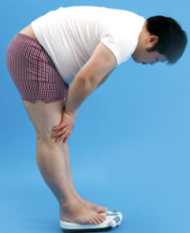 Obesity and associated hyperinsulinemia suppress the action of luteinizing hormone (LH) in the testis, which can significantly reduce circulating testosterone levels,8 even in men under the age of 40.9 In addition, increased belly fat mass has been correlated with increased aromatase levels.10
The vicious circle of low testosterone and obesity has been described as the hypogonadal/obesity cycle. In this cycle a low testosterone level results in increased abdominal fat, which in turn leads to increased aromatase activity. This enhances the conversion of testosterone to estrogens, which further reduces testosterone and increases the tendency toward abdominal fat.11,12
Sex Hormone-Binding Globulin
Most testosterone circulating in the bloodstream is bound to either sex hormone-binding globulin (SHBG) (60%) or albumin (38%). Only a small fraction (2%) is unbound, or "free."13
 Testosterone binds more tightly to SHBG than to albumin.14 Consequently, only albumin-bound testosterone and free testosterone constitute the bioavailable forms of testosterone, which are accessible to target tissues and carry out the actions of the essential hormone.13 Thus, the bioavailability of testosterone is influenced by the level of SHBG.
Aging men experience both an increase in aromatase activity and an elevation in SHBG production. The net result is an increase in the ratio of estrogen to testosterone and a decrease in total and free testosterone levels.15 As will be discussed below, it is crucial that this skewed ratio be balanced.
Liver Function
The liver is responsible for removing excess estrogen and SHBG, and any decrease in liver function could exacerbate hormonal imbalances and compromise healthy testosterone levels. Thus, it is important that aging men also strive for optimal liver function.
Effects of Age-Related Decline in Testosterone Levels and Testosterone Therapy
The exact cause of the age-related reduction in testosterone levels is not known; it is probably the result of a combination of factors, including:
- Increasing body fat (especially belly fat, and therefore increasing aromatase activity)
- Oxidative damage to tissues responsible for the production of testosterone
- Reduction in testicular testosterone synthesis
- Declining levels of precursor molecules, such as DHEA
- Nutritional status and liver function
The consequences of declining testosterone levels are striking
Body Composition and Inflammation
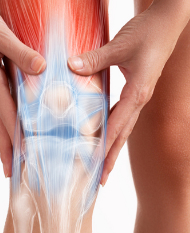 Testosterone affects fat cell metabolism and fat loss in several ways: inhibiting fat storage by blocking a key enzyme called lipoprotein lipase that is necessary for the uptake of fat into the body’s fat cells; stimulating fat burning by increasing the number of specific receptors on the fat-cell membrane that release stored fat; increasing insulin sensitivity; enhancing growth of muscle fibers; and decreasing fat deposits. All of these effects promote lean body mass and reduce fat mass.16,17 Placebo-controlled trials have demonstrated both significant increases in lean body mass and decreases in fat mass after varying courses of testosterone treatment in older men. In these studies, the greatest favorable changes in body composition were seen in participants with low baseline testosterone levels who received testosterone therapy for 12 months or longer.18
Emergent evidence suggests that maintaining youthful testosterone levels may help aging men avert a variety of inflammation-mediated disease, such as atherosclerosis and arthritis. By powerfully suppressing the activity an enzyme called 5-lipoxygenase, testosterone calms a fundamental pro-inflammatory pathway involved in the synthesis of signaling molecules known as leukotrienes.19 Leukotrienes are derivatives of the pro-inflammatory omega-6 fatty acid arachidonic acid; these molecules underlie much of the inflammatory development of asthma and bronchitis, and play a role in the pathology of cardiovascular disease and diabetes as well.20,21
In a study involving 184 men with low testosterone levels, 18 weeks of testosterone replacement therapy suppressed markers of inflammation including IL-1β, TNF-α, and C-reactive protein. Moreover, when compared to men who received a placebo control, men receiving testosterone replacement exhibited significant decreases in body weight, and body mass index (BMI), and waist circumference.22 The reduction in waist circumference indicates that testosterone reduces fat accumulation around the trunk of the body; this is particularly important since central fat mass and is strongly associated with increased susceptibility to inflammatory diseases and mortality.23
 Testosterone therapy has been shown to decrease weight and improve measures of health in men with low testosterone levels. In a non-randomized registry study of 471 obese men with hypogonadism, patients elected to receive either testosterone undecanoate injections (1,000 mg every 12 weeks) or no therapy (control group). After up to 11 years, weight decreased an average of 23 kg (51 lb, or about 20% of body weight) in the testosterone group versus a 6 kg (13 lb, or about 6% of body weight) increase in the control group. Testosterone treatment was also associated with a decrease in waist circumference of 13.3 cm compared with an increase of 6.7 cm in the control group. Finally, testosterone may have had positive effects on other health outcomes. In the control group, heart attacks occurred in 28% and stroke in 27% of men; no heart attacks or strokes were reported in the testosterone group. Deaths were also reported at a significantly lower rate in those who received testosterone compared with those who did not (8% vs. 32%).99 Importantly, the findings of this study had not yet been published in a peer-reviewed journal at the time of this writing and could change following peer review; the findings were presented at the 2020 virtual European and International Congress on Obesity.
Musculoskeletal System
Bone integrity rests upon a balance between bone formation and bone resorption, which is controlled by multiple factors—including levels of estrogen and testosterone.24,25 In a clinical trial, testosterone increased bone mineral density in elderly men.26 Testosterone supplementation also has a positive effect on muscle metabolism and strength.27 This positive effect is undiminished with age.
Central Nervous System (CNS)
 Key to aging well is an optimistic outlook on life and the ability to engage in social and physical activity. However, low levels of testosterone have been associated with depression and other psychological disorders.28 To make matters worse for aging men, many conventional antidepressant medications suppress libido. Some experts suggest that testosterone therapy might reduce the need for the antidepressant medications entirely.29,30 Furthermore, testosterone treatment often increases feelings of well-being.31
Cognition and alertness are also governed, in part, by testosterone’s effects on the CNS.32 Low testosterone levels have been shown to correlate with lower scores on various psychometric tests,33 and similar effects have been reported in men undergoing androgen (male hormone)-deprivation therapy for prostate cancer.34
Testosterone also acts as an endogenous neuroprotective agent, able to support neuron integrity against a variety of toxic insults, including oxidative stress.35,36 In addition, testosterone has been shown to reduce β-amyloid accumulation, an important pathophysiologic factor in Alzheimer’s disease.37,38
Testosterone improves neuron survival in brain regions vulnerable to neurodegenerative disease. This may explain the association of low testosterone levels in men with neurodegenerative diseases.39,40 Studies demonstrate testosterone loss occurred 5‒10 years prior to Alzheimer’s disease diagnosis. This suggests low testosterone is an important risk factor for Alzheimer’s disease.41,42 In a clinical study of 36 men recently diagnosed with Alzheimer’s disease, intramuscular testosterone treatment with 200 mg every two weeks for up to one year was associated with improvement in both overall cognitive ability as well as critical visual-spatial function.43
Glucose and Lipid Metabolism
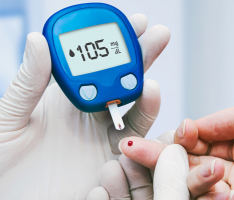 Testosterone also has been linked to metabolic function in the body. Specifically, studies have found inverse associations between the severity of metabolic syndrome, a condition characterized by excess abdominal fat, high cholesterol and high blood pressure that predisposes one for cardiovascular disease, and low plasma testosterone.18,44 A clinical study demonstrated that men with low testosterone levels are twice as insulin resistant as their counterparts with normal testosterone levels, and 90% met the criteria for the metabolic syndrome.45
There also appears to be an inverse relationship between low testosterone levels and diabetes in men.46 Men with diabetes have lower testosterone levels compared to men without a history of diabetes.47 The Third National Health and Nutrition survey of 1,413 men showed that men initially ranked in the lowest one-third with respect to either free or bioavailable testosterone were approximately four times more likely to have prevalent diabetes compared with those ranked in the top one-third, after researchers adjusted the results for age, race/ethnicity, and adiposity.48
Cardiovascular Health
 While conventional thought has been that because more men die from heart attacks than women, the disparity must have something to do with testosterone. However, research is pointing out that, in fact, the opposite may be true. Low levels of testosterone appear to be correlated with several cardiovascular risk factors, including atherogenic lipid profiles, insulin resistance, obesity, and a propensity to clot.49 In addition, recent research is showing a clear relationship between low testosterone levels and increased incidence of cardiovascular disease and mortality in men.2
Prostate Health
Compared to younger men, older males have much more estradiol (a potent form of estrogen) than free testosterone circulating in the body. These rising estrogen and declining androgen levels are even more sharply defined in the prostate gland.
Estrogen levels increase significantly in the prostate with age, and estrogen levels in prostate gland tissues rise even higher in men who have BPH.50-52
An important study indicates that testosterone is beneficial for the prostate gland in the vast majority of cases. In this study researchers looked at multiple parameters, including prostate volume, prostate-specific antigen (PSA) levels, and lower urinary tract symptoms in a group of men with low or low-normal testosterone levels.53 Of the 207 men studied, 187 responded favorably to testosterone treatment.
The Importance of Hormone Testing
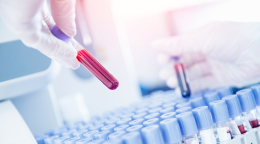 Millions of aging men have the dual conditions of low testosterone and high cholesterol. Conventional physicians prescribe cholesterol-lowering drugs to reduce cholesterol, when, in fact, the age-related rise in cholesterol might simply be the body's way of increasing hormone levels by supplying the raw materials necessary to make hormones.54 Researchers at Life Extension have successfully treated high cholesterol levels through a program of bioidentical hormone replacement therapy.
Life Extension believes that comprehensive tests, along with a careful physical examination, are essential in detecting hormonal imbalances in aging men.
The so-called "normal" levels of testosterone in older men reflect population averages. Life Extension believes that most aging men would prefer not to accept the loss of youthful vigor as normal. Instead, we suggest that a more valid optimal level for all men would be in the upper one-third of the reference range used for men aged 21 to 49 years, and that any supplementation should aim to restore hormone levels to that range. The current Life Extension optimal level of free testosterone is 20‒25 pg/mL.
 When measuring testosterone levels, it is critical to determine the levels of both free and total testosterone to understand the cause of any observed symptoms of deficiency.55
Because of difficulties with equipment standardization and inter-laboratory variability, it is recommended that physicians consistently use the same local laboratories and gain familiarity with the accuracy, precision and definition of normal values for the assays offered in their communities.13
It is also important to remember that blood levels of both free and total testosterone vary widely among individuals, making it difficult to establish a general baseline on which to prescribe a standardized treatment protocol. However, levels are quite consistent within individuals, and thus it is important that men have multiple tests over time to determine trends and individual thresholds for treatment.
Finally, during the initial testing, it is also imperative to test estrogen levels. Many of the unwanted effects of male hormone imbalance are actually caused by an elevated estrogen level relative to low testosterone levels (the estrogen/testosterone ratio). The Life Extension optimal level of estrogen (measured as estradiol) for aging men is 20‒30 pg/mL.
Estrogen Balance is Critical to Aging Men
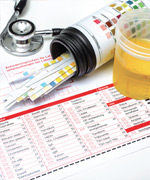 A study published in the Journal of the American Medical Association (JAMA) measured blood estradiol in 501 men with chronic heart failure. Compared to men in the balanced estrogen quintile, men in the highest quintile (serum estradiol levels of 37.40 pg/mL or greater) were significantly (133%) more likely to die. Those in the lowest estradiol quintile (serum estradiol levels under 12.90 pg/mL) had a 317% increased death rate compared to the balanced group. The men in the balanced quintile—with the fewest deaths—had serum estradiol levels between 21.80 and 30.11 pg/mL.56 This is the ideal range that Life Extension has long recommended male customers strive for.
An epidemic problem we at Life Extension observe in aging male customers is insufficient free testosterone, that is less than 20‒25 pg/mL of serum. When accompanied by excess estradiol (over 30 pg/mL of serum), this can signal excess aromatase enzyme activity.
Testosterone Replacement Therapies
 Optimal testosterone treatment usually requires a physician’s prescription. Integrative physicians typically prescribe bioidentical testosterone creams (available from compounding pharmacies). Conventional physicians are more likely to prescribe prepackaged, testosterone patches and/or gels from pharmaceutical companies that have sought FDA approval for the mass commercialization of their products.
All forms of bioidentical testosterone have the same molecular structure and will increase free and total testosterone in the blood. The major difference is that prepackaged versions could cost up to 10 times more per dose than compounded versions. Furthermore, prepackaged testosterone gels are sold only in a limited number of doses, whereas compounded testosterone can be formulated at virtually any dose the physician feels is clinically necessary and useful.
Using Hormone Replacement Wisely
If a man opts for testosterone therapy (available orally or as an injection, subcutaneous implant, topical cream, gel, or skin patch), he should keep several facts and precautions in mind57,58:
 Hormone replacement should not be initiated without comprehensive testing.
- The patterns and trends over time of multiple hormone levels (eg, free testosterone, total testosterone, and estrogen) determine the specific hormone replacements required.
- It may not be safe to use large amounts of testosterone in any form without also using aromatase-inhibiting supplements or medications.
- Because of the risk of worsening prostate cancer, careful screening, including a digital rectal examination and prostate specific antigen (PSA) screening, must be done before starting any hormone replacement program. However, recent research indicates that low endogenous testosterone levels may present a greater risk for prostate cancer than higher levels.59,60 If a man already has prostate cancer, however, testosterone replacement should be delayed until the underlying cancer is eradicated.
- A man contemplating hormone replacement, whether through a prescription or supplements, should work closely with a qualified physician to plan a rational treatment approach that includes continued monitoring and screening.
- There is no “one-size-fits-all” treatment. Individuals vary, and hormone replacement can be a simple or complex process and often requires careful attention to signs and symptoms, as well as laboratory testing.
Boost Testosterone and Suppress Estrogen Levels Naturally
For men who choose not to (or are advised not to) use hormone replacement therapy, nutrients can play a vital role in a comprehensive program designed to reduce the impact of aging on sex hormone production and metabolism. The following is a list of nutrients that are part of Life Extension's comprehensive male hormone restoration program.
Essential Nutrients for Optimal Testosterone Production
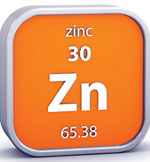 Zinc. This mineral is involved in almost every aspect of male reproduction, including testosterone metabolism, sperm formation, and sperm motility.61 A prime example of the usefulness of zinc was illustrated in a study of 37 infertile men with decreased testosterone levels and associated low sperm counts.62 The men were given 60 mg of zinc daily for 45‒50 days. In the majority of patients, testosterone levels significantly increased and mean sperm count rose from 8 million to 20 million. Some men require higher levels of zinc to adequately suppress aromatase.
DHEA. DHEA is an important hormone that tends to be depleted steadily with age.63 A 2006 study assessing DHEA supplementation in men of average 65 years of age found that the men experienced significant increases in testosterone and significant decreases in low-density lipoprotein.64
Tribulus. Tribulus terrestris, also known as puncture vine, contains the active ingredient protodioscin, which is reportedly converted to DHEA in the body.65 This DHEA-boosting activity may account for puncture vine’s reputation as an aphrodisiac in its native Europe and Asia. Animal studies appear to confirm the ability of tribulus to improve sexual function.66,67
 Antioxidants. One reason testosterone production may decline with advancing age is oxidative damage in the tissues that produce testosterone. A study examining the role of antioxidants in male hormone imbalance in aging men noted that antioxidant supplements (including vitamins A and E, zinc, and selenium) all supported testosterone production.68
Natural Products to Keep Aromatase and/or Sex Hormone-Binding Globulin (SHBG) in Check
Chrysin. The bioflavonoid chrysin is a natural aromatase inhibitor.69 Bodybuilders have used chrysin as a testosterone-boosting supplement, because it minimizes the conversion of testosterone to estrogen. Although chrysin has low oral bioavailability,70 its bioavailability may be significantly enhanced by co-administration with the black pepper extract, piperine, thus enhancing its actions as an aromatase inhibitor.71
Quercetin. One study showed that red wine inhibits aromatase, thus inhibiting the conversion of testosterone to estrogen. The study attributed this effect to the quercetin and other ingredients.72
%20in%20Check.jpg) Nettle root. Lignans contained in nettle root extract may help prevent the binding of sex hormone-binding globulin to testosterone. This may help ensure that free testosterone is available for promoting male vitality and youthful sexual function.73,74 Nettle root extract is used extensively, either in combination with saw palmetto75 or by itself76 for relief of BPH symptoms.
Nettle root. Lignans contained in nettle root extract may help prevent the binding of sex hormone-binding globulin to testosterone. This may help ensure that free testosterone is available for promoting male vitality and youthful sexual function.73,74 Nettle root extract is used extensively, either in combination with saw palmetto75 or by itself76 for relief of BPH symptoms.
%20in%20Check.jpg) Fish oil. A study examined how the essential fatty acids EPA and DHA affected SHBG levels in men 43 to 88 years of age.77 After controlling for other variables, the researchers concluded that both EPA and DHA decreased levels of SHBG in middle-aged and elderly men.
Fish oil. A study examined how the essential fatty acids EPA and DHA affected SHBG levels in men 43 to 88 years of age.77 After controlling for other variables, the researchers concluded that both EPA and DHA decreased levels of SHBG in middle-aged and elderly men.
Protein. While adequate protein consumption is vital to maintaining muscle mass, it is also important in maintaining testosterone levels. A study examined the relationship between diet and SHBG, and found that diets low in protein in men 40‒70 years old may lead to elevated SHBG levels and consequently decreased testosterone bioactivity.78
Natural Products to Support Sexual Function
Muira puama. Muira puama, Ptychopetalum olacoides, grows in the Amazon region of Brazil. It is considered an aphrodisiac and an effective treatment for impotence. It has been studied by Jacques Waynberg,79 a prominent medical sexologist at the Institute of Sexology in Paris. In one of his studies, men with loss of libido received 1.5 grams/day of muira puama for two weeks. Sixty-two percent rated the treatment as having a dynamic effect, and 52% with erectile dysfunction rated the treatment as beneficial. In another study, muira puama treatment was given to 100 men, aged 18 years or older, with impotence and/or loss of libido. A significantly increased frequency of intercourse was reported in 66% of the men. Of the 46 men 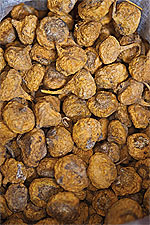 who complained of loss of desire, 70% reported libido intensification. The stability of erection during intercourse was restored in 55% of men, and 66% of men reported a reduction in fatigue. Other reported beneficial effects included improved sleep and morning erections.
Maca. Maca has been used among indigenous people in the Andes region for centuries. It is a reputed aphrodisiac and fertility enhancer. Peruvian researchers conducted a randomized, placebo-controlled, double-blind study on a small group of men aged 21‒56. Results showed that, versus placebo, maca improved subjective reports of male sexual desire. Subjects consumed either 1,500 mg or 3,000 mg of maca, or placebo, for three months. After eight weeks, improvements were noted in sexual desire among the subjects who consumed maca.80
L-carnitine. L-carnitine is an amino acid derivative that may be more active than testosterone in aging men who have sexual dysfunction and depression caused by an androgen deficiency. Both testosterone and carnitine improve sexual desire, sexual satisfaction, and nocturnal penile tumescence, but carnitine is more effective than testosterone in improving erectile function, nocturnal penile tumescence, orgasm, and general sexual well-being. L-carnitine was also more efficacious than testosterone for treating depression.81
Natural Products to Support Prostate Health
 Indole-3-carbinol (I3C). I3C protects against dangerous estrogen metabolites and subsequent prostate cancer. An adequate intake of I3C, through vegetables such as broccoli, Brussels sprouts, and cabbage, or via supplements, may be very helpful for aging men in both keeping undesirable estrogen metabolites such as 16-alphahydroxyestrone in check and decreasing their risk of prostate cancer. Studies have demonstrated that I3C increases the ratio of 2-hydroxyestrone to 16-alpha-hydroxyestrone. For men, this very well might mean a decrease in prostate cancer risk.82,83 In a study that examined the association of prostate cancer risk with estrogen metabolism, the authors said, “results of this case-control study suggest that the estrogen metabolic pathway favoring 2-hydroxylation over 16-alpha-hydroxylation may reduce risk of clinically evident prostate cancer.”84
Pygeum. A bark extract from the native African cherry tree Pygeum africanum, has been used in Europe to treat BPH since 1960, and is currently the most commonly used therapeutic agent for this condition in France.85 One theory for the anti-BPH action of pygeum involves the conversion of testosterone to dihydrotestosterone (DHT), a potent testosterone metabolite that may exacerbate BPH, via the enzyme 5-alpha-reductase.86 A recent study identified that N-butylbenzene-sulfonamide (NBBS) was isolated from P. africanum as a specific androgen receptor (AR) antagonist. NBBS inhibits  AR- and progesterone receptor (PR)-mediated transactivation, as well as endogenous PSA expression and growth of human prostate cancer cells.87
Saw palmetto. In Europe, saw palmetto (Serenoa repens) has been used extensively as a drug for reducing symptoms of (BPH). Saw palmetto has multiple mechanisms of action: inhibition of 5-alpha-reductase; inhibition of DHT binding to the androgen receptor; reduction of the inflammatory component of prostate growth (by inhibiting COX-2 and an enzyme called 5-lipoxygenase); induction of apoptosis and inhibition of prostate cell proliferation.88-91 Its clinical benefits for prostate enlargement include reduced nocturnal urinary urgency,92 decreased residual urine volume in the bladder,93 and less discomfort from urination symptoms.94
Testosterone and Prostate Cancer: The Myth
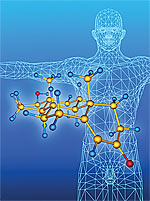 Historically, medical professionals suspected that testosterone replacement therapy would increase the risk of prostate cancer progression and recurrence.98 This fear made it standard practice for physicians to avoid testosterone replacement therapy in hypogonadal male patients that might otherwise have benefited from testosterone replacement.
Remarkably, though, it appears that, in many cases, the opposite is true—lower levels of endogenous testosterone present a greater risk of prostate cancer than higher levels.95 A review by the National Institutes of Health revealed that, in men of advancing age, “…high testosterone levels are not associated with an increased risk of prostate cancer, nor are low testosterone levels protective against prostate cancer.”59
A review of data from 18 prospective studies compared serum concentrations of androgens and estrogens in 3,886 men with prostate cancer to 6,438 healthy controls. The results showed no  significant associations between risk of prostate cancer and sex hormone levels.60 A large cohort study published in 2020 supported the safety of testosterone therapy. Analysis of nearly 70,000 patients with a history of non-metastatic prostate cancer treated with radiation or surgery found that those who subsequently underwent testosterone treatment did not have an increased risk of cancer recurrence or mortality.98
In more than 500 men diagnosed with prostate cancer (followed-up for over a mean of 8.7 years), high androgen levels were associated with a decreased risk of aggressive prostate disease compared with no change in risk of non-aggressive disease. Overall, levels of any steroid hormones (except estradiol) were not correlated with risk of aggressive prostate cancer.96
Abraham Morgentaler, an associate clinical professor at the Harvard Medical School, in his book Testosterone for Life, convincingly makes the case for the benefits and safety of higher testosterone versus the dangers of low testosterone. He also goes back to the original 1941 Nobel Prize-winning research97 about testosterone and shows how these data have been misinterpreted and unquestioned for over 70 years.
What You Need to Know: Optimizing Testosterone Levels in Aging Men
 Testosterone, the chief male hormone, is essential for libido and erectile function, and plays a crucial role in mood, energy, bone health, and body composition.
- Testosterone levels decline with age, usually beginning in a man’s mid-30s. Diminishing testosterone levels have been linked with disorders such as depression, fatigue, obesity and cognitive decline.
- Low testosterone in men is strongly associated with metabolic syndrome, and may be a risk factor for type 2 diabetes and cardiovascular disease.
- Restoring testosterone to youthful levels offers men a wealth of health benefits, including benefits for heart health, body composition, mood, and memory.
- Bioidentical testosterone has not been found to have adverse effects on the healthy prostate gland—in fact, it may help improve prostate symptoms in men with low-normal testosterone levels. Testosterone therapy is contraindicated in men with prostate cancer.
- Regular blood testing can help you and your physician decide if testosterone therapy is right for you. Optimizing testosterone levels requires a multi-pronged approach that includes optimal diet, proper nutrition, nutritional supplements, exercise, and bioidentical testosterone.
Summary and Quick Facts
 Testosterone levels go down as we age and other hormones often fall out of optimal balance, too. Restoring youthful levels of testosterone and other hormones using bioidentical hormone replacement therapy can help support overall wellbeing.
- Most men know that testosterone is important for health and performance, but many do not know that maintaining healthy levels of other hormones, like estrogen and DHEA, is also important. This protocol will help you learn about comprehensive hormone restoration and how it can support your health when combined with proper medical care, good diet and plenty of exercise.
- Supplementation with zinc and chrysin may help men maintain healthy hormone balance.
Material used with permission of Life Extension. All rights reserved.
- Miner MM, Seftel AD. Testosterone and ageing: what have we learned since the Institute of Medicine report and what lies ahead? Int J Clin Pract. 2007 Apr;61(4):622-32.
- Malkin C., Pugh P., Morris P., et al. Coronary artery disease: Low serum testosterone and increased mortality in men with coronary heart disease. Heart 2010; 96:1821-1825.
- Kapoor D, Goodwin E, Channer KS, et al. Testosterone replacement therapy improves insulin resistance, glycaemic control, visceral adiposity, and hypercholesterolaemia in hypogonadal men with type 2 diabetes. Eur J Endocrinol 2006;154:899e906.
- Malkin CJ, Pugh PJ, Jones RD, et al. The effect of testosterone replacement on endogenous inflammatory cytokines and lipid profiles in hypogonadal men. J Clin Endocrinol Metab 2004;89:3313e18.
- Heufelder AE, Saad F, Bunck MC, et al. 52-Week treatment with diet and exercise plus transdermal testosterone reverses the metabolic syndrome and improves glycaemic control in men with newly diagnosed type 2 diabetes and subnormal plasma testosterone. J Androl 2009;30:726e33.
- Fukui M, Kitagawa Y, Ose H, Hasegawa G, Yoshikawa T, Nakamura N. Role of endogenous androgen against insulin resistance and athero- sclerosis in men with type 2 diabetes. Curr Diabetes Rev. 2007 Feb;3(1):25-31.
- Malkin CJ, Jones TH, Channer KS. The effect of testosterone on insulin sensitivity in men with heart failure. Eur J Heart Fail 2007;9:44e50.
- Mah P. M. and Wittert G. A. "Obesity and testicular function,"Molecular and Cellular Endocrinology, vol. 316, no.2, pp. 180–186, 2010.
- Goncharov N. P., Katsya G. V., Chagina N. A., and Gooren L. J. "Testosterone and obesity in men under the age of 40 years," Andrologia, vol. 41, no. 2, pp. 76–83, 2009.
- Kalyani RR, Dobs AS. Androgen deficiency, diabetes, and the metabolic syndrome in men. Cur Opin in Endocrinol Diab Obesity 2007; 14: 226-234.
- Cohen PG. The hypogonadal-obesity cycle: role of aromatase in modulating the testosterone-estradiol shunt—a major factor in the genesis of morbid obesity. Med Hypotheses. Jan 1999;52(1):49-51.
- Tishova Y, Kalinchenko SY. Breaking the vicious circle of obesity: the metabolic syndrome and low testosterone by administration of testosterone to a young man with morbid obesity. Arq Bras Endocrinol Metabol. 2009 Nov;53(8):1047-51.
- Morales A, Bella AJ, Chun S, Lee J, Assimakopoulos P, Bebb R, Gottesman I, Alarie P, Dugré H, Elliott S. A practical guide to diagnosis, management and treatment of testosterone deficiency for Canadian physicians. Can Urol Assoc J. 2010 Aug;4(4):269-75.
- Henry A. Feldman, Christopher Longcope, Carol A. Derby, Catherine B. Johannes, Andre B. Araujo, Andrea D. Coviello, William J. Bremner and John B. McKinlay Age Trends in the Level of Serum Testosterone and Other Hormones in Middle-Aged Men: Longitudinal Results from the Massachusetts Male Aging Study. The Journal of Clinical Endocrinology & Metabolism Vol. 87, No. 2 589-598, 2002.
- Lapauw B, Goemaere S, Zmierczak H, Van Pottelbergh H, Mahmoud A, Y Taes, De Bacquer D, Vansteelandt S and Kaufman JM: The decline of serum testosterone levels in community-dwelling men over 70 years of age: descriptive data and predictors of longitudinal changes. European Journal of Endocrinology (2008) 159 459–468
- Naharci MI, Pinar M, Bolu E, Olgun A. Effect of testosterone on insulin sensitivity in men with idiopathic hypogonadotropic hypogonadism. Endocr Pract. 2007 Oct;13(6):629-35.
- Saad F, Gooren L, Haider A, et al. An exploratory study of the effects of 12 month administration of the novel long-acting testosterone undecanoate on measures of sexual function and the metabolic syndrome. Arch Androl. 2007;53(6):353-7.
- Allan CA, Strauss BJ, McLachlan RI. Body composition, metabolic syndrome, and testosterone in aging men. Int J Impot Res. 2007 Sep;19(5):448-57.
- Pergola C et al. Testosterone suppresses phospholipase D, causing sex differences in leukotriene biosynthesis in human monocytes. FASEB J. 2011 Jun 21. [Epub ahead of print]
- Parlapiano C et al. he relationship between glycated hemoglobin and polymorphonuclear leukocyte leukotriene B4 release in people with diabetes mellitus. Diabetes Res Clin Pract. 1999 Oct;46(1):43-5.
- Riccioni G et al. Leukotrienes and atherosclerosis. Curr Drug Targets. 2010 Jul;11(7):882-7.
- Kalinchenko SY et al. Effects of testosterone supplementation on markers of the metabolic syndrome and inflammation in hypogonadal men with the metabolic syndrome: the double-blinded placebo-controlled Moscow study. Clin Endocrinol (Oxf). 2010 Nov;73(5):602-12. doi: 10.1111/j.1365-2265.2010.03845.x.
- Coutinho T et al. Central obesity and survival in subjects with coronary artery disease: a systematic review of the literature and collaborative analysis with individual subject data. J Am Coll Cardiol. 2011 May 10;57(19):1877-86.
- Tok EC, Ertunc D, Oz U, Camdeviren H, Ozdemir G, Dilek S. The effect of circulating androgens on bone mineral density in postmenopausal women. Maturitas. Jul 15 2004;48(3):235-42.
- Valimaki VV, Alfthan H, Ivaska KK, et al. Serum estradiol, testosterone, and sex hormone-binding globulin as regulators of peak bone mass and bone turnover rate in young Finnish men. J Clin Endocrinol Metab. Aug 2004;89(8):3785-9.
- Kenny AM, Kleppinger A, Annis K, Rathier M, Browner B, Judge JO, McGee D. Effects of transdermal testosterone on bone and muscle in older men with low bioavailable testosterone levels, low bone mass, and physical frailty. J Am Geriatr Soc. 2010 Jun;58(6):1134-43.
- Herbst KL, Bhasin S. Testosterone action on skeletal muscle. Curr Opin Clin Nutr Metab Care. May 2004;7(3):271-7.
- Almeida OP, Yeap BB, Hankey GJ, Jamrozik K, Flicker L. Low free testosterone concentration as a potentially treatable cause of depressive symptoms in older men. Arch Gen Psychiatry. 2008 Mar;65(3):283-9.-7.
- Morley JE. Testosterone and behavior. Clin Geriatr Med. Aug 2003;19(3):605-16.
- Carnahan RM, Perry PJ. Depression in aging men: the role of testosterone. Drugs Aging. 2004;21(6):361-376.
- Orengo CA, Fullerton G, Tan R. Male depression: a review of gender concerns and testosterone therapy. Geriatrics. Oct 2004;59(10):24-30.
- Cherrier MM, Plymate S, Mohan S, et al. Relationship between testosterone supplementation and insulin-like growth factor-I levels and cognition in healthy older men. Psychoneuroendocrinology. Jan 2004;29(1):65-82.
- Moffat SD, Zonderman AB, Metter EJ, Blackman MR, Harman SM, Resnick SM. Longitudinal assessment of serum free testosterone concentration predicts memory performance and cognitive status in elderly men. J Clin Endocrinol Metab. Nov 2002;87(11):5001-7.
- Salminen EK, Portin RI, Koskinen A, Helenius H, Nurmi M. Associations between serum testosterone fall and cognitive function in prostate cancer patients. Clin Cancer Res. Nov 15 2004;10(22):7575-82.
- Ahlbom E, Prins GS, Ceccatelli S. Testosterone protects cerebellar granule cells from oxidative stress-induced celldeath through a receptor mediated mechanism. Brain Res. Feb 23 2001;892(2):255-62.
- Pike JG., Carroll JC,, Rosario ER., Barron A. Protective actions of sex steroid hormones in Alzheimer's disease. Front Neuroendocrinol. 2009 July ; 30(2): 239–258.
- Zhang Y, Champagne N, Beitel LK, Goodyer CG, Trifiro M, LeBlanc A. Estrogen and androgen protection of human neurons against intracellular amyloid beta1-42 toxicity through heat shock protein 70. J Neurosci. Jun 9 2004;24(23):5315-21.
- Rosario ER, Pike CJ. Androgen regulation of beta-amyloid protein and the risk of Alzheimer's disease. Brain Res Rev 2008;57:444–453.
- Hogervorst E, Bandelow S, Combrinck M, Smith AD. Low free testosterone is an independent risk factor for Alzheimer's disease. Exp Gerontol. Nov-Dec 2004;39(11-12):1633-39.
- Ready RE, Friedman J, Grace J, Fernandez H. Testosterone deficiency and apathy in Parkinson's disease: a pilot study. J Neurol Neurosurg Psychiatry. Sep 2004;75(9):1323-26.
- Moffat SD, Zonderman AB, Metter EJ, Kawas C, Blackman MR, Harman SM, Resnick SM. Free testosterone and risk for Alzheimer disease in older men. Neurology. 2004;62:188-193.
- Rosario ER, Chang L, Stanczyk FZ, et al. Age-related testosterone depletion and the development of Alzheimer disease. JAMA. 2004 Sep;292(12):1431-2.
- Tan RS, Pu SJ. A pilot study on the effects of testosterone in hypogonadal aging male patients with Alzheimer's disease. Aging Male 2003;6:13.
- Saad F, Gooren LJ, Haider A, Yassin A. A dose-response study of testosterone on sexual dysfunction and features of the metabolic syndrome using testosterone gel and parenteral testosterone undecanoate. J Androl. 2008 Jan-Feb;29(1):102-5.
- Pitteloud N, Mootha VK, Dwyer AA, Hardin M, Lee H, Eriksson KF, Tripathy D, Yialamas M, Groop L, Elahi D, Hayes FJ. Relationship between testosterone levels, insulin sensitivity, and mitochondrial function in men. Diabetes Care. 2005 Jul;28(7):1636-42.
- Saad F. and Gooren L, "The role of testosterone in the metabolic syndrome: a review," Journal of Steroid Biochemistry and Molecular Biology, vol. 114, no. 1-2, pp. 40–43, 2009.
- Stanworth R. D. and Jones T. H., "Testosterone in obesity, metabolic syndrome and type 2 diabetes," Frontiers of Hormone Research, vol. 37, pp. 74–90, 2009.
- Selvin E., Feinleib M., Zhang L. et al., "Androgens and diabetes in men: results from the third National Health and Nutrition Examination Survey (NHANES III)," Diabetes Care, vol. 30, no. 2, pp. 234–238, 2007.
- Jones RD, Nettleship JE, Kapoor D, et al. Testosterone and atherosclerosis in aging men: purported association and clinical implications. Am J Cardiovasc Drugs 2005;5:141e54.
- Shibata Y, Ito K, Nakano K, et al. Changes in the endocrine environment of the human prostate transition zone with aging: simultaneous quantitative analysis of prostatic sex steroids and comparison with human prostatic histological composition. Prostate. 2000 Jan;42(1):45-55.
- Gann PH, Hennekens CH, Longcope C, et al. A prospective study of plasma hormone levels, nonhormonal factors, and development of benign prostatic hyperplasia. Prostate. 1995 Jan;26(1):40-9.
- Krieg M, Weisser H, Tunn S. [Androgen and estrogen metabolism in human benign prostatic hyperplasia (BPH)]. [Article in German]. Verh Dtsch Ges Pathol. 1993;77:19-24.
- Pechersky AV, Mazurov VI, Semiglazov VF, et al. Androgen administration in middle-aged and ageing men: effects of oral testosterone undecanoate on dihydrotestosterone, oestradiol and prostate volume. Int J Androl. 2002 Apr;25(2):119-25.
- Dzugan SA, Arnold Smith R. Hypercholesterolemia treatment: a new hypothesis or just an accident? Med Hypotheses. 2002 Dec;59(6):751-6.
- Khosla S, Amin S, Singh RJ, Atkinson EJ, Melton LJ 3rd, Riggs BL. Comparison of sex steroid measurements in men by immunoassay versus mass spectroscopy and relationships with cortical and trabecular volumetric bone mineral density. Osteoporos Int. 2008 Oct;19(10):1465-71.
- Ewa A. Jankowska; Piotr Rozentryt; Beata Ponikowska; et al. Circulating estradiol and mortality in men with systolic chronic heart failure. JAMA. 2009 May 13;301(18):1892-901.
- Schaeffer EM, Walsh PC. Risks of testosterone replacement. N Engl J Med. May 6 2004;350(19):2004-06.
- Cunningham GR, Toma SM. Why Is Androgen Replacement in Males Controversial? J Clin Endocrinol Metab. 2010 Sep 29. [Epub ahead of print doi:10.1210/jc.2010-0266]
- Morgentaler A. Testosterone replacement therapy and prostate risks: where's the beef? Can J Urol. Feb 2006;13 Suppl 1:40-3.
- Roddam AW, Allen NE, Appleby P, Key TJ. Endogenous sex hormones and prostate cancer: a collaborative analysis of 18 prospective studies. J Natl Cancer Inst. Feb 6 2008;100(3):170-83.
- Ali H, Baig M, Rana MF, Ali M, Qasim R, Khem AK. Relationship of serum and seminal plasma zinc levels and serum testosterone in oligospermic and azoospermic infertile men. J Coll Physicians Surg Pak. Nov 2005;15(11):671-3.
- Netter A, Hartoma R, Nahoul K. Effect of zinc administration on plasma testosterone, dihydrotestosterone, and sperm count. Arch Androl. 1981 Aug;7(1):69-73.
- Basar MM, Aydin G et al. Relationship between serum sex steroids and Aging Male Symptoms score and International Index of Erectile Function. Urology. 2005 Sep;66(3):597–601.
- Martina V, Benso A, Gigliardi VR, Masha A, Origlia C, Granata R, Ghigo E. Short-term dehydroepiandrosterone treatment increases platelet cGMP production in elderly male subjects. Clin Endocrinol (Oxf). 2006 Mar;64(3):260-4.
- Adimoelja A. Phytochemicals and the breakthrough of traditional herbs in the management of sexual dysfunctions. Int J Androl. 2000, 23 Suppl 2:82–4.
- Gauthaman K, Ganesan AP, et al. Sexual effects of puncture vine (Tribulus terrestris) extract (protodioscin): An evaluation using a rat model. J Altern Complement Med. 2003 Apr;9(2):257–65.
- Milasius K, Dadeliene R, Skernevicius J. The influence of the Tribulus terrestris extract on the parameters of the functional preparedness and athletes' organism homeostasis. Fiziol Zh. 2009;55(5):89-96.
- He F, Feng L. [Effects of some micronutrients on partial androgen deficiency in the aging male]. Zhonghua Nan Ke Xue. Oct 2005;11(10):784-6.
- Kellis JT, Jr., Vickery LE. Inhibition of human estrogen synthetase (aromatase) by flavones. Science. Sep 7 1984;225(4666):1032-4.
- Walle T, Otake Y, Brubaker JA, Walle UK, Halushka PV. Disposition and metabolism of the flavonoid chrysin in normal volunteers. Br J Clin Pharmacol. 2001 Feb;51(2):143-6.
- Srinivasan K. Black pepper and its pungent principle-piperine: a review of diverse physiological effects. Crit Rev Food Sci Nutr. 2007;47(8):735-48.
- Eng ET, Williams D, Mandava U, Kirma N, Tekmal RR, Chen S. Anti-aromatase chemicals in red wine. Ann N Y Acad Sci. Jun 2002;963:239-46.
- Schöttner M, Gansser D, Spiteller G. Lignans from the roots of Urtica dioica and their metabolites bind to human sex hormone binding globulin (SHBG). Planta Med. 1997 Dec;63(6):529-32.
- Chrubasik JE, Roufogalis BD, Wagner H, Chrubasik S. A comprehensive review on the stinging nettle effect and efficacy profiles. Part II: urticae radix. Phytomedicine. 2007 Aug;14(7-8):568-79.
- Lopatkin N, Sivkov A, Walther C, et al. Long-term efficacy and safety of a combination of sabal and urtica extract for lower urinary tract symptoms--a placebo-controlled, double-blind, multicenter trial. World J Urol. Jun 2005;23(2):139-46.
- Safarinejad MR. Urtica dioica for treatment of benign prostatic hyperplasia: a prospective, randomized, double-blind, placebo-controlled crossover study. J Herb Pharmacother. 2005;5(4):1-11.
- Nagata C, Takatsuka N, Kawakami N, Shimizu H. Relationships between types of fat consumed and serum estrogen and androgen concentrations in Japanese men. Nutr Cancer. 2000;38(2):163-67.
- Longcope C, Feldman HA, Mc Kinlay JB, Araujo AB. Diet and sex hormone-binding globulin. J Clin Endocrinol Metab. 2000 Jan; 85(1):293-6.
- Waynberg J. Aphrodisiacs: Contributions to the clinical evaluation of the traditional use of Ptychopetalum. First International Congress on Ethnopharmacology. France; June 1990.
- Gonzales GF, Cordova A, Vega K, et al. Effect of Lepidium meyenii (MACA) on sexual desire and its absent relationship with serum testosterone levels in adult healthy men. Andrologia. 2002 Dec;34(6):367-72.
- Cavallini G, Caracciolo S, Vitali G, Modenini F, Biagiotti G. Carnitine versus androgen administration in the treatment of sexual dysfunction, depressed mood, and fatigue associated with male aging. Urology. Apr 2004;63(4):641-6.
- Sepkovic DW, Bradlow HL, Bell M. Quantitative determination of 3,3'-diindolylmethane in urine of individuals receiving indole-3-carbinol. Nutr Cancer. 2001;41(1-2):57-63.
- Bradlow HL. Review. Indole-3-carbinol as a chemoprotective agent in breast and prostate cancer. In Vivo. 2008 Jul-Aug;22(4):441-5.
- Muti P, Westerlind K, Wu T, et al. Urinary estrogen metabolites and prostate cancer: a case-control study in the United States. Cancer Causes Control. 2002 Dec;13(10): 947-55.
- Buck AC. Is there a scientific basis for the therapeutic effects of serenoa repens in benign prostatic hyperplasia? J Urol. 2004 Nov;172(5 Pt 1):1792-9.
- Wilt T, Ishani A, Mac Donald R, Rutks I, Stark G. Pygeum africanum for benign prostatic hyperplasia. Cochrane Database Syst Rev. 2002;(1):CD001044.
- Papaioannou M, Schleich S, Roell D, Schubert U, Tanner T, Claessens F, Matusch R, Baniahmad A. NBBS isolated from Pygeum africanum bark exhibits androgen antagonistic activity, inhibits AR nuclear translocation and prostate cancer cell growth. Invest New Drugs. 2010 Dec;28(6):729-43. Epub 2009 Sep 23.
- Debruyne F, Koch G et al. Comparison of a phytotherapeutic agent (Permixon) with an alpha-blocker (Tamsulosin) in the treatment of benign prostatic hyperplasia: a 1-year randomized international study. Eur Urol. 2002 May;41(5):497-506.
- Goldmann WH, Sharma AL, Currier SJ, Johnston PD, Rana A, Sharma CP. Saw palmetto berry extract inhibits cell growth and Cox-2 expression in prostatic cancer cells. Cell Biol Int. 2001,25(11):1117-24.
- Paubert-Braquet M, Mencia Huerta JM, Cousse H, Braquet P. Effect of the lipidic lipidosterolic extract of Serenoa repens (Permixon) on the ionophore A23187-stimulated production of leukotriene B4 (LTB4) from human polymorphonuclear neutrophils. Prostaglandins Leukot Essent Fatty Acids. 1997 Sep;57(3):299-304.
- Vacherot F, Azzouz M, Gil-Diez-De-Medina S, Colombel M, De La Taille A, Lefrère Belda MA, Abbou CC, Raynaud JP, Chopin DK. Induction of apoptosis and inhibition of cell proliferation by the lipido-sterolic extract of Serenoa repens (LSESr, Permixon in benign prostatic hyperplasia. Prostate. 2000 Nov 1;45(3):259-66.
- Pavone C, Abbadessa D, Tarantino ML, Oxenius I, Laganà A, Lupo A, Rinella M. Associating Serenoa repens, Urtica dioica and Pinus pinaster. Safety and efficacy in the treatment of lower urinary tract symptoms. Prospective study on 320 patients. Urologia. 2010 Sep 23;77(1):43-51.
- Giannakopoulos X, Baltogiannis D, Giannakis D, Tasos A, Sofikitis N, Charalabopoulos K, Evangelou A. The lipidosterolic extract of Serenoa repens in the treatment of benign prostatic hyperplasia: a comparison of two dosage regimens. Adv Ther. 2002 Nov-Dec;19(6):285-96.
- Mantovani F. Serenoa repens in benign prostatic hypertrophy: analysis of 2 Italian studies. Minerva Urol Nefrol. 2010 Dec;62(4):335-40.
- Morgentaler A. Testosterone for Life. New York: McGraw Hill; 2009.
- Severi G, Morris HA, MacInnis RJ, English DR, Tilley W, Hopper JL, Boyle P,
- Giles GG. Circulating steroid hormones and the risk of prostate cancer. Cancer Epidemiol Biomarkers Prev. 2006 Jan;15(1):86-91.
- Huggins C, Stevens R, Hodges C. The effects of castration on advanced carcinoma of the prostate gland. Archives of Surgery. 1941;43:209.
- Sarkar RR, Patel SH, Parsons JK, et al. Testosterone therapy does not increase the risks o
Related products
-
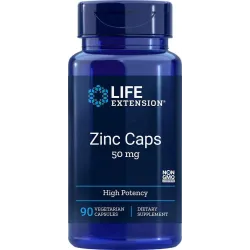
Zinc Caps
Price: 13,08 €Support your body's natural immune defenses Supports body’s natural immune... -
Super Omega-3 EPA/DHA with Sesame Lignans &...
Price: 40,41 €Get enough omega-3s Powerful cardiovascular and cognitive health support... -
Super Selenium Complex
Price: 12,83 €Supports cellular health with 3 forms of selenium Combines three unique... -
-
Optimized Quercetin
Price: 21,16 €Supports cellular health & immune function Promotes cellular health and... -
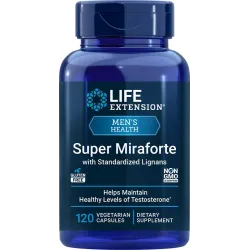
Super Miraforte with Standardized Lignans
Price: 56,91 €Maintain optimized testosterone levels Natural support for healthy... -
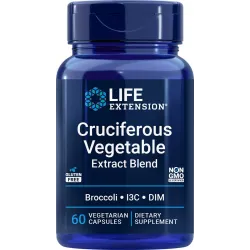
Triple Action Cruciferous Vegetable Extract
Price: 22,88 €Maintain healthy hormone levels and DNA Offers advanced cellular...
Related posts
-
 Optimal Prostate Defense Requires a Multi-Modal Strategy
As an aging man, your odds of suffering benign prostate enlargement (BPH) and/or prostate cancer are exceedingly...
Optimal Prostate Defense Requires a Multi-Modal Strategy
As an aging man, your odds of suffering benign prostate enlargement (BPH) and/or prostate cancer are exceedingly... -
Testosterone. Natural Methods to Improve Vitality, Sexual Function, and Prostate Health
As men grow older, they often face daunting health challenges caused by the age-related decline in testosterone...
-
Newly Discovered Anti-Aging Effects of Ginkgo Biloba
A review of the current scientific literature might suggest that ginkgo (Ginkgo biloba) is the ultimate natural...
-
The Inflammatory Factor Underlying Most Cancers
Implicated in the onset of 95% of all cancers is a common but under-recognized molecule most people have never heard...
-
Low Testosterone Promotes Abdominal Obesity in Aging Men
As men age, many become trapped in a vicious cycle that leads to life-threatening abdominal obesity. No matter how...