
 English
 Polski
 Deutsch
 Français
 ελληνικά
 Español
 Italiano
Optimal Prostate Defense Requires a Multi-Modal Strategy
 As an aging man, your odds of suffering benign prostate enlargement (BPH) and/or prostate cancer are exceedingly high.
BPH will afflict 50% of men over the course of their lives.1,2 At advanced stages, BPH can almost completely obstruct the urethral canal, leading to a host of lower urinary tract symptoms.3,4
Prostate cancer remains the second leading cause of cancer death in men, accounting for more than 28,000 deaths and 186,000 new cases in 2008 alone.5
This article reviews eight clinically supported interventions with outstanding safety records to protect prostate health.
Saw Palmetto—Front Line Defense!
Used by over 2 million men in the United States, saw palmetto (Serenoa repens) remains the front line fighter in natural prostate defense, with a substantial body of clinical investigation and support.6 Extracts from the ripe red berries of the plant are rich in bioactive plant-based compounds, including beta-sitosterol and a host of vital free fatty acids.7-9
The natural ingredients in saw palmetto benefit the prostate in several related ways. They inhibit enzymes that convert testosterone into dihydrotestosterone (DHT),10 a hormone that increases prostate growth and may promote cancer.11 They bind to DHT receptors on prostate cells, further reducing DHT’s potential negative impact.10 And they block certain transmitters that can aggravate lower urinary tract symptoms.10,12,13
 These multiple mechanisms account for saw palmetto’s therapeutic effects in managing BPH. In a summary of 18 clinical trials involving 2,939 men, saw palmetto alleviated lower urinary tract symptoms (LUTS) and urine flow measures more effectively than placebo.14 The same analysis also demonstrated that men taking saw palmetto had significantly less nighttime urination (nocturia). The analysis also indicated additional benefit by combining saw palmetto with other phytonutrient extracts, including nettle root and bark of the African plum tree Pygeum africanum.
When placed head-to-head against prescription drugs like finasteride (Proscar®) and tamsulosin (Flomax®), saw palmetto was as effective in improving urinary symptom scores and peak urinary flow rates.6,15,16 Of even greater interest, men given saw palmetto experienced a lower incidence of associated sexual dysfunction compared to those given pharmaceuticals!15
In fact, few adverse effects have ever been confirmed with saw palmetto extract.17
The complex of plant-based chemicals (phytosterols) in the saw palmetto berry has been shown to exert a suppressive effect on prostate cancer cells. Saw palmetto’s high beta-sitosterol content—along with other constituents within its phytosterol complex—inhibit prostate cancer cell proliferation by selectively arresting cell growth and inducing programmed cell death (apoptosis).9,18,19 The carotenoids contained in saw palmetto also act in tandem with this phytosterol complex to attack cancer cell membranes and slow tumor growth.8,19,20 Despite these impressive findings, saw palmetto should not be considered a primary treatment for prostate cancer.
- Adverse prostate conditions will affect at least half of all men after the age of 50, and 1 in 6 men will be diagnosed with prostate cancer during his lifetime—claiming as many as 28,000 lives each year in the United States.
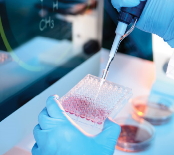
- Technological advances in extraction techniques optimize the already well-known benefits of saw palmetto extracts.
- Saw palmetto extracts possibly fight BPH and prostate cancer by directly blocking hormone conversion in prostate tissue, and by modifying expression of genes that contribute to cancer development.
- A diverse array of complementary, natural interventions operate across multiple pathways to disrupt prostate diseases at every stage in their development.
- Both alone and in combination, they can be as effective as pharmaceuticals—without undesirable side effects, including sexual dysfunction.
The Complementary Power of Nettle Root
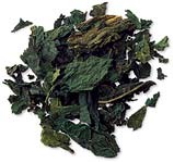 Controlled clinical research has demonstrated nettle extract’s power to counter and even reverse the effects of benign prostatic hypertrophy (BPH). In a double-blind, placebo-controlled study of 558 patients with BPH, nettle extract improved LUTS by 81%, compared with just 16% of controls.27 It also significantly increased peak urine flow rates comparedwith placebo.
When combined with saw palmetto, nettle root extract displays even more impressive effects on BPH. One large study found that the combination was as effective as the drug finasteride (Proscar®) at reducing symptom scores and increasing urine flow, but produced far fewer adverse events.28 Other studies have demonstrated the combination’s superior performance over placebo in trials lasting up to 96 weeks—with virtually no side effects.29
Nettle root extract may also fight prostate cancer, reducing cancer cell proliferation without affecting normal tissue.30 It blocks the enzymes that cancer cells need for rapid turnover.31 The lectins in nettle root extract—proteins involved in cell recognition—display a preference for cancer cells over healthy ones, enhancing nettle root’s ability to attack malignant cells and induce production of the cancer-suppressing cytokine interleukin-2 (IL-2).32 As with saw palmetto, nettle root extract alone is not sufficiently effective to be used as a curative treatment for prostate cancer.
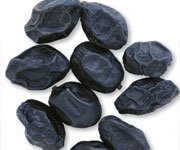 The harsh chemical processes and low-pressure techniques often used to extract the saw palmetto berry’s bioactive ingredients paradoxically destroy many of them. An advanced high-pressure CO2 extraction technology has been developed that delivers intact a far greater proportion of saw palmetto’s beneficial, high molecular-weight compounds. The result is a carotenoid-rich extract that most closely reflects the composition of mature saw palmetto berries compared to typical saw palmetto extracts. Carotenoids have demonstrated protective effects against variousprostate disorders.21-23
Potent Prevention with Flax and Norway Spruce Lignans
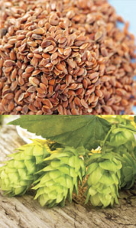 Plants evolved lignans to defend against disease. As it happens, their health-promoting benefits are passed on to us when ingested.33 Resident bacteria in our colon convert these plant lignans into the mammalian lignan enterolactone, a phytoestrogen that has been shown to suppress numerous cancers, particularly hormone-dependent types—including prostate and breast cancer.34-36 Lignans from flax, Norway spruce (Picea abies), and other sources may help prevent both BPH and prostate cancer.
Recent studies have revealed that flax seed lignan extract produces improvements in LUTS and quality of life, while also lowering plasma cholesterol and glucose concentrations.37,38
The evidence for their preventive power against prostate cancer is equally compelling. Foods high in plant lignans are associated with lower prostate cancer risk.39 Enterolactone derived from dietary plant lignans has been shown to induce apoptosis (cell death) in cultured human prostate cells.40,41 In a clinical setting, flax seed-supplemented diets generated favorable reductions in tumor proliferation rates in men with prostate cancer in as little as 30 days.42 Lignans derived from the Norway spruce have demonstrated powerful anti-cancer effects in an animal model of human prostate cancer, including smaller tumor volume and increased apoptosis.43
Novel Boswellia Extract
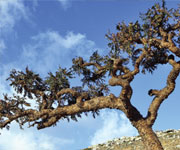 A novel extract from Boswellia serrata, also known as Indian frankincense, has demonstrated potential in prostate health protection.44 It acts as a powerful 5-lipoxygenase inhibitor. The enzyme 5-lipoxygenase (5-LOX) inflicts numerous adverse effects45 that have been implicated in prostate cancer development. Boswellia extract also favorably modulates gene expression, powerfully suppressing production of pro-inflammatory cytokines involved in BPH and prostate cancer.46,47 The anti-inflammatory effects of boswellia extracts have been demonstrated in human studies,48 making it an attractive component of BPH prevention.
Research further indicates that boswellia is particularly effective in controlling proliferation of prostate cancer cells. Inhibitors of 5-LOX induce apoptosis in prostate cancer cells through the aptly-named “death receptors” that trigger cancer cell suicide.49,50 This extract also blocks prostate cancer growth and proliferation in cell cultures.51 These effects are due in part to its ability to decrease the androgen receptors that many prostate cancers require to survive.52 Boswellia extracts also inhibit new blood vessel growth (angiogenesis), depriving malignant tissues of the nutrients and oxygen they need to metastasize.53
Saw palmetto extract is one of several natural compounds with clinically proven value in reducing symptoms of BPH and risk factors for prostate cancer.
Pygeum africanum
The bark of the African plum tree, Pygeum africanum, contains powerful compounds that support the health of prostate and bladder tissue.54 Pygeum extracts were proven effective against BPH in numerous open and placebo-controlled studies in the 1990’s, and pygeum is now recognized in Europe as a standard therapeutic option.55 Pygeum and beta-sitosterol in doses of 50-100 mg twice daily improve lower urinary tract symptoms and significantly increase urine flow rates, while decreasing residual urine volume in the bladder that can lead to urinary tract infections.56-59
Pygeum extracts also appear to offset the sexual dysfunction that often accompanies BPH and results in overall improvement in quality of life.60 One unique mode of action seems to be that pygeum extracts actually inhibit proliferation of the muscle and fibrous tissue in the prostate that help contribute to BPH in the first place.61,62 Adverse effects associated with pygeum are rare and mild,63 though some gastrointestinal upset has been reported.
Numerous studies have recently emerged demonstrating pygeum’s prostate cancer-fighting potential. Pygeum extracts block the male hormone (androgen) receptors that prostate cancer cells need to thrive.64 As with the other chemoprotective compounds reviewed in this article, pygeum has been shown to inhibit cancer cell growth and proliferation, while stimulating desired apoptosis (programmed death of cancer cells).65 And pygeum’s androgen-blocking constituents reduce cancer cells’ potential to invade healthy prostate tissue, reducing spread of dangerous tumors.66
Novel Flower Pollen Compound
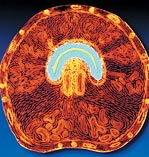
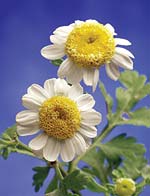 Over two decades of research have confirmed that a specific compound of flower pollens, called cernitin, possesses unique effects on prostate tissue.67-70 It relaxes certain smooth muscle tissues in the urinary tract,71 thus potentially alleviating lower urinary tract symptoms associated with BPH. It has been shown to significantly alleviate symptoms of bladder obstruction in men with BPH, while reducing residual urine volume and shrinking the size of the prostate itself.67 One major study found cernitin worked as well as six prescription drugs commonly used for BPH.72
Cernitin significantly decreased inflammatory cytokines and tissue inflammation in a rat model of nonbacterial prostatitis, a painful chronic condition that afflicts many men.73 This may render it an ideal candidate both for the management of BPH and for a complication of chronic prostatitis called chronic pelvic pain syndrome, which has proven difficult to treat with standard medication.74,75
In 2009, a multicenter, randomized, double-blind, placebo-controlled study showed that cernitin significantly improved measures of pain and quality of life in men with category III prostatitis/chronic pelvic pain syndrome, a prevalent condition for which no standardized treatment exists. Overall prostatitis symptom scores were also significantly reduced compared with placebo, without major side effects.76 Higher doses of cernitin appear to provide faster relief of symptoms.77
- Urinary hesitancy
- Urinary retention
- Painful urination
- Frequent urination
- Urinary tract infections
- Ejaculatory dysfunction
Unique Mineral Protection
 The trace element boron combats prostate cancer through a unique combination of underlying mechanisms. Calcium channel signaling is a major regulator of cancer cell proliferation, and yet has received little attention in cancer prevention. Higher boron levels in the blood lower the risk of prostate cancer by reducing intracellular calcium signals and storage.78 At normal concentrations, boron operates selectively, inhibiting prostate cancer cell proliferation while allowing healthy prostate cells to grow.79
In animal models boron supplementation inhibited growth of human prostate cancer cells and reduced the size of implanted tumors, reducing local expression of a vital growth factor—a cancer-fighting mechanism unique to boron.80 Another study demonstrated that when combined with phytosterols, boron amplifies the suppression of cancer cell growth.81
Several large human studies have shown that higher dietary boron intake lowers prostate cancer risk. In one study, men with the highest boron intake halved their prostate cancer risk compared to those with the least intake.82
 Highly-purified saw palmetto extracts benefit the prostate gland by blocking DHT production, regulating prostate cell growth. Compelling new evidence suggests that these same hormonal effects block and even partially reverse hair loss in men with common male pattern baldness!
In 2002, a group of leading-edge scientists recognized that saw palmetto’s DHT-blocking action might help in male pattern baldness. In a placebo-controlled, double-blind study, 60% of men receiving the active supplement showed significant improvement.95 A follow-up study suggests that in conjunction with specific anti-inflammatory compounds, saw palmetto may reduce expression of inflammatory genes in hair follicle cells, slashing hair loss risk.96
The causes of male pattern baldness are complex.100,101 In addition to the shrinkage of hair follicles accelerated by higher DHT levels,97,98 sustained microscopic inflammation of hair follicles and remodeling of connective tissue may contribute to making hair loss permanent. Saw palmetto has demonstrated significant reduction of inflammatory markers.96,102 Thus, if used before hair loss is advanced, saw palmetto may be an option for addressing the underlying causes of male pattern baldness.
Lycopene
 Lycopene is an antioxidant carotenoid found in tomatoes, watermelon, pink grapefruit, and guava. Multiple studies have found that higher intake of lycopene is associated with decreased cancer risk.83-87 It inhibits prostate cancer cell growth in culture, halting the reproductive cell cycle and inducing apoptosis.85,88 Lycopene possesses two unique chemopreventive features:
1. It interferes with internal sex hormone-regulated signaling among cancer cells to prevent coordinated growth.89 2. It disrupts DNA synthesis in growing prostate cell cultures, but also protects healthy DNA from damage.90,91
In an early human trial, lycopene improved post-surgical survival rates in aggressively treated patients with advanced prostate cancer, reducing levels of PSA, and shrinking both the primary tumor and metastases.92 More recent large-scale studies of men with prostate cancer showed that lycopene—alone or in combination with phytosterols and antioxidants—slowed and even halted rising PSA levels.93,94 A 2008 human study demonstrated that lycopene slows disease progression in men with BPH.22
 Unlike the multi-targeted benefits of natural compounds, prescription prostate drugs work through narrow, single-targeted mechanisms of action—with a significant array of side effects. These drugs fall into two principal categories.
5-Alpha Reductase Inhibitors. These drugs inhibit the enzyme that converts testosterone into its active dihydrotestosterone (DHT) form. Saw palmetto extracts work by the same mechanism, as well as many others—without the side effects of prescription drugs. Finasteride (Proscar®) and dutasteride (Avodart®) are the main players. Both are effective at reducing lower urinary tract symptoms (LUTS) in benign prostatic hypertrophy (BPH).103 Finasteride is also approved for use in male pattern baldness (marketed as Propecia®).99 Both are also undergoing clinical evaluation for prostate cancer prevention, though to date their efficacy have been uncertain or modest at best.104
While generally considered safe from a medical standpoint, these drugs have a troubling side effect profile, particularly related to their tendency to cause sexual problems such as erectile dysfunction (ED), ejaculatory dysfunction, decreased libido, and breast enlargement.105-107 ED is the most common and most troubling side effect.108 Because BPH itself can cause ED, it can be a difficult decision for men and their physicians about whether to start medication or not. A typical mainstream medical approach when faced with side effects from one drug is to add yet another drug109 (usually drugs belonging to the following category).
Alpha-adrenergic blockers. These prevent adrenaline from acting on adrenaline receptors in prostate tissue that contribute to BPH. Their sexual side effects are somewhat less pronounced than 5-alpha reductase blockers, with the exception of their impact on ejaculation. In a study of healthy volunteers, tamsulosin (Flomax®) markedly decreased ejaculation volume in almost 90% of subjects—and 35% were completely unable to ejaculate.107
Physicians who prescribe both categories of drugs generally recognize the importance of the sexual side effects that often accompany these drugs. Patients are advised to “consider the sexual dimension” in making treatment choices.107,110,111 Another approach is to consider the multi-targeted benefits of nutraceuticals, which are demonstrably free of these side effects—and may offer comparable benefits.6,15,16
Summary
Fifty percent of men will eventually suffer enlarged prostate from benign prostatic hyperplasia (BPH), and 1 in 6 men will be diagnosed with prostate cancer during his lifetime. These age-related changes are far from inevitable. Saw palmetto extract is one of several natural compounds with clinically proven value in reducing symptoms of BPH and risk factors for prostate cancer. Each works by uniquely different mechanisms to confer multiple benefits and effective protection. Through a combination of direct impact on prostate tissue and powerful modulation of gene expression, these compounds operate through synergistic and complementary modes of action, attacking BPH and prostate cancer on multiple fronts. Compared to single-target drugs that provide only partial relief (and come with undesirable side effects), these natural interventions provide aging men with a safe, low-cost, alternative—for lifelong prostate health.
Material used with permission of Life Extension. All rights reserved.
1. Baazeem A, Elhilali MM. Surgical management of benign prostatic hyperplasia: current evidence. Nat Clin Pract Urol. 2008 Oct;5(10):540-9.
2. Vahlensieck W, Jr. With alpha blockers, finasteride and nettle root against benign prostatic hyperplasia. Which patients are helped by conservative therapy? MMW Fortschr Med. 2002 Apr 18;144(16):33-6.
3. Roumeguere T, Zouaoui Boudjeltia K, et al. Is there a rationale for the chronic use of phosphodiesterase-5 inhibitors for lower urinary tract symptoms secondary to benign prostatic hyperplasia? BJU Int. 2009 Aug;104(4):511-7.
4. Hellstrom WJ, Giuliano F, Rosen RC. Ejaculatory dysfunction and its association with lower urinary tract symptoms of benign prostatic hyperplasia and BPH treatment. Urology. 2009 Jul;74(1):15-21.
5. Colli JL, Amling CL. Chemoprevention of prostate cancer: what can be recommended to patients? Curr Urol Rep. 2009 May;10(3):165-71.
6. Hizli F, Uygur MC. A prospective study of the efficacy of Serenoa repens, tamsulosin, and Serenoa repens plus tamsulosin treatment for patients with benign prostate hyperplasia. Int Urol Nephrol. 2007;39(3):879-86.
7. Abe M, Ito Y, Oyunzul L, Oki-Fujino T, Yamada S. Pharmacologically relevant receptor binding characteristics and 5alpha-reductase inhibitory activity of free Fatty acids contained in saw palmetto extract. Biol Pharm Bull. 2009 Apr;32(4):646-50.
8. Petrangeli E, Lenti L, Buchetti B, et al. Lipido-sterolic extract of Serenoa repens (LSESr, Permixon) treatment affects human prostate cancer cell membrane organization. J Cell Physiol. 2009 Apr;219(1):69-76.
9. Scholtysek C, Krukiewicz AA, Alonso JL, Sharma KP, Sharma PC, Goldmann WH. Characterizing components of the Saw Palmetto Berry Extract (SPBE) on prostate cancer cell growth and traction. Biochem Biophys Res Commun. 2009 Feb 13;379(3):795-8.
10. Gerber GS. Saw palmetto for the treatment of men with lower urinary tract symptoms. J Urol. 2000 May;163(5):1408-12.
11. Comhaire F, Mahmoud A. Preventing diseases of the prostate in the elderly using hormones and nutriceuticals. Aging Male. 2004 Jun;7(2):155-69.
12. Sultan C, Terraza A, Devillier C, et al. Inhibition of androgen metabolism and binding by a liposterolic extract of “Serenoa repens B” in human foreskin fibroblasts. J Steroid Biochem. 1984;23:515.
13. Goepel M, Hecker U, Krege S, Rübben H, Michel MC.Saw palmetto extracts potently and non-competitively inhibit human alpha1-adrenoceptors in vitro. Prostate. Feb1999;38(3):208-15.
14. Wilt TJ, Ishani A, Rutks I, MacDonald R. Phytotherapy for benign prostatic hyperplasia. Public Health Nutr. 2000 Dec;3(4A):459-72.
15. Fong YK, Milani S, Djavan B. Role of phytotherapy in men with lower urinary tract symptoms. Curr Opin Urol. 2005 Jan;15(1):45-8.
16. Engelmann U, Walther C, Bondarenko B, Funk P, Schlafke S. Efficacy and safety of a combination of sabal and urtica extract in lower urinary tract symptoms. A randomized, double-blind study versus tamsulosin. Arzneimittelforschung. 2006;56(3):222-9.
17. Avins AL, Bent S, Staccone S, et al. A detailed safety assessment of a saw palmetto extract. Complement Ther Med. 2008 Jun;16(3):147-54.
18. Yang Y, Ikezoe T, Zheng Z, Taguchi H, Koeffler HP, Zhu WG. Saw Palmetto induces growth arrest and apoptosis of androgen-dependent prostate cancer LNCaP cells via inactivation of STAT 3 and androgen receptor signaling. Int J Oncol. 2007 Sep;31(3):593-600.
19. Baron A, Mancini M, Caldwell E, Cabrelle A, Bernardi P, Pagano F. Serenoa repens extract targets mitochondria and activates the intrinsic apoptotic pathway in human prostate cancer cells. BJU Int. 2009 May;103(9):1275-83.
20. Wadsworth TL, Worstell TR, Greenberg NM, Roselli CE. Effects of dietary saw palmetto on the prostate of transgenic adenocarcinoma of the mouse prostate model (TRAMP). Prostate. 2007 May 1;67(6):661-73.
21. Anderson ML. A preliminary investigation of the enzymatic inhibition of 5alpha-reduction and growth of prostatic carcinoma cell line LNCap-FGC by natural astaxanthin and Saw Palmetto lipid extract in vitro. J Herb Pharmacother. 2005;5(1):17-26.
22. Schwarz S, Obermuller-Jevic UC, Hellmis E, Koch W, Jacobi G, Biesalski HK. Lycopene inhibits disease progression in patients with benign prostate hyperplasia. J Nutr. 2008 Jan;138(1):49-53.
23. Liu AG, Volker SE, Jeffery EH, Erdman JW. Feeding Tomato and Broccoli Powders Enriched with Bioactives Improves Bioactivity Markers in Rats. J Agric Food Chem. 2009 Aug 3.
24. Gansser D, Spiteller G. Plant constituents interfering with human sex hormone-binding globulin. Evaluation of a test method and its application to Urtica dioica root extracts. Z Naturforsch C. 1995 Jan-Feb;50(1-2):98-104.
25. Chrubasik JE, Roufogalis BD, Wagner H, Chrubasik S. A comprehensive review on the stinging nettle effect and efficacy profiles. Part II: urticae radix. Phytomedicine. 2007 Aug;14(7-8):568-79.
26. Lichius JJ, Renneberg H, Blaschek W, Aumuller G, Muth C. The inhibiting effects of components of stinging nettle roots on experimentally induced prostatic hyperplasia in mice. Planta Med. 1999 Oct;65(7):666-8.
27. Safarinejad MR. Urtica dioica for treatment of benign prostatic hyperplasia: a prospective, randomized, double-blind, placebo-controlled, crossover study. J Herb Pharmacother. 2005;5(4):1-11.
28. Sokeland J. Combined sabal and urtica extract compared with finasteride in men with benign prostatic hyperplasia: analysis of prostate volume and therapeutic outcome. BJU Int. 2000 Sep;86(4):439-42.
29. Lopatkin N, Sivkov A, Schläfke S, Funk P, Medvedev A, Engelmann U. Efficacy and safety of a combination of Sabal and Urtica extract in lower urinary tract symptoms–long-term follow-up of a placebo-controlled, double-blind, multicenter trial. Int Urol Nephrol. 2007;39(4):1137-46.
30. Konrad L, Muller HH, Lenz C, Laubinger H, Aumuller G, Lichius JJ. Antiproliferative effect on human prostate cancer cells by a stinging nettle root (Urtica dioica) extract. Planta Med. 2000 Feb;66(1):44-7.
31. Durak I, Biri H, Devrim E, Sozen S, Avci A. Aqueous extract of Urtica dioica makes significant inhibition on adenosine deaminase activity in prostate tissue from patients with prostate cancer. Cancer Biol Ther. 2004 Sep;3(9):855-7.
32. Kayser K, Bubenzer J, Kayser G, et al. Expression of lectin, interleukin-2 and histopathologic blood group binding sites in prostate cancer and its correlation with integrated optical density and syntactic structure analysis. Anal Quant Cytol Histol. 1995 Apr;17(2):135-42.
33. Lamblin F, Hano C, Fliniaux O, Mesnard F, Fliniaux MA, Laine E. Interest of lignans in prevention and treatment of cancers. Med Sci (Paris). 2008 May;24(5):511-9.
34. Chen LH, Fang J, Sun Z, et al. Enterolactone inhibits insulin-like growth factor-1 receptor signaling in human prostatic carcinoma PC-3 cells. J Nutr. 2009 Apr;139(4):653-9.
35. Wang LQ. Mammalian phytoestrogens: enterodiol and enterolactone. J Chromatogr B Analyt Technol Biomed Life Sci. 2002 Sep 25;777(1-2):289-309.
36. Hu C, Yuan YV, Kitts DD. Antioxidant activities of the flaxseed lignan secoisolariciresinol diglucoside, its aglycone secoisolariciresinol and the mammalian lignans enterodiol and enterolactone in vitro. Food Chem Toxicol. 2007 Nov;45(11):2219-27.
37. Zhang W, Wang X, Liu Y, et al. Effects of dietary flaxseed lignan extract on symptoms of benign prostatic hyperplasia. J Med Food. 2008 Jun;11(2):207-14.
38. Zhang W, Wang X, Liu Y, et al. Dietary flaxseed lignan extract lowers plasma cholesterol and glucose concentrations in hypercholesterolaemic subjects. Br J Nutr. 2008 Jun;99(6):1301-9.
39. Heald CL, Ritchie MR, Bolton-Smith C, Morton MS, Alexander FE. Phyto-oestrogens and risk of prostate cancer in Scottish men. Br J Nutr. 2007 Aug;98(2):388-96.
40. Hedelin M, Klint A, Chang ET, et al. Dietary phytoestrogen, serum enterolactone and risk of prostate cancer: the cancer prostate Sweden study (Sweden). Cancer Causes Control. 2006 Mar 6;17(2):169-80.
41. Chen LH, Fang J, Li H, Demark-Wahnefried W, Lin X. Enterolactone induces apoptosis in human prostate carcinoma LNCaP cells via a mitochondrial-mediated, caspase-dependent pathway. Mol Cancer Ther. 2007 Sep;6(9):2581-90.
42. Demark-Wahnefried W, Polascik TJ, George SL, et al. Flaxseed supplementation (not dietary fat restriction) reduces prostate cancer proliferation rates in men presurgery. Cancer Epidemiol Biomarkers Prev. 2008 Dec;17(12):3577-87.
43. Bylund A, Saarinen N, Zhang JX, et al. Anticancer effects of a plant lignan 7-hydroxymatairesinol on a prostate cancer model in vivo. Exp Biol Med (Maywood). 2005 Mar;230(3):217-23.
44. Ernst E. Frankincense: systematic review. BMJ. 2008;337:a2813.
45. Bishnoi M, Patil CS, Kumar A, Kulkarni SK. Protective effects of nimesulide (COX Inhibitor), AKBA (5-LOX Inhibitor), and their combination in aging-associated abnormalities in mice. Methods Find Exp Clin Pharmacol. 2005 Sep;27(7):465-70.
46. Roy S, Khanna S, Shah H, et al. Human genome screen to identify the genetic basis of the anti-inflammatory effects of Boswellia in microvascular endothelial cells. DNA Cell Biol. 2005 Apr;24(4):244-55.
47. Roy S, Khanna S, Krishnaraju AV, et al. Regulation of vascular responses to inflammation: inducible matrix metalloproteinase-3 expression in human microvascular endothelial cells is sensitive to antiinflammatory Boswellia. Antioxid Redox Signal. 2006 Mar-Apr;8(3-4):653-60.
48. Sengupta K, Alluri KV, Satish AR, et al. A double blind, randomized, placebo controlled study of the efficacy and safety of 5-Loxin for treatment of osteoarthritis of the knee. Arthritis Res Ther. 2008;10(4):R85.
49. Pommery N, Taverne T, Telliez A, et al. New COX-2/5-LOX inhibitors: apoptosis-inducing agents potentially useful in prostate cancer chemotherapy. J Med Chem. 2004 Dec 2;47(25):6195-206.
50. Lu M, Xia L, Hua H, Jing Y. Acetyl-keto-beta-boswellic acid induces apoptosis through a death receptor 5-mediated pathway in prostate cancer cells. Cancer Res. 2008 Feb 15;68(4):1180-6.
51. Buchele B, Zugmaier W, Estrada A, et al. Characterization of 3alpha-acetyl-11-keto-alpha-boswellic acid, a pentacyclic triterpenoid inducing apoptosis in vitro and in vivo. Planta Med. 2006 Nov;72(14):1285-9.
52. Yuan HQ, Kong F, Wang XL, Young CY, Hu XY, Lou HX. Inhibitory effect of acetyl-11-keto-beta-boswellic acid on androgen receptor by interference of Sp1 binding activity in prostate cancer cells. Biochem Pharmacol. 2008 Jun 1;75(11):2112-21.
53. Pang X, Yi Z, Zhang X, et al. Acetyl-11-keto-beta-boswellic acid inhibits prostate tumor growth by suppressing vascular endothelial growth factor receptor 2-mediated angiogenesis. Cancer Res. 2009 Jul 15;69(14):5893-900.
54. Wang D, Li Y, Hou G, et al. Pygeum africanum: effect on oxidative stress in early diabetes-induced bladder. Int Urol Nephrol. 2009 Jul 16.
55. Breza J, Dzurny O, Borowka A, et al. Efficacy and acceptability of tadenan (Pygeum africanum extract) in the treatment of benign prostatic hyperplasia (BPH): a multicentre trial in central Europe. Curr Med Res Opin. 1998;14(3):127-39.
56. Klippel KF, Hiltl DM, Schipp B. A multicentric, placebo-controlled, double-blind clinical trial of beta-sitosterol (phytosterol) for the treatment of benign prostatic hyperplasia. German BPH-Phyto Study group. Br J Urol. 1997 Sep;80(3):427-32.
57. Barlet A, Albrecht J, Aubert A, et al. Efficacy of Pygeum africanum extract in the medical therapy of urination disorders due to benign prostatic hyperplasia: evaluation of objective and subjective parameters. A placebo-controlled double-blind multicenter study. Wien Klin Wochenschr. 1990 Nov 23;102(22):667-73.
58. Berges RR, Windeler J, Trampisch HJ, Senge T. Randomised, placebo-controlled, double-blind clinical trial of beta-sitosterol in patients with benign prostatic hyperplasia. Beta-sitosterol Study Group. Lancet. 1995 Jun 17;345(8964):1529-32.
59. Berges RR, Kassen A, Senge T. Treatment of symptomatic benign prostatic hyperplasia with beta-sitosterol: an 18-month follow-up. BJU Int. 2000 May ;85(7):842-6.
60. Carani C, Salvioli V, Scuteri A, et al. Urological and sexual evaluation of treatment of benign prostatic disease using Pygeum africanum at high doses. Arch Ital Urol Nefrol Androl. 1991 Sep;63(3):341-5.
61. Edgar AD, Levin R, Constantinou CE, Denis L. A critical review of the pharmacology of the plant extract of Pygeum africanum in the treatment of LUTS. Neurourol Urodyn. 2007;26(4):458-63; discussion 464.
62. Boulbes D, Soustelle L, Costa P, et al. Pygeum africanum extract inhibits proliferation of human cultured prostatic fibroblasts and myofibroblasts. BJU Int. 2006 Nov;98(5):1106-113.
63. Chatelain C, Autet W, Brackman F. Comparison of once and twice daily dosage forms of Pygeum africanum extract in patients with benign prostatic hyperplasia: a randomized, double-blind study, with long-term open label extension. Urology. 1999 Sep;54(3):473-8.
64. Schleich S, Papaioannou M, Baniahmad A, Matusch R. Extracts from Pygeum africanum and other ethnobotanical species with antiandrogenic activity. Planta Med. 2006 Jul;72(9):807-13.
65. Shenouda NS, Sakla MS, Newton LG, et al. Phytosterol Pygeum africanum regulates prostate cancer in vitro and in vivo. Endocrine. 2007 Feb;31(1):72-81.
66. Papaioannou M, Schleich S, Prade I, et al. The natural compound atraric acid is an antagonist of the human androgen receptor inhibiting cellular invasiveness and prostate cancer cell growth. J Cell Mol Med. 2008 Jul 4.
67. Buck AC, Cox R, Rees RW, Ebeling L, John A. Treatment of outflow tract obstruction due to benign prostatic hyperplasia with the pollen extract, cernilton. A double-blind, placebo-controlled study. Br J Urol. 1990 Oct;66(4):398-404.
68. MacDonald R, Ishani A, Rutks I, Wilt TJ. A systematic review of Cernilton for the treatment of benign prostatic hyperplasia. BJU Int. 2000 May;85(7):836-41.
69. Shaplygin LV, Sivakov AA. Use of cernilton in the therapy of prostatic adenoma and chronic prostatitis. Urologiia. 2007 May-Jun(3):35-7, 39.
70. Aslamazov EG, Akhvlediani ND, Vinarov AZ, Aliaev Iu G. Cernilton in the treatment of prostatic adenoma and chronic prostatitis. Urologiia. 2007 Jan-Feb;(1):52, 54-6.
71. Nakase K, Takenaga K, Hamanaka T, Kimura M. Inhibitory effect and synergism of cernitin pollen extract on the urethral smooth muscle and diaphragm of the rat. Nippon Yakurigaku Zasshi. 1988 Jun;91(6):385-92.
72. Li NC, Wu SL, Jin J, et al. Comparison of different drugs on the treatment of benign prostate hyperplasia. Zhonghua Wai Ke Za Zhi. 2007 Jul 15;45(14):947-50.
73. Asakawa K, Nandachi N, Satoh S, et al. Effects of cernitin pollen-extract (Cernilton) on inflammatory cytokines in sex-hormone-induced nonbacterial prostatitis rats. Hinyokika Kiyo. 2001 Jul;47(7):459-65.
74. Potts JM. Therapeutic options for chronic prostatitis/chronic pelvic pain syndrome. Curr Urol Rep. 2005 Jul;6(4):313-7.
75. Nickel JC. Treatment of chronic prostatitis/chronic pelvic pain syndrome. Int J Antimicrob Agents. 2008 Feb;31 Suppl 1:S112-6.
76. Wagenlehner FM, Schneider H, Ludwig M, Schnitker J, Brahler E, Weidner W. A pollen extract (cernilton) in patients with inflammatory chronic prostatitis-chronic pelvic pain syndrome: a multicentre, randomised, prospective, double-blind, placebo-controlled Phase 3 study. Eur Urol. 2009 Jun 3.
77. Xu J, Qian WQ, Song JD. A comparative study on different doses of cernilton for preventing the clinical progression of benign prostatic hyperplasia. Zhonghua Nan Ke Xue. 2008 Jun;14(6):533-7.
78 Henderson K, Stella SL, Kobylewski S, Eckhert CD. Receptor activated Ca(2+) release is inhibited by boric acid in prostate cancer cells. PLoS One. 2009;4(6):e6009.
79. Barranco WT, Eckhert CD. Boric acid inhibits human prostate cancer cell proliferation. Cancer Lett. 2004 Dec 8;216(1):21-9.
80. Gallardo-Williams MT, Chapin RE, King PE, et al. Boron supplementation inhibits the growth and local expression of IGF-1 in human prostate adenocarcinoma (LNCaP) tumors in nude mice. Toxicol Pathol. 2004 Jan-Feb;32(1):73-8.
81. Barranco WT, Hudak PF, Eckhert CD. Evaluation of ecological and in vitro effects of boron on prostate cancer risk (United States). Cancer Causes Control. 2007 Feb;18(1):71-7.
82. Cui Y, Winton MI, Zhang ZF, et al. Dietary boron intake and prostate cancer risk. 2004 Apr;11(4):887-92.
83. Rao AV, Fleshner N, Agarwal S. Serum and tissue lycopene and biomarkers of oxidation in prostate cancer patients: a case-control study. Nutr Cancer. 1999;33(2):159-64.
84. Giovannucci E, Rimm EB, Liu Y, Stampfer MJ, Willett WC. A prospective study of tomato products, lycopene, and prostate cancer risk. J Natl Cancer Inst. 2002 Mar 6;94(5):391-8.
85. Kim L, Rao AV, Rao LG. Effect of lycopene on prostate LNCaP cancer cells in culture. J Med Food. 2002 Winter;5(4):181-7.
86. Etminan M, Takkouche B, Caamano-Isorna F. The role of tomato products and lycopene in the prevention of prostate cancer: a meta-analysis of observational studies. Cancer Epidemiol Biomarkers Prev. 2004 Mar;13(3):340-5.
87. Wu K, Erdman JW, Jr., Schwartz SJ, et al. Plasma and dietary carotenoids, and the risk of prostate cancer: a nested case-control study. Cancer Epidemiol Biomarkers Prev. 2004 Feb;13(2):260-9.
88. Hwang ES, Bowen PE. Cell cycle arrest and induction of apoptosis by lycopene in LNCaP human prostate cancer cells. J Med Food. 204 Fall;7(3):284-9.
89. Siler U, Barella L, Spitzer V, et al. Lycopene and vitamin E interfere with autocrine/paracrine loops in the Dunning prostate cancer model. FASEB J. 2004 Jun;18(9):1019-21.
90. Barber NJ, Zhang X, Zhu G, et al. Lycopene inhibits DNA synthesis in primary prostate epithelial cells in vitro and its administration is associated with a reduced prostate-specific antigen velocity in a phase II clinical study. Prostate Cancer Prostatic Dis. 2006;9(4):407-13.
91. Ellinger S, Ellinger J, Muller SC, Stehle P. Tomatoes and lycopene in prevention and therapy–is there an evidence for prostate diseases? Aktuelle Urol. 2009 Jan;40(1):37-43.
92. Ansari MS, Gupta NP. A comparison of lycopene and orchidectomy vs orchidectomy alone in the management of advanced prostate cancer. BJU Int. 2003 Sep;92(4):375-8; discussion 378.
93. Schroder FH, Roobol MJ, Boeve ER, et al. Randomized, double-blind, placebo-controlled crossover study in men with prostate cancer and rising PSA: effectiveness of a dietary supplement. Eur Urol. 2005 Dec;48(6):922-30; discussion 930-921.
94. Vaishampayan U, Hussain M, Banerjee M, et al. Lycopene and soy isoflavones in the treatment of prostate cancer. Nutr Cancer. 2007;59(1):1-7.
95. Prager N, Bickett K, French N, Marcovici G. A randomized, double-blind, placebo-controlled trial to determine the effectiveness of botanically derived inhibitors of 5-alpha-reductase in the treatment of androgenetic alopecia. J Altern Complement Med. 2002 Apr;8(2):143-52.
96. Chittur S, Parr B, Marcovici G. Inhibition of Inflammatory Gene Expression in Keratinocytes Using a Composition Containing Carnitine, Thioctic Acid and Saw Palmetto Extract. Evid Based Complement Alternat Med. 2009 Aug 19.
97. Trueb RM. Molecular mechanisms of androgenetic alopecia. Exp Gerontol. 2002 Aug-Sep;37(8-9):981-90.
98. Trueb RM. Association between smoking and hair loss: another opportunity for health education against smoking? Dermatology. 2003;206(3):189-91.
99. Kaufman KD, Olsen EA, Whiting D, et al. Finasteride in the treatment of men with androgenetic alopecia. Finasteride Male Pattern Hair Loss Study Group. J Am Acad Dermatol. 1998 Oct;39(4 Pt 1):578-89.
100. Kaufman KD, Dawber RP. Finasteride, a Type 2 5alpha-reductase inhibitor, in the treatment of men with androgenetic alopecia. Expert Opin Investig Drugs. 1999 Apr;8(4):403-15.
101. Ihm CW, Hong SS, Mun JH, Kim HU. Histopathological pictures of the initial changes of the hair bulbs in alopecia areata. Am J Dermatopathol. 2004 Jun;26(3):249-53.
102. Vela Navarrete R, Garcia Cardoso JV, Barat A, Manzarbeitia F, López Farré A. BPH and inflammation: pharmacological effects of Permixon on histological and molecular inflammatory markers. Results of a double blind pilot clinical assay. Eur Urol. 2003 Nov;44(5):549-55
103. Aggarwal S, Thareja S, Verma A, Bhardwaj TR, Kumar M. An overview on 5alpha-reductase inhibitors. Steroids. 2009 Oct 30.
104. Thüer D, Pfister D, Epplen R, Brehmer B, Heidenreich A. Do alpha-reductase inhibitors prevent prostate cancer? 2008 Practice Guideline from the American Society of Clinical Oncology and American Urological Association. Pol Arch Med Wewn. 2009 Oct;119(10):648-53.
105. Kuritzky L. Noninvasive management of lower urinary tract symptoms and sexual dysfunction associated with benign prostatic hyperplasia in the primary care setting. Compr Ther. 2005 Fall;31(3):194-208.
106. Rosen RC, Giuliano F, Carson CC. Sexual dysfunction and lower urinary tract symptoms (LUTS) associated with benign prostatic hyperplasia (BPH). Eur Urol. 2005 Jun;47(6):824-37.
107. Giuliano F. Impact of medical treatments for benign prostatic hyperplasia on sexual function. BJU Int. 2006 Apr;97 Suppl 2:34-8; discussion 44-35.
108. Erdemir F, Harbin A, Hellstrom WJ. 5-alpha reductase inhibitors and erectile dysfunction: the connection. J Sex Med. 2008 Dec;5(12):2917-24.
109. Marihart S, Harik M, Djavan B. Dutasteride: a review of current data on a novel dual inhibitor of 5alpha reductase. Rev Urol. 2005 Fall;7(4):203-10.
110. Miner M, Rosenberg MT, Perelman MA. Treatment of lower urinary tract symptoms in benign prostatic hyperplasia and its impact on sexual function. Clin Ther. 2006 Jan;28(1):13-25.
111. Watson V, Ryan M, Brown CT, Barnett G, Ellis BW, Emberton M. Eliciting preferences for drug treatment of lower urinary tract symptoms associated with benign prostatic hyperplasia. J Urol. 2004 Dec;172(6 Pt 1):2321-5.
Related products
-
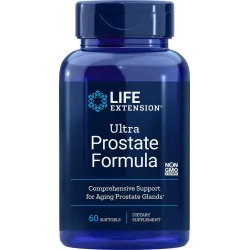
Ultra Prostate Formula
Price: 32,02 €Next-generation prostate protection Supports prostate health with... -
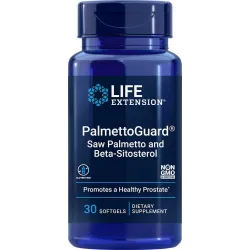
PalmettoGuard® Saw Palmetto and Beta-Sitosterol
Price: 14,51 €Supports healthy prostate function & hormone metabolism Supports men’s...
Related posts
-
 Is Conventional Pomegranate Extract Enough?
An abundance of clinical data has established pomegranate as a broad-spectrum, multi-modal defense against the...
Is Conventional Pomegranate Extract Enough?
An abundance of clinical data has established pomegranate as a broad-spectrum, multi-modal defense against the... -
Lipoic Acid Reverses Mitochondrial Decay
It is estimated that 85% of the oxygen contained in every breath you take is consumed by the mitochondria within each...
-
Vitamin C and Dihydroquercetin
Every day, our bodies are under continual assault by damaging agents known as free radicals. Generally, both internal...
-
How Resveratrol Combats Leading Causes of Death
In 1997, the first scientific paper on resveratrol was published showing that this polyphenol could prevent cancer in...
-
Autoimmune Diseases part 1
Autoimmune diseases are characterized by the body's immune responses being directed against its own tissues, causing...