
 English
 Polski
 Deutsch
 Français
 ελληνικά
 Español
 Italiano
The Little-Known Benefits Of Tocotrienols
 If your vitamin E supplement contains only tocopherol forms, you may not be getting all of the benefits this nutrient has to offer. While tocopherols are very important, they lack many of the synergistic benefits offered by their cousins, the tocotrienols.
Few people realize that vitamin E is composed of eight different compounds. Half of these are called tocopherols, which is the most common form of vitamin E. The other half are known as tocotrienols.
Scientists are discovering that tocotrienols provide valuable therapeutic and preventive options for the diseases of aging that tocopherols alone may not provide.
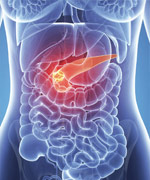
For example, researchers found that tocotrienols given to mice with pancreatic cancer significantly improved their survival. Only 10% of animals in the control group survived for the study period while 70% of those taking tocotrienols survived!1 Pancreatic cancer is a particularly fast-moving and lethal form of cancer, and this study presents a promising new treatment option.
Beyond cancer, research is showing that tocotrienols have a place in reducing important risk factors for some of the most lethal chronic diseases. For example, tocotrienols have been found to promote new artery formation after a stroke, lower homocysteine levels, improve insulin sensitivity, protect vital brain circuitry, and even prevent bone loss.2-5
In addition, tocotrienols have powerful lipid-lowering, anticancer, and neuroprotective properties that tocopherols lack.6,7
These recent investigations into this overlooked form of vitamin E are providing new strategies to fend off multiple risk factors to ensure optimal health.
Tocotrienols And Cancer
 For many years, studies of vitamin E produced inconsistent results regarding its effect on cancer. It is now thought that this inconsistency was likely due to the widespread use of alpha-tocopherol alone in such studies.8 We now know that alpha-tocopherol has weak anticancer activity, while tocotrienols are more potent cancer-preventive agents.8-10
In a recent finding that stunned researchers, tocotrienol supplementation was found to dramatically extend the life span of mice with pancreatic cancer.8 Pancreatic cancer is among the most aggressive and deadly human cancers, with survival times typically counted only in months.11,12 The 2013 study showed that after 16 weeks of treatment, just 10% of placebo-treated mice remained alive, while 30% survived in a group treated with gemcitabine, a standard chemotherapy drug. However, a remarkable 70% of mice had survived in the tocotrienol group. Combination treatment with gemcitabine and tocotrienols produced a remarkable 90% survival rate.1
Tocotrienols are the ultimate multi-targeting nutrient when it comes to cancer. Their actions affect virtually every step in the progression of cancer.13 They share antioxidant effects with tocopherols, but there seems to be a considerable amount of anticancer action that is unrelated to antioxidant actions.13,14
| Effect | Result |
| Apoptosis (programmed cell death) | Tumor-cell death |
| Cell cycle arrest | Slows tumor growth |
| Inhibit new blood vessel growth (angiogenesis) | Starves tumor of nutrients and oxygen |
| Inhibit HMG-CoA reductase enzyme | Inhibits metastasis65 |
| Decreases expression of cancer causing genes | Prevents initiation of cancer |
| Increases the expression of genes that suppress cancer | Prevents initiation and progression of cancer |
 Tocotrienols impact several factors that tumors need for their development and growth.
Tocotrienols have been shown to inhibit the growth of new blood vessels to rapidly growing tumors and inhibit growth and proliferation of cancer cells.9,15 Tocotrienols also sensitize cancer cells to the effects of standard chemotherapy, and astonishingly, appear capable of combating cancer stem cells, which are highly resistant to standard chemotherapy and contribute to cancer recurrences.9 They also blunt the impact of chemical carcinogens in animal studies.16
Tocotrienols also trigger apoptosis, which is the programmed cancer cell death that can prevent a tumor from ever getting a toe-hold in the body. Apoptosis is also vital in shrinking existing tumors, a factor that may account for the growing use of tocotrienols (alone or with conventional chemotherapy drugs) in patients with existing cancers.14,17
Tocotrienols have another rather unusual mechanism for fighting cancer. They appear to block an enzyme that cancer cells need for invasion and metastasis. This enzyme, called HMG-CoA reductase, is the same enzyme blocked by statin drugs.2 In fact, the combination of tocotrienols with the statin drug atorvastatin (Lipitor®) was recently shown to greatly increase inhibition of cancer cell growth.18
- Typical vitamin E supplements contain only alpha-tocopherol, the best known member of the eight-member vitamin E family.
- But tocopherols, while important nutrients, lack some of the additional benefits offered by their cousins, the tocotrienols.
- By virtue of small but important structural differences, tocotrienols can get more involved in profound biological processes, such as modulating gene expressions and regulating vital enzyme functions.
- Tocotrienols have potent anticancer and anti-diabetes abilities, as well as cardio-, neuro-, liver-, and bone-protective actions based on their unique functions in the body.
- It is now apparent that studies showing little or no effect from vitamin E supplementation failed in part because they used only alpha-tocopherol, rather than also including other tocopherols and tocotrienols.
Tocotrienols For Cardiovascular Disease And Stroke
Tocotrienols offer many important complementary benefits to the tocopherol form of vitamin E, such as: 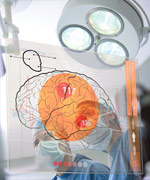
1. Improving Lipid Profiles
Tocotrienols help lower plasma cholesterol levels by blocking HMG-CoA reductase. This enzyme is a rate-limiting step in producing cholesterol, so blocking it is an effective means of lowering cholesterol levels. In fact, the common statin drugs used for lowering lipid levels also operate by inhibiting HMG-CoA reductase, although they do so by a different mechanism.4,19-21
Human research shows that tocotrienol supplementation can lower total serum lipids by up to 23%, total cholesterol by 30% , and LDL (bad) cholesterol by 42%. Not all human studies show this dramatic reduction in LDL and cholesterol.22 And animal studies demonstrate significant reductions in lipids, with the added benefit of reducing lipid oxidation; a precursor to the arterial damage that leads to stroke and heart attacks.23
Tocotrienols also can lower dangerous forms of apolipoproteins, which are lipid-carrying proteins that can increase cardiovascular risk.24 Alpha tocopherol has no effect on serum lipids.25
2. Reducing Homocysteine
Tocotrienols have also been found to reduce blood levels of homocysteine, another important contributor to cardiovascular disease.
When scientists used a tocotrienol-rich fraction in a rat study to reduce plasma homocysteine and heart oxidative stress, they discovered that it proved more powerful than folate, the standard homocysteine-reducing vitamin.2
And in rabbits, tocotrienol supplementation after a high-fat diet significantly lowered a host of markers of both inflammation and heart muscle damage.26
3. Protecting Against Ischemia
If a vessel does become blocked, tocotrienols offer potent resistance to the loss of blood flow known as ischemia, which is generally involved in the development of heart attack or stroke.26 This was powerfully demonstrated in a study of rabbits, in which supplementation not only lowered their lipids, but also protected their heart muscle from damage by ischemia induced in the laboratory. This was especially true of the alpha- and gamma-tocotrienol, which reduced the area of heart muscle damage significantly.26
4. Guarding Against Stroke-Related Brain Damage
Acute ischemic stroke (reduced blood flow to an area of the brain) remains a leading cause of death and disability worldwide.27 Oral tocotrienols have been shown to protect against and minimize stroke-related brain damage in animal models.3,6,27,28 This protection is the result of several independent mechanisms. Tocotrienols work by:
- Slowing the conversion of arachidonic acid (the most abundant brain fatty acid) into pro-inflammatory molecules, thereby reducing the inflammation that arises after an acute stroke.28,29
- Reducing the effects of specific oxidant damage-inducing molecules in brain tissue.3
- Increasing the recruitment of arterioles to rapidly restore blood flow to areas injured by stroke.4
5. Improving Metabolic Syndrome
In an exciting look ahead at what the future may hold in human studies, preclinical research has shown that tocotrienols can reverse many changes seen in metabolic syndrome, including improving lipid profiles, reducing atherosclerotic lesions, lowering blood glucose and markers of glycation, normalizing blood pressure, and inhibiting new fat deposits.30,31 At the functional level, tocotrienols improve heart muscle function, improve glucose and insulin tolerance, and reduce infiltration of inflammatory cells into heart muscle.30
Tocotrienols And Diabetes
 Diabetes accelerates aging through a variety of mechanisms. In fact, 80% of diabetic patients will die of an atherosclerotic event such as a heart attack or a stroke, making it especially important to address the factors involved in diabetes.22 Fortunately, a number of animal studies demonstrate that tocotrienols offer hope for patients suffering from this disease.
Tocotrienols have been found to improve blood sugar and kidney function in diabetic animals.32 This effect has been attributed to their sugar- and lipid-lowering effects, and to their ability to modulate specific growth factors that prevent fibrous proteins from being deposited in kidney tissue.33
Other studies have shown that tocotrienols improve insulin sensitivity and whole-body sugar utilization in a similar way as some expensive diabetes drugs (through activation of the metabolic sensors known as peroxisome proliferator-activated receptors or PPARs).34
And a tocotrienol-rich diet reduced the attack of sugar on tissues (glycation), even in non-diabetic rats. In diabetic rats, it improved blood sugar control as well as glycation.35
Because diabetes also attacks the nerves, it eventually produces neuropathy, a potentially painful condition that has resisted many attempts to treat it with drugs. In diabetic rats with neuropathy, tocotrienol supplementation substantially reduced pain behaviors and biochemical changes seen in neuropathy.36
Tocotrienols And Liver Disease
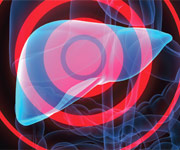 In addition to growing indications that tocotrienols are effective against liver cancer,17 there is compelling evidence of their effectiveness in treating non-alcoholic fatty liver disease (NAFLD). In NAFLD, fat is deposited in the liver and can lead to hepatitis, liver failure, or even cancer.37
In a randomized clinical trial, 87 adults with high cholesterol and NAFLD received either mixed tocotrienols (200 mg twice daily) or placebo.38
After one year, supplemented patients had a significantly greater rate of normalization of their liver tissue on ultrasound than did control patients. The rate of remission was also significantly higher in treated patients than in control patients, while NAFLD worsened in two controls but didn’t worsen in any of the supplemented patients. This is the first clinical study ever to show liver protective effects in NAFLD patients using tocotrienols.38
Another study showed that oral tocotrienols delayed progression of end-stage liver disease in 50% of liver transplant patients, compared with just 20% in a group treated with alpha-tocopherol.39 The study also demonstrated good tissue penetration of oral tocotrienols in humans, countering previous reports of poor bioavailability.
 Vitamin E was first discovered in 1938 as a “fertility factor.”61 During the ensuing years, it was discovered that vitamin E was an antioxidant with value in many different body systems.
Vitamin E can be divided into two groups: tocopherols, which is the most well-known form of vitamin E, and the lesser-known tocotrienols.6,7
The tocopherol group has received the most attention since the vitamin’s discovery. This group contains members called alpha-, beta-, gamma-, and delta-tocopherol.7 They are all important nutrients.
The second group in the vitamin E family is the tocotrienols, which until recently received little scientific attention. Even today, less than 1% of the literature on vitamin E is devoted to tocotrienols. The family resemblance is still close: Tocotrienols exist in the same four configurations (alpha, beta, gamma, and delta), and differ from their respective tocopherol cousins only by a few chemical bonds.62 But those small differences make for differences in function.
Tocotrienols and tocopherols are both antioxidants, but the antioxidant activity of tocotrienols is several times more than tocopherol.62,63 Beyond that, tocotrienols modify gene expression, inhibit various enzymes, and carry out functions that tocopherols can’t perform.
Tocotrienols have potent anticancer and anti-diabetes abilities, as well as cardio-, neuro-, liver-, and bone-protective actions based on their unique functions in the body.
Tocotrienols For Neuroprotection
 Oxidation, inflammation, and toxicity resulting from normal brain cell activity are all involved in the terrifying progression of cognitive decline. That’s why there has been so much interest in vitamin E in general, with its antioxidant effect, and more recently in tocotrienols, with their ability to regulate a wide variety of genes and signaling molecules.
Patients with Alzheimer’s disease and those with mild cognitive impairment are more likely than healthy people to have low blood tocopherol and tocotrienol levels.40 Conversely, very old people with higher levels of tocotrienols in their blood have a 64% reduced risk of having Alzheimer’s.41 Tocotrienols are incredibly effective at protecting vital brain circuitry in these conditions.
Animal studies demonstrate the remarkable neuroprotection offered by tocotrienols. A tocotrienol-rich fraction not only protected rats from free-radical-induced brain cell death, but it also reduced DNA damage in brain cells, and improved the animals’ performance on various cognitive tests such as mazes and swimming challenges.42
Alpha-tocotrienol is the most potent neuroprotective form of natural vitamin E.3 It is so incredibly potent that concentrations in the nanomole to attomole range (one-billionth to one-billion-billionth of a mole) block brain cell death caused by prolonged excitatory stimulation by the neurotransmitter glutamate.43-45 Oral supplementation in humans results in tocotrienol plasma concentrations of 3 micromolar; that’s billions of times higher than the concentrations needed in the lab.46
Tiny concentrations of tocotrienols, when administered before neurotoxins, led to a sharp reduction in brain cell damage, restoring their normal growth and viability in the laboratory.43,47 Most importantly, tocotrienol treatment of cultured brain cells under oxidative stress restores neurites, which are tiny projections off the cell that allow for normal cell-to-cell communication.48,49
Tocotrienols modulate many different cardioprotective mechanisms. They have been shown to:25 
- Reduce plasma levels of C-reactive protein (CRP), which is both a marker of and a cause in the inflammatory response that damages heart and blood vessels.
- Reduce other inflammatory mediators such as cytokines.
- Reduce advanced glycation end products (AGEs) arising from elevated blood sugar that damage vessels and tissues.
- Reduce expression of adhesion molecules that cause platelets and white blood cells to stick to vessel walls, potentially blocking them.
- Suppress expression of matrix metalloproteinases (MMPs) involved in the spread of certain cancers.
- Reduce risk factors for destabilizing atherosclerotic plaques (such plaques, when unstable, readily burst, often blocking the artery and producing heart attack or stroke).
- Reduce ischemia/perfusion injury to brain and heart muscle; this kind of injury subjects already vulnerable tissues to a blast of oxygen radicals, just when the tissue was beginning to heal.64
- Suppress, regress, and slow the progression of atherosclerosis.
Tocotrienols For Bone Health
 Tocotrienols are rapidly emerging as major contributors to greater bone density and major inhibitors of bone loss.
Postmenopausal women are the leading sufferers of osteoporosis, though older men develop some degree of abnormal bone loss as well.50 Long-term anti-inflammatory corticosteroid treatment is an increasingly common cause of bone loss. In addition, research suggests bone loss may be triggered by elevated cortisol levels from stress or smoking.51,52
A host of studies has now established that tocotrienols can prevent, and even reverse, bone loss and promote fracture healing in animal models of osteoporosis from many different causes, including menopause and steroid treatment.53-55 The mechanisms are surprisingly well-understood.
Tocotrienols are potent antioxidants, which appear to reduce the oxidant-induced inflammation that contributes to bone loss.56-58 Tocotrienols also upregulate genes related to new bone formation, while suppressing inflammatory signaling that generates bone destruction; this activity is not shared by tocopherols.59
As we mentioned earlier, tocotrienols inhibit the enzyme HMG-CoA reductase, which is associated with cholesterol production.20 HMG-CoA reductase is also profoundly involved in osteoporosis, favoring bone-resorbing cells over bone-forming ones. By inhibiting HMG-CoA reductase, tocotrienols prevent excessive bone resorption (bone breakdown) and promote new bone formation.50,59,60
Since statins are also powerful HMG-CoA reductase inhibitors, combining statins with tocotrienols has been found to be especially beneficial for bone health. Animal studies have found that combining statins with tocotrienols potentially reduces the statin dose needed—therefore limiting the potential side effects of statins as well.50,60
 Basic laboratory and animal studies have long supported a role for tocotrienols in protecting brain cells and tissue from the ravages of aging.66 In these studies, tocotrienols have been closely linked to neuroprotection through their potent antioxidant properties, as well as their ability to redirect the production of inflammatory molecules to non- or even anti-inflammatory actions.67,68
Now, for the first time, these pre-clinical studies have been compellingly validated in a human study of a pervasive form of brain aging known as leukoaraiosis, or white matter lesions.1 In this condition, damage to the endothelial lining of small arteries in the brain is thought to produce tiny areas of poor blood flow, resulting in the condition known as vascular cognitive impairment.69,70 If it progresses, stroke, cognitive impairment, gait disturbances, and other conditions may follow.69-71
In a study released in April of 2014, researchers randomly assigned a group of volunteers with known cardiovascular risk factors and confirmed white matter lesions in their brains to receive either placebo or a twice-daily dose of 200 mg mixed tocotrienols.66 The study lasted two years.
In the placebo group, as expected, the mean volume of the white matter lesions increased over the two-year study period. But in the tocotrienol group, the volume of lesions remained unchanged, and the differences between the groups was statistically significant.66 No adverse effects, including changes in blood chemistry, were observed.
This study is a “first-ever,” then, for two reasons. It is not only the first time that tocotrienol supplementation has been confirmed to be neuroprotective in living human patients, it is also the first demonstration that a simple nutritional therapy can slow progression of the white matter lesions, which many neurologists suspect lies at the root of the tragic and progressive loss of cognition suffered by so many aging adults.
Summary
Tocotrienols are potent gene regulators and modulators of many enzymes involved in human health, helping to quash the inflammation, glycation, and other processes that contribute to age-related diseases.
Tocotrienols are increasingly being recognized for their potential roles in protecting against cancer, heart disease, stroke, diabetes, liver disease, neurodegenerative diseases, and even osteoporosis.
Material used with permission of Life Extension. All rights reserved.
- Husain K, Centeno BA, Chen DT, Hingorani SR, Sebti SM, Malafa MP. Vitamin E delta-tocotrienol prolongs survival in the LSL-KrasG12D/+;LSL-Trp53R172H/+;Pdx-1-Cre (KPC) transgenic mouse model of pancreatic cancer. Cancer Prev Res (Phila). 2013 Oct;6(10):1074-83.
- Norsidah KZ, Asmadi AY, Azizi A, Faizah O, Kamisah Y. Palm tocotrienol-rich fraction reduced plasma homocysteine and heart oxidative stress in rats fed with a high-methionine diet. J Physiol Biochem. 2013 Sep;69(3):441-9.
- Park HA, Kubicki N, Gnyawali S, et al. Natural vitamin E alpha-tocotrienol protects against ischemic stroke by induction of multidrug resistance-associated protein 1. Stroke. 2011 Aug;42(8):2308-14.
- Rink C, Christoforidis G, Khanna S, et al. Tocotrienol vitamin E protects against preclinical canine ischemic stroke by inducing arteriogenesis. J Cereb Blood Flow Metab. 2011 Nov;31(11):2218-30.
- Muhammad N, Luke DA, Shuid AN, Mohamed N, Soelaiman IN. Tocotrienol supplementation in postmenopausal osteoporosis: evidence from a laboratory study. Clinics (Sao Paulo). 2013 Oct;68(10):1338-43.
- Sen CK, Khanna S, Roy S. Tocotrienols in health and disease: the other half of the natural vitamin E family. Mol Aspects Med. 2007 Oct-Dec;28(5-6):692-728.
- Sen CK, Khanna S, Roy S. Tocotrienols: Vitamin E beyond tocopherols. Life Sci. 2006 Mar 27;78(18):2088-98.
- Wada S. Cancer preventive effects of vitamin E. Curr Pharm Biotechnol. 2012 Jan;13(1):156-64.
- Ling MT, Luk SU, Al-Ejeh F, Khanna KK. Tocotrienol as a potential anticancer agent. Carcinogenesis. 2012 Feb;33(2):233-9.
- Sylvester PW, Akl MR, Malaviya A, et al. Potential role of tocotrienols in the treatment and prevention of breast cancer. Biofactors. 2013 Jan-Feb;40(1):49-58.
- Malafa MP. New insights and gains in pancreatic cancer. Cancer Control. 2008 Oct;15(4):276-7.
- Available at: http://www.ncbi.nlm.nih.gov/pubmed/16920426. Accessed April 2, 2014.
- Nesaretnam K. Multitargeted therapy of cancer by tocotrienols. Cancer Lett. 2008 Oct 8;269(2):388-95.
- Sylvester PW, Wali VB, Bachawal SV, Shirode AB, Ayoub NM, Akl MR. Tocotrienol combination therapy results in synergistic anticancer response. Front Biosci (Landmark Ed). 2011;16:3183-95.
- Miyazawa T, Shibata A, Sookwong P, et al. Antiangiogenic and anticancer potential of unsaturated vitamin E (tocotrienol). J Nutr Biochem. 2009 Feb;20(2):79-86.
- Rahmat A, Ngah WZ, Shamaan NA, Gapor A, Abdul Kadir K. Long-term administration of tocotrienols and tumor-marker enzyme activities during hepatocarcinogenesis in rats. Nutrition. 1993 May-Jun;9(3):229-32.
- Viola V, Pilolli F, Piroddi M, et al. Why tocotrienols work better: insights into the in vitro anticancer mechanism of vitamin E. Genes Nutr. 2012 Jan;7(1):29-41.
- Yang Z, Lee MJ, Zhao Y, Yang CS. Metabolism of tocotrienols in animals and synergistic inhibitory actions of tocotrienols with atorvastatin in cancer cells. Genes Nutr. 2012 Jan;7(1):11-8.
- Packer L, Weber SU, Rimbach G. Molecular aspects of alpha-tocotrienol antioxidant action and cell signalling. J Nutr. 2001 Feb;131(2):369s-73s.
- Pearce BC, Parker RA, Deason ME, Qureshi AA, Wright JJ. Hypocholesterolemic activity of synthetic and natural tocotrienols. J Med Chem. 1992 Oct 2;35(20):3595-606.
- Frank J, Chin XW, Schrader C, Eckert GP, Rimbach G. Do tocotrienols have potential as neuroprotective dietary factors? Ageing Res Rev. 2012 Jan;11(1):163-80.
- Baliarsingh S, Beg ZH, Ahmad J. The therapeutic impacts of tocotrienols in type 2 diabetic patients with hyperlipidemia. Atherosclerosis. 2005 Oct;182(2):367-74.
- Teoh MK, Chong JM, Mohamed J, Phang KS. Protection by tocotrienols against hypercholesterolaemia and atheroma. Med J Malaysia. 1994 Sep;49(3):255-62.
- Vasanthi HR, Parameswari RP, Das DK. Multifaceted role of tocotrienols in cardioprotection supports their structure: function relation. Genes Nutr. 2012 Jan;7(1):19-28.
- Prasad K. Tocotrienols and cardiovascular health. Curr Pharm Des. 2011;17(21):2147-54.
- Das S, Mukherjee S, Lekli I, et al. Tocotrienols confer resistance to ischemia in hypercholesterolemic hearts: insight with genomics. Mol Cell Biochem. 2012 Jan;360(1-2):35-45.
- Cherubini A, Ruggiero C, Morand C, et al. Dietary antioxidants as potential pharmacological agents for ischemic stroke. Curr Med Chem. 2008;15(12):1236-48.
- Khanna S, Rink C, Ghoorkhanian R, et al. Loss of miR-29b following acute ischemic stroke contributes to neural cell death and infarct size. J Cereb Blood Flow Metab. 2013 Aug;33(8):1197-206.
- Sen CK, Rink C, Khanna S. Palm oil-derived natural vitamin E alpha-tocotrienol in brain health and disease. J Am Coll Nutr. 2010 Jun;29(3 Suppl):314s-23s.
- Wong WY, Poudyal H, Ward LC, Brown L. Tocotrienols reverse cardiovascular, metabolic and liver changes in high carbohydrate, high fat diet-fed rats. Nutrients. 2012 Oct;4(10):1527-41.
- Weng-Yew W, Brown L. Nutrapharmacology of tocotrienols for metabolic syndrome. Curr Pharm Des. 2011;17(21):2206-14.
- Siddiqui S, Rashid Khan M, Siddiqui WA. Comparative hypoglycemic and nephroprotective effects of tocotrienol rich fraction (TRF) from palm oil and rice bran oil against hyperglycemia induced nephropathy in type 1 diabetic rats. Chem Biol Interact. 2010 Dec 5;188(3):651-8.
- Siddiqui S, Ahsan H, Khan MR, Siddiqui WA. Protective effects of tocotrienols against lipid-induced nephropathy in experimental type-2 diabetic rats by modulation in TGF-beta expression. Toxicol Appl Pharmacol. 2013 Dec 1;273(2):314-24.
- Fang F, Kang Z, Wong C. Vitamin E tocotrienols improve insulin sensitivity through activating peroxisome proliferator-activated receptors. Mol Nutr Food Res. 2010 Mar;54(3):345-52.
- Wan Nazaimoon WM, Khalid BA. Tocotrienols-rich diet decreases advanced glycosylation end-products in non-diabetic rats and improves glycemic control in streptozotocin-induced diabetic rats. Malays J Pathol. 2002 Dec;24(2):77-82.
- Kuhad A, Chopra K. Tocotrienol attenuates oxidative-nitrosative stress and inflammatory cascade in experimental model of diabetic neuropathy. Neuropharmacology. 2009 Sep;57(4):456-62.
- Available at: Ganz M, Szabo G. Immune and inflammatory pathways in NASH. Hepatol Int. 2013 Aug 30;7(Suppl 2):771-781. eCollection 2013.
- Magosso E, Ansari MA, Gopalan Y, et al. Tocotrienols for normalisation of hepatic echogenic response in nonalcoholic fatty liver: a randomised placebo-controlled clinical trial. Nutr J. 2013 Dec 27;12(1):166.
- Patel V, Rink C, Gordillo GM, et al. Oral tocotrienols are transported to human tissues and delay the progression of the model for end-stage liver disease score in patients. J Nutr. 2012 Mar;142(3):513-9.
- Mangialasche F, Xu W, Kivipelto M, et al. Tocopherols and tocotrienols plasma levels are associated with cognitive impairment. Neurobiol Aging. 2012 Oct;33(10):2282-90.
- Mangialasche F, Kivipelto M, Mecocci P, et al. High plasma levels of vitamin E forms and reduced Alzheimer’s disease risk in advanced age. J Alzheimers Dis. 2010;20(4):1029-37.
- Taridi NM, Yahaya MF, Teoh SL, et al. Tocotrienol rich fraction (TRF) supplementation protects against oxidative DNA damage and improves cognitive functions in Wistar rats. Clin Ter. 2011;162(2):93-8.
- Khanna S, Roy S, Ryu H, et al. Molecular basis of vitamin E action: tocotrienol modulates 12-lipoxygenase, a key mediator of glutamate-induced neurodegeneration. J Biol Chem. 2003 Oct 31;278(44):43508-15.
- Khanna S, Roy S, Slivka A, et al. Neuroprotective properties of the natural vitamin E alpha-tocotrienol. Stroke. 2005 Oct;36(10):2258-64.
- Khanna S, Parinandi NL, Kotha SR, et al. Nanomolar vitamin E alpha-tocotrienol inhibits glutamate-induced activation of phospholipase A2 and causes neuroprotection. J Neurochem. 2010 Mar;112(5):1249-60.
- Khanna S, Roy S, Parinandi NL, Maurer M, Sen CK. Characterization of the potent neuroprotective properties of the natural vitamin E alpha-tocotrienol. J Neurochem. 2006 Sep;98(5):1474-86.
- Fukui K, Ushiki K, Takatsu H, Koike T, Urano S. Tocotrienols prevent hydrogen peroxide-induced axon and dendrite degeneration in cerebellar granule cells. Free Radic Res. 2012 Feb;46(2):184-93.
- Fukui K, Takatsu H, Koike T, Urano S. Hydrogen peroxide induces neurite degeneration: Prevention by tocotrienols. Free Radic Res. 2011 Jun;45(6):681-91.
- Fukui K, Sekiguchi H, Takatsu H, Koike T, Koike T, Urano S. Tocotrienol prevents AAPH-induced neurite degeneration in neuro2a cells. Redox Rep. 2013;18(6):238-44.
- Abdul-Majeed S, Mohamed N, Soelaiman IN. A review on the use of statins and tocotrienols, individually or in combination for the treatment of osteoporosis. Curr Drug Targets. 2013 Dec;14(13):1579-90.
- Berlin I. Endocrine and metabolic effects of smoking cessation. Curr Med Res Opin. 2009 Feb;25(2):527-34.
- Pervanidou P, Chrousos GP. Stress and obesity/metabolic syndrome in childhood and adolescence. Int J Pediatr Obes. 2011 Sep;6 Suppl 1:21-8.
- Ima-Nirwana S, Suhaniza S. Effects of tocopherols and tocotrienols on body composition and bone calcium content in adrenalectomized rats replaced with dexamethasone. J Med Food. 2004 Spring;7(1):45-51.
- Mohamad S, Shuid AN, Mokhtar SA, Abdullah S, Soelaiman IN. Tocotrienol supplementation improves late-phase fracture healing compared to alpha-tocopherol in a rat model of postmenopausal osteoporosis: a biomechanical evaluation. Evid Based Complement Alternat Med. 2012;2012:372878.
- Soelaiman IN, Ming W, Abu Bakar R, et al. Palm tocotrienol supplementation enhanced bone formation in oestrogen-deficient rats. Int J Endocrinol. 2012;2012:532862.
- Nazrun AS, Norazlina M, Norliza M, Nirwana SI. The anti-inflammatory role of vitamin e in prevention of osteoporosis. Adv Pharmacol Sci. 2012;2012:142702.
- Nizar AM, Nazrun AS, Norazlina M, Norliza M, Ima Nirwana S. Low dose of tocotrienols protects osteoblasts against oxidative stress. Clin Ter. 2011;162(6):533-8.
- Muhammad N, Luke DA, Shuid AN, Mohamed N, Soelaiman IN. Two different isomers of vitamin e prevent bone loss in postmenopausal osteoporosis rat model. Evid Based Complement Alternat Med. 2012;2012:161527.
- Chin KY, Mo H, Soelaiman IN. A review of the possible mechanisms of action of tocotrienol – a potential antiosteoporotic agent. Curr Drug Targets. 2013 Dec;14(13):1533-41.
- Abdul-Majeed S, Mohamed N, Soelaiman IN. Effects of tocotrienol and lovastatin combination on osteoblast and osteoclast activity in estrogen-deficient osteoporosis. Evid Based Complement Alternat Med. 2012;2012:960742.
- Aggarwal BB, Sundaram C, Prasad S, Kannappan R. Tocotrienols, the vitamin E of the 21st century: its potential against cancer and other chronic diseases. Biochem Pharmacol. 2010 Dec 1;80(11):1613-31.
- Suzuki YJ, Tsuchiya M, Wassall SR, et al. Structural and dynamic membrane properties of alpha-tocopherol and alpha-tocotrienol: implication to the molecular mechanism of their antioxidant potency. Biochemistry. 1993 Oct 12;32(40):10692-9.
- Serbinova E, Kagan V, Han D, Packer L. Free radical recycling and intramembrane mobility in the antioxidant properties of alpha-tocopherol and alpha-tocotrienol. Free Radic Biol Med. 1991;10(5):263-75.
- Verma S , Fedak PW, Weisel RD, et al. Fundamentals of reperfusion injury for the clinical cardiologist. Circulation. 2002 May 21;105(20):2332-6.
- Zhang J , Yang Z, Xie L, et al. Statins, autophagy and cancer metastasis. Int J Biochem Cell Biol. 2013 Mar;45(3):745-52.
- Gopalan Y, Shuaib IL, Magosso E, et al. Clinical Investigation of the Protective Effects of Palm Vitamin E Tocotrienols on Brain White Matter. Stroke. 2014 May;45(5):1422-8.
- Tiwari V, Kuhad A, Bishnoi M, Chopra K. Chronic treatment with tocotrienol, an isoform of vitamin E, prevents intracerebroventricular streptozotocin-induced cognitive impairment and oxidative-nitrosative stress in rats. Pharmacol Biochem Behav. 2009 Aug;93(2):183-9.
- Kaileh M , Sen R. Role of NF-kappaB in the anti-inflammatory effects of tocotrienols. J Am Coll Nutr. 2010 Jun;29(3 Suppl):334S-339S.
- Hainsworth AH, Brittain JF, Khatun H. Pre-clinical models of human cerebral small vessel disease: utility for clinical application. J Neurol Sci. Nov 15 2012;322(1-2):237-40.
- Giwa MO, Williams J, Elderfield K, et al. Neuropathologic evidence of endothelial changes in cerebral small vessel disease. Neurology. Jan 17 2012;78(3):167-74.
- Kaski D, Dominguez RO, Allum JH, Bronstein AM. Improving gait and balance in patients with leukoaraiosis using transcranial direct current stimulation and physical training: an exploratory study. Neurorehabil Neural Repair . Nov-Dec 2013;27(9):864-71.
Related product
-
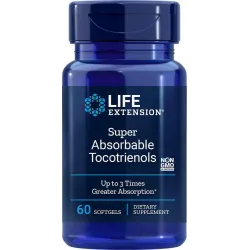
Super Absorbable Tocotrienols
Price: 28,01 €Support healthy hair growth & more Derived from red palm oil Provide...
Related posts
-
 Rebuild Aging Joints!
In this article, you will learn about UC-II®, or undenatured type II collagen, a novel intervention for both...
Rebuild Aging Joints!
In this article, you will learn about UC-II®, or undenatured type II collagen, a novel intervention for both... -
Is Conventional Pomegranate Extract Enough?
An abundance of clinical data has established pomegranate as a broad-spectrum, multi-modal defense against the...
-
Next-Generation Nutrients for Rapid Relief of Joint Pain
In recent years, adults seeking relief from the crippling pain of arthritis have had to choose between expensive,...
-
Feed Your Brain!
Millions of people around the world are adhering to low-fat, low-cholesterol diets in an effort to reduce the impact...
-
Lipoic Acid Reverses Mitochondrial Decay
It is estimated that 85% of the oxygen contained in every breath you take is consumed by the mitochondria within each...