
 English
 Polski
 Deutsch
 Français
 ελληνικά
 Español
 Italiano
Protecting Against Glycation and High Blood Sugar with Benfotiamine part 2
Preventing Diabetic Complications in Animals
 Studies in animals powerfully support these encouraging findings with research from a number of quarters revealing the benefits of benfotiamine in preventing diabetic complications. German researchers working with diabetic rats studied the effects of benfotiamine and thiamine on nerve function and on the formation of AGEs in nerve tissue.28 In one group of animals, they studied the preventive effects of the supplements, administering them immediately after diabetes was chemically induced. A second group of animals received supplements only two months later, to study the supplements’ treatment effects. As expected, nerve conduction speeds dropped off in diabetic animals, while AGE levels increased by up to five-fold. In the prevention group, nerve conduction increased substantially compared with control animals, and was nearly normal by six months in the benfotiamine-supplemented group (no further improvement was seen after three months in the thiamine-supplemented animals). Remarkably, similar results were also found in the benfotiamine treatment group—but not in the thiamine-treated animals. Benfotiamine also dramatically reduced AGE formation in nerve cells, which probably explains its dramatic effects. These researchers concluded that “timely administration of benfotiamine was effective in prevention of functional damage and of AGE formation in nerves of diabetic rats”—a radically promising finding!
In 2003, British researchers treated rats with benfotiamine and thiamine aimed at preventing diabetic nephropathy (kidney disease), a condition that is associated with a very high risk of cardiovascular disease and death.34 They found that high-dose therapy with benfotiamine and thiamine prevented the accumulation of molecules that trigger the formation of AGEs, oxidative stress, and inflammation—the major factors that ultimately produce kidney damage. They also found that kidney function actually improved in the animals treated with benfotiamine and thiamine, demonstrating not only biochemical but actual whole-organism benefits.
 In related studies, German and American physicians showed that treating diabetic rats with high doses of benfotiamine prevented retinopathy, another complication of diabetes.35 The researchers pointed out that benfotiamine works by simultaneously inhibiting three major pathways by which high sugar levels cause tissue damage, such as retinopathy.36 Benfotiamine was also shown to stimulate a key enzyme called transkelotase, which converts potentially damaging glucose breakdown products into harmless compounds that are safely eliminated. Together, these actions make benfotiamine a front-runner in preventing the development of diabetic complications.35,36
Another important and life-threatening complication of diabetes is the heart condition known as diabetic cardiomyopathy, in which individual heart muscle cells cannot contract as strongly as they normally would. The reasons for these changes are only partially understood, but appear to be related both to oxidative stress and inflammation at least in part caused by AGEs affecting the contractile proteins that cause heart muscle cells to beat.37-40
Cardiovascular and alternative medicine researchers at the University of Wyoming put these ideas to the test, treating mice with benfotiamine therapy 14 days after inducing diabetes in the animals. They then studied characteristic features of heart muscle performance that indicated how strongly the hearts were beating and how well the heart tissue responded to chemical signals. Astonishingly, benfotiamine treatment abolished the muscle cell abnormalities induced by diabetes in these animals! Oxidative stress was also measurably reduced though in this short-term study, the researchers did not find effects on AGEs.41
Further research has also shown that benfotiamine is effective at preventing slow-to-heal pressure sores, which are a major cause of suffering and even death in diabetic patients. A group of researchers in Italy used benfotiamine to speed the healing of such wounds.42 Diabetic mice were given oral benfotiamine or a control liquid, and then underwent ischemia (restricted blood flow) of one limb. The scientists then measured tissue indicators of cell death and destruction. Remarkably, benfotiamine  completely prevented ischemia-induced necrosis (tissue death) in animals’ toes, improved blood flow and oxygenation, and restored normal blood vessel relaxation (an important control mechanism that is lost in AGE-induced endothelial injury). But that’s not all—closer microscopic examination of the tissue showed substantially improved new blood vessel formation and inhibition of cell death in the affected limbs. Supplementation also prevented accumulation of AGEs in the blood vessels, which probably accounts for the remarkable benefits. The authors were understandably exuberant in their concluding statement, “We have demonstrated, for the first time, that benfotiamine aids the post-ischemic healing of diabetic animals…”
An explosion of convincing animal studies further supports benfotiamine’s remarkable benefits. Benfotiamine has now been shown to counteract AGE-related toxicity on endothelial cells,43 to relieve inflammatory and neuropathic (nerve-induced) pain in both diabetic and non-diabetic rats,44 and to alleviate diabetes-induced oxidative damage to brain tissue.45 Interestingly, benfotiamine’s protective effect on brain tissue is produced by mechanisms that seem to be unrelated to AGE formation, opening the door to even greater benefits in this area!
There is clearly no doubt that benfotiamine has proven itself in laboratory studies, and research is now yielding convincing evidence from human trials as well. Dramatic results are flowing in from top-level researchers around the world, demonstrating that benfotiamine’s potent AGE/RAGE inhibition translates directly into measurable benefits for humans.
Aging and AGEs
 Bizarrely, AGEs are formed by the interaction of glucose and proteins through a specific kind of chemical reaction, called the “Maillard” reaction, that is identical to the so-called “browning reactions” found in ripening fruits and foods cooked at high temperatures.58,59 Maillard reactions are distinctly unwelcome in human tissues, where their AGE-related products produce powerfully destructive oxidative stress and inflammatory reactions,6,15,19 which ultimately lead to atherosclerosis and its deadly consequences.6,15 By “cross-linking” with collagen and other long-lived proteins, AGEs have far-reaching deleterious effects by reducing the elasticity of tissues such as blood vessels where these proteins reside.60 Furthermore, the biochemical changes induced by AGEs may also damage DNA,24 which, together with inflammation, can promote the development of cancer.57
Clearly, the Maillard “browning” reactions occur all the time in our bodies, gradually adding to our burden of oxidative stress, inflammation, and tissue dysfunction—and ultimately to our cumulative risk of serious chronic age-related diseases.
Preventing Diabetic Complications in Humans
 Since benfotiamine has such potent anti-AGE and oxidative stress-reducing effects, scientists wondered if it would be helpful in treatment of diabetic neuropathies in humans. To investigate, German researchers conducted a randomized, double-blind, controlled study of benfotiamine plus vitamins B6 and B12 in patients with diabetic polyneuropathy.46 This study of 24 patients lasted 12 weeks, and demonstrated dramatic improvement in nerve conduction velocity (the speed with which electrical signals move along nerves) in benfotiamine recipients versus controls. There was also an improvement of patients’ ability to sense vibration (again, an important measure of the ability to perceive pressure and motion). None of the patients experienced side effects related to treatment. These researchers concluded that benfotiamine (in combination with the B vitamins) “represents a starting point in treatment of diabetic polyneuropathy.”
Three years later, Hungarian researchers conducted dose-finding studies of benfotiamine. These scientists treated patients who had painful diabetic neuropathy with a higher-dose benfotiamine treatment of 320 mg/day or with medium-dose treatment of 150 mg/day. This was a six-week-long, open trial among 36 subjects ranging from 40 to 70 years old whose diabetes was under reasonably good control. All patients experienced significant improvements in pain and vibration sensation, as well as in objective measurements of nerve function, with most improvements being evident by the third week of the study. The greatest changes were seen in the high-dose recipients. The researchers concluded that benfotiamine is effective even in the medium-dose range, but that maximum benefits would be found with higher doses. These findings represent a major breakthrough in the management of this heartbreaking and deadly complication of diabetes.47
Results such as these have now been confirmed by independent research groups, one of whom studied 40 inpatients with diabetic polyneuropathy of not more than two years’ duration.48 Twenty of their subjects received benfotiamine 100 mg four times daily, while the others got only placebo tablets. The researchers used a standardized neuropathy score that included measurements of vibration perception as well as patients’ and their physicians’ subjective assessments (it’s just as important to know that the patient feels better as it is to know that their “numbers” are improving). Dramatic improvements were seen in benfotiamine patients’ scores compared with controls, with the most pronounced effect being a reduction in pain. More benfotiamine patients than placebo patients also felt that their overall condition improved, and no patients in either group experienced side effects. The authors pointed out that their findings confirmed the results of earlier trials, and provided “further evidence for the beneficial effects of benfotiamine in patients with diabetic neuropathy.”
 Nutritional research on benfotiamine has now expanded, with a growing number of studies evaluating its benefits in areas other than diabetic neuropathy. One important area is the prevention of endothelial dysfunction in both large and microscopic blood vessels, a major contributor to atherosclerosis in diabetic as well as non-diabetic patients.
In the first study of its kind, investigators looked at the effects of benfotiamine in blocking endothelial dysfunction and oxidative stress after consuming a meal rich in dietary AGEs.49 They provided type 2 diabetic subjects with a heat-processed test meal that had a high AGE content, both before and after a three-day period of supplementation with 1,050 mg/day of benfotiamine. The scientists measured standard indicators of large- and small-vessel function, as well as blood levels of AGEs, oxidants, and markers of endothelial dysfunction throughout the study. The high-AGE meals before the supplement period had a profound effect on capillary blood flow in reaction to a stimulus, reducing it by 60%, while the ability of larger vessels to dilate (relax) in response to increased blood flow was diminished by 35%.50 These changes are typical of findings in people with early atherosclerosis, which can lead to heart attack or stroke.51-53
Remarkably, these detrimental effects on blood vessels were completely prevented by the three-day period of benfotiamine supplementation! Similarly, the AGE-induced post-meal increases in serum markers of endothelial dysfunction and oxidative stress were also significantly reduced after the supplement period. This landmark study, in the authors’ own words, “confirms micro- and macrovascular endothelial dysfunction accompanied by increased oxidative stress following a real-life, AGE-rich meal in individuals with type 2 diabetes and suggests benfotiamine as a potential treatment.”50 A follow-up study by the same research team late last year further showed that the vital molecule adiponectin—which promotes glucose uptake into skeletal muscle and increases fat burning54— decreases after a similar high-AGE meal. Again, benfotiamine prevented this detrimental effect of a meal rich in AGEs.55
Clinical studies to date suggest that the benefits of benfotiamine can be achieved at doses of 150-1,000 mg per day in divided doses. Benfotiamine appears to be highly safe, with no reports of toxicity or drug interactions in the scientific literature.56
Summary
 We have come a long way in a few short years of nutritional research. Just over a decade ago, the devastating effects of AGE/RAGE reaction products on tissues were believed to be inevitable in people with diabetes, presenting the grim prospects of progressive loss of nerve, blood vessel, and kidney function, and their consequences on quality and quantity of life.3 Thanks to the discovery of the fat-soluble form of thiamine, benfotiamine, the past decade has witnessed an abundance of promising research to help dispel those ominous predictions and offers new hope for people with diabetes.7,14 Equally exciting work is now beginning to emerge, suggesting that this is only the beginning. Benfotiamine is currently being studied for its benefits in non-diabetic people as well, where it may help reduce DNA damage in people with end-stage renal disease,57 ensure protection from the endothelial dysfunction that leads to atherosclerosis and congestive heart failure, and provide relief in a host of additional painful nerve conditions.18 Benfotiamine’s impressive safety record supports its use in both diabetic and non-diabetic people interested in reducing the impact of AGE/RAGE on their longevity and quality of life.
Material used with permission of Life Extension. All rights reserved.
- Cameron NE, Gibson TM, Nangle MR, Cotter MA. Inhibitors of advanced glycation end product formation and neurovascular dysfunction in experimental diabetes. Ann NY Acad Sci. 2005 Jun;1043:784-92.
- Giusti C, Gargiulo P. Advances in biochemical mechanisms of diabetic retinopathy. Eur Rev Med Pharmacol Sci. 2007 May;11(3):155-63.
- Head KA. Peripheral neuropathy: pathogenic mechanisms and alternative therapies. Altern Med Rev. 2006 Dec;11(4):294-329.
- Karachalias N, Babaei-Jadidi R, Ahmed N, Thornalley PJ. Accumulation of fructosyl-lysine and advanced glycation end products in the kidney, retina and peripheral nerve of streptozotocin-induced diabetic rats. Biochem Soc Trans. 2003 Dec;31(Pt 6):1423-5.
- Ahmed N, Thornalley PJ. Advanced glycation endproducts: what is their relevance to diabetic complications? Diabetes Obes Metab. 2007 May;9(3):233-45.
- Vasdev S, Gill V, Singal P. Role of advanced glycation end products in hypertension and atherosclerosis: therapeutic implications. Cell Biochem Biophys. 2007;49(1):48-63.
- Varkonyi T, Kempler P. Diabetic neuropathy: new strategies for treatment. Diabetes Obes Metab. 2008 Feb;10(2):99-108.
- Thornalley PJ. Glycation in diabetic neuropathy: characteristics, consequences, causes, and therapeutic options. Int Rev Neurobiol. 2002;50:37-57.
- Dinh TL, Veves A. A review of the mechanisms implicated in the pathogenesis of the diabetic foot. Int J Low Extrem Wounds. 2005 Sep;4(3):154-9.
- Brem H, Tomic-Canic M. Cellular and molecular basis of wound healing in diabetes. J Clin Invest. 2007 May;117(5):1219-22.
- Andersen CA, Roukis TS. The diabetic foot. Surg Clin North Am. 2007 Oct;87(5):1149-77.
- Koyama H, Yamamoto H, Nishizawa Y. RAGE and soluble RAGE: potential therapeutic targets for cardiovascular diseases. Mol Med. 2007 Nov;13(11-12):625-35.
- Marsche G, Weigle B, Sattler W, Malle E. Soluble RAGE blocks scavenger receptor CD36-mediated uptake of hypochlorite-modified low-density lipoprotein. FASEB J. 2007 Oct;21 (12):3075-82.
- Thomas MC, Baynes JW, Thorpe SR, Cooper ME. The role of AGEs and AGE inhibitors in diabetic cardiovascular disease. Curr Drug Targets. 2005 Jun;6(4):453-74.
- Yamagishi S, Adachi H, Takeuchi M, et al. Serum level of advanced glycation end-products (AGEs) is an independent determinant of plasminogen activator inhibitor-1 (PAI-1) in nondiabetic general population. Horm Metab Res. 2007 Nov;39(11):845-8.
- Hartog JW, Voors AA, Schalkwijk CG, et al. Clinical and prognostic value of advanced glycation end-products in chronic heart failure. Eur Heart J. 2007 Dec;28(23):2879-85.
- Robert L, Robert AM, Fulop T. Rapid increase in human life expectancy: will it soon be limited by the aging of elastin? Biogerontology. 2008 Jan 4.
- Malecka SA, Poprawski K, Bilski B. Prophylactic and therapeutic application of thiamine (vitamin B1)—a new point of view. Wiad Lek. 2006;59(5-6):383-7.
- Booth AA, Khalifah RG, Todd P, Hudson BG. In vitro kinetic studies of formation of antigenic advanced glycation end products (AGEs). Novel inhibition of post-Amadori glycation pathways. J Biol Chem. 1997 Feb 28;272(9):5430-7.
- Booth AA, Khalifah RG, Hudson BG. Thiamine pyrophosphate and pyridoxamine inhibit the formation of antigenic advanced glycation end-products: comparison with aminoguanidine. Biochem Biophys Res Commun. 1996 Mar 7;220(1):113-9.
- La Selva M, Beltramo E, Pagnozzi F, et al. Thiamine corrects delayed replication and decreases production of lactate and advanced glycation end-products in bovine retinal and human umbilical vein endothelial cells cultured under high glucose conditions. Diabetologia. 1996 Nov;39(11):1263-8.
- Ahmed N, Luthen R, Haussinger D, et al. Increased protein glycation in cirrhosis and therapeutic strategies to prevent it. Ann NY Acad Sci. 2005 Jun;1043:718-24.
- Shangari N, Mehta R, O’brien PJ. Hepatocyte susceptibility to glyoxal is dependent on cell thiamin content. Chem Biol Interact. 2007 Jan 30;165(2):146-54.
- Suji G, Sivakami S. DNA damage during glycation of lysine by methylglyoxal: assessment of vitamins in preventing damage. Amino Acids. 2007 Nov;33(4):615-21.
- Geyer J, Netzel M, Bitsch I, et al. Bioavailability of water- and lipid-soluble thiamin compounds in broiler chickens. Int J Vitam Nutr Res. 2000 Dec;70(6):311-6.
- Hilbig R, Rahmann H. Comparative autoradiographic investigations on the tissue distribution of benfotiamine versus thiamine in mice. Arzneimittelforschung. 1998 May;48(5):461-8.
- Loew D. Pharmacokinetics of thiamine derivatives especially of benfotiamine. Int.J Clin Pharmacol Ther. 1996 Feb;34(2):47-50.
- Stracke H, Hammes HP, Werkmann D, et al. Efficacy of benfotiamine versus thiamine on function and glycation products of peripheral nerves in diabetic rats. Exp Clin Endocrinol Diabetes. 2001;109(6):330-6.
- Greb A, Bitsch R. Comparative bioavailability of various thiamine derivatives after oral administration. Int J Clin Pharmacol Ther. 1998 Apr;36(4):216-21.
- Frank T, Bitsch R, Maiwald J, Stein G. Alteration of thiamine pharmacokinetics by end-stage renal disease (ESRD). Int J Clin Pharmacol Ther. 1999 Sep;37(9):449-55.
- Frank T, Bitsch R, Maiwald J, Stein G. High thiamine diphosphate concentrations in erythrocytes can be achieved in dialysis patients by oral administration of benfontiamine. Eur J Clin Pharmacol. 2000 Jun;56(3):251-7.
- Coy JF, Dressler D, Wilde J, Schubert P. Mutations in the transketolase-like gene TKTL1: clinical implications for neurodegenerative diseases, diabetes and cancer. Clin Lab. 2005;51(5-6):257-73.
- Pomero F, Molinar MA, La SM, et al. Benfotiamine is similar to thiamine in correcting endothelial cell defects induced by high glucose. Acta Diabetol. 2001;38(3):135-8.
- Babaei-Jadidi R, Karachalias N, Ahmed N, Battah S, Thornalley PJ. Prevention of incipient diabetic nephropathy by high-dose thiamine and benfotiamine. Diabetes. 2003 Aug;52(8):2110-20.
- Obrenovich ME, Monnier VM. Vitamin B1 blocks damage caused by hyperglycemia. Sci Aging Knowledge Environ. 2003 Mar 12;2003(10):E6.
- Hammes HP, Du X, Edelstein D, et al. Benfotiamine blocks three major pathways of hyperglycemic damage and prevents experimental diabetic retinopathy. Nat Med. 2003 Mar;9(3):294-9.
- Aragno M, Mastrocola R, Alloatti G, et al. Oxidative stress triggers cardiac fibrosis in the heart of diabetic rats. Endocrinology. 2008 Jan;149(1):380-8.
- Okoshi K, Guimaraes JF, Di Muzio BP, Fernandes AA, Okoshi MP. Diabetic cardiomyopathy. Arq Bras Endocrinol Metabol. 2007 Mar;51(2):160-7.
- Aragno M, Mastrocola R, Medana C, et al. Oxidative stress-dependent impairment of cardiac-specific transcription factors in experimental diabetes. Endocrinology. 2006 Dec;147(12):5967-74.
- Adeghate E. Molecular and cellular basis of the aetiology and management of diabetic cardiomyopathy: a short review. Mol Cell Biochem. 2004 Jun;261(1-2):187-91.
- Ceylan-Isik AF, Wu S, Li Q, Li SY, Ren J. High-dose benfotiamine rescues cardiomyocyte contractile dysfunction in streptozotocin-induced diabetes mellitus. J Appl Physiol. 2006 Jan;100(1):150-6.
- Gadau S, Emanueli C, Van LS, et al. Benfotiamine accelerates the healing of ischaemic diabetic limbs in mice through protein kinase B/Akt-mediated potentiation of angiogenesis and inhibition of apoptosis. Diabetologia. 2006 Feb;49(2):405-20.
- Marchetti V, Menghini R, Rizza S, et al. Benfotiamine counteracts glucose toxicity effects on endothelial progenitor cell differentiation via Akt/FoxO signaling. Diabetes. 2006 Aug;55(8):2231-7.
- Sanchez-Ramirez GM, Caram-Salas NL, Rocha-Gonzalez HI, et al. Benfotiamine relieves inflammatory and neuropathic pain in rats. Eur J Pharmacol. 2006 Jan 13;530(1-2):48-53.
- Wu S, Ren J. Benfotiamine alleviates diabetes-induced cerebral oxidative damage independent of advanced glycation end-product, tissue factor and TNF-alpha. Neurosci Lett. 2006 Feb 13;394(2):158-62.
- Stracke H, Lindemann A, Federlin K. A benfotiamine-vitamin B combination in treatment of diabetic polyneuropathy. Exp Clin Endocrinol Diabetes. 1996;104(4):311-6.
- Winkler G, Pál B, Nagybéganyi E, Ory I, Porochnavec M, Kempler P. Effectiveness of different benfotiamine dosage regimens in the treatment of painful diabetic neuropathy. Arzneimittelforschung. 1999 Mar;49(3):220-4.
- Haupt E, Ledermann H, Kopcke W. Benfotiamine in the treatment of diabetic polyneuropathy—a three-week randomized, controlled pilot study (BEDIP study). Int J Clin Pharmacol Ther. 2005 Feb;43(2):71-7.
- Negrean M, Stirban A, Stratmann B, et al. Effects of low- and high-advanced glycation endproduct meals on macro- and microvascular endothelial function and oxidative stress in patients with type 2 diabetes mellitus. Am J Clin Nutr. 2007 May;85(5):1236-43.
- Stirban A, Negrean M, Stratmann B, et al. Benfotiamine prevents macro- and microvascular endothelial dysfunction and oxidative stress following a meal rich in advanced glycation end products in individuals with type 2 diabetes. Diabetes Care. 2006 Sep;29(9):2064-71.
- Playford DA, Watts GF. Special article: non-invasive measurement of endothelial function. Clin Exp Pharmacol Physiol. 1998 Jul;25 (7-8):640-3.
- Bonetti PO, Pumper GM, Higano ST, et al. Noninvasive identification of patients with early coronary atherosclerosis by assessment of digital reactive hyperemia. J Am Coll Cardiol. 2004 Dec 7;44(11):2137-41.
- Shimbo D, Grahame-Clarke C, Miyake Y, et al. The association between endothelial dysfunction and cardiovascular outcomes in a population-based multi-ethnic cohort. Atherosclerosis. 2007 May;192(1):197-203.
- Vu V, Riddell MC, Sweeney G. Circulating adiponectin and adiponectin receptor expression in skeletal muscle: effects of exercise. Diabetes Metab Res Rev. 2007 Nov;23(8):600-11.
- Stirban A, Negrean M, Stratmann B, et al. Adiponectin decreases postprandially following a heat-processed meal in individuals with type 2 diabetes: an effect prevented by benfotiamine and cooking method. Diabetes Care. 2007 Oct;30(10):2514-6.
- No authors listed. Benfotiamine. Monograph. Altern Med Rev. 2006 Sep;11(3):238-42.
- Schupp N, Schmid U, Heidland A, Stopper H. New approaches for the treatment of genomic damage in end-stage renal disease. J Ren Nutr. 2008 Jan;18(1):127-33.
- Dyer DG, Blackledge JA, Thorpe SR, Baynes JW. Formation of pentosidine during nonenzymatic browning of proteins by glucose. Identification of glucose and other carbohydrates as possible precursors of pentosidine in vivo. J Biol Chem. 1991 Jun 25;266(18):11654-60.
- Grandhee SK, Monnier VM. Mechanism of formation of the Maillard protein cross-link pentosidine. Glucose, fructose, and ascorbate as pentosidine precursors. J Biol Chem. 1991 Jun 25;266(18):11649-53.
- Lehman TD, Ortwerth BJ. Inhibitors of advanced glycation end product-associated protein cross-linking. Biochim Biophys Acta. 2001 Feb 14;1535(2):110-9.
Related products
-
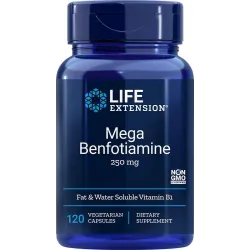
Mega Benfotiamine 250 mg
Price: 26,69 €This product cannot be shipped to Germany Benfotiamine can modulate glucose... -
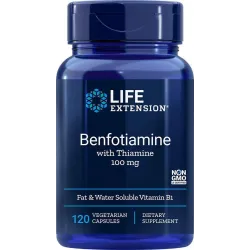
Benfotiamine with Thiamine 100 mg
Price: 17,75 €This product cannot be shipped to Germany Benfotiamine is more...
Related posts
-
 Is Conventional Pomegranate Extract Enough?
An abundance of clinical data has established pomegranate as a broad-spectrum, multi-modal defense against the...
Is Conventional Pomegranate Extract Enough?
An abundance of clinical data has established pomegranate as a broad-spectrum, multi-modal defense against the... -
Lipoic Acid Reverses Mitochondrial Decay
It is estimated that 85% of the oxygen contained in every breath you take is consumed by the mitochondria within each...
-
Vitamin C and Dihydroquercetin
Every day, our bodies are under continual assault by damaging agents known as free radicals. Generally, both internal...
-
How Resveratrol Combats Leading Causes of Death
In 1997, the first scientific paper on resveratrol was published showing that this polyphenol could prevent cancer in...
-
Cukrzyca opis choroby Część 1
Brak kontroli nad cukrzycą może nieść poważne konsekwencje zdrowotne, takie jak ślepota, niewydolność nerek,...