
 English
 Polski
 Deutsch
 Français
 ελληνικά
 Español
 Italiano
Protecting Against Glycation and High Blood Sugar with Benfotiamine part 1
 For decades, European doctors have prescribed diabetic patients a fat-soluble form of vitamin B1 called benfotiamine to treat neuropathies and help prevent complications such as blindness, kidney failure, heart attack, and limb amputation.
Benfotiamine blocks destructive biochemical pathways that enable high blood sugar levels to damage nerves and small blood vessels.
Benfotiamine also inhibits the formation of advanced glycation end products in both diabetic and normal aging organisms. Glycation not only causes kidney, nerve, and retinal damage in diabetics, but is also a significant contributory factor in cardiovascular disease and other aging disorders in adults without diabetes.1-6
Here, we’ll explore how to use benfotiamine to help protect against the dangers of elevated blood sugar and toxic glycation reactions.
AGE, RAGE, and Tissue Damage
 Sugar molecules, in excess quantity or over long periods of time, wreak havoc on human tissues. As the number of people with type 2 diabetes has skyrocketed over the past 20 years, we’ve learned to recognize strong relationships between blood sugar levels and many chronic conditions previously thought to be purely age-related. The link seems to be the total lifetime exposure to blood sugar that’s the culprit. In other words, diabetics develop problems sooner because of their chronic higher sugar levels, but even non-diabetic people eventually suffer tissue injury related to the interaction between blood sugar and tissue proteins.
Studies of diabetic patients have shown that prolonged tissue exposure to elevated glucose levels results in the production of a class of molecules called “advanced glycation end products” (AGEs).1-4 These molecules are proteins and lipids that have become bonded to some of the sugar molecules found in high concentrations in diabetics’ blood.5 Advanced glycation end products are well known for their destructive activities in diabetes, where they contribute to vascular disease, kidney failure, eye damage, and other kinds of dysfunction,5,6 including the nerve damage known as diabetic peripheral neuropathy.3,4,7 In patients with this kind of neuropathy, AGEs directly damage vital components of nerve cells,8 insidiously reducing their ability to conduct warning sensations such as pain and pressure.
People with peripheral neuropathies may not perceive the need to shift their weight, for example, to allow an even distribution of blood flow to a pressure point such as the buttock or foot.9 Inadequate blood flow to such areas in turn can result in tissue death (necrosis), producing pressure sores that invite infection.10 And because AGEs also impair immune function, those infections in vulnerable diabetic patients can rapidly become life- and limb-threatening; in fact, amputation of an entire extremity can often be the only treatment if the condition cannot be prevented (foot infections are the single most common cause of hospitalization and amputations in persons with diabetes).11
Our rapidly expanding experience with the diabetic population has taught us that the AGE-related damage to tissues involves a specific chemical receptor that responds to the presence of AGE molecules by inducing inflammation. That receptor molecule is appropriately termed RAGE (for “receptor for AGE”).8
And we’re learning that it’s not just diabetics who are affected—with enough time and exposure, we all develop “AGE-related” problems.6 Ominously, AGE/RAGE reactions occur even in people without known diabetes or insulin resistance, although those conditions hasten the process.12 With advancing age, even normal blood sugar levels, given sufficient time, produce AGEs that act on RAGEs to induce deadly inflammation in blood vessels, nerves, liver, and other vital tissues.6,13,14 A growing number of studies are now demonstrating links between levels of AGEs in the blood of non-diabetics and major risk factors for atherosclerosis and heart disease.15,16
Credible scientists have even speculated that these AGE-related changes could ultimately contribute to an “upper limit” of the human life span17—with the implication that if we could prevent them from happening, we could conceivably extend human life expectancy dramatically!
Thiamine—The Natural Anti-AGE/RAGE Vitamin
 One of the most important natural anti-AGE compounds is vitamin B1, or thiamine, and its natural derivative, benfotiamine. Thiamine is a well-known nutrient that has myriad roles throughout the body, particularly in maintaining the healthy, normal functioning of nerve cells.18 Thiamine has been shown to interfere with the AGE/RAGE process in meaningful ways.19,20
A vivid demonstration of thiamine’s ability to block AGE production and its effects in the laboratory was provided in 1996 by researchers in Italy, who subjected cells in culture to high glucose levels both with and without thiamine supplementation.21 The researchers measured the cells’ ability to function normally and also their production of AGE molecules. High glucose inhibited normal cell reproduction and metabolic activity—but the addition of thiamine significantly reduced total AGE formation, increased cell survival, and restored reproductive activity to normal levels.21 These findings and those of other laboratory investigators have led to calls for trials of high-dose thiamine to prevent glycation-induced damage to nerve cells8 and other tissues such as the liver, where AGE-induced damage plays a key role in the development of cirrhosis.5,22
Scientists in Toronto were able to prevent glycation damage to liver cells in culture by supplementing them with thiamine.23 They also showed that when liver cells were made thiamine-deficient, they were susceptible to damage at much lower levels of glycation products than were normal cells, which suggests that avoiding thiamine deficiency might be an important cirrhosis-prevention strategy.
And Indian researchers recently demonstrated the potential anticancer activity of thiamine.24 They discovered thiamine to be one of the B vitamins that blocks the production of free radicals by AGE molecules, which in turn prevents dangerous DNA injury that can lead to cancer initiation.
These promising results with thiamine supplementation led to the natural question: why not simply use high-dose thiamine to prevent AGE formation in diabetics, and perhaps even in non-diabetic people as well? The answer is based on the concept of bioavailability—not all beneficial molecules are equally well absorbed from the digestive tract, and once absorbed, they may be extensively metabolized and/or poorly penetrate target tissues. Water-soluble nutrients like thiamine are well absorbed, but tend not to penetrate lipids to any great degree (oil and water don’t mix well)—so they aren’t as bioavailable to target tissues that are composed of lipids (fats). This is in part because cell membranes themselves are primarily made up of lipid molecules.
Thus, as a water-soluble vitamin, thiamine has an upper dose limit beyond which additional quantities are simply excreted in urine.25,26 Clearly, for the beneficial anti-AGE effects and related reduction in inflammatory markers to be realized, a better means of delivering thiamine to tissues is needed. Fortunately, thiamine’s fat-soluble cousin benfotiamine is a highly bioavailable nutrient that achieves better distribution throughout the body.27,28
- Advanced glycation end products (AGEs) are produced in most tissues exposed to elevated blood sugar levels, and even in tissues exposed to normal blood sugar for a long enough time.

- Advanced glycation end products induce oxidative stress and inflammation, and are responsible for a large amount of tissue damage and dysfunction in diabetic patients. They are increasingly being recognized as harmful in non-diabetic people as well.
- The fat-soluble thiamine-derived nutrient benfotiamine blocks three of the major biochemical pathways through which high blood sugar promotes tissues damage—without known side effects. Benfotiamine can reach tissues more than five times more readily than thiamine (vitamin B1) itself, and has been widely used in Europe for decades.
- An explosion of laboratory and human data now demonstrate that benfotiamine can block the actual tissue-level effects of AGEs and prevent their potentially deadly consequences in both diabetic and non-diabetic people.
Benfotiamine: A Supercharged Thiamine Derivative
 Benfotiamine is better than thiamine at penetrating cell membranes and protecting AGE-vulnerable tissues from harmful glucose-protein and glucose-lipid reactions, helping to protect nerve, retinal, kidney, and other cells. Studies suggest that the benefits of benfotiamine may greatly outpace those of thiamine. Biochemical nutritionists at the Friedrich Schiller University in Germany studied three thiamine preparations in seven healthy volunteers and evaluated the bioavailability of each compound.29 Subjects took 100 mg of either benfotiamine, thiamine disulfide, or fursultiamin (another thiamine derivative), and their blood levels of thiamine were measured repeatedly over a 10-hour period, along with biochemical markers of whether cells were actually “seeing” the effects of thiamine. Benfotiamine produced a more rapid and earlier increase in blood and displayed significantly increased bioavailability, compared with either of the other two formulations. These researchers concluded that benfotiamine is the best form of thiamine for therapeutic use.
The same researchers found similar results in a more detailed study of benfotiamine versus thiamine mononitrate in patients with end-stage renal disease (who are frequently thiamine-deficient).30 Subjects who received 100 mg/day of benfotiamine had faster and higher peak levels than those receiving standard thiamine supplements, achieving nearly double the levels and allowing an amazing 420% increase in total 24-hour tissue exposure after a single dose. These results were interpreted as further justification for the use of benfotiamine in patients who require high intracellular concentrations of thiamine. Later studies from the same group demonstrated that the elevated tissue levels produced by benfotiamine markedly increased the all-important cellular content,31 providing conclusive evidence of benfotiamine’s overall superiority to thiamine in blocking formation of AGEs and the RAGE reactions that follow. Benfotiamine’s anti-AGE activity has now been shown to be superior to that of thiamine alone in the treatment of neurodegenerative diseases and cancer,32 as well as on the kidney, eye, and nerve damage seen in diabetic patients.4
Benfotiamine—Combating AGE and RAGE
 It is clear that benfotiamine can reach AGE-vulnerable tissues and cells at high levels. In looking at how benfotiamine performs at actually preventing the AGE/RAGE reactions from taking place, Italian scientists collaborating with the World Health Organization studied its effects in correcting endothelial cell damage caused by elevated glucose levels33—just the kind of damage we know is caused by AGEs in both diabetic and non-diabetic people. The researchers cultured human endothelial cells in normal and very high glucose concentrations, treating them with benfotiamine or thiamine, and measuring the cells’ survival and rates of healthy reproduction. The high glucose levels predictably impaired cell replication by nearly 30%—and addition of thiamine raised survival to 80% of normal, while benfotiamine raised it to nearly 90%! Benfotiamine also cut AGE production in the high-glucose environment from 160% of normal to similar levels found in healthy glucose-exposed cells. The scientists speculated that these dramatic effects resulted from benfotiamine’s ability to help cells use glucose more efficiently, reducing the level of waste products that are most active in producing AGEs.
Material used with permission of Life Extension. All rights reserved.
- Cameron NE, Gibson TM, Nangle MR, Cotter MA. Inhibitors of advanced glycation end product formation and neurovascular dysfunction in experimental diabetes. Ann NY Acad Sci. 2005 Jun;1043:784-92.
- Giusti C, Gargiulo P. Advances in biochemical mechanisms of diabetic retinopathy. Eur Rev Med Pharmacol Sci. 2007 May;11(3):155-63.
- Head KA. Peripheral neuropathy: pathogenic mechanisms and alternative therapies. Altern Med Rev. 2006 Dec;11(4):294-329.
- Karachalias N, Babaei-Jadidi R, Ahmed N, Thornalley PJ. Accumulation of fructosyl-lysine and advanced glycation end products in the kidney, retina and peripheral nerve of streptozotocin-induced diabetic rats. Biochem Soc Trans. 2003 Dec;31(Pt 6):1423-5.
- Ahmed N, Thornalley PJ. Advanced glycation endproducts: what is their relevance to diabetic complications? Diabetes Obes Metab. 2007 May;9(3):233-45.
- Vasdev S, Gill V, Singal P. Role of advanced glycation end products in hypertension and atherosclerosis: therapeutic implications. Cell Biochem Biophys. 2007;49(1):48-63.
- Varkonyi T, Kempler P. Diabetic neuropathy: new strategies for treatment. Diabetes Obes Metab. 2008 Feb;10(2):99-108.
- Thornalley PJ. Glycation in diabetic neuropathy: characteristics, consequences, causes, and therapeutic options. Int Rev Neurobiol. 2002;50:37-57.
- Dinh TL, Veves A. A review of the mechanisms implicated in the pathogenesis of the diabetic foot. Int J Low Extrem Wounds. 2005 Sep;4(3):154-9.
- Brem H, Tomic-Canic M. Cellular and molecular basis of wound healing in diabetes. J Clin Invest. 2007 May;117(5):1219-22.
- Andersen CA, Roukis TS. The diabetic foot. Surg Clin North Am. 2007 Oct;87(5):1149-77.
- Koyama H, Yamamoto H, Nishizawa Y. RAGE and soluble RAGE: potential therapeutic targets for cardiovascular diseases. Mol Med. 2007 Nov;13(11-12):625-35.
- Marsche G, Weigle B, Sattler W, Malle E. Soluble RAGE blocks scavenger receptor CD36-mediated uptake of hypochlorite-modified low-density lipoprotein. FASEB J. 2007 Oct;21 (12):3075-82.
- Thomas MC, Baynes JW, Thorpe SR, Cooper ME. The role of AGEs and AGE inhibitors in diabetic cardiovascular disease. Curr Drug Targets. 2005 Jun;6(4):453-74.
- Yamagishi S, Adachi H, Takeuchi M, et al. Serum level of advanced glycation end-products (AGEs) is an independent determinant of plasminogen activator inhibitor-1 (PAI-1) in nondiabetic general population. Horm Metab Res. 2007 Nov;39(11):845-8.
- Hartog JW, Voors AA, Schalkwijk CG, et al. Clinical and prognostic value of advanced glycation end-products in chronic heart failure. Eur Heart J. 2007 Dec;28(23):2879-85.
- Robert L, Robert AM, Fulop T. Rapid increase in human life expectancy: will it soon be limited by the aging of elastin? Biogerontology. 2008 Jan 4.
- Malecka SA, Poprawski K, Bilski B. Prophylactic and therapeutic application of thiamine (vitamin B1)—a new point of view. Wiad Lek. 2006;59(5-6):383-7.
- Booth AA, Khalifah RG, Todd P, Hudson BG. In vitro kinetic studies of formation of antigenic advanced glycation end products (AGEs). Novel inhibition of post-Amadori glycation pathways. J Biol Chem. 1997 Feb 28;272(9):5430-7.
- Booth AA, Khalifah RG, Hudson BG. Thiamine pyrophosphate and pyridoxamine inhibit the formation of antigenic advanced glycation end-products: comparison with aminoguanidine. Biochem Biophys Res Commun. 1996 Mar 7;220(1):113-9.
- La Selva M, Beltramo E, Pagnozzi F, et al. Thiamine corrects delayed replication and decreases production of lactate and advanced glycation end-products in bovine retinal and human umbilical vein endothelial cells cultured under high glucose conditions. Diabetologia. 1996 Nov;39(11):1263-8.
- Ahmed N, Luthen R, Haussinger D, et al. Increased protein glycation in cirrhosis and therapeutic strategies to prevent it. Ann NY Acad Sci. 2005 Jun;1043:718-24.
- Shangari N, Mehta R, O’brien PJ. Hepatocyte susceptibility to glyoxal is dependent on cell thiamin content. Chem Biol Interact. 2007 Jan 30;165(2):146-54.
- Suji G, Sivakami S. DNA damage during glycation of lysine by methylglyoxal: assessment of vitamins in preventing damage. Amino Acids. 2007 Nov;33(4):615-21.
- Geyer J, Netzel M, Bitsch I, et al. Bioavailability of water- and lipid-soluble thiamin compounds in broiler chickens. Int J Vitam Nutr Res. 2000 Dec;70(6):311-6.
- Hilbig R, Rahmann H. Comparative autoradiographic investigations on the tissue distribution of benfotiamine versus thiamine in mice. Arzneimittelforschung. 1998 May;48(5):461-8.
- Loew D. Pharmacokinetics of thiamine derivatives especially of benfotiamine. Int.J Clin Pharmacol Ther. 1996 Feb;34(2):47-50.
- Stracke H, Hammes HP, Werkmann D, et al. Efficacy of benfotiamine versus thiamine on function and glycation products of peripheral nerves in diabetic rats. Exp Clin Endocrinol Diabetes. 2001;109(6):330-6.
- Greb A, Bitsch R. Comparative bioavailability of various thiamine derivatives after oral administration. Int J Clin Pharmacol Ther. 1998 Apr;36(4):216-21.
- Frank T, Bitsch R, Maiwald J, Stein G. Alteration of thiamine pharmacokinetics by end-stage renal disease (ESRD). Int J Clin Pharmacol Ther. 1999 Sep;37(9):449-55.
- Frank T, Bitsch R, Maiwald J, Stein G. High thiamine diphosphate concentrations in erythrocytes can be achieved in dialysis patients by oral administration of benfontiamine. Eur J Clin Pharmacol. 2000 Jun;56(3):251-7.
- Coy JF, Dressler D, Wilde J, Schubert P. Mutations in the transketolase-like gene TKTL1: clinical implications for neurodegenerative diseases, diabetes and cancer. Clin Lab. 2005;51(5-6):257-73.
- Pomero F, Molinar MA, La SM, et al. Benfotiamine is similar to thiamine in correcting endothelial cell defects induced by high glucose. Acta Diabetol. 2001;38(3):135-8.
- Babaei-Jadidi R, Karachalias N, Ahmed N, Battah S, Thornalley PJ. Prevention of incipient diabetic nephropathy by high-dose thiamine and benfotiamine. Diabetes. 2003 Aug;52(8):2110-20.
- Obrenovich ME, Monnier VM. Vitamin B1 blocks damage caused by hyperglycemia. Sci Aging Knowledge Environ. 2003 Mar 12;2003(10):E6.
- Hammes HP, Du X, Edelstein D, et al. Benfotiamine blocks three major pathways of hyperglycemic damage and prevents experimental diabetic retinopathy. Nat Med. 2003 Mar;9(3):294-9.
- Aragno M, Mastrocola R, Alloatti G, et al. Oxidative stress triggers cardiac fibrosis in the heart of diabetic rats. Endocrinology. 2008 Jan;149(1):380-8.
- Okoshi K, Guimaraes JF, Di Muzio BP, Fernandes AA, Okoshi MP. Diabetic cardiomyopathy. Arq Bras Endocrinol Metabol. 2007 Mar;51(2):160-7.
- Aragno M, Mastrocola R, Medana C, et al. Oxidative stress-dependent impairment of cardiac-specific transcription factors in experimental diabetes. Endocrinology. 2006 Dec;147(12):5967-74.
- Adeghate E. Molecular and cellular basis of the aetiology and management of diabetic cardiomyopathy: a short review. Mol Cell Biochem. 2004 Jun;261(1-2):187-91.
- Ceylan-Isik AF, Wu S, Li Q, Li SY, Ren J. High-dose benfotiamine rescues cardiomyocyte contractile dysfunction in streptozotocin-induced diabetes mellitus. J Appl Physiol. 2006 Jan;100(1):150-6.
- Gadau S, Emanueli C, Van LS, et al. Benfotiamine accelerates the healing of ischaemic diabetic limbs in mice through protein kinase B/Akt-mediated potentiation of angiogenesis and inhibition of apoptosis. Diabetologia. 2006 Feb;49(2):405-20.
- Marchetti V, Menghini R, Rizza S, et al. Benfotiamine counteracts glucose toxicity effects on endothelial progenitor cell differentiation via Akt/FoxO signaling. Diabetes. 2006 Aug;55(8):2231-7.
- Sanchez-Ramirez GM, Caram-Salas NL, Rocha-Gonzalez HI, et al. Benfotiamine relieves inflammatory and neuropathic pain in rats. Eur J Pharmacol. 2006 Jan 13;530(1-2):48-53.
- Wu S, Ren J. Benfotiamine alleviates diabetes-induced cerebral oxidative damage independent of advanced glycation end-product, tissue factor and TNF-alpha. Neurosci Lett. 2006 Feb 13;394(2):158-62.
- Stracke H, Lindemann A, Federlin K. A benfotiamine-vitamin B combination in treatment of diabetic polyneuropathy. Exp Clin Endocrinol Diabetes. 1996;104(4):311-6.
- Winkler G, Pál B, Nagybéganyi E, Ory I, Porochnavec M, Kempler P. Effectiveness of different benfotiamine dosage regimens in the treatment of painful diabetic neuropathy. Arzneimittelforschung. 1999 Mar;49(3):220-4.
- Haupt E, Ledermann H, Kopcke W. Benfotiamine in the treatment of diabetic polyneuropathy—a three-week randomized, controlled pilot study (BEDIP study). Int J Clin Pharmacol Ther. 2005 Feb;43(2):71-7.
- Negrean M, Stirban A, Stratmann B, et al. Effects of low- and high-advanced glycation endproduct meals on macro- and microvascular endothelial function and oxidative stress in patients with type 2 diabetes mellitus. Am J Clin Nutr. 2007 May;85(5):1236-43.
- Stirban A, Negrean M, Stratmann B, et al. Benfotiamine prevents macro- and microvascular endothelial dysfunction and oxidative stress following a meal rich in advanced glycation end products in individuals with type 2 diabetes. Diabetes Care. 2006 Sep;29(9):2064-71.
- Playford DA, Watts GF. Special article: non-invasive measurement of endothelial function. Clin Exp Pharmacol Physiol. 1998 Jul;25 (7-8):640-3.
- Bonetti PO, Pumper GM, Higano ST, et al. Noninvasive identification of patients with early coronary atherosclerosis by assessment of digital reactive hyperemia. J Am Coll Cardiol. 2004 Dec 7;44(11):2137-41.
- Shimbo D, Grahame-Clarke C, Miyake Y, et al. The association between endothelial dysfunction and cardiovascular outcomes in a population-based multi-ethnic cohort. Atherosclerosis. 2007 May;192(1):197-203.
- Vu V, Riddell MC, Sweeney G. Circulating adiponectin and adiponectin receptor expression in skeletal muscle: effects of exercise. Diabetes Metab Res Rev. 2007 Nov;23(8):600-11.
- Stirban A, Negrean M, Stratmann B, et al. Adiponectin decreases postprandially following a heat-processed meal in individuals with type 2 diabetes: an effect prevented by benfotiamine and cooking method. Diabetes Care. 2007 Oct;30(10):2514-6.
- No authors listed. Benfotiamine. Monograph. Altern Med Rev. 2006 Sep;11(3):238-42.
- Schupp N, Schmid U, Heidland A, Stopper H. New approaches for the treatment of genomic damage in end-stage renal disease. J Ren Nutr. 2008 Jan;18(1):127-33.
- Dyer DG, Blackledge JA, Thorpe SR, Baynes JW. Formation of pentosidine during nonenzymatic browning of proteins by glucose. Identification of glucose and other carbohydrates as possible precursors of pentosidine in vivo. J Biol Chem. 1991 Jun 25;266(18):11654-60.
- Grandhee SK, Monnier VM. Mechanism of formation of the Maillard protein cross-link pentosidine. Glucose, fructose, and ascorbate as pentosidine precursors. J Biol Chem. 1991 Jun 25;266(18):11649-53.
- Lehman TD, Ortwerth BJ. Inhibitors of advanced glycation end product-associated protein cross-linking. Biochim Biophys Acta. 2001 Feb 14;1535(2):110-9.
Related products
-
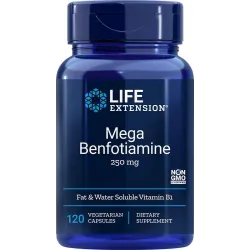
Mega Benfotiamine 250 mg
Price: 26,69 €This product cannot be shipped to Germany Benfotiamine can modulate glucose... -
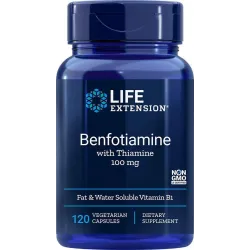
Benfotiamine with Thiamine 100 mg
Price: 17,75 €This product cannot be shipped to Germany Benfotiamine is more...
Related posts
-
 Is Conventional Pomegranate Extract Enough?
An abundance of clinical data has established pomegranate as a broad-spectrum, multi-modal defense against the...
Is Conventional Pomegranate Extract Enough?
An abundance of clinical data has established pomegranate as a broad-spectrum, multi-modal defense against the... -
Lipoic Acid Reverses Mitochondrial Decay
It is estimated that 85% of the oxygen contained in every breath you take is consumed by the mitochondria within each...
-
Vitamin C and Dihydroquercetin
Every day, our bodies are under continual assault by damaging agents known as free radicals. Generally, both internal...
-
How Resveratrol Combats Leading Causes of Death
In 1997, the first scientific paper on resveratrol was published showing that this polyphenol could prevent cancer in...
-
Cukrzyca opis choroby Część 1
Brak kontroli nad cukrzycą może nieść poważne konsekwencje zdrowotne, takie jak ślepota, niewydolność nerek,...