
 English
 Polski
 Deutsch
 Français
 ελληνικά
 Español
 Italiano
Omega 3. Slash Your Risk for Premature Death with Omega-3s
 For years, consumers have been learning of the benefits of reducing cardiovascular disease by ingesting omega-3 fatty acids. This message has made its way into the mainstream as cardiologists now prescribe omega-3 supplements to their patients.1
Far beyond the benefits of heart disease reduction, scientists have discovered startling new data that omega-3 fatty acids slash the overall risk of an early death.1-4 That reduction is seen not only in people with known chronic diseases but even in those who are apparently healthy. Published studies show that you can reduce your risk of dying prematurely by as much as 85% by maintaining optimal levels of omega-3 fats in your body.5
A wealth of published studies has demonstrated a significant reduction in mortality with the use of fish oils. In one such report, scientists studying people who had lived through a heart attack were shocked to find that patients with the highest levels of omega-3s in their blood were prevented from dying of any cause, not just heart-related conditions.6 In a similar study, people who’d had heart attacks were found to have a much lower likelihood of a dangerous cardiac arrhythmia called atrial fibrillation if they had high omega-3 levels—and had an incredible 85% lower risk of dying from all causes in addition.5
Intrigued, scientists began looking at healthy people with no evident heart disease. Would the protection apply to those people as well? The answer is yes. When a large group of Norwegian men 64-76 years of age were supplemented with 2.4 g/day of omega-3s, they had a 47% reduction in risk of dying from all causes compared with a placebo group.7 Women can achieve similar levels of protection: a massive Australian dietary intake study found that women with the highest omega-3 consumption had a 44% reduction in risk of mortality from inflammatory diseases.4 The effect was dose-related: for each standard-deviation increase in omega-3 intake, women achieved a 17% reduction in their risk of dying.
What explains this remarkable and consistent reduction in “all-cause mortality?” There are many factors at work, but one of the most important is related to the ways in which your dietary fat intake affects your body’s inflammatory status.8,9 A high intake of omega-3s (from cold-water fish, from flax seed oil, and from fish oil supplements) can push your body from a dangerous pro-inflammatory condition to a healthier, lower-inflammation state.10 And that has direct impact on your chances of living longer.
Omega-3 Fats and Inflammation: Steps Toward a Longer Life
 The typical Western diet now contains a vast excess of omega-6 fats (largely derived from poultry products and certain vegetable oils). Other animal products are rich in saturated fats, not omega-6 fats and not nearly enough omega-3s (which we get from ocean fish and plant foods such as nuts and flax seeds).11,12
The optimum ratio of omega-6 to omega-3 fats in the diet is roughly 4 to 1, though some proponents claim the ratio should be two omega-6s for each one omega-3. Shockingly, those who follow unhealthy modern Western diets often consume these fats in ratios as high as 25 (omega-6) to only 1 (omega-3).10,11
The resulting increase in inflammatory cytokines from insufficient omega-3 intake creates chronic, low-grade inflammation that directly exacerbates aging and may contribute to early death from myriad chronic conditions.9,13,14 In other words, inflammation is aging at a very fundamental level.9
That’s why high consumption of omega-3s, particularly EPA (eicosapentaenoic acid) and DHA (docosahexaenoic acid) found in fish oil has such a dramatic impact on your risk of dying. By nudging your omega-6 to omega-3 ratio back toward the optimum, you can significantly reduce your body’s inflammatory load. You should do that by reducing your intake of saturated fat (from meat and dairy), reducing omega-6s (from poultry and certain vegetable oils), and increasing your intake of omega-3s (from fish, fish oil, and flax seed oil). By supplementing with omega-3s, you can increase your chances of living longer and better, by cutting your risk of a host of age-related, longevity-stealing chronic conditions that originate with inflammation. The evidence is detailed and compelling.
Omega-3s Combat Stress and Cortisol Damage
 Chronic stress and the resulting elevation in stress hormones (cortisol, epinephrine, norepinephrine) accelerate aging.15 They are major contributors to premature death from a variety of causes, mostly related to increased risk of chronic cardiovascular, infectious, and metabolic disorders.15-17 There’s also evidence that chronic stress itself lowers your blood levels of omega-3s.18
Supplemental omega-3s can inhibit the excessive adrenal gland stimulation that triggers stress effects.19,20 Studies of healthy adults subjected to biological and emotional stress demonstrate that omega-3 supplementation from fish oil prevents cortisol, epinephrine, and norepinephrine elevations.20-23 Plant-derived omega-3 supplements in animal studies not only blocked cortisol elevations, but countered stress-induced learning deficits.24
Omega-3s Battle Depression, Anxiety
 Victims of chronic mental illness, particularly depression and anxiety, have a shockingly high rate of premature death from “natural causes.”25,26 These illnesses can cost men nearly 15 years of life expectancy and women nearly 18 years.27 Depression, the most common mental illness, affects more than 5% of the US population during any given 2-week period, and is strongly correlated with dying early.28
Scientific discoveries in the past decade demonstrate roles for omega-3s in the management of mental illness, especially depression and anxiety. Omega-3s are essential components of brain cell membranes and may help increase nerve cell transmission of signals with serotonin, levels of which can be abnormal in depression.29,30 Their anti-inflammatory effects also show promise in preventing depression-related loss of brain cells.31
People with major depressive disorder and bipolar disorder have low brain levels of omega-3s.32,33 Those low levels are closely associated with worsening depression and even predict an increased risk of suicide.34 Conversely, higher dietary intake of omega-3s is associated with as much as a 34% reduction in risk of symptomatic depression, compared with people having the lowest rate of consumption.35
Omega-3 supplementation has by now become much more accepted because of its dramatic effectiveness in managing depression. Studies show that daily doses of 1 gram or more of EPA and DHA significantly reduce scores on standard depression rating scales, especially in older adults.36-38
Anxiety can be a crippling short-term problem that also contributes directly to premature death; one study found a 77% increase in mortality risk among anxious women at midlife.39-41 Omega-3 supplementation may be important in managing symptoms of anxiety as well as depression. An omega-3-rich mixture of essential fatty acids lowered test anxiety in one early human study.40 Later studies demonstrated reduction of anxious feelings in populations of substance abusers treated with 3 grams/day of EPA plus DHA.42
- Omega-3 fatty acids have a well-established role in preventing cardiovascular disease and death.

- Recent studies are revealing a role for these beneficial fats in reducing your risk of premature death from numerous causes.
- By reducing your total body level of inflammation, omega-3s can slash the risk of many conditions that cause us to die early.
- Keeping your omega-3 levels high, and your omega-6 levels low, can help prevent the metabolic syndrome, symptoms of depression and anxiety, a variety of forms of cancer, and many forms of liver and kidney diseases, all of which are associated with premature death.
- Omega-3s also contribute to reducing the deadly effects of chronic stress and high cortisol levels.
- If you aren’t supplementing with at least 2 grams/day of a high-quality omega-3 product, you may be unnecessarily courting an early death.
Omega-3s: Powerful Weapons against Metabolic Syndrome
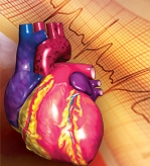 The metabolic syndrome is a clustering of risk factors including abdominal obesity, elevated fasting glucose (also called insulin resistance or “pre-diabetes”), hypertension, elevated triglycerides, and lowered high-density lipoprotein (HDL). This syndrome contributes to disease risk that may increase the chances of an early death from multiples causes.43-47 Epidemiological evidence suggests that people with low levels of omega-3s in their blood have as much as a 2.4-fold higher risk of having metabolic syndrome.52 On the other hand, people with the highest intakes of omega-3s have as much as a 46% lower risk of metabolic syndrome.49,50
- Treatment with omega-3s has an anti-obesity effect.51 It reduces total fat mass, abdominal fat mass, the size of individual fat cells, and raises levels of the beneficial cytokine adiponectin.52,53

- Higher plasma omega-3 levels correlate with improved insulin sensitivity and glucose tolerance.50,54 Supplementation both prevents and reverses insulin resistance, especially in the face of a high-fat diet.55,56
- Average doses of 3.7 grams/day of fish oil reduce both systolic and diastolic blood pressure.57 Additional studies with doses as low as 1 gram/day also showed decreases in systolic blood pressure.58
- Omega-3 supplementation dramatically lowers triglycerides and other risk factors for athero-sclerosis.52,58-60 One gram per day of fish oil was shown to normalize triglyceride levels in elderly people and protect them from rising levels.61
- Higher omega-3 plasma levels are correlated with higher HDL levels.50 Supplementation with omega-3s resulted in a reduction in the ratio of triglycerides to HDL level, a beneficial change.52
Omega-3s Fight Cancer at Its Earliest Stages
 Cancers of all kinds are common causes of untimely death. Diet has long been known to be an important factor in the development of many kinds of cancer. The Mediterranean dietary pattern, abundant in vegetables, fruits, and omega-3-rich fish, is associated with low cancer rates.62 One study comparing the Mediterranean diet with an American Heart Association-recommended diet found a 56% reduction in risk of developing cancer and a 61% reduction in risk of dying from cancer.62 The Mediterranean diet group’s intake of omega-3 fats was also significantly higher than in the control group.
Cancers of the digestive tract are common and also the most susceptible to prevention with omega-3 fats. These cancers have a strong inflammatory component, which may explain at least part of the benefits of omega-3 fatty acids.63 Laboratory and human clinical studies demonstrate that omega-3 treatment causes decreased proliferation and increased cell death (apoptosis) of cancer-prone colon cells, while healthy tissue is unaffected.64,65 Effective doses range from 2.5 to 7.7 grams/day of fish oil.64,66 Two grams/day of EPA alone can reduce the number of precancerous rectal polyps in patients at high risk for colorectal cancer.67
Inflammation also plays a major role in skin cancer development following exposure to ultraviolet (UV) rays from the sun.68 Not surprisingly, studies show that omega-3s have a role in protecting skin cells from the cancer-causing effects of the sun.68,69 Four grams per day of purified omega-3s protected a group of healthy subjects from sunburn, UV-induced precancerous changes in skin, and DNA damage in circulating blood cells.70
Cancers of the breast and prostate are also responsive to omega-3 prevention. Men with the highest blood levels of EPA and DHA have a 38-41% reduced risk of prostate cancer, compared with those having the lowest levels.71 Treatment with omega-3s reduced the rate at which prostate cancers progress to the dangerous state of independence from hormonal control; that progression is typically the harbinger of an untreatable cancer and early death.72
In a group of premenopausal women at high risk of breast cancer, those consuming the highest ratio of omega-3:omega-6 fats had a 50% reduction in their risk of developing cancer.73 Women who had been diagnosed and treated for early breast cancer, and whose diet contained the largest amount of omega-3s, had a 25% reduction in the risk of cancer recurrence.74 High-risk women who supplemented with 2.5-7.6 grams/day of DHA/EPA achieved excellent levels of these omega-3s in their breast tissue and had no side effects.75
Still More Ways Omega-3s Can Keep You From Dying Too Early
 There’s compelling evidence that omega-3s play a role in some less-than-obvious causes of early death. For example, osteoporosis, which affects more than 4.5 million American women and an additional 800,000 men,95 causes fractures that are major contributors to premature death, often ending an otherwise productive life in a prolonged and painful fashion.96-98 Keeping omega-3 levels optimum may help to prevent osteoporotic fractures and thus reduce your risk of early death.95-105
Chronic lung diseases such as asthma and COPD (chronic obstructive pulmonary disease) also significantly shorten life span.106 Again, there’s a wealth of evidence supporting a role for omega-3s in mitigating the inflammatory state that triggers these conditions and contributes to early death.106-116
Given the role of inflammation in the aging process, it just makes sense to ensure that our omega-3 levels are as high as possible.
Omega-3s: Vital Protection for Kidney and Liver Function
 Kidney disease kills more than 46,000 Americans annually and is the ninth leading cause of death in the US; roughly 4.5 million of us suffer from kidney disease of one form or another.76 Although there are many different types of kidney disease, most of them share a significant oxidative and inflammatory component that can be helped by high levels of omega-3s.77-80 In one large study, people consuming the highest amounts of omega-3s had a 31% reduction in their risk of developing chronic kidney disease.78 And kidney transplant recipients with higher levels of omega-3s in their blood had significantly lower risk of transplant rejection than did those with lower levels.81
Kidney disease (and its treatment) imposes massive metabolic and oxidative stress on the victim’s body, accounting in part for a high mortality rate. Dialysis patients taking EPA/DHA 1.8 grams/day experienced significantly lower levels of harmful adrenal stimulation compared with controls, and 3.4 grams/day dropped their triglyceride levels significantly, thereby lowering their heart attack risk.19,82
Two grams/day of EPA/DHA significantly reduced markers of inflammation in patients with end-stage renal disease, while 2.1 grams/day of fish oil reduced markers of oxidative stress.83,84 A dose of 4 grams/day of fish oil substantially improved renal function in diabetic patients, a group at major risk of early death from kidney disease.85
Non-alcoholic fatty liver disease (NAFLD) affects up to 35% of the world’s population. Its dangerous consequence called non-alcoholic steatohepatitis (NASH) may lead to cirrhosis of the liver, a cause of premature death in the United States.86-88 The massive liver accumulation of triglycerides in NAFLD is also strongly associated with diabetes and cardiovascular disease, further reducing longevity.89 Mainstream medicine has proved impotent to date at slowing the progression of NAFLD to NASH, or at reducing its potentially deadly consequences.90
As with all of the other causes of early death, a high intake of omega-3s is strongly preventive of NAFLD: men with the greatest consumption of EPA/DHA had a 52-56% reduction in their risk of having the condition.89 Supplementation with omega-3s provides impressive protection and treatment for people with NAFLD. Studies show that doses of 1 gram/day and more result in marked improvements in serum markers of liver cell damage, reductions of circulating triglycerides, and visible improvement in liver texture and blood flow on Doppler ultrasound tests.91-93
“Traditional” Risk Reduction by Omega-3 Intake
| Condition | Outcome |
| Overall death from cardiac causes | 20-29% fewer deaths in supplemented patients1,2 |
| Risk of sudden cardiac death | 13-57% lower risk in patients supplemented with 1.8 g/day EPA/DHA2,3 |
| Risk of non-fatal cardiac events | 8% lower risk in patients supplemented with 1.8 g/day EPA/DHA3 |
| Risk of hospitalization for cardiac arrythmia (atrial fibrilation) | 81% lower risk in supplemented patients5 |
| Risk of depression, anxiety, or stress | 28-35% lower risk in those with highest intake117 |
Reduction in Risk of All-Cause Mortality by Omega-3 Intake
| Study Population | Reduction in All-Cause Mortality |
| Heart attack survivors | 71-85% reduction in supplemented patients or those with highest omega-3 levels5,6 |
| Patients with stable coronary heart disease | 27% reduction in supplemented patients or those with highest omega-3 levels118 |
| Breast cancer survivors | 41% reduction in those with highest EPA and DHA intake74 |
| Hemodialysis patients | 57% reduction in those with highest DHA levels119 |
| Healthy women andgt; 49 years old | 44% reduction in inflammatory disease mortality in those with highest omega-3 intake4 |
| Men without overt cardiovascular disease | 47% reduction in patients supplemented with 2.4 g/day omega-37 |
Summary
Americans die too young, despite the highest expenditures on prescription drugs in the world.94 We succumb to a host of chronic conditions typically labeled “age-related,” though aging is not the only inducing factor. Instead, we are falling victim to persistent inflammatory changes brought on in large part by poor dietary choices.
Compelling studies demonstrate that people with high omega-3 intakes live longer. We now have a clear understanding of why: they have lower rates of virtually every one of the “age-related” conditions that hasten death.
You should consume at least two grams (2,000 milligrams) of EPA/DHA daily to emulate studies showing reduction in risk of early death.
Material used with permission of Life Extension. All rights reserved.
1. Leon H, Shibata MC, Sivakumaran S, Dorgan M, Chatterley T, Tsuyuki RT. Effect of fish oil on arrhythmias and mortality: systematic review. BMJ. 2008;337:a2931.
2. Zhao YT, Chen Q, Sun YX, et al. Prevention of sudden cardiac death with omega-3 fatty acids in patients with coronary heart disease: a meta-analysis of randomized controlled trials. Ann Med. 2009;41(4):301-10.
3. Marik PE, Varon J. Omega-3 dietary supplements and the risk of cardiovascular events: a systematic review. Clin Cardiol. 2009 Jul;32(7):365-72.
4. Gopinath B, Buyken AE, Flood VM, Empson M, Rochtchina E, Mitchell P. Consumption of polyunsaturated fatty acids, fish, and nuts and risk of inflammatory disease mortality. Am J Clin Nutr. 2011 May;93(5):1073-9.
5. Macchia A, Monte S, Pellegrini F, et al. Omega-3 fatty acid supplementation reduces one-year risk of atrial fibrillation in patients hospitalized with myocardial infarction. Eur J Clin Pharmacol. 2008 Jun;64(6):627-34.
6. Lee SH, Shin MJ, Kim JS, et al. Blood eicosapentaenoic acid and docosahexaenoic acid as predictors of all-cause mortality in patients with acute myocardial infarction–data from Infarction Prognosis Study (IPS) Registry. Circ J. 2009 Dec;73(12):2250-7.
7. Einvik G, Klemsdal TO, Sandvik L, Hjerkinn EM. A randomized clinical trial on n-3 polyunsaturated fatty acids supplementation and all-cause mortality in elderly men at high cardiovascular risk. Eur J Cardiovasc Prev Rehabil. 2010 Oct;17(5):588-92.
8. Cevenini E, Bellavista E, Tieri P, et al. Systems biology and longevity: an emerging approach to identify innovative anti-aging targets and strategies. Curr Pharm Des. 2010;16(7):802-13.
9. Cevenini E, Caruso C, Candore G, et al. Age-related inflammation: the contribution of different organs, tissues and systems. How to face it for therapeutic approaches. Curr Pharm Des. 2010;16(6):609-18.
10. Wall R, Ross RP, Fitzgerald GF, Stanton C. Fatty acids from fish: the anti-inflammatory potential of long-chain omega-3 fatty acids. Nutr Rev. 2010 May;68(5):280-9.
11. Caramia G. The essential fatty acids omega-6 and omega-3: from their discovery to their use in therapy. Minerva Pediatr. 2008 Apr;60(2):219-33.
12. Galland L. Diet and inflammation. Nutr Clin Pract. 2010 Dec;25(6):634-40.
13. Candore G, Caruso C, Jirillo E, Magrone T, Vasto S. Low grade inflammation as a common pathogenetic denominator in age-related diseases: novel drug targets for anti-ageing strategies and successful ageing achievement. Curr Pharm Des. 2010;16(6):584-96.
14. Probst-Hensch NM. Chronic age-related diseases share risk factors: do they share pathophysiological mechanisms and why does that matter? Swiss Med Wkly. 2010;140:w13072.
15. Epel ES. Psychological and metabolic stress: a recipe for accelerated cellular aging? Hormones (Athens). 2009 Jan-Mar;8(1):7-22.
16. Boscarino JA. Posttraumatic stress disorder and physical illness: results from clinical and epidemiologic studies. Ann N Y Acad Sci. 2004 Dec;1032:141-53.
17. Alonso-Fernandez P, De la Fuente M. Role of the Immune System in Aging and Longevity. Curr Aging Sci. 2011 Jan 14.
18. Laugero KD, Smilowitz JT, German JB, Jarcho MR, Mendoza SP, Bales KL. Plasma omega 3 polyunsaturated fatty acid status and monounsaturated fatty acids are altered by chronic social stress and predict endocrine responses to acute stress in titi monkeys. Prostaglandins Leukot Essent Fatty Acids. 2011 Mar-Apr;84(3-4):71-8.
19. Delarue J, Guillodo MP, Guillerm S, Elbaz A, Marty Y, Cledes J. Fish oil attenuates adrenergic overactivity without altering glucose metabolism during an oral glucose load in haemodialysis patients. Br J Nutr. 2008 May;99(5):1041-7.
20. Delarue J, Matzinger O, Binnert C, Schneiter P, Chiolero R, Tappy L. Fish oil prevents the adrenal activation elicited by mental stress in healthy men. Diabetes Metab. 2003 Jun;29(3):289-95.
21. Michaeli B, Berger MM, Revelly JP, Tappy L, Chiolero R. Effects of fish oil on the neuro-endocrine responses to an endotoxin challenge in healthy volunteers. Clin Nutr. 2007 Feb;26(1):70-7.
22. Hamazaki T, Itomura M, Sawazaki S, Nagao Y. Anti-stress effects of DHA. Biofactors. 2000;13(1-4):41-5.
23. Sawazaki S, Hamazaki T, Yazawa K, Kobayashi M. The effect of docosahexaenoic acid on plasma catecholamine concentrations and glucose tolerance during long-lasting psychological stress: a double-blind placebo-controlled study. J Nutr Sci Vitaminol (Tokyo). 1999 Oct;45(5):655-65.
24. Yehuda S, Rabinovitz S, Carasso RL, Mostofsky DI. Fatty acid mixture counters stress changes in cortisol, cholesterol, and impair learning. Int J Neurosci. 2000;101(1-4):73-87.
25. Murphy JM, Gilman SE, Lesage A, et al. Time trends in mortality associated with depression: findings from the Stirling County study. Can J Psychiatry. 2010 Dec;55(12):776-83.
26. Thomson W. Lifting the shroud on depression and premature mortality: a 49-year follow-up study. J Affect Disord. 2011 Apr;130(1-2):60-5.
27. Chang CK, Hayes RD, Perera G, et al. Life expectancy at birth for people with serious mental illness and other major disorders from a secondary mental health care case register in london. PLoS One. 2011;6(5):e19590.
28. Available at: http://www.cdc.gov/nchs/fastats/depression.htm. Accessed July 13, 2011.
29. Garland MR, Hallahan B. Essential fatty acids and their role in conditions characterised by impulsivity. Int Rev Psychiatry. 2006 Apr;18(2):99-105.
30. Vines A, Delattre AM, Lima MM, et al. The role of 5-HT(1A) receptors in fish oil-mediated increased BDNF expression in the rat hippocampus and cortex: A possible antidepressant mechanism. Neuropharmacology. 2011 Jun 29.
31. Pascoe MC, Crewther SG, Carey LM, Crewther DP. What you eat is what you are – A role for polyunsaturated fatty acids in neuroinflammation induced depression? Clin Nutr. 2011 May 27.
32. McNamara RK, Hahn CG, Jandacek R, et al. Selective deficits in the omega-3 fatty acid docosahexaenoic acid in the postmortem orbitofrontal cortex of patients with major depressive disorder. Biol Psychiatry. 2007 Jul 1;62(1):17-24.
33. McNamara RK, Jandacek R, Rider T, et al. Deficits in docosahexaenoic acid and associated elevations in the metabolism of arachidonic acid and saturated fatty acids in the postmortem orbitofrontal cortex of patients with bipolar disorder. Psychiatry Res. 2008 Sep 30;160(3):285-99.
34. Sublette ME, Hibbeln JR, Galfalvy H, Oquendo MA, Mann JJ. Omega-3 polyunsaturated essential fatty acid status as a predictor of future suicide risk. Am J Psychiatry. 2006 Jun;163(6):1100-2.
35. Colangelo LA, He K, Whooley MA, Daviglus ML, Liu K. Higher dietary intake of long-chain omega-3 polyunsaturated fatty acids is inversely associated with depressive symptoms in women. Nutrition. 2009 Oct;25(10):1011-9.
36. Rondanelli M, Giacosa A, Opizzi A, et al. Effect of omega-3 fatty acids supplementation on depressive symptoms and on health-related quality of life in the treatment of elderly women with depression: a double-blind, placebo-controlled, randomized clinical trial. J Am Coll Nutr. 2010 Feb;29(1):55-64.
37. Freeman MP, Hibbeln JR, Silver M, et al. Omega-3 fatty acids for major depressive disorder associated with the menopausal transition: a preliminary open trial. Menopause. 2011 Mar;18(3):279-84.
38. Tajalizadekhoob Y, Sharifi F, Fakhrzadeh H, et al. The effect of low-dose omega 3 fatty acids on the treatment of mild to moderate depression in the elderly: a double-blind, randomized, placebo-controlled study. Eur Arch Psychiatry Clin Neurosci. 2011 Feb 12.
39. Denollet J, Maas K, Knottnerus A, Keyzer JJ, Pop VJ. Anxiety predicted premature all-cause and cardiovascular death in a 10-year follow-up of middle-aged women. J Clin Epidemiol. 2009 Apr;62(4):452-6.
40. Yehuda S, Rabinovitz S, Mostofsky DI. Mixture of essential fatty acids lowers test anxiety. Nutr Neurosci. 2005 Aug;8(4):265-7.
41. Ross BM. Omega-3 polyunsaturated fatty acids and anxiety disorders. Prostaglandins Leukot Essent Fatty Acids. 2009 Nov-Dec;81(5-6):309-12.
42. Buydens-Branchey L, Branchey M. N-3 polyunsaturated fatty acids decrease anxiety feelings in a population of substance abusers. J Clin Psychopharmacol. 2006 Dec;26(6):661-5.
43. Isomaa B. A major health hazard: the metabolic syndrome. Life Sci. 2003 Sep 26;73(19):2395-411.
44. Yang CY, Peng CY, Liu YC, Chen WZ, Chiou WK. Surface anthropometric indices in obesity-related metabolic diseases and cancers. Chang Gung Med J. 2011 Jan-Feb;34(1):1-22.
45. Rosato V, Bosetti C, Talamini R, et al. Metabolic syndrome and the risk of breast cancer in postmenopausal women. Ann Oncol. 2011 Mar 23.
46. Rosato V, Tavani A, Bosetti C, et al. Metabolic syndrome and pancreatic cancer risk: a case-control study in Italy and meta-analysis. Metabolism. 2011 May 5.
47. Welzel TM, Graubard BI, Zeuzem S, El-Serag HB, Davila JA, McGlynn KA. Metabolic syndrome increases the risk of primary liver cancer in the United States: A study in the SEER-medicare database. Hepatology. 2011 Apr 29.
48. Chien KL, Chao CL, Kuo CH, et al. Plasma fatty acids and the risk of metabolic syndrome in ethnic Chinese adults in Taiwan. Lipids Health Dis. 2011;10:33.
49. Noel SE, Newby PK, Ordovas JM, Tucker KL. Adherence to an (n-3) fatty acid/fish intake pattern is inversely associated with metabolic syndrome among Puerto Rican adults in the Greater Boston area. J Nutr. 2010 Oct;140(10):1846-54.
50. Ebbesson SO, Risica PM, Ebbesson LO, Kennish JM, Tejero ME. Omega-3 fatty acids improve glucose tolerance and components of the metabolic syndrome in Alaskan Eskimos: the Alaska Siberia project. Int J Circumpolar Health. 2005 Sep;64(4):396-408.
51. Sato A, Kawano H, Notsu T, et al. Antiobesity effect of eicosapentaenoic acid in high-fat/high-sucrose diet-induced obesity: importance of hepatic lipogenesis. Diabetes. 2010 Oct;59(10):2495-504.
52. Kabir M, Skurnik G, Naour N, et al. Treatment for 2 mo with n 3 polyunsaturated fatty acids reduces adiposity and some atherogenic factors but does not improve insulin sensitivity in women with type 2 diabetes: a randomized controlled study. Am J Clin Nutr. 2007 Dec;86(6):1670-9.
53. Sneddon AA, Tsofliou F, Fyfe CL, et al. Effect of a conjugated linoleic acid and omega-3 fatty acid mixture on body composition and adiponectin. Obesity (Silver Spring). 2008 May;16(5):1019-24.
54. Ramel A, Martinez A, Kiely M, Morais G, Bandarra NM, Thorsdottir I. Beneficial effects of long-chain n-3 fatty acids included in an energy-restricted diet on insulin resistance in overweight and obese European young adults. Diabetologia. 2008 Jul;51(7):1261-8.
55. Fedor D, Kelley DS. Prevention of insulin resistance by n-3 polyunsaturated fatty acids. Curr Opin Clin Nutr Metab Care. 2009 Mar;12(2):138-46.
56. Kalupahana NS, Claycombe K, Newman SJ, et al. Eicosapentaenoic acid prevents and reverses insulin resistance in high-fat diet-induced obese mice via modulation of adipose tissue inflammation. J Nutr. 2010 Nov;140(11):1915-22.
57. Geleijnse JM, Giltay EJ, Grobbee DE, Donders AR, Kok FJ. Blood pressure response to fish oil supplementation: metaregression analysis of randomized trials. J Hypertens. 2002 Aug;20(8):1493-9.
58. Ebrahimi M, Ghayour-Mobarhan M, Rezaiean S, et al. Omega-3 fatty acid supplements improve the cardiovascular risk profile of subjects with metabolic syndrome, including markers of inflammation and auto-immunity. Acta Cardiol. 2009 Jun;64(3):321-7.
59. Woods MN, Wanke CA, Ling PR, et al. Effect of a dietary intervention and n-3 fatty acid supplementation on measures of serum lipid and insulin sensitivity in persons with HIV. Am J Clin Nutr. 2009 Dec;90(6):1566-78.
60. Jimenez-Gomez Y, Marin C, Peerez-Martinez P, et al. A low-fat, high-complex carbohydrate diet supplemented with long-chain (n-3) fatty acids alters the postprandial lipoprotein profile in patients with metabolic syndrome. J Nutr. 2010 Sep;140(9):1595-601.
61. Fakhrzadeh H, Ghaderpanahi M, Sharifi F, et al. The effects of low dose n-3 fatty acids on serum lipid profiles and insulin resistance of the elderly: a randomized controlled clinical trial. Int J Vitam Nutr Res. 2010 Apr;80(2):107-16.
62. de Lorgeril M, Salen P, Martin JL, Monjaud I, Boucher P, Mamelle N. Mediterranean dietary pattern in a randomized trial: prolonged survival and possible reduced cancer rate. Arch Intern Med. 1998 Jun 8;158(11):1181-7.
63. Cockbain AJ, Toogood GJ, Hull MA. Omega-3 polyunsaturated fatty acids for the treatment and prevention of colorectal cancer. Gut. 2011 Apr 13.
64. Anti M, Armelao F, Marra G, et al. Effects of different doses of fish oil on rectal cell proliferation in patients with sporadic colonic adenomas. Gastroenterology. 1994 Dec;107(6):1709-18.
65. Huang YC, Jessup JM, Forse RA, et al. n-3 fatty acids decrease colonic epithelial cell proliferation in high-risk bowel mucosa. Lipids. 1996 Mar;31 Suppl:S313-7.
66. Courtney ED, Matthews S, Finlayson C, et al. Eicosapentaenoic acid (EPA) reduces crypt cell proliferation and increases apoptosis in normal colonic mucosa in subjects with a history of colorectal adenomas. Int J Colorectal Dis. 2007 Jul;22(7):765-76.
67. West NJ, Clark SK, Phillips RK, et al. Eicosapentaenoic acid reduces rectal polyp number and size in familial adenomatous polyposis. Gut. 2010 Jul;59(7):918-25.
68. Lou YR, Peng QY, Li T, et al. Effects of high-fat diets rich in either omega-3 or omega-6 fatty acids on UVB-induced skin carcinogenesis in SKH-1 mice. Carcinogenesis. 2011 Jul;32(7):1078-84.
69. Pilkington SM, Watson RE, Nicolaou A, Rhodes LE. Omega-3 polyunsaturated fatty acids: photoprotective macronutrients. Exp Dermatol. 2011 Jul;20(7):537-43.
70. Rhodes LE, Shahbakhti H, Azurdia RM, et al. Effect of eicosapentaenoic acid, an omega-3 polyunsaturated fatty acid, on UVR-related cancer risk in humans. An assessment of early genotoxic markers. Carcinogenesis. 2003 May;24(5):919-25.
71. Norrish AE, Skeaff CM, Arribas GL, Sharpe SJ, Jackson RT. Prostate cancer risk and consumption of fish oils: a dietary biomarker-based case-control study. Br J Cancer. 1999 Dec;81(7):1238-42.
72. Friedrichs W, Ruparel SB, Marciniak RA, Degraffenried L. Omega-3 fatty acid inhibition of prostate cancer progression to hormone independence is associated with suppression of mTOR signaling and androgen receptor expression. Nutr Cancer. 2011 Jun 10:1-7.
73. Goodstine SL, Zheng T, Holford TR, et al. Dietary (n-3)/(n-6) fatty acid ratio: possible relationship to premenopausal but not postmenopausal breast cancer risk in U.S. women. J Nutr. 2003 May;133(5):1409-14.
74. Patterson RE, Flatt SW, Newman VA, et al. Marine fatty acid intake is associated with breast cancer prognosis. J Nutr. 2011 Feb;141(2):201-6.
75. Yee LD, Lester JL, Cole RM, et al. Omega-3 fatty acid supplements in women at high risk of breast cancer have dose-dependent effects on breast adipose tissue fatty acid composition. Am J Clin Nutr. 2010 May;91(5):1185-94.
76. Available at: http://www.cdc.gov/nchs/fastats/kidbladd.htm. Accessed July 13, 2011.
77. Friedman AN. Omega-3 fatty acid supplementation in advanced kidney disease. Semin Dial. 2010 Jul-Aug;23(4):396-400.
78. Gopinath B, Harris DC, Flood VM, Burlutsky G, Mitchell P. Consumption of long-chain n-3 PUFA, alpha-linolenic acid and fish is associated with the prevalence of chronic kidney disease. Br J Nutr. 2011 May;105(9):1361-8.
79. An WS, Kim HJ, Cho KH, Vaziri ND. Omega-3 fatty acid supplementation attenuates oxidative stress, inflammation, and tubulointerstitial fibrosis in the remnant kidney. Am J Physiol Renal Physiol. 2009 Oct;297(4):F895-903.
80. Lauretani F, Maggio M, Pizzarelli F, et al. Omega-3 and renal function in older adults. Curr Pharm Des. 2009;15(36):4149-56.
81. Alexander JW, Goodman HR, Succop P, et al. Influence of long chain polyunsaturated fatty acids and ornithine concentrations on complications after renal transplant. Exp Clin Transplant. 2008 Jun;6(2):118-26.
82. Hassan KS, Hassan SK, Hijazi EG, Khazim KO. Effects of omega-3 on lipid profile and inflammation markers in peritoneal dialysis patients. Ren Fail. 2010;32(9):1031-5.
83. Bowden RG, Wilson RL, Deike E, Gentile M. Fish oil supplementation lowers C-reactive protein levels independent of triglyceride reduction in patients with end-stage renal disease. Nutr Clin Pract. 2009 Aug-Sep;24(4):508-12.
84. Bouzidi N, Mekki K, Boukaddoum A, Dida N, Kaddous A, Bouchenak M. Effects of omega-3 polyunsaturated fatty-acid supplementation on redox status in chronic renal failure patients with dyslipidemia. J Ren Nutr. 2010 Sep;20(5):321-8.
85. Wong CY, Yiu KH, Li SW, et al. Fish-oil supplement has neutral effects on vascular and metabolic function but improves renal function in patients with Type 2 diabetes mellitus. Diabet Med. 2010 Jan;27(1):54-60.
86. Masterton GS, Plevris JN, Hayes PC. Review article: omega-3 fatty acids – a promising novel therapy for non-alcoholic fatty liver disease. Aliment Pharmacol Ther. 2010 Apr;31(7):679-92.
87. Ong JP, Pitts A, Younossi ZM. Increased overall mortality and liver-related mortality in non-alcoholic fatty liver disease. J Hepatol. 2008 Oct;49(4):608-12.
88. Molendi-Coste O, Legry V, Leclercq IA. Dietary lipids and NAFLD: suggestions for improved nutrition. Acta Gastroenterol Belg. 2010 Oct-Dec;73(4):431-6.
89. Oya J, Nakagami T, Sasaki S, et al. Intake of n-3 polyunsaturated fatty acids and non-alcoholic fatty liver disease: a cross-sectional study in Japanese men and women. Eur J Clin Nutr. 2010 Oct;64(10):1179-85.
90. Shapiro H, Tehilla M, Attal-Singer J, Bruck R, Luzzatti R, Singer P. The therapeutic potential of long-chain omega-3 fatty acids in nonalcoholic fatty liver disease. Clin Nutr. 2011 Feb;30(1):6-19.
91. Hatzitolios A, Savopoulos C, Lazaraki G, et al. Efficacy of omega-3 fatty acids, atorvastatin and orlistat in non-alcoholic fatty liver disease with dyslipidemia. Indian J Gastroenterol. 2004 Jul-Aug;23(4):131-4.
92. Capanni M, Calella F, Biagini MR, et al. Prolonged n-3 polyunsaturated fatty acid supplementation ameliorates hepatic steatosis in patients with non-alcoholic fatty liver disease: a pilot study. Aliment Pharmacol Ther. 2006 Apr 15;23(8):1143-51.
93. Sofi F, Giangrandi I, Cesari F, et al. Effects of a 1-year dietary intervention with n-3 polyunsaturated fatty acid-enriched olive oil on non-alcoholic fatty liver disease patients: a preliminary study. Int J Food Sci Nutr. 2010 Dec;61(8):792-802.
94. Plotnikoff GA. Food as medicine–cost-effective health care? The example of omega-3 fatty acids. Minn Med. 2003 Nov;86(11):41-5.
95. Available at: http://www.cdc.gov/nchs/fastats/osteoporosis.htm. Accessed July 13, 2011.
96. Marks R. Hip fracture epidemiological trends, outcomes, and risk factors, 1970-2009. Int J Gen Med. 2010;3:1-17.
97. Shortt NL, Robinson CM. Mortality after low-energy fractures in patients aged at least 45 years old. J Orthop Trauma. 2005 Jul;19(6):396-400.
98. Leboime A, Confavreux CB, Mehsen N, Paccou J, David C, Roux C. Osteoporosis and mortality. Joint Bone Spine. 2010 Dec;77 Suppl 2:S107-12.
99. Farina EK, Kiel DP, Roubenoff R, Schaefer EJ, Cupples LA, Tucker KL. Protective effects of fish intake and interactive effects of long-chain polyunsaturated fatty acid intakes on hip bone mineral density in older adults: the Framingham Osteoporosis Study. Am J Clin Nutr. 2011 May;93(5):1142-51.
100. Fernandes G, Bhattacharya A, Rahman M, Zaman K, Banu J. Effects of n-3 fatty acids on autoimmunity and osteoporosis. Front Biosci. 2008;13:4015-20.
101. Kruger MC, Coetzer H, de Winter R, Gericke G, van Papendorp DH. Calcium, gamma-linolenic acid and eicosapentaenoic acid supplementation in senile osteoporosis. Aging (Milano). 1998 Oct;10(5):385-94.
102. Maggio M, Artoni A, Lauretani F, et al. The impact of omega-3 fatty acids on osteoporosis. Curr Pharm Des. 2009;15(36):4157-64.
103. Rahman MM, Bhattacharya A, Fernandes G. Docosahexaenoic acid is more potent inhibitor of osteoclast differentiation in RAW 264.7 cells than eicosapentaenoic acid. J Cell Physiol. 2008 Jan;214(1):201-9.
104. Salari P, Rezaie A, Larijani B, Abdollahi M. A systematic review of the impact of n-3 fatty acids in bone health and osteoporosis. Med Sci Monit. 2008 Mar;14(3):RA37-44.
105. Salari Sharif P, Asalforoush M, Ameri F, Larijani B, Abdollahi M. The effect of n-3 fatty acids on bone biomarkers in Iranian postmenopausal osteoporotic women: a randomized clinical trial. Age (Dordr). 2010 Jun;32(2):179-86.
106. Alvarez GG, Schulzer M, Jung D, Fitzgerald JM. A systematic review of risk factors associated with near-fatal and fatal asthma. Can Respir J. 2005 Jul-Aug;12(5):265-70.
107. Shahar E, Folsom AR, Melnick SL, et al. Dietary n-3 polyunsaturated fatty acids and smoking-related chronic obstructive pulmonary disease. Atherosclerosis Risk in Communities Study Investigators. N Engl J Med. 1994 Jul 28;331(4):228-33.
108. Shahar E, Boland LL, Folsom AR, Tockman MS, McGovern PG, Eckfeldt JH. Docosahexaenoic acid and smoking-related chronic obstructive pulmonary disease. The Atherosclerosis Risk in Communities Study Investigators. Am J Respir Crit Care Med. 1999 Jun;159(6):1780-5.
109. Simopoulos AP. Essential fatty acids in health and chronic disease. Am J Clin Nutr. 1999 Sep;70(3 Suppl):560S-69S.
110. Schwartz J. Role of polyunsaturated fatty acids in lung disease. Am J Clin Nutr. 2000 Jan;71(1 Suppl):393S-6S.
111. Matsuyama W, Mitsuyama H, Watanabe M, et al. Effects of omega-3 polyunsaturated fatty acids on inflammatory markers in COPD. Chest. 2005 Dec;128(6):3817-27.
112. Mickleborough TD, Rundell KW. Dietary polyunsaturated fatty acids in asthma- and exercise-induced bronchoconstriction. Eur J Clin Nutr. 2005 Dec;59(12):1335-46.
113. Pontes-Arruda A, Demichele S, Seth A, Singer P. The use of an inflammation-modulating diet in patients with acute lung injury or acute respiratory distress syndrome: a meta-analysis of outcome data. JPEN J Parenter Enteral Nutr. 2008 Nov-Dec;32(6):596-605.
114. Surette ME, Stull D, Lindemann J. The impact of a medical food containing gammalinolenic and eicosapentaenoic acids on asthma management and the quality of life of adult asthma patients. Curr Med Res Opin. 2008 Feb;24(2):559-67.
115. Schnappinger M, Sausenthaler S, Linseisen J, Hauner H, Heinrich J. Fish consumption, allergic sensitisation and allergic diseases in adults. Ann Nutr Metab. 2009;54(1):67-74.
116. Hirayama F, Lee AH, Binns CW, Hiramatsu N, Mori M, Nishimura K. Dietary intake of isoflavones and polyunsaturated fatty acids associated with lung function, breathlessness and the prevalence of chronic obstructive pulmonary disease: possible protective effect of traditional Japanese diet. Mol Nutr Food Res. 2010 Jul;54(7):909-17.
117. Sanchez-Villegas A, Henriquez P, Figueiras A, Ortuno F, Lahortiga F, Martinez-Gonzalez MA. Long chain omega-3 fatty acids intake, fish consumption and mental disorders in the SUN cohort study. Eur J Nutr. 2007 Sep;46(6):337-46.
118. Pottala JV, Garg S, Cohen BE, Whooley MA, Harris WS. Blood eicosapentaenoic and docosahexaenoic acids predict all-cause mortality in patients with stable coronary heart disease: the Heart and Soul study. Circ Cardiovasc Qual Outcomes. 2010 Jul;3(4):406-12.
119. Hamazaki K, Terashima Y, Itomura M, et al. Docosahexaenoic acid is an independent predictor of all-cause mortality in hemodialysis patients. Am J Nephrol. 2011;33(2):105-10.
Related products
-
Super Omega-3 EPA/DHA with Sesame Lignans &...
Price: 40,41 €Get enough omega-3s Powerful cardiovascular and cognitive health support... -
Mega EPA/DHA
Price: 33,99 €Twice as much EPA & DHA as many commercial fish oils Omega-3 fatty acids... -
Super Omega-3 EPA/DHA with Sesame Lignans &...
Price: 40,53 €Heart & brain healthy fish oil formula Powerful cardiovascular and... -
Super Omega-3 EPA/DHA with Sesame Lignans &...
Price: 41,15 €Heart & brain healthy fish oil formula Easy-to-swallow small softgels... -
Super Omega-3 Plus EPA/DHA with Sesame Lignans,...
Price: 47,31 €Superior cardio support Provides two complementary sources of omega-3...
Related posts
-
 Rebuild Aging Joints!
In this article, you will learn about UC-II®, or undenatured type II collagen, a novel intervention for both...
Rebuild Aging Joints!
In this article, you will learn about UC-II®, or undenatured type II collagen, a novel intervention for both... -
Is Conventional Pomegranate Extract Enough?
An abundance of clinical data has established pomegranate as a broad-spectrum, multi-modal defense against the...
-
Next-Generation Nutrients for Rapid Relief of Joint Pain
In recent years, adults seeking relief from the crippling pain of arthritis have had to choose between expensive,...
-
Feed Your Brain!
Millions of people around the world are adhering to low-fat, low-cholesterol diets in an effort to reduce the impact...
-
Lipoic Acid Reverses Mitochondrial Decay
It is estimated that 85% of the oxygen contained in every breath you take is consumed by the mitochondria within each...