
 English
 Polski
 Deutsch
 Français
 ελληνικά
 Español
 Italiano
Depression. S-adenosylmethionine (SAMe) part 2
SAMe Protects Against Liver and Gall Bladder Disease
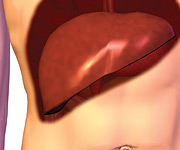 One of the hardest-working organs in the body, the liver detoxifies environmental contaminants and drugs, manufactures critical compounds needed for blood clotting, and manages cholesterol levels in the blood. Not surprisingly, these chemical reactions produce massive amounts of destructive reactive oxygen species in the liver, mainly in the cellular power plants known as mitochondria.
Mitochondria protect themselves from their own reactive oxygen species with glutathione they import from other parts of the cell. When glutathione levels drop, mitochondria become highly vulnerable to oxidative damage—a significant cause of cell death and aging.34 SAMe may help protect the liver by increasing glutathione content in its cells. When researchers added SAMe to cultured rat liver cells, for example, glutathione content nearly doubled, completely protecting cells from oxidative damage.35
SAMe thus offers promise for patients who suffer from various forms of liver and gall bladder disease. Elevated levels of the female hormone estrogen can increase the amount of cholesterol secreted into the gallbladder, putting women—especially those who have had multiple pregnancies and those who use estrogen-containing medications—at a higher risk of gallstones.36,37 Gallstones are hard formations that block the flow of fat-digesting bile and can trigger symptoms such as abdominal pain, fever, and difficulty digesting fatty foods. In a study of six healthy women taking oral estrogen contraceptives, daily treatment with 600 mg of SAMe reduced bile cholesterol by almost one third, suggesting that SAMe may prevent gallstones in women with increased estrogen levels.38
 Patients with other bile-excretion problems can benefit from SAMe as well. One double-blind, placebo-controlled trial studied 220 patients with chronic liver disease and increased blood levels of bilirubin, the main pigment occurring in bile.7 Patients treated with 1600 mg per day of SAMe not only greatly reduced their blood levels of bilirubin and other evidence of liver damage, but also saw dramatic improvements in symptoms such as itching and fatigue. Patients tolerated SAMe as well as placebo.
Cirrhosis, a serious, often-fatal liver condition resulting from inflammation, can be the end product of many different conditions, including alcoholic liver disease and hepatitis. Patients with cirrhosis were recently shown to have a blockage in the enzyme pathway that produces SAMe.39 Without this vital molecule, liver cells cannot carry out their normal detoxification reactions, resulting in further damage to liver tissue. Patients with cirrhosis may therefore require SAMe as an essential nutrient.32
Of course, preventing inflammation in the liver is a better strategy than treating it after it has already occurred. SAMe may work via several mechanisms to help guard against inflammation in the liver. Chemical messengers called cytokines, such as tumor necrosis factor-alpha (TNF-a) and interleukin-1 (IL-1), are intimately involved in the production of inflammation and its resulting tissue damage. In a deadly cycle, alcohol and other toxins reduce glutathione stores in liver cells, making them vulnerable to injury by cytokines, inflammation, and still more oxidative stress.29 In laboratory experiments, SAMe prevented the release of TNF-a by human white blood cells,40 as well as the release of both TNF-a and IL-1 in liver cells.35 In rats that were chronically administered alcohol, supplementation with SAMe restored glutathione levels to normal, thus protecting liver tissue against inflammation.34
Several well-conducted clinical trials have demonstrated SAMe’s benefits in protecting against the effects of alcohol consumption, which could have implications for alcoholic liver disease. As early as 1994, scientists demonstrated that SAMe increases glutathione levels in the red blood 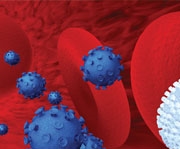 cells of chronic alcohol users.41 In a 1996 trial, 45 patients with alcoholic liver disease and reduced liver function were randomly assigned to receive either SAMe or placebo by intravenous (IV) injection.42 SAMe recipients greatly improved their blood measurements of cell membrane damage caused by oxidation reactions, thus demonstrating SAMe’s protective effect.
A powerful clinical trial in 1999 demonstrated benefits even more impressive. Researchers studied 123 patients with alcoholic liver cirrhosis43 who took 1200 mg per day of SAMe or placebo for two years. Among patients with mild or moderate cirrhosis, rates of death or liver transplant in SAMe patients were less than half those of placebo recipients. Even in patients with severe disease, survival time was greater in the SAMe group. The study authors concluded that SAMe supplementation can improve survival and delay the need for liver transplantation in patients with alcoholic liver cirrhosis.
This powerful evidence of SAMe’s efficacy in treating alcoholic liver disease prompted the National Institutes of Health to hold a symposium on the subject in 2001. According to the published report of the proceedings,44 SAMe treats alcoholic liver disease by at least four mechanisms: increasing glutathione levels, repairing the transport of glutathione into the mitochondria, reducing the toxicity of inflammatory cytokines, and protecting DNA from oxidative damage.
SAMe has also shown value in treating patients with non-alcoholic chronic liver disease. Russian researchers administered 800 mg per day of SAMe intravenously to 32 such patients for 16 days, then followed with oral administration of 1600 mg per day of SAMe. Most of the study subjects improved their symptoms of itching, jaundice, and weight loss, and those who had hepatitis or cirrhosis exhibited significantly less evidence of liver damage on blood tests.45
 SAMe is a naturally occurring biochemical that plays many essential roles in the body. It is manufactured from methionine and adenosine triphosphate (ATP) during a chemical cycle that recycles the sulfur-containing amino acid homocysteine.26 This cycle also relies on folate and B vitamins to work properly.27,28 SAMe acts as a precursor to glutathione, helping to maintain levels of this crucial antioxidant in the liver and brain. When glutathione stores drop, liver damage from oxidative stress begins within seconds of exposure to alcohol and many other toxins.29-31
SAMe contributes to many of the body’s essential physiological processes by acting as a methyl donor. By donating methyl groups (made of carbon and hydrogen), SAMe contributes to the production and recycling of chemical-signaling molecules such as hormones and neurotransmitters, including serotonin, dopamine, noradrenaline, and norepinephrine. Methylation (the process of adding methyl groups) also contributes to gene expression.2 Furthermore, SAMe modifies important molecules in cell membranes that control vital communication between and within cells.32 Since SAMe occurs in virtually all living cells, scientists believe that it has long assisted cells in coping with destructive influences.33
SAMe Relieves Osteoarthritis Pain
 As early as 1975, published scientific studies indicated that SAMe may reduce inflammation and relieve the pain of osteoarthritis. This debilitating condition involves the slow accumulation of microscopic damage to the tissues that line joints, triggering the release of inflammatory cytokines and a destructive cycle of oxidative damage, tissue injury, and further cytokine release. Scientists believe that SAMe’s dramatic success in treating osteoarthritis (also called degenerative arthritis) stems from its ability to reduce inflammatory cytokine activity.46,47
By the late 1980s, numerous laboratory studies had shown that SAMe protects against experimental arthritis in animals by increasing the number and depth of joint-cushioning cartilage cells.48 Researchers found that, compared with cartilage of a placebo group, the cartilage of SAMe-treated animals had greater concentrations of vital joint-cushioning proteins called proteoglycans.49 In a study of joint-lining cells in rabbits,50 SAMe protected against progressive arthritis by restoring joint tissue to its normal state following cell damage by TNF-a.
For more than 20 years, human clinical trials have demonstrated SAMe’s effectiveness in managing arthritis. In 1985, scientists conducted a  double-blind, controlled trial comparing SAMe (1200 mg/day) to ibuprofen (Advil® or Motrin®, 1200 mg/day) among 150 patients with osteoarthritis of the hip and/or knee.51 The study results indicated that SAMe was slightly better than ibuprofen in treating painful manifestations of the disease. Side effects were three times more common in those taking ibuprofen than in those given SAMe.
A wave of studies published in 1987 showed that SAMe was just as effective as various NSAIDs in treating arthritis, with far fewer side effects. For example, in a randomized, controlled Italian study comparing SAMe (1200 mg/day) with naproxen (Naprosyn®, 750 mg/day) in 734 subjects, SAMe exhibited the same pain-relieving activity as naproxen, with far better tolerability as assessed by both physicians and patients.52
Subsequent human studies have demonstrated that SAMe is equal in almost all measures to other anti-inflammatory drugs—including piroxicam (Feldene®),53 indomethacin (Indocin®),54 and celecoxib (Celebrex®)55—in relieving pain and improving function in subjects with osteoarthritis of the knee.
To verify the effects of a specific course of treatment, scientists often conduct a “meta-analysis” of multiple small trials. A 2002 meta-analysis led scientists to conclude that SAMe appears to be as effective as NSAIDs in reducing pain and improving functional limitation in patients with osteoarthritis, without the adverse effects often associated with NSAIDs.5 This impressive conclusion should convince even the most skeptical critics of SAMe’s potent effects in relieving arthritis pain and inflammation.
SAMe is most frequently available in 200-mg or 400-mg tablets. The typical oral dose for depression is 400-1600 mg daily.
 For bone and joint health, the typical dose is 200-1200 mg a day, in divided doses. For liver problems, up to 1600 mg may be taken daily in divided doses. Some of the scientific literature suggests that once positive effects are achieved, the dose of SAMe can be reduced. SAMe’s effects often manifest in two weeks or sooner.56
For optimal effects, stable, enteric-coated SAMe tablets are recommended. SAMe should be consumed on an empty stomach, either one hour before or two hours after meals.56
Safety
 SAMe has a well-established track record of safe use, with minimal side effects. Some researchers, however, have worried that it may contribute to elevated levels of homocysteine, one of the products of SAMe’s chemical cycle in the body.26 Elevated homocysteine is a risk factor for cardiovascular disease.
Fortunately, a 2004 study provides powerful reassurance about this concern. Researchers studied 15 healthy volunteers who took oral SAMe supplements (1600 mg/day) for four weeks.57 None of the subjects experienced any increase in homocysteine levels during the treatment. Nonetheless, to prevent the possibility of elevated homocysteine, the Physician’s Desk Reference® recommends taking supplemental vitamins B6, B12, and folic acid, and possibly trimethylglycine (TMG), while using supplemental SAMe.56
People with bipolar disorder (previously known as manic-depressive illness) can develop mania (excitability, grandiose thinking, excessive energy, etc.) in response to supplementation with SAMe, and should therefore not use SAMe unless under medical supervision.14,58 Individuals taking antidepressant medications should likewise consult their physicians before taking SAMe in place of or in addition to those medications.56
SAMe is not recommended for use in children or nursing mothers. Pregnant women should use SAMe only under a physician’s recommendation.56
 While SAMe is best known for its effects in treating depression, liver disease, and arthritis, recent findings reveal its promise in supporting healthy endothelial function. Endothelial dysfunction occurs when the cells lining small blood vessels fail to respond to the demand for increased blood flow.59 It underlies both atherosclerosis and high blood pressure,60,61 and has many causes, including oxidative damage due to metabolic and other disorders.62,63
In 2005, researchers examined 608 elderly people to determine how well their arteries responded to nitroglycerin, a drug that stimulates increased blood flow.64 They found that subjects with naturally higher SAMe levels had better arterial responsiveness compared to those who had lower levels. This suggests that SAMe helps support healthy endothelial function, and that it could find further applications for individuals suffering from the effects of endothelial dysfunction.
Endothelial damage can result from ischemia, or low oxygen levels, as occurs in heart attacks and strokes. Ischemia and resulting endothelial damage can also occur following an organ transplant, as this surgical procedure temporarily interrupts blood and oxygen supply. In a promising animal study, pre-treatment with SAMe prevented ischemia-induced damage to endothelial tissue and organs following an organ transplant.65
This finding has tremendous implications, and suggests that SAMe may one day be used to protect blood-vessel endothelium and organs from ischemia-induced damage.
Conclusion
When Life Extension introduced SAMe to American consumers over 10 years ago, few recognized it as a major step forward in the science of natural health care. Yet decades of accumulating studies show that this remarkable natural compound matches the efficacy of many popular prescription drugs in combating conditions as varied as depression and arthritis—with minimal or no side effects.
SAMe was a relatively expensive nutrient when introduced to the US market a decade ago. Since then, the cost of synthesizing pharmaceutical-quality SAMe has been greatly reduced. Its affordability, enviable safety record, and growing number of diverse health applications—including promoting the health of the liver and endothelium—make SAMe worthy of inclusion in every well-rounded supplement regimen.
Material used with permission of Life Extension. All rights reserved.
1. Vedantum S. Antidepressants a suicide risk for young adults. The Washington Post. December 14, 2006:A16
2. Friedel HA, Goa KL, Benfield P. S-adenosyl-L-methionine. A review of its pharmacological properties and therapeutic potential in liver dysfunction and affective disorders in relation to its physiological role in cell metabolism. Drugs. 1989 Sep;38(3):389-416.
3. Pancheri P, Scapicchio P, Chiaie RD. A double-blind, randomized parallel-group, efficacy and safety study of intramuscular S-adenosyl-L-methionine 1,4-butanedisulphonate (SAMe) versus imipramine in patients with major depressive disorder. Int J Neuropsychopharmacol. 2002 Dec;5(4):287-94.
4. Roncaglia N, Locatelli A, Arreghini A, et al. A randomised controlled trial of ursodeoxycholic acid and S-adenosyl-l-methionine in the treatment of gestational cholestasis. BJOG. 2004 Jan;111(1):17-21.
5. Soeken KL, Lee WL, Bausell RB, Agelli M, Berman BM. Safety and efficacy of S-adenosylmethionine (SAMe) for osteoarthritis. J Fam Pract. 2002 May;51(5):425-30.
6. Mischoulon D, Fava M. Role of S-adenosyl-L-methionine in the treatment of depression: a review of the evidence. Am J Clin Nutr. 2002 Nov;76(5):1158S-61S.
7. Frezza M, Surrenti C, Manzillo G, et al. Oral S-adenosylmethionine in the symptomatic treatment of intrahepatic cholestasis. A double-blind, placebo-controlled study. Gastroenterology. 1990 Jul;99(1):211-5.
8. Kagan BL, Sultzer DL, Rosenlicht N, Gerner RH. Oral S-adenosylmethionine in depression: a randomized, double-blind, placebo-controlled trial. Am J Psychiatry. 1990 May;147(5):591-5.
9. Gibbons RD, Hur K, Bhaumik DK, Mann JJ. The relationship between antidepressant prescription rates and rate of early adolescent suicide. Am J Psychiatry. 2006 Nov;163(11):1898-904.
10. Rihmer Z, Akiskal H. Do antidepressants t(h)reat(en) depressives? Toward a clinically judicious formulation of the antidepressant-suicidality FDA advisory in light of declining national suicide statistics from many countries. J Affect Disord. 2006 Aug;94(1-3):3-13.
11. Monaco P, Quattrocchi F. Study of the antidepressive effects of a biological transmethylating agent (S-adenosyl-methione or SAM). Riv Neurol. 1979 Nov;49(6):417-39.
12. Papakostas GI, Alpert JE, Fava M. S-adenosyl-methionine in depression: a comprehensive review of the literature. Curr Psychiatry Rep. 2003 Dec;5(6):460-6.
13. Carney MW, Edeh J, Bottiglieri T, Reynolds EM, Toone BK. Affective illness and S-adenosyl methionine: a preliminary report. Clin Neuropharmacol. 1986;9(4):379-85.
14. Carney MW, Toone BK, Reynolds EH. S-adenosylmethionine and affective disorder. Am J Med. 1987 Nov 20;83(5A):104-6.
15. Bottiglieri T, Godfrey P, Flynn T, et al. Cerebrospinal fluid S-adenosylmethionine in depression and dementia: effects of treatment with parenteral and oral S-adenosylmethionine. J Neurol Neurosurg Psychiatry. 1990 Dec;53(12):1096-8.
16. Bell KM, Potkin SG, Carreon D, Plon L. S-adenosylmethionine blood levels in major depression: changes with drug treatment. Acta Neurol Scand Suppl. 1994;154:15-8.
17. Lipinski JF, Cohen BM, Frankenburg F, et al. Open trial of S-adenosylmethionine for treatment of depression. Am J Psychiatry. 1984 Mar;141(3):448-50.
18. Rosenbaum JF, Fava M, Falk WE, et al. The antidepressant potential of oral S-adenosyl-l-methionine. Acta Psychiatr Scand. 1990 May;81(5):432-6.
19. Delle CR, Pancheri P, Scapicchio P. Efficacy and tolerability of oral and intramuscular S-adenosyl-L-methionine 1,4-butanedisulfonate (SAMe) in the treatment of major depression: comparison with imipramine in 2 multicenter studies. Am J Clin Nutr. 2002 Nov;76(5):1172S-6S.
20. Alpert JE, Papakostas G, Mischoulon D, et al. S-adenosyl-L-methionine (SAMe) as an adjunct for resistant major depressive disorder: an open trial following partial or nonresponse to selective serotonin reuptake inhibitors or venlafaxine. J Clin Psychopharmacol. 2004 Dec;24(6):661-4.
21. Fava M, Giannelli A, Rapisarda V, Patralia A, Guaraldi GP. Rapidity of onset of the antidepressant effect of parenteral S-adenosyl-L-methionine. Psychiatry Res. 1995 Apr 28;56(3):295-7.
22. Shippy RA, Mendez D, Jones K, Cergnul I, Karpiak SE. S-adenosylmethionine (SAM-e) for the treatment of depression in people living with HIV/AIDS. BMC Psychiatry. 2004 Nov 11;438.
23. Berlanga C, Ortega-Soto HA, Ontiveros M, Senties H. Efficacy of S-adenosyl-L-methionine in speeding the onset of action of imipramine. Psychiatry Res. 1992 Dec;44(3):257-262.
24. Jacobsen S, nneskiold-Samsoe B, Andersen RB. Oral S-adenosylmethionine in primary fibromyalgia. Double-blind clinical evaluation. Scand J Rheumatol. 1991;20(4):294-302.
25. Tavoni A, Vitali C, Bombardieri S, Pasero G. Evaluation of S-adenosylmethionine in primary fibromyalgia. A double-blind crossover study. Am J Med. 1987 Nov 20;83(5A):107-10.
26. Miller AL. The methionine-homocysteine cycle and its effects on cognitive diseases. Altern Med Rev. 2003 Feb;8(1):7-19.
27. Bottiglieri T. Folate, vitamin B12, and neuropsychiatric disorders. Nutr Rev. 1996 Dec;54(12):382-90.
28. Bottiglieri T, Laundy M, Crellin R, et al. Homocysteine, folate, methylation, and monoamine metabolism in depression. J Neurol Neurosurg Psychiatry. 2000 Aug;69(2):228-32.
29. Colell A, Garcia-Ruiz C, Miranda M, et al. Selective glutathione depletion of mitochondria by ethanol sensitizes hepatocytes to tumor necrosis factor. Gastroenterology. 1998 Dec;115(6):1541-51.
30. Fernandez-Checa JC, Kaplowitz N, Garcia-Ruiz C, et al. GSH transport in mitochondria: defense against TNF-induced oxidative stress and alcohol-induced defect. Am J Physiol. 1997 Jul;273(1 Pt 1):G7-17.
31. Patrick L. Toxic metals and antioxidants: Part II. The role of antioxidants in arsenic and cadmium toxicity. Altern Med Rev. 2003 May;8(2):106-28.
32. Chawla RK, Bonkovsky HL, Galambos JT. Biochemistry and pharmacology of S-adenosyl-L-methionine and rationale for its use in liver disease. Drugs. 1990;40 Suppl 3:98-110.
33. Sofia HJ, Chen G, Hetzler BG, Reyes-Spindola JF, Miller NE. Radical SAM, a novel protein superfamily linking unresolved steps in familiar biosynthetic pathways with radical mechanisms: functional characterization using new analysis and information visualization methods. Nucleic Acids Res. 2001 Mar 1;29(5):1097-106.
34. Fernandez-Checa JC, Colell A, Garcia-Ruiz C. S-Adenosyl-L-methionine and mitochondrial reduced glutathione depletion in alcoholic liver disease. Alcohol. 2002 Jul;27(3):179-83.
35. Arias-Diaz J, Vara E, Garcia C et al. S-adenosylmethionine protects hepatocytes against the effects of cytokines. J Surg Res. 1996 Apr;62(1):79-84.
36. Dhiman RK, Chawla YK. Is there a link between oestrogen therapy and gallbladder disease? Expert Opin Drug Saf. 2006 Jan;5(1):117-29.
37. Richardson WS, Carter KM, Helm B, et al. Risk factors for gallstone disease in the laparoscopic era. Surg Endosc. 2002 Mar;16(3):450-2.
38. Di PC, Tritapepe R, Di PF, Frezza M, Stramentinoli G. S-adenosyl-L-methionine antagonizes oral contraceptive-induced bile cholesterol supersaturation in healthy women: preliminary report of a controlled randomized trial. Am J Gastroenterol. 1984 Dec;79(12):941-4.
39. Look MP, Riezler R, Reichel C, et al. Is the increase in serum cystathionine levels in patients with liver cirrhosis a consequence of impaired homocysteine transsulfuration at the level of gamma-cystathionase? Scand J Gastroenterol. 2000 Aug;35(8):866-72.
40. Yu J, Sauter S, Parlesak A. Suppression of TNF-alpha production by S-adenosylmethionine in human mononuclear leukocytes is not mediated by polyamines. Biol Chem. 2006 Dec;387(12):1619-27.
41. Loguercio C, Nardi G, Argenzio F, et al. Effect of S-adenosyl-L-methionine administration on red blood cell cysteine and glutathione levels in alcoholic patients with and without liver disease. Alcohol Alcohol. 1994 Sep;29(5):597-604.
42. Diaz BA, Dominguez HR, Uribe AF. Parenteral S-adenosylmethionine compared to placebos in the treatment of alcoholic liver diseases. An Med Interna. 1996 Jan;13(1):9-15.
43. Mato JM, Camara J, Fernandez de PJ, et al. S-adenosylmethionine in alcoholic liver cirrhosis: a randomized, placebo-controlled, double-blind, multicenter clinical trial. J Hepatol. 1999 Jun;30(6):1081-9.
44. Purohit V, Russo D. Role of S-adenosyl-L-methionine in the treatment of alcoholic liver disease: introduction and summary of the symposium. Alcohol. 2002 Jul;27(3):151-4.
45. Podymova SD, Nadinskaia MIu. Clinical trial of heptral in patients with chronic diffuse liver disease with intrahepatic cholestasis syndrome. Klin Med (Mosk). 1998;76(10):45-8.
46. Polli E, Cortellaro M, Parrini L, Tessari L, Cherie LG. Pharmacological and clinical aspects of S-adenosylmethionine (SAMe) in primary degenerative arthropathy (osteoarthrosis). Minerva Med. 1975 Dec 5;66(83):4443-59.
47. Stramentinoli G, Pezzoli C, Catto E. Anti-inflammatory and analgesic action of S-adenosyl-L-methionine (SAMe) in experimental tests on laboratory animals. Minerva Med. 1975 Dec 5;66(83):4434-42.
48. Barcelo HA, Wiemeyer JC, Sagasta CL, Macias M, Barreira JC. Effect of S-adenosylmethionine on experimental osteoarthritis in rabbits. Am J Med. 1987 Nov 20;83(5A):55-9.
49. Barcelo HA, Wiemeyer JC, Sagasta CL, Macias M, Barreira JC. Experimental osteoarthritis and its course when treated with S-adenosyl-L-methionine. Rev Clin Esp. 1990 Jun;187(2):74-8.
50. Gutierrez S, Palacios I, Sanchez-Pernaute O, et al. SAMe restores the changes in the proliferation and in the synthesis of fibronectin and proteoglycans induced by tumour necrosis factor alpha on cultured rabbit synovial cells. Br J Rheumatol. 1997 Jan;36(1):27-31.
51. Glorioso S, Todesco S, Mazzi A, et al. Double-blind multicentre study of the activity of S-adenosylmethionine in hip and knee osteoarthritis. Int J Clin Pharmacol Res. 1985;5(1):39-49.
52. Caruso I, Pietrogrande V. Italian double-blind multicenter study comparing S-adenosylmethionine, naproxen, and placebo in the treatment of degenerative joint disease. Am J Med. 1987 Nov 20;83(5A):66-71.
53. Maccagno A, Di Giorgio EE, Caston OL, Sagasta CL. Double-blind controlled clinical trial of oral S-adenosylmethionine versus piroxicam in knee osteoarthritis. Am J Med. 1987 Nov 20;83(5A):72-7.
54. Vetter G. Double-blind comparative clinical trial with S-adenosylmethionine and indomethacin in the treatment of osteoarthritis. Am J Med. 1987 Nov 20;83(5A):78-80.
55. Najm WI, Reinsch S, Hoehler F, Tobis JS, Harvey PW. S-adenosyl methionine (SAMe) versus celecoxib for the treatment of osteoarthritis symptoms: a double-blind cross-over trial. BMC Musculoskelet Disord. 2004 Feb 26;5:6.
56. Available at: http://www.pdrhealth.com/drug_info/nmdrugprofiles/nutsupdrugs/sad_0231.shtml. Accessed February 5, 2007.
57. Goren JL, Stoll AL, Damico KE, Sarmiento IA, Cohen BM. Bioavailability and lack of toxicity of S-adenosyl-L-methionine (SAMe) in humans. Pharmacotherapy. 2004 Nov;24(11):1501-7.
58. Carney MW, Chary TK, Bottiglieri T, Reynolds EH. The switch mechanism and the bipolar/unipolar dichotomy. Br J Psychiatry. 1989 Jan;154:48-51.
59. Han SH, Quon MJ, Koh KK. Reciprocal relationships between abnormal metabolic parameters and endothelial dysfunction. Curr Opin Lipidol. 2007 Feb;18(1):58-65.
60. Martens FM, Visseren FL. The operative risk factors in the metabolic syndrome: is it lipids and high BP or are there direct vascular effects of insulin resistance and obesity. Curr Diab Rep. 2007 Feb;7(1):74-81.
61. Wassink AM, Olijhoek JK, Visseren FL. The metabolic syndrome: metabolic changes with vascular consequences. Eur J Clin Invest. 2007 Jan;37(1):8-17.
62. Purushothaman KR, Meerarani P, Moreno PR. Inflammation and neovascularization in diabetic atherosclerosis. Indian J Exp Biol. 2007 Jan;45(1):93-102.
63. Soucy KG, Lim HK, Benjo A, et al. Single exposure gamma-irradiation amplifies xanthine oxidase activity and induces endothelial dysfunction in rat aorta. Radiat Environ Biophys. 2007 Jan 26.
64. Spijkerman AM, Smulders YM, Kostense PJ, et al. S-adenosylmethionine and 5-methyltetrahydrofolate are associated with endothelial function after controlling for confounding by homocysteine: the Hoorn Study. Arterioscler Thromb Vasc Biol. 2005 Apr;25(4):778-84.
65. Net M, Valero R, Almenara R, et al. Hepatic preconditioning after prolonged warm ischemia by means of S-adenosyl-L-methionine administration in pig liver transplantation from non-heart-beating donors. Transplantation. 2003 Jun 27;75(12):1970-7.
Related products
-

SAM-e (S-Adenosyl-Methionine) 400 mg 30 tablets
Price: 34,72 €Promotes brain and liver health Helps maintain stable mood Helps maintain... -
SAM-e (S-Adenosyl-Methionine) 400 mg 60 tablets
Price: 64,15 €Promotes brain and liver health Helps maintain stable mood Helps maintain...
Related posts
-
 Rebuild Aging Joints!
In this article, you will learn about UC-II®, or undenatured type II collagen, a novel intervention for both...
Rebuild Aging Joints!
In this article, you will learn about UC-II®, or undenatured type II collagen, a novel intervention for both... -
Is Conventional Pomegranate Extract Enough?
An abundance of clinical data has established pomegranate as a broad-spectrum, multi-modal defense against the...
-
Next-Generation Nutrients for Rapid Relief of Joint Pain
In recent years, adults seeking relief from the crippling pain of arthritis have had to choose between expensive,...
-
Feed Your Brain!
Millions of people around the world are adhering to low-fat, low-cholesterol diets in an effort to reduce the impact...
-
Lipoic Acid Reverses Mitochondrial Decay
It is estimated that 85% of the oxygen contained in every breath you take is consumed by the mitochondria within each...