
 English
 Polski
 Deutsch
 Français
 ελληνικά
 Español
 Italiano
Safely Manage Autoimmune Diseases
 Mainstream medicine has no cure for the millions who suffer from crippling autoimmune conditions such as arthritis, lupus, and psoriasis.1
Victims of autoimmune disease are often injected with costly and potentially dangerous drugs that suppress the immune system, leaving the patient vulnerable to future infections and at an increased risk for cancer.1-3 Victims of autoimmune disease have little choice but to live in those moments between the pain.
However, a sudden explosion of scientific interest has occurred in a glucoside extract from the white peony root for its ability to treat autoimmune diseases by bringing a dysfunctional, over-excited immune system back into balance.4,5
Peony glucosides are extracted from the root of the peony flower. Peonies are members of the same botanical family as the buttercup and produce fragrant flowers in a variety of colors.6 The peony is an extremely long-lived plant, and it is not uncommon for peonies to live for a hundred years. They have been cultivated in both Japan and China for at least several centuries, perhaps even a millennium.6
The peony plant has been recorded to have medicinal properties since the times of Hippocrates and is still widely used today in both Indian and Chinese medical systems.7 There are many different varieties of Peony plants, Red Peony and White Peony among them. The most common species used in medicine today is White Peony—named for the color of its roots, not its flowers (which can include a number of color variations).6
Because of its ability to rebalance a malfunctioning immune system due to its unique dual-acting mechanisms, peony glucosides are now recognized as a drug by the Chinese State Food and Drug Administration for treatment of rheumatoid arthritis, one of the leading autoimmune diseases.5
Unlike the dangerous drugs used to treat autoimmune disorders, peony glucosides work to simultaneously suppress excessive harmful immune functions while also boosting calming immune components.4 A calm and balanced immune system is the most important step in reducing the pain and threat of autoimmune disorders.
Chinese scientists have discovered a broad spectrum of applications for peony glucosides for those suffering from autoimmune disorders.
Dual Action Restores Immune Balance
 Peony glucosides , unlike most medications, have multiple mechanisms of action that include immuno-modulatory properties and the reduction of inflammation-promoting molecules that are typically elevated in autoimmune diseases.4,8-15
Peony extract contains specific molecules found in plants known as glucosides. The most abundant and active glucoside is Paeoniflorin (pay-own-i-floor-in), which is responsible for much of Peony’s medicinal benefits.4 Paeoniflorin is so important in peony glucosides that it is used to standardize the formulation to a specific amount of paeoniflorin.4
Paeoniflorin has been shown to normalize out-of-control immune system cells that can be out of balance in autoimmune diseases.4,8-15 In a healthy person, these immune cells maintain a steady balance between the inflammatory and anti-inflammatory stimuli. However, in autoimmune diseases, numerous cells produce inflammatory chemicals, which results in non-stop, destructive inflammation.
Through a series of mechanisms, paeoniflorin promotes a rebalance between inflammatory cells and calming anti-inflammatory cells.13,16,17 This rebalance sharply reduces production of inflammatory cytokines and breaks the cycle of ever-increasing levels of inflammation, especially in the areas of the body most vulnerable to autoimmune attack, such as joints and blood vessels.12,13
Paeoniflorin has also been shown to account for many of the pain-relieving properties of peony glucosides. Studies of experimentally-induced arthritis in rats demonstrate reduced swelling and scar tissue in joints, along with decreases in bone and cartilage destruction; together, all of these factors affect how much pain people feel from their arthritis.18
In laboratory mice with excessive inflammation (for example, those with arthritis or psoriasis), peony glucosides inhibited over-active immune reactions, resulting in reduced cytokines and overall inflammation.4 But in animals whose immune system is suppressed (similar to people treated with steroids, having chemotherapy, or with immune-impairing diseases such as HIV/AIDS), peony glucosides enhanced the immune response, bringing antibodies and immune system attack cells back up.4 Translated into human terms, this implies that people with overactive immune systems, such as those with lupus and other autoimmune diseases, would benefit from the immune-suppressing effects of peony glucosides. At the same time, those with suppressed immune systems would see fewer serious infections and a lower cancer rate.
Peony glucosides achieve this immune balance by a variety of subtle mechanisms that include slowing the maturation of cells that promote immune responses while boosting maturation of the regulatory cells that return the immune system to its normal, neutral state.17,19 This level of immune balancing is beyond what current medications can do (medications typically either boost or suppress immunity, not both at the same time). The result of this balancing act is likely to be a substantial reduction in symptoms and flare-ups of both autoimmune diseases and their counterparts, infections and cancers in people with under-active immunity.
This dual action immune balancing extends all the way to target tissues. For example, in rheumatoid arthritis, over-active joint-lining cells create a hyperinflammatory response in the joint, producing pain and destruction of the joint surfaces. Peony glucosides prevent those cells from becoming over-stimulated, sparing the joint from autoimmune damage and reducing joint pain and swelling.9,17,18,20
Unlike mainstream medications that aim only to shut down the inflammatory response, peony glucosides are a true immunomodulator, which rebalances the disordered immune response and enables the body to restore its own equilibrium.

- Autoimmune diseases—when the body attacks itself—are among the most heartbreaking of human conditions.
- Conventional medical therapy aims purely at reducing inflammation, which results in a state of immune suppression and leaves the patient vulnerable to life-threatening infections and cancers.
- Newer drugs also raise the risk of developing additional diseases, and all are tremendously expensive.
- Peony glucosides are a time-honored component of traditional Chinese medicine; today it is certified as a drug in China for use in autoimmune disorders.
- Peony glucosides act naturally, not to simply quash inflammation, but rather to rebalance the disordered immune system, promoting development of regulatory, inflammation-fighting cells while suppressing pro-inflammatory cells and the deadly cytokines they produce.
- One of the main therapeutic components found in peony glucosides is paeoniflorin.
- To date peony glucosides have been used in clinical trials involving conditions such as rheumatoid arthritis, lupus, Sjogren’s syndrome, psoriasis, and other lesser-known conditions.
- In numerous scientific studies, peony glucosides have been demonstrated to significantly and meaningfully restore immune system balance, reduce symptoms, speed onset of remissions, and reduce the amount of dangerous immunosuppressive drugs required.
Autoimmune Arthritis
 In China, peony glucosides are an approved drug for treatment of rheumatoid arthritis, the most common autoimmune arthritis.5,21
In laboratory experiments, animals with rheumatoid arthritis develop increased numbers of inflammatory cells. These cells then produce high levels of inflammatory cytokines resulting in destructive inflammation of the delicate tissues lining the joints. The end result is destruction of the joint. Supplementation with peony glucosides appears to reduce the population of inflammation-provoking cells while increasing the inflammation-suppressing ones.16 The result is that inflammatory cytokine levels fall while the over-active immune response in the joints begins to reverse; animal studies show that this biochemical reversal of inflammation is accompanied by reversal in joint damage and pain.9,13,17,18, 20,22
Treatment with peony glucosides produces a significant reduction in both arthritis severity and joint damage.16,18,23,24 Studies in animals with experimentally-induced arthritis, for example, demonstrate a reduction in clinical manifestations of arthritis after treatment with peony glucosides.23,24 Arthritis scores, numerical summaries of joint swelling, range of movement, and other parameters are lower in supplemented animals than in controls.16,24 Finally, autopsy results of these experimental animals reveal significant reductions in visible joint damage of the kind that produces pain and immobility in human sufferers.18
As an added benefit in preventing the further destruction caused by arthritis, peony glucosides reduce the excessive new blood vessel growth (angiogenesis) that contributes to excessive tissue growth within the joint.25 When excess tissue builds up inside a joint, victims experience decreased range of motion, stiffness, and often pain with movement, as they try to force the joint to overcome the obstruction created by bulky tissue.
Human studies with peony glucosides have focused on its use in conjunction with mainstream therapies. One early study found that adding peony glucosides to a standard drug, methotrexate, originally used for chemotherapy, resulted in a faster onset of action, and lowered serum measures of inflammation significantly more than with the drug alone.26
Additional studies demonstrated that more people (97.5%) experienced at least some relief when treated with both peony glucosides and a standard immunomodulatory drug, leflunomide, compared with those treated with the drug alone ( 85%).27
Levels of inflammation fell faster when peony glucosides were included in medication regimens, and the onset of protective action was faster.26-28Peony glucosides also reduce the liver toxicity of the commonly-used combination of methotrexate and leflunomide with improvements in clinical disease scores.29

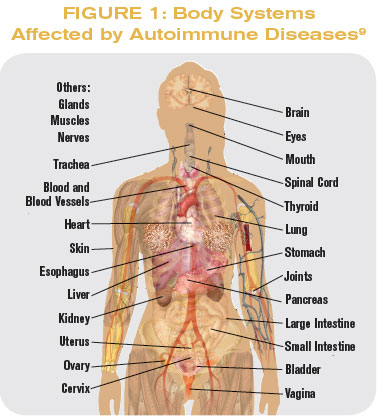
Autoimmune diseases are extremely painful and difficult to treat. In these conditions, which affect more than 23.5 million Americans ( 5 to 8%), the body turns on itself, launching a relentless attack on its own tissues.1,52 The resulting suffering is often crippling. Virtually every organ system in the human body is vulnerable to autoimmune diseases. The US National Institutes of Health estimates that at least 80 human diseases have a major autoimmune component, and new diseases continue to be added to that list.1,51 Rheumatoid arthritis, psoriasis, lupus, and inflammatory bowel diseases lead the list, but type I diabetes, multiple sclerosis, and a host of less well-known disorders such as Sjogren’s syndrome and certain types of anemia are also autoimmune conditions.51-53 Regardless of the specific disorder in question, all autoimmune diseases share several common features: An imbalance in the immune system leading to deregulated inflammatory pathways.54 In some autoimmune diseases, pro-inflammatory white blood cells predominate, with abnormally low numbers of inflammation-suppressing, or regulatory cells.54 The result is a massive release of “auto-antibodies,” which attack the host’s own tissues.52 Tissues that are attacked by auto-antibodies are then subject to an excess of inflammatory cytokines.55 Cytokines are signaling molecules that white blood cells use to communicate with one another about the site and nature of a foreign invasion.55 The net result is an aggressive attack on normal body tissue that has been incorrectly identified as alien to the body.51 For example, the joints are the target tissue in autoimmune arthritis such as rheumatoid and psoriatic arthritis; the skin and the kidneys are primary targets in lupus; psoriasis targets the skin, and inflammatory bowel diseases target the intestines. The flood of inflammation destroys tissues in the target organs first, but as the storm rages on, inflammation increases throughout the whole body, leading to damage in other areas far from the original target.56 Mainstream medicine’s best offerings still include older drugs that simply kill off the rapidly-reproducing inflammatory cells, as well as newer “biological agents,” which are specialized antibodies that target inflammatory cytokines to neutralize them.57-59 The main problem with these treatments is that they focus on immunosuppression, which may lower the inflammation but can open the door to many other health problems.59 By focusing only on reducing inflammation, rather than on rebalancing the entire system, these drugs put the patient at increased risk of new diseases, such as invasion by microbes or cancer.1,2 And the “biological agents” such as the drugs Etanercept®, Adalimumab®, among others are crushingly expensive, must be given by IV injection, and may complicate disease states by producing their own autoimmune reactions.59,60 A better treatment option would be to gently restore the natural balance between inflammation-promoting and inflammation-suppressing cells, in other words, a dual-action approach. According to the latest scientific data, this dual-action mechanism is precisely how peony glucosides work in the face of autoimmune disorders.4,5
Lupus
 Lupus is a chronic inflammatory disease that can impact your entire body including joints, skin, heart, lungs, blood vessels, nervous system, liver, and kidneys as well as increase your risk of cancer and infections.30 Attacking women 9 times as often as men, the disease occurs in cycles of flares (exacerbations) followed by periods of lower activity (remissions).31 Doctors usually treat the symptoms of lupus with a mix of powerful drugs that includes antimalarial drugs, corticosteroids, immune suppressants, and NSAIDs.30 However, despite these medical interventions, the underlying causative factors remain, and the disease can return at any time.
Studies show that peony glucosides, when used for 5 years or more, can dramatically reduce the rate of people experiencing lupus flares to just 3%, compared with 19% in those using the supplement for less than 5 years or only intermittently, and 35% in those not using it at all.32
When peony glucosides are used in combination with mainstream medicines, the results include reductions in disease activity, less need for prednisone and other immunosuppressive therapies, and a reduced rate of infections.33 Lab indicators of disease severity dropped along with lower levels of certain inflammatory markers and lower levels of the characteristic lupus autoantibody, indicating a lower level of lupus disease activity in the body.
In patients receiving only mainstream drug therapy, rates of remission were 6.4%, while rates of partial remission were 29.0%, and those for whom it was ineffective was 64.5%. However, in those patients who received peony glucosides plus standard medical treatment, the results were 20.7% for remission, 51.7% for partial remission, and only 27.6% ineffective after 3 months of supplementation.34
Other studies of peony glucosides combined with Western-style medications reveal similar positive results—faster onset of action, decreased number of side effects, lowered markers of inflammation, and reduced need for immune-suppressive medications.26-28,34-36
Lab studies show that peony glucosides produce these significant improvements in lupus patients through a rebalancing of immune system cells, possibly by increasing the number of cells that suppress inflammation.37,38 And in mouse studies, animals with lupus and its associated kidney disease (nephritis) had a significant reduction in urinary protein content, indicating improved kidney function, following supplementation.39 Supplemented animals’ kidneys also showed less visible lupus-related damage, and serum levels of lupus-related autoantibodies dropped significantly.39

There are brief reports on peony glucosides in the management of more obscure autoimmune disorders. From these we learn that:
Patients with uveitis, an autoimmune inflammation of the middle portion of the eye (iris and its delicate support structures), have a rebalancing of their inflammation-controlling immune cells after supplementation.61 This provides an excellent example of the unique, dual-acting properties peony glucosides.
Peony glucosides increase the efficacy of standard immunosuppressive drug treatment at decreasing the markedly elevated levels of antibodies in the serum of people with mixed connective tissue disease, a condition in which multiple body tissues are simultaneously under attack.62,63
Seventy-three percent of patients with chronic urticaria responded to treatment with peony glucosides, while those on anti-inflammatory medications only had a significantly lower 48% effective rate.64 In chronic urticaria, weeping, itchy skin lesions persist often for years, with unsightly scarring as well.
Peony glucosides was effective in up to 68% of patients with alopecia areata, an autoimmune disorder in which the hair follicles are targets of inflammation, resulting in patchy baldness.65 This study demonstrated significant reductions in pro-inflammatory regulating cells, and a similar increase in inflammation-suppressing cells, again demonstrating the dual action of the supplement.
Psoriasis
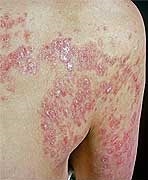 Psoriasis is an autoimmune skin condition that produces an itchy and unsightly scaling rash. It is responsible for untold misery and social isolation, and is a disease crying out for a safe and effective response.40
To date, only one human clinical trial of peony glucosides in psoriasis has been conducted, but the results are promising. Thirty-five psoriasis patients who were in remission were monitored during supplementation.41 At baseline, even though they were in remission, all the patients had elevated levels of inflammatory cytokines, indicating a smoldering disease process. But after supplementation, there was a significant decrease in these cytokine levels, indicating that the fires of inflammation had been successfully tamed.
Psoriatic arthritis is a form of arthritis that sometimes affects psoriasis sufferers; its features are similar to those of rheumatoid arthritis. In a 2013 study, 19 patients underwent 12-weeks of supplementation with peony glucosides only.5 Six (32%) had at least a 25% improvement in their disease activity, and of that group all demonstrated a continuous decrease in the number of pro-inflammatory cells and simultaneous drop in inflammatory cytokines. This is one of the first-ever studies demonstrating such dramatic effects in patients treated solely with peony glucosides.
Sjogren's Syndrome
 Sjogren's syndrome is the second most-common autoimmune rheumatic disease, afflicting somewhere between 2 and 4 million Americans—the vast majority of whom are post-menopausal women.42-44 In this disease, inflammatory cytokines released from immune cells and autoantibodies destroy secretory glands, especially salivary and tear glands.43,44
People with Sjogren's syndrome suffer from dry eyes, mouth, nose, throat, and vagina, and have a massive (20- to 40-fold) increase in the risk of malignant lymphoma.42 The disease can be diagnosed and its progress tracked by specific autoantibodies, which can be sharply reduced with peony glucosides supplementation.45-47
Mouse studies reveal similar effectiveness between peony glucosides and the immune-suppressive drug hydroxychloroquine, an antimalarial drug used to treat Sjogren’s syndrome, with prominent reductions in auto-antibodies, and increases in salivary and tear flow rates—but the peony root extract is vastly safer and works by increasing the numbers of inflammation-suppressing regulatory cells, rebalancing the immune response toward normal functioning. 47
Human research from China supports these observations, demonstrating that peony glucosides have similar effectiveness, and was safer than mainstream medications. In a study of patients taking peony glucosides or hydroxychloroquine, both treatments effectively improved saliva and tear production and decreased abnormally high levels of serum antibodies, but adverse effects in the supplement group were 5 cases of diarrhea, while in the drug group, one patient dropped out because of decreased vision, and another for potential liver damage.48
Open trials demonstrate that peony glucosides, 600 mg three times daily, was effective at improving saliva and tear flow rates and reducing markers of inflammation in 21.4% of patients at 12 weeks, and in 57.1% by 36 weeks.49,50
Summary
Autoimmune diseases produce their tragic effects as a result of the body’s attacking itself with antibodies that destroy perfectly healthy tissue.51 These auto-antibodies are the result of an unbalanced immune system, in which normal regulatory cells fail to rein in the actions of inflammatory cells.45
Mainstream medicine fights autoimmune disease on only a single front, by aiming to lower inflammation at all costs. Rather than restoring the balance, this approach simply tips it in the opposite direction, leaving victims vulnerable to life-threatening infections and increasing cancer risks.1,2
Peony glucosides , on the other hand, have a gentle and unique dual-acting mechanism. The supplement restores normal immune system regulation both by raising levels of normal inflammation-suppressing cells, and by directly reducing actions of pro-inflammatory cells.4,5 As a result, the disordered immune system is brought back into its natural balance, and the excessive inflammation subsides.
Peony glucosides work well in combination with mainstream medicine’s arsenal, helping to reduce the amount of dangerous drugs needed to keep the disease at bay and boosting their effectiveness.34
Peony glucosides have now been successfully tested in people with rheumatoid arthritis, with lupus, with Sjogren’s syndrome, and psoriasis.5,26-28,32-34,48 The supplement has been demonstrated to speed the onset of remissions, reduce the rate of flares, and lower the severity of the disease symptoms.5, 26-28,32-34,48
Given the dual and fundamental actions of peony glucosides, there is every reason to believe they will be effective in fighting many of the other autoimmune diseases, including inflammatory bowel disease, thyroid disorders, and many others.
Material used with permission of Life Extension. All rights reserved.
- Available at: http://autoimmune.pathology.jhmi.edu/faqs.cfm. Accessed November 26, 2013.
- Kouklakis G, Efremidou EI, Pitiakoudis M, Liratzopoulos N, Polychronidis A. Development of primary malignant melanoma during treatment with a TNF-alpha antagonist for severe Crohn’s disease: a case report and review of the hypothetical association between TNF-alpha blockers and cancer. Drug Des Devel Ther. 2013;7:195-9.
- Raaschou P, Simard JF, Holmqvist M, Askling J. Rheumatoid arthritis, anti-tumour necrosis factor therapy, and risk of malignant melanoma: nationwide population based prospective cohort study from Sweden. Bmj. 2013;346:f1939.
- He DY, Dai SM. Anti-inflammatory and immunomodulatory effects of Paeonia lactiflora pall., a traditional chinese herbal medicine. Front Pharmacol. 2011;2:10.
- Wang YN, Zhang Y, Wang Y, et al. The beneficial effect of Total Glucosides of Paeony on psoriatic arthritis links to circulating Tregs and Th1 cell function. Phytother Res. 2013 Apr 23.
- Available at: http://www.altmd.com/Articles/White-Peony-Root–Encyclopedia-of-Alternative-Medi. Accessed December 19, 2013.
- Available at: http://www.irjponline.com/admin/php/uploads/977_pdf.pdf. Accessed December 19, 2013.
- Yang J, Wang J, Feng P, Li Y, Ma C, Xu S. Protective effect of total paeony glycoside against cerebral ischemia-reperfusion injury in mice. Zhong Yao Cai. 2000 Feb;23(2):95-7.
- Chang Y, Wei W, Zhang L, Xu HM. Effects and mechanisms of total glucosides of paeony on synoviocytes activities in rat collagen-induced arthritis. J Ethnopharmacol. 2009 Jan 12;121(1):43-8.
- Wu Y, Ren K, Liang C, et al. Renoprotective effect of total glucosides of paeony (TGP) and its mechanism in experimental diabetes. J Pharmacol Sci. 2009 Jan;109(1):78-87.
- Liu GL, Li YC, Shen YJ. Inhibitory effect of total glucosides of paeonia on the NF-kappaB/p65 protein expression in paws of RA rats. Xi Bao Yu Fen Zi Mian Yi Xue Za Zhi. 2010 Nov;26(11):1082-4.
- Tang NY, Liu CH, Hsieh CT, Hsieh CL. The anti-inflammatory effect of paeoniflorin on cerebral infarction induced by ischemia-reperfusion injury in Sprague-Dawley rats. Am J Chin Med. 2010;38(1):51-64.
- Chang Y, Zhang L, Wang C, Jia XY, Wei W. Paeoniflorin inhibits function of synoviocytes pretreated by rIL-1alpha and regulates EP4 receptor expression. J Ethnopharmacol. 2011 Oct 11;137(3):1275-82.
- Huang D, Liu M, Yan X. Effects of total glucosides of peony on expression of inflammatory cytokines and phosphorylated MAPK signal molecules in hippocampus induced by fibrillar Abeta42. Zhongguo Zhong Yao Za Zhi. 2011 Mar;36(6):795-800.
- Li J, Chen CX, Shen YH. Effects of total glucosides from paeony (Paeonia lactiflora Pall) roots on experimental atherosclerosis in rats. J Ethnopharmacol. 2011 May 17;135(2):469-75.
- Wu H, Wei W, Song L, Zhang L, Chen Y, Hu X. Paeoniflorin induced immune tolerance of mesenteric lymph node lymphocytes via enhancing beta 2-adrenergic receptor desensitization in rats with adjuvant arthritis. Int Immunopharmacol. 2007 May;7(5):662-73.
- Chen JY, Wu HX, Chen Y, et al. Paeoniflorin inhibits proliferation of fibroblast-like synoviocytes through suppressing G-protein-coupled receptor kinase 2. Planta medica. May 2012;78(7):665-71.
- Zhang W, Dai SM. Mechanisms involved in the therapeutic effects of Paeonia lactiflora Pallas in rheumatoid arthritis. International immunopharmacology. Sep 2012;14(1):27-31.
- Zhou Z, Lin J, Huo R, et al. Total glucosides of paeony attenuated functional maturation of dendritic cells via blocking TLR4/5 signaling in vivo. Int Immunopharmacol. 2012 Nov;14(3):275-82.
- Zhu L, Wei W, Zheng YQ. Effect and mechanism of action of total glucosides of paeony on synoviocytes from rats with collagen-induced arthritis. Yao Xue Xue Bao. 2006 Feb;41(2):166-70.
- Available at: http://www.rheumatology.org/practice/clinical/patients/diseases_and_conditions/ra.asp. Accessed November 26, 2013.
- Lin J, Xiao L, Ouyang G, et al. Total glucosides of paeony inhibits Th1/Th17 cells via decreasing dendritic cells activation in rheumatoid arthritis. Cell Immunol. 2012 Dec;280(2):156-63.
- Xu HM, Wei W, Jia XY, Chang Y, Zhang L. Effects and mechanisms of total glucosides of paeony on adjuvant arthritis in rats.J Ethnopharmacol. 2007 Feb 12;109(3):442-8.
- Wang QT, Zhang LL, Wu HX, Wei W. The expression change of beta-arrestins in fibroblast-like synoviocytes from rats with collagen-induced arthritis and the effect of total glucosides of paeony.J Ethnopharmacol. 2011 Jan 27;133(2):511-6.
- Deng H, Yan C, Xiao T, Yuan D, Xu J. Total glucosides of Paeonia lactiflora Pall inhibit vascular endothelial growth factor-induced angiogenesis. J Ethnopharmacol. 2010 Feb 17;127(3):781-5.
- Du JH, Dong BD. Comparative study on clinical efficacy of using methotrexate singly or combined with total glucosides of Paeony in treating rheumatoid arthritis. Zhongguo Zhong Xi Yi Jie He Za Zhi. 2005 Jun;25(6):540-2.
- Zhao YX, Liu Y. Clinical observation on effects of leflunomid and total glucosides of paeony on rheumatoid arthritis. Zhongguo Zhong Xi Yi Jie He Za Zhi. 2006 Apr;26(4):355-7.
- Wang Y, Xing HY. Clinical observation on effect of total glucosides of paeony combined with methotrexate on rheumatoid arthritis. Zhongguo Zhong Xi Yi Jie He Za Zhi. 2007 Sep;27(9):839-40.
- Chen Z, Li XP, Li ZJ, Xu L, Li XM. Reduced hepatotoxicity by total glucosides of paeony in combination treatment with leflunomide and methotrexate for patients with active rheumatoid arthritis. Int Immunopharmacol. 2013 Mar;15(3):474-7.
- Available at: http://www.mayoclinic.com/health/lupus/DS00115. Accessed November 27, 2013.
- Available at: http://report.nih.gov/nihfactsheets/ViewFactSheet.aspx?csid=47. Accessed November 27, 2013.
- Zhang HF, Xiao WG, Hou P. Clinical study of total glucosides of paeony in patients with systemic lupus erythematosus. Zhongguo Zhong Xi Yi Jie He Za Zhi. 2011 Apr;31(4):476-9.
- Li Z, Liu Y, Chen L, Fan X, Yang K. Clinical observation of Total Glucosides of Paeony to patients of complicated leukopenia with systemic lupus erythematosus. China Pharmaceuticals.
- Shui Z, Xu J, X L, Wei W, Xu S, Xu S. Clinical study on effect of Total Glucosides of Peony in treating systemic lupus erythematosus as adjuvant treatment. Chinese Journal of Integrated Traditional and Western Medicine. 2003;3.
- Leflunomid combined with total glucosides of paeony to treat 28 patients with systemic lupus erythematosus. Journal of Xinxiang Medical College. 2007;24:295-8.
- Liang X. The effect of Total glucosides of peony on IL-8, TNF-a and INF-a in systemic lupus erythematosus. Chinese Journal of Modern Drug Application. 2008;2:64-66.
- Zhao M, Liang GP, Tang MN, et al. Total glucosides of paeony induces regulatory CD4(+)CD25(+) T cells by increasing Foxp3 demethylation in lupus CD4(+) T cells. Clin Immunol. 2012 May;143(2):180-7.
- Zhao M, Liang G, Luo S, Lu Q. Effect of total glucosides of peony on expression and DNA methylation status of ITGAL gene in CD4(+) T cells of systemic lupus erythematosus. Zhong Nan Da Xue Xue Bao Yi Xue Ban. 2012 May;37(5):463-8.
- Ding ZX, Yang SF, Wu QF, et al. Therapeutic effect of total glucosides of paeony on lupus nephritis in MRL/lpr mice. Nan Fang Yi Ke Da Xue Xue Bao. 2011 Apr;31(4):656-60.
- Kurizky PS, Mota LM. Sexual dysfunction in patients with psoriasis and psoriatic arthritis–a systematic review. Rev Bras Reumatol. 2012 Dec;52(6):943-8.
- Yuying W, Xiaoli X, Jianwen L. Influence of total glucosides of paeony on TNF2αand IL28 in patients with psoriasis vulgaris stationary phase. Modern Journal of Integrated Traditional Chinese and Western Medicine. 2009 June;18(18).
- Fox PC. Autoimmune diseases and Sjogren’s syndrome: an autoimmune exocrinopathy. Ann N Y Acad Sci. 2007 Mar;1098:15-21.
- Mostafa S, Seamon V, Azzarolo AM. Influence of sex hormones and genetic predisposition in Sjogren’s syndrome: a new clue to the immunopathogenesis of dry eye disease. Exp Eye Res. 2012 Mar;96(1):88-97.
- Jin JO, Yu Q. T Cell-Associated cytokines in the pathogenesis of Sjogren’s syndrome. J Clin Cell Immunol. 2013 Feb 26;S!(9).
- Breda L, Nozzi M, De Sanctis S, Chiarelli F. Laboratory tests in the diagnosis and follow-up of pediatric rheumatic diseases: an update. Semin Arthritis Rheum. 2010 Aug;40(1):53-72.
- Theander E, Andersson SI, Manthorpe R, Jacobsson LT. Proposed core set of outcome measures in patients with primary Sjogren’s syndrome: 5 year follow up. J Rheumatol. 2005 Aug;32(8):1495-502.
- Li CL, He J, Li ZG, Zheng LW, Hua H. Effects of total glucosides of paeony for delaying onset of Sjogren’s syndrome: An animal study. J Craniomaxillofac Surg. 2013 Jan 18.
- Zhang HF, Hou P, Xiao WG. Clinical observation on effect of total glucosides of paeony in treating patients with non-systemic involved Sjogren syndrome. Zhongguo Zhong Xi Yi Jie He Za Zhi. 2007 Jul;27(7):596-8.
- Jing L. Clinical application of therapy of total glucosides of paeony (TGP) to Sjogren’s syndrome. China Journal of Modern Medicine. 2006;16:78-80.
- Li XM, et al. Effectiveness and safety of total glucosides of peony in the treatment of patients with Sjogren syndrome. Anhui Medical Journal. 2006;5:370-1.
- Available at: http://www.nlm.nih.gov/medlineplus/ency/article/000816.htm. Accessed December 10, 2013.
- Available at: http://www.niehs.nih.gov/health/materials/autoimmune_diseases_508.pdf. Accessed December 10, 2013.
- Available at: http://autoimmune.pathology.jhmi.edu/adrp.pdf. Accessed December 10, 2103.
- Dejaco C, Duftner C, Grubeck-Loebenstein B, Schirmer M. Imbalance of regulatory T cells in human autoimmune diseases. Immunology. 2006 Mar;117(3):289-300.
- Available at: http://www.ncbi.nlm.nih.gov/books/NBK6453/. Accessed December 10, 2013.
- Available at: http://www.niams.nih.gov/HEALTH_INFO/Autoimmune/default.asp. Accessed December 10, 2013.
- Abolmaali SS, Tamaddon AM, Dinarvand R. A review of therapeutic challenges and achievements of methotrexate delivery systems for treatment of cancer and rheumatoid arthritis. Cancer Chemother Pharmacol. 2013 May;71(5):1115-30.
- Miller AV, Ranatunga SK. Immunotherapies in rheumatologic disorders. Med Clin North Am. 2012 May;96(3):475-96, ix-x.
- Rosman Z, Shoenfeld Y, Zandman-Goddard G. Biologic therapy for autoimmune diseases: an update. BMC Med. 2013 Apr 4;11:88.
- Perez-Alvarez R, Pérez-de-Lis M, Ramos-Casals M; BIOGEAS study group. Biologics-induced autoimmune diseases. Curr Opin Rheumatol. 2013 Jan;25(1):56-64.
- Zhang M, Huang S, Chen M. Immunomodulatory effect of Total Glucosides of Paeony on the patients with endogenous uveitis. 1994.
- Shen Y-x, LI X-h. Study of efect of total peony glucosides on hypergammaglobulinemia in undiferentiated connective tissue disease. Chin J Rheumatol. 2005;9(1).
- Available at: http://my.clevelandclinic.org/disorders/connective-tissue-diseases/hic_mixed_connective_tissue_disease.aspx. Accessed December 10, 2013.
- Long JW, Wang YY, Pi XM, Tu YT. Clinical observation on the treatment of chronic urticaria with total glucosides of paeony capsule combined with citirizine. Chin J Integr Med. 2010 Aug;16(4):353-6.
- Yang DQ, You LP, Song PH, Zhang LX, Bai YP. A randomized controlled trial comparing total glucosides of paeony capsule and compound glycyrrhizin tablet for alopecia areata. Chin J Integr Med. 2012 Aug;18(8):621-5.
Related product
-

Peony Immune
Price: 34,61 €A balanced approach to immune system health Helps maintain immune system...
Related posts
-
 Rebuild Aging Joints!
In this article, you will learn about UC-II®, or undenatured type II collagen, a novel intervention for both...
Rebuild Aging Joints!
In this article, you will learn about UC-II®, or undenatured type II collagen, a novel intervention for both... -
Next-Generation Nutrients for Rapid Relief of Joint Pain
In recent years, adults seeking relief from the crippling pain of arthritis have had to choose between expensive,...
-
Vitamin C and Dihydroquercetin
Every day, our bodies are under continual assault by damaging agents known as free radicals. Generally, both internal...
-
Autoimmune Diseases part 1
Autoimmune diseases are characterized by the body's immune responses being directed against its own tissues, causing...
-
Autoimmune Diseases part 2
In a healthy body, circulating antibodies attack and destroy pathogenic invaders by means of humoral or cell-mediated...