
 English
 Polski
 Deutsch
 Français
 ελληνικά
 Español
 Italiano
Neutralizing Acid in the Esophagus
The public misconception about the underlying causes of heartburn, or GERD, has resulted in widespread use of drugs that dangerously—and excessively—reduce stomach acid. But the human stomach requires acidity for proper functioning.
Gastrointestinal reflux is increasingly a major source of pain, suffering, and diminished quality of life—but it is also a key cause of esophageal cancer.
For years, traditional medicine operated on the simple notion that by using antacids and reducing acid levels alone, they could control the symptoms and potentially fatal consequences of acid reflux.
Neutralizing Acid in the Esophagus
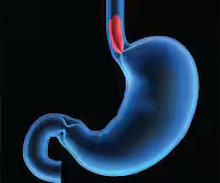 Scientists zeroed in on three natural compounds that, working together, are perfectly suited for a safe, esophageal-protecting effect.
First, calcium carbonate has long been shown to act as an acid buffer and to promote neutralization of acid. Compared to swallowed minerals that work on the stomach, calcium carbonate in a chewable tablet form has been shown to reduce acidity in the esophagus.
Studies have found that calcium carbonate in a chewable tablet form promotes esophageal motility. That is, it enhances the sequential, esophageal muscle contractions that help foods and liquids travel the distance from the mouth to the stomach. This helps block the backwards flow of stomach juices from the stomach into the esophagus and more effectively clears any acid already in the esophagus.
Second, magnesium carbonate adds protection by neutralizing acid. It also provides supplementary magnesium—a nutrient that is frequently eliminated from the body through the use of proton pump inhibitor drugs.
Third, a flavonoid-rich extract of licorice (Glycyrrhiza glabra) has been found to inhibit GERD symptoms. Licorice has been long used in the treatment of ulcers, and modern biochemical studies have now recognized its potent anti-inflammatory properties.
The data on calcium, magnesium, and licorice suggest they may provide safe, protective benefits for GERD patients when taken in chewable tablet form. The real challenge, however, has been to determine whether these natural compounds could be proven effective in clinical trials of humans currently afflicted with acid reflux.
 Due to the mistaken belief that excess stomach acid causes heartburn or GERD, a broad range of potentially deadly drugs are taken daily that reduce stomach acidity. However, the human stomach requires extreme acidity to work properly.
- Calcium carbonate, magnesium carbonate, and deglycyrrhizinated licorice extract target esophageal acid without disrupting gastric acid production.
- Human studies have shown that calcium carbonate, magnesium carbonate, and deglycyrrhizinated licorice extract safely neutralize esophageal acid, improve esophageal motility to prevent acid reflux, and improve protection of esophageal tissue.
Human Trials with Calcium Carbonate
 In one study, a group of 20 otherwise healthy individuals with a history of episodic heartburn were given food designed to induce that affliction—chili, cheese, raw onions, and cola.
An hour after the meal, they were randomized into groups and given varying doses of calcium carbonate in chewable or swallowable tablets, an effervescent solution of bicarbonate of soda (baking soda), or a placebo. For 5.5 hours following the meal, the study team used esophageal and stomach probes to measure acid levels for all volunteers.
Within a half-hour of treatment, acid levels began dropping more effectively in those who had taken the chewable calcium carbonate tablets—compared to any of the swallowable tablet formulations. The chewable group’s pH levels rose significantly in the esophagus, indicating much less acidity, compared to baseline and compared to the placebo group. The researchers were especially impressed that the chewable calcium carbonate—unlike proton pump inhibitor drugs—did not significantly decrease acid production in the stomach.
These findings were supported by a second study that evaluated chewable calcium carbonate’s effect on esophageal motility, meaning how well the esophagus can utilize peristalsis (wave-like motion induced by muscle activity) to move its contents from the mouth to the stomach. None of the other common anti-GERD medications can improve esophageal motility, and impairment of this function increases the risk of heartburn.
For this study, 18 heartburn sufferers were given a tablespoon of acid to swallow. Using esophageal pressure testing equipment, researchers then assessed the exact number of swallows and amount of time it took for each subject’s esophageal pH to naturally rise to 5.0—a much reduced acidity level.
 The same subjects were then given 1,500 mg of calcium carbonate in a chewable tablet, and the test was repeated. Results showed significantly improved esophageal pressure and contractions in the correct, downward direction. Acid clearance in the esophagus was markedly increased 30 minutes after chewing the tablet.
This study found that it took 20 swallows and 12 minutes to eliminate the acid without the calcium carbonate tablets. When the same group of people were given the calcium carbonate chewable tablets, it took only 12 swallows and six minutes to eliminate esophageal acid.
Calcium is needed for muscle contraction; prompting the researchers to suggest that one factor in these positive results may have been the fact that the chewable calcium carbonate tablets delivered concentrated calcium directly to the esophagus, potentially triggering stronger contractions.
What You Need to know: Unique Properties of Licorice Extract
Scientists determined that licorice extract without glycyrrhizin (a constituent in licorice known to have some adverse health effects) was the most effective and powerful form to suppress damaging inflammatory reactions.
Deglycyrrhizinated licorice extract (DGL) has been demonstrated to block inflammation by inhibiting enzymes involved in production of prostaglandins and leukotrienes, which are proinflammatory signaling molecules. This form of licorice extract also reduces production of other inflammatory cytokines such as interleukin IL-1 beta and IL-6.
Clinical Validation of Deglycyrrhizinated Licorice Extract
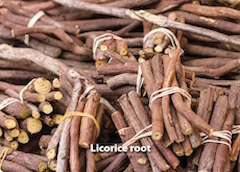 As mentioned earlier, deglycyrrhizinated licorice extract (DGL) was demonstrated to block inflammation by inhibiting certain enzymes and proinflammatory signaling molecules.
Scientists conducted a randomized, placebo-controlled study, specifically designed to test this licorice extract’s anti-inflammatory effects on those suffering from functional dyspepsia—a chronic disorder of the upper digestive tract. The multiple symptoms can include heartburn, bloating, nausea, belching, and burning and pain in the epigastric area (the esophagus just above the stomach). Functional dyspepsia affects one in every ten people.
The team enlisted 50 adult patients with functional dyspepsia. Subjects were randomly assigned either to a control arm that received a placebo or to an active arm that received 75 mg of deglycyrrhizinated licorice extract. Both placebos and extract were taken with a glass of water daily after food, in the morning and again at night. All volunteers were asked to complete a series of symptom and quality-of-life scales at baseline and after 30 days of treatment.
Patients supplemented with the licorice extract reported a significant 51% reduction in their overall symptom scores, while the placebo patients experienced only a 29% symptom decrease.
Licorice-supplemented patients were also asked to rate themselves on a dyspepsia-specific scale that considered 10 gastrointestinal symptoms—upper abdominal fullness, upper abdominal pain, belching, bloating, early satiety, nausea, vomiting, regurgitation, heartburn, and loss of appetite.
Results showed a 55% decrease in these dyspepsia symptoms in the licorice extract group, while placebo patients showed only a 19% reduction. A substantial 56% of the supplemented subjects demonstrated improvements in what is known as a global efficacy score—a special index for the overall response to 30 days of intervention—while placebo subjects showed a 0% improvement.
The overall findings clearly demonstrate that these natural compounds provide fast heartburn relief, effective GERD prevention through improved esophageal motility, and symptom improvement in those with functional dyspepsia. No adverse events or side effects were reported in any of the studies.
Licorice Heals Stomach Lining and blocks H. pylori Growth
 One of the most time-honored natural remedies for gastric upset is licorice root, an herbal extract. Modern research confirms what herbal practitioners have known for centuries: that licorice promotes healing of the stomach's lining.
According to Dr. Michael Baker, a research professor of medicine at the University of California, San Diego, licorice has long been known to help promote the healing of ulcers. Baker notes that licorice-derived compounds have the effect of raising the local concentration of prostaglandins that promote mucous secretion and cell proliferation in the stomach, leading to healing of ulcers. An extensive review of the scientific literature on plant-based ulcer remedies confirms the clinical efficacy of licorice in promoting the healing of ulcers.
Recent studies have revealed how licorice may help promote this healing process. Animal research suggests that licorice reduces the inflammatory response leading to ulcer formation by inhibiting the production of pro-inflammatory molecules, including interleukins and tumor necrosis factor. The potent antioxidant activity of licorice also contributes to its anti-ulcer activity.
Licorice extract does much more than promote healing of the stomach lining. Even more important, various extracts of licorice have been shown to block the growth of H. pylori in the laboratory—even of strains of the bacteria that are resistant to the antibiotic clarithromycin. Licorice extract's effectiveness against clarithromycin-resistant strains has led scientists to propose that licorice may have a place as an alternative therapeutic agent against H. pylori.
Further analysis of different extracts from licorice has shown that they contain several beneficial flavonoid compounds that can inhibit the growth of H. pylori, including strains of the bacteria that are resistant to the antibiotics amoxicillin and clarithromycin. This remarkable finding led scientists to propose that such compounds from licorice may be useful preventive agents for peptic ulcer or gastric cancer in H. pylori-infected individuals.
High doses of compounds known as glycyrrhizinates, which are found in licorice, have been associated with various side effects, including high blood pressure, low blood potassium levels, hormonal changes, and diarrhea.  Scientists have found that these side effects can be avoided by removing glycyrrhizin from the licorice, without reducing the activity of licorice in alleviating ulcer symptoms and in blocking H. pylori growth. Licorice from which glycyrrhizinates have been removed is known as deglycyrrhizinated licorice, or DGL.
Licorice may specifically protect against ulcers caused by NSAIDs. Research has shown that coating aspirin with licorice before feeding it to rats reduced the number and size of ulcers that subsequently formed, cutting their incidence by more than half, from 96% to 46%. NSAID-induced damage to gastric mucosal lining was reduced to a greater extent when DGL was given in combination with the acid-suppressing drug cimetidine, as compared to administering cimetidine alone.
When human volunteers who were being treated with aspirin (975 mg three times a day) also took 350 mg of DGL with each dose of aspirin, they demonstrated less blood loss in the stool than did patients who took aspirin without licorice. DGL is believed to stimulate defense mechanisms that help prevent ulcer formation and also promote the healing of damaged mucosal lining in the stomach.
Summary
Human studies demonstrate that proper use of low-cost nutrients can safely neutralize esophageal acidity—without disrupting gastric acid production. They also improve esophageal motility, which helps prevent acid reflux and improves protection of delicate esophageal tissue.
Calcium carbonate, magnesium carbonate, and deglycyrrhizinated licorice extract have been shown to confer symptomatic relief from heartburn and dyspepsia.
Those who seek to reduce or eliminate their reliance on proton pump inhibiting drugs should consider taking 1-2 chewable tablets containing these three nutrients after meals and at bedtime.
Material used with permission of Life Extension. All rights reserved.
- https://www.lifeextension.com/magazine/2006/12/report_stomach
- https://www.lifeextension.com/magazine/2017/2/heartburn-relief-without-drugs
- https://www.lifeextension.com/magazine/2013/11/block-acid-reflux-to-prevent-esophageal-problems
Related product
-
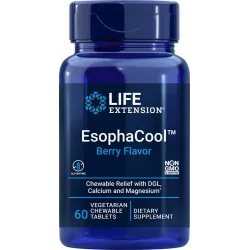
EsophaCool™
Price: 11,68 €On-the-go support for esophageal defense Supports a healthy inflammatory...
Related posts
-
 Rebuild Aging Joints!
In this article, you will learn about UC-II®, or undenatured type II collagen, a novel intervention for both...
Rebuild Aging Joints!
In this article, you will learn about UC-II®, or undenatured type II collagen, a novel intervention for both... -
Next-Generation Nutrients for Rapid Relief of Joint Pain
In recent years, adults seeking relief from the crippling pain of arthritis have had to choose between expensive,...
-
Vitamin C and Dihydroquercetin
Every day, our bodies are under continual assault by damaging agents known as free radicals. Generally, both internal...
-
Autoimmune Diseases part 1
Autoimmune diseases are characterized by the body's immune responses being directed against its own tissues, causing...
-
Autoimmune Diseases part 2
In a healthy body, circulating antibodies attack and destroy pathogenic invaders by means of humoral or cell-mediated...