
 English
 Polski
 Deutsch
 Français
 ελληνικά
 Español
 Italiano
Reduce Anxiety to Improve Health
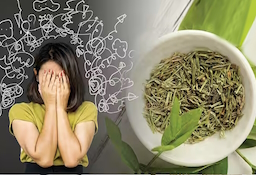 Anxiety affects 6.8 million adults or 3.1% of the U.S. population.1
It’s estimated that hundreds of millions of people worldwide experience anxiety.2
The situation has become so bad that the U.S. Preventive Services Task Force recently recommended that all adults under age 64 be screened for anxiety.3
Anxiety is a reaction to stress.4
Stress and anxiety don’t just make us feel miserable, persistent stress can have a drastic impact on an individual’s health.
One way the body responds to stressful situations is by producing the hormone cortisol, which allows the body to stay on high alert.5
Poor regulation of cortisol, however, is associated with disorders that decrease quality of life and increase mortality risks.
Fortunately, researchers have identified safe ways to modulate cortisol levels and anxiety.
When Excess Cortisol Makes You Sick
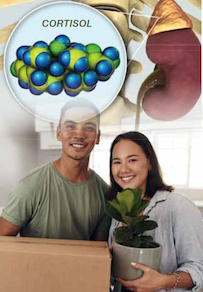 Stress is often caused by events—environmental, emotional, or physical. 6
One of the normal ways for the body to respond to stress and anxiety is by releasing the hormone cortisol from the adrenal glands.5
Cortisol is one of the main hormones responsible for keeping the stress response activated. This is why cortisol is thought of as a chronic stress hormone.7
In people with anxiety disorders, cortisol levels may be higher than in the rest of the population.
Chronic stress that results in improper cortisol balance can lead to a wide range of serious health problems.8,9
In a study of hip-fracture patients, cortisol elevation was associated with low function of natural killer cells in the immune system. 10 Elevated cortisol has also been associated with susceptibility to infections.11 Dysregulation of cortisol has also been associated with poor inflammatory response12,13 and with increased rates of major cardiovascular,14 and metabolic diseases.12 They even suffer from higher rates of overall mortality.11,14
Plant-Based Solutions
People with anxiety disorders are routinely prescribed antidepressants or other medications. In 2020 alone, prescriptions for anti-anxiety medications jumped by 34%. 15 While medications may help, not all patients tolerate them, they don’t work for everyone, and some can even be addictive.16
Researchers have identified specific plant extracts that have been shown clinically to safely reduce elevated cortisol and feelings of anxiety and stress.
Lychee-Green Tea Blend
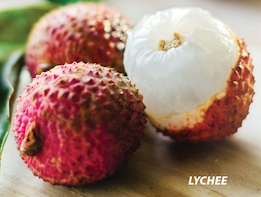 Lychee is a fruit commonly consumed throughout Eastern Asia,17,18 as a fruit and for medicinal purposes.19
Lychee fruit is rich in polyphenols,20 compounds recognized for their role in biological activities, most notably for the ability to reduce inflammation, fight oxidative stress and prevent cell damage. 21-23
Most lychee products sold today contain long-chain polyphenols, which are not easily absorbed in the intestinal tract. When combined with green tea, the lychee-green tea blend was shown to provide a low molecular size extract that is far more bioavailable than ordinary lychee extract alone.
The polyphenol content measured in the blood after using this blend was three times higher than the amount after using lychee extract alone.24
In one controlled study, this lychee-green tea blend significantly reduced cortisol levels compared to baseline. Healthy young men were assigned to take either 100 mg of the lychee-green tea blend or a placebo daily. After four weeks, those who received the extract blend had significant reductions in blood cortisol levels, as well as in the inflammatory cytokines IL-1beta and IL-6.25
In a human trial, 100 mg of lychee-green tea blend was given twice daily to 10 healthy individuals, for 10 days, followed by exercise under low oxygen conditions, to induce stress. They found that the rate at which cortisol and the inflammatory markers increased was significantly slower among subjects given the extracts compared to placebo.26
By reducing cortisol and inflammation, this blend may help prevent much of the damage stress and anxiety can do.
Magnolia and Phellodendron Bark
 Two tree bark extracts have also been shown to reduce cortisol levels.
For centuries, the bark of the Magnolia officinalis tree (it grows in high altitudes in Eastern Asia) has been used to combat a variety of conditions, 27 including anxiety, depression, and stress.28,29
An extract from the bark of another tree, Phellodendron amurense, has been used in traditional Chinese medicine and has been shown to reduce biological markers of stress in animals.30
To test whether a combination of Magnolia and Phellodendron extracts would reduce cortisol levels, researchers gave either 250 mg of a bark extract mixture or a placebo two times daily to people with moderate to high stress levels. After four weeks, only those taking the bark extracts had significantly lower cortisol levels and significant reductions in stress, anger, depression, and fatigue.31
What you need to know: Plant Extracts Combat Chronic Stress
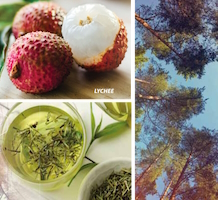 One way our body responds to anxiety and stress is by producing the hormone cortisol.
- Chronically elevated cortisol levels weaken the immune system and increase risk of chronic disease and death.
- Lychee-green tea blend has been clinically shown to significantly reduce cortisol and markers of inflammation.
- A mix of extracts of two tree barks,Magnolia officinalis and Phellodendron amurense, safely and effectively reduced cortisol levels in clinical trials. It also reduced feelings of stress, anger, depression, and fatigue.
- Combining a lychee-green tea blend with Magnolia-Phellodendron bark extracts may optimize their power to ease anxiety, reduce cortisol levels, and prevent the long-term damage caused by stress.
In two other studies, researchers gave participants either a placebo or 250 mg of magnolia and phellodendron bark extracts three times daily.
- Overweight premenopausal women aged 20-50 who reported consistently high anxiety levels, reported significantly decreased anxiety symptoms after six weeks.30
- In a similar group of women with above-average anxiety associated with eating, prevention of weight gain was observed after six weeks in the treatment group as compared to placebo recipients, who gained weight during the trial.32
 The anti-anxiety benefits of Magnolia bark extract extend beyond cortisol. In cell and animal studies, compounds found in Magnolia officinalis have been shown to interact with receptors in the brain in ways that would be expected to benefit mood and psychological well-being.33
For example, serotonin—sometimes nicknamed the "happy hormone"—is key in regulating stress, depression, and mood. Magnolia may help to increase serotonin levels as seen in animal models and lab studies.34,35
Combining these bark extracts with the lychee-green tea blend may maximize their cortisol-lowering effects, helping to reduce the harm done by anxiety and stress.
What is Cortisol?
- Cortisol is a hormone produced by the adrenal glands located at the top of the kidneys.5
- It helps regulate numerous bodily functions, including the stress response, metabolism, immune function, and inflammatory response.5
- It peaks in the early morning, then gradually declines to its lowest level around midnight.36
- Chronic stress disrupts this daily rhythm.36
- Many studies show the average cortisol levels gradually increase in older adults as they age.37
- Chronically elevated cortisol levels are associated with higher blood glucose, high blood pressure, weakened immunity, muscle loss, and low bone mass11,14 that can impact quality of life.
Summary
 Chronic anxiety undermines physical, mental, and emotional health. The excessive cortisol secretion that accompanies unremitting stress can weaken immunity and increase risk of infections, chronic disease, and death.
Lychee-green tea blend is highly absorbable and has been shown in two clinical studies to lower the stress hormone cortisol.
Extracts of Magnolia officinalis and Phellodendron amurense bark have shown the ability to reduce cortisol levels and anxiety, helping to protect against the damage chronic stress can do.
A blend of these compounds offers one approach to reduce excess cortisol levels, which may counteract some of the harmful effects inflicted by chronic stress.
How to Measure Your Stress and Cortisol Levels
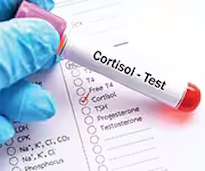 Sometimes stress is so constant that we learn to live with it.
A cortisol blood test allows you to find out whether your levels are elevated and by how much. If they’re high, that’s often a sign of ongoing stress.
Lifestyle changes like meditation, exercise, and eating a healthy diet can bring this level down. Regular use of safe plant compounds may lower elevated cortisol and can prevent the immune-weakening effects of stress.
Periodic testing can give you a picture of your stress, and your progress, over time.
Material used with permission of Life Extension. All rights reserved.
- Available at: https://adaa.org/understanding-anxiety/facts-statistics. Accessed January, 13, 2023.
- Organization WH. Depression and other common mental disorders: global health estimates . World Health Organization;2017.
- Available at: https://www.uspreventiveservicestaskforce.org/uspstf/draft-recommendation/anxiety-adults-screening. Accessed January, 13.
- Available at: https://www.psychiatry.org/patients-families/anxiety-disorders/what-are-anxiety-disorders. Accessed January, 13, 2023.
- Thau L, Gandhi J, Sharma S. Physiology, Cortisol. StatPearls. Treasure Island (FL): StatPearls Publishing Copyright © 2022, StatPearls Publishing LLC.; 2022.
- Salleh MR. Life event, stress and illness. Malays J Med Sci. 2008 Oct;15(4):9-18.
- Available at: https://www.health.harvard.edu/staying-healthy/understanding-the-stress-response. Accessed January, 18, 2023.
- Vreeburg SA, Zitman FG, van Pelt J, et al. Salivary cortisol levels in persons with and without different anxiety disorders. Psychosom Med. 2010 May;72(4):340-7.
- Lenze EJ, Mantella RC, Shi P, et al. Elevated cortisol in older adults with generalized anxiety disorder is reduced by treatment: a placebo-controlled evaluation of escitalopram. Am J Geriatr Psychiatry. 2011 May;19(5):482-90.
- Duggal NA, Upton J, Phillips AC, et al. NK cell immunesenescence is increased by psychological but not physical stress in older adults associated with raised cortisol and reduced perforin expression. Age (Dordr). 2015 Feb;37(1):9748.
- Schoorlemmer RM, Peeters GM, van Schoor NM, et al. Relationships between cortisol level, mortality and chronic diseases in older persons. Clin Endocrinol (Oxf). 2009 Dec;71(6):779-86.
- Cohen S, Janicki-Deverts D, Doyle WJ, et al. Chronic stress, glucocorticoid receptor resistance, inflammation, and disease risk. Proc Natl Acad Sci U S A. 2012 Apr 17;109(16):5995-9.
- Hannibal KE, Bishop MD. Chronic stress, cortisol dysfunction, and pain: a psychoneuroendocrine rationale for stress management in pain rehabilitation. Phys Ther. 2014 Dec;94(12):1816-25.
- Vogelzangs N, Beekman AT, Milaneschi Y, et al. Urinary cortisol and six-year risk of all-cause and cardiovascular mortality. J Clin Endocrinol Metab. 2010 Nov;95(11):4959-64.
- Available at: https://www.marketwatch.com/story/anti-anxiety-medication-prescriptions-have-spiked-34-during-the-coronavirus-pandemic-2020-04-16. Accessed January, 13, 2023.
- Available at: https://www.nhs.uk/mental-health/conditions/generalised-anxiety-disorder/treatment/. Accessed January, 18, 2023.
- Thirunavukkarasu M, Zhan L, Wakame K, et al. Safety of oligonol, a highly bioavailable lychee-derived polyphenolic antioxidant, on liver, kidney and heart function in rats. Toxicol Mech Methods. 2012 Sep;22(7):555-9.
- Emanuele S, Lauricella M, Calvaruso G, et al. Litchi chinensis as a Functional Food and a Source of Antitumor Compounds: An Overview and a Description of Biochemical Pathways. Nutrients. 2017 Sep 8;9(9).
- Zhao L, Wang K, Wang K, et al. Nutrient components, health benefits, and safety of litchi (Litchi chinensis Sonn.): A review. Compr Rev Food Sci Food Saf. 2020 Jul;19(4):2139-63.
- Yamanishi R, Yoshigai E, Okuyama T, et al. The anti-inflammatory effects of flavanol-rich lychee fruit extract in rat hepatocytes. PLoS One. 2014;9(4):e93818.
- Lee N, Shin MS, Kang Y, et al. Oligonol, a lychee fruit-derived low-molecular form of polyphenol mixture, suppresses inflammatory cytokine production from human monocytes. Hum Immunol. 2016 Jun;77(6):512-5.
- Hussain T, Tan B, Yin Y, et al. Oxidative Stress and Inflammation: What Polyphenols Can Do for Us? Oxid Med Cell Longev. 2016;2016:7432797.
- Yahfoufi N, Alsadi N, Jambi M, et al. The Immunomodulatory and Anti-Inflammatory Role of Polyphenols. Nutrients. 2018 Nov 2;10(11).
- Kitadate K AK, Homma K. Effect of lychee fruit extract (Oligonol) on peripheral circulation, a pilot study. Nat Med J.6(7).
- Lee JB, Shin YO, Min YK, et al. The effect of Oligonol intake on cortisol and related cytokines in healthy young men. Nutr Res Pract. 2010 Jun;4(3):203-7.
- Nagasawa J SK, Uchimaru J. Oxidative stress in hypobaric and normobaric hypoxia and antioxidant effect of Oligonol. Japan J Mountain Med. 2010;30:118-24.
- Niu L, Hou Y, Jiang M, et al. The rich pharmacological activities of Magnolia officinalis and secondary effects based on significant intestinal contributions. J Ethnopharmacol. 2021 Dec 5;281:114524.
- Rajgopal A, Missler SR, Scholten JD. Magnolia officinalis (Hou Po) bark extract stimulates the Nrf2-pathway in hepatocytes and protects against oxidative stress. J Ethnopharmacol. 2016 Dec 4;193:657-62.
- Poivre M, Duez P. Biological activity and toxicity of the Chinese herb Magnolia officinalis Rehder & E. Wilson (Houpo) and its constituents. J Zhejiang Univ Sci B. 2017 Mar.;18(3):194-214.
- Kalman DS, Feldman S, Feldman R, et al. Effect of a proprietary Magnolia and Phellodendron extract on stress levels in healthy women: a pilot, double-blind, placebo-controlled clinical trial. Nutr J. 2008 Apr 21;7:11.
- Talbott SM, Talbott JA, Pugh M. Effect of Magnolia officinalis and Phellodendron amurense (Relora®) on cortisol and psychological mood state in moderately stressed subjects. J Int Soc Sports Nutr. 2013 Aug 7;10(1):37.
- Garrison R, Chambliss WG. Effect of a proprietary Magnolia and Phellodendron extract on weight management: a pilot, double-blind, placebo-controlled clinical trial. Altern Ther Health Med. 2006 Jan-Feb;12(1):50-4.
- Zhu S, Liu F, Zhang R, et al. Neuroprotective Potency of Neolignans in Magnolia officinalis Cortex Against Brain Disorders. Front Pharmacol. 2022;13:857449.
- Bai Y, Song L, Dai G, et al. Antidepressant effects of magnolol in a mouse model of depression induced by chronic corticosterone injection. Steroids. 2018 Jul;135:73-8.
- Koetter U, Barrett M, Lacher S, et al. Interactions of Magnolia and Ziziphus extracts with selected central nervous system receptors. J Ethnopharmacol. 2009 Jul 30;124(3):421-5.
- Debono M, Ghobadi C, Rostami-Hodjegan A, et al. Modified-release hydrocortisone to provide circadian cortisol profiles. J Clin Endocrinol Metab. 2009 May;94(5):1548-54.
- Yiallouris A, Tsioutis C, Agapidaki E, et al. Adrenal Aging and Its Implications on Stress Responsiveness in Humans. Front Endocrinol (Lausanne). 2019;10:54.
Related product
-
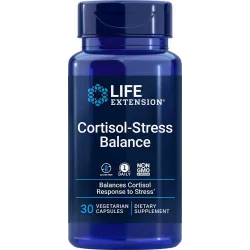
Cortisol-Stress Balance
Price: 37,93 €Manage stress by maintaining healthy cortisol levels Promotes a healthy...
Related posts
-
 Feed Your Brain!
Millions of people around the world are adhering to low-fat, low-cholesterol diets in an effort to reduce the impact...
Feed Your Brain!
Millions of people around the world are adhering to low-fat, low-cholesterol diets in an effort to reduce the impact... -
Discovering Coffee's Unique Health Benefits
Every morning, many of us sip our coffee with no real thought given to the beans behind the brew. But coffee beans...
-
Depression. New Human Study Confirms Potent Antidepressant Effects of SAMe
Life Extension® introduced SAMe (S-adenosylmethinone) in 1997. Back then it was enormously popular in Europe, but...
-
Tryptophan. Why Aging People Become Depressed, Fatigued, and Overweight part 1
Serotonin is a compound in the brain that promotes feelings of personal security, relaxation, and confidence. A...
-
Tryptophan. Why Aging People Become Depressed, Fatigued, and Overweight part 2
Fortunately, the new understanding of how tryptophan is degraded in aging humans provides a basis for engineering a...