 English
 Polski
 Deutsch
 Français
 ελληνικά
 Español
 Italiano
24,96 €

Quantity:
Total:
Total products:
Total shipping: To be determined
Total:
Science-based food supplements

Manufacturer: Life Extension
Waiting for delivery
| Quantity | Price | You Save |
|---|---|---|
| 2 | 36,41 € | Up to 3,03 € |
| 4 | 35,65 € | Up to 9,10 € |
By buying this product you can collect up to 37 loyalty points. Your cart will total 37 points that can be converted during next order into a voucher of 1,85 €.

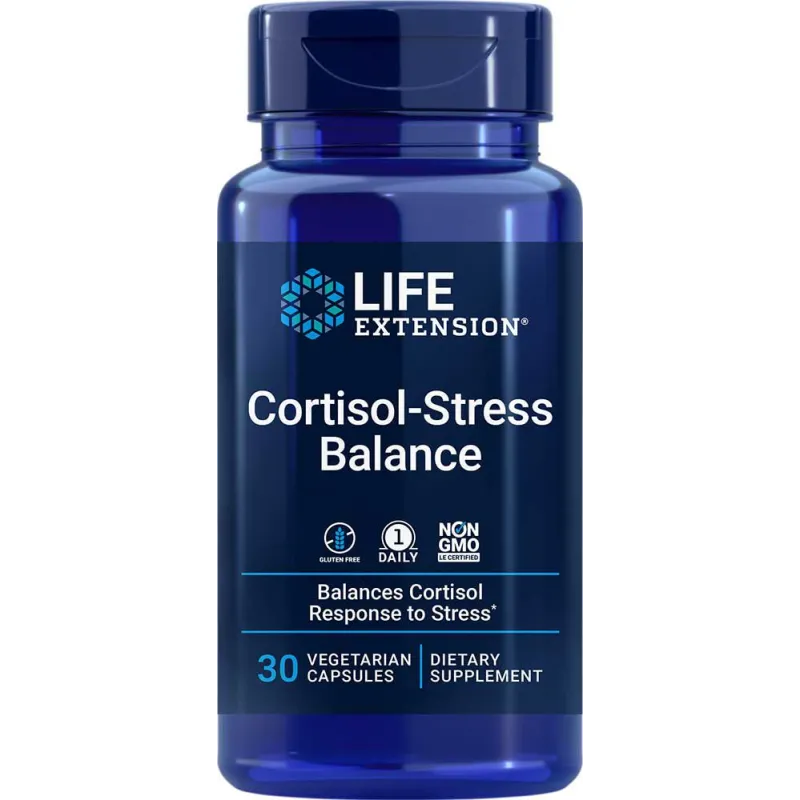
Cortisol-Stress Balance
30 vegetarian capsules
Item Catalog Number: 02312
Cortisol is a steroid hormone produced by your adrenal glands. Your body releases cortisol in response to a wide variety of stress factors. Cortisol levels can affect healthy blood pressure, sleep patterns, mood and more. That’s why we created Cortisol-Stress Balance—to help maintain already-healthy cortisol levels.
Cortisol-Stress Balance helps maintain already-healthy cortisol levels, inhibits factors that promote cortisol release and encourages a healthy response to stress with two innovative extract blends.
Benefits at a Glance:
The bark of the magnolia and phellodendron (also called Amur cork) trees contain compounds that encourage healthy stress response. Studies show that Relora® affects salivary cortisol levels.1 Active ingredients in this proprietary blend bind to neurochemical receptors that support mood and stress, improving mood scores measured by standardized testing.2
Many people swear by the calming properties of tea. Oligonol® combines extracts of lychee fruit with compounds derived from green tea. In a randomized, placebo-controlled study, Oligonol® helped inhibit IL1β and IL6 cytokines to promote a healthy stress response and support already-healthy cortisol levels.3
Cortisol-Stress Balance combines not one but two proprietary extract blends into a single, innovative stress-support supplement.
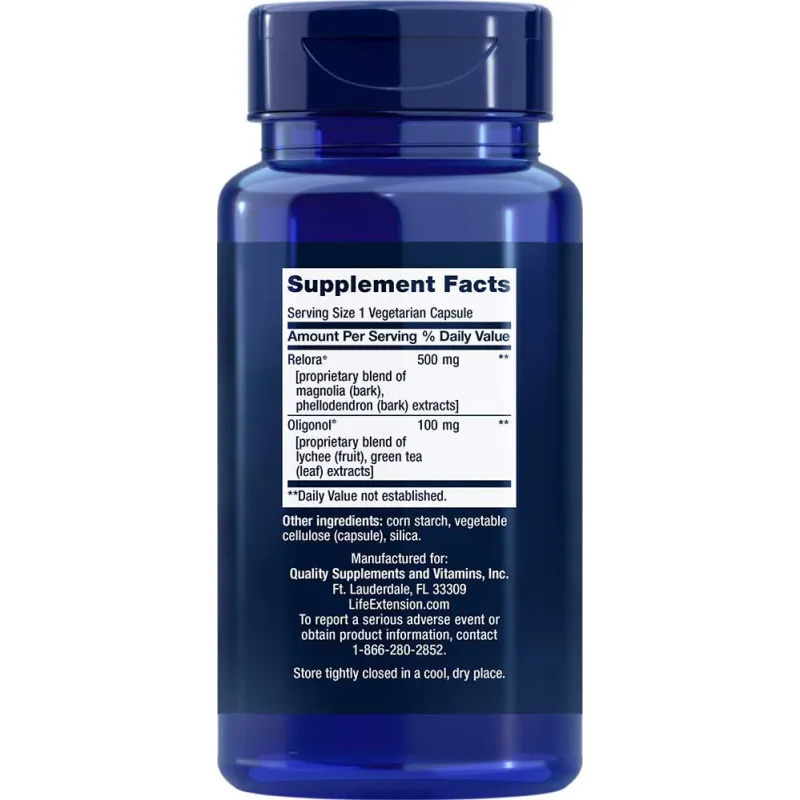
Serving Size 1 vegetarian capsule
| Amount Per Serving | |
|---|---|
| Relora® [proprietary blend of magnolia (bark), phellodendron (bark) extracts] | 500 mg |
| Oligonol® [proprietary blend of lychee (fruit), green tea (leaf) extracts] | 100 mg |
| Other ingredients: corn starch, vegetable cellulose (capsule), silica. | |
Non-GMO
Relora ® is a trademark of Lonza or its affiliates.
Oligonol® is a registered trademark of Amino Up Chemical Co., Ltd.
Dosage and Use
Take one (1) capsule daily, or as recommended by a healthcare practitioner absorption.
Warnings
KEEP OUT OF REACH OF CHILDREN
DO NOT EXCEED RECOMMENDED DOSE
Do not purchase if outer seal is broken or damaged.
When using nutritional supplements, please consult with your physician if you are undergoing treatment for a medical condition or if you are pregnant or lactating.
24,96 €
52,71 €
40,11 €
33,98 €
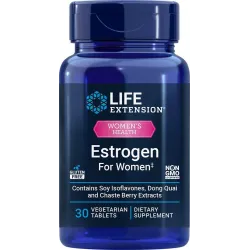
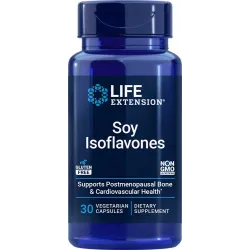
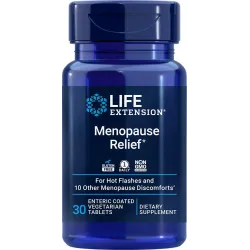
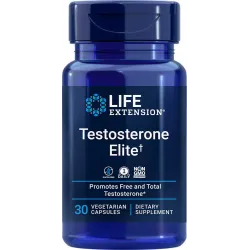

Cortisol, the primary stress hormone produced by the adrenal glands, serves essential functions in acute stress response but becomes highly problematic when chronically elevated. Prolonged cortisol elevation disrupts virtually every physiological system—it impairs insulin sensitivity leading to blood sugar dysregulation and increased diabetes risk, suppresses immune function making individuals more susceptible to infections, interferes with thyroid hormone conversion reducing metabolic rate, and promotes visceral fat accumulation particularly around the abdomen. Chronic cortisol excess also degrades muscle tissue for gluconeogenesis, disrupts sleep architecture by interfering with natural cortisol rhythms, impairs memory formation through hippocampal damage, and accelerates cellular aging through telomere shortening. Research shows that individuals with consistently elevated cortisol experience 300% increased risk of metabolic syndrome, 50% higher cardiovascular disease risk, and significant declines in cognitive performance. The insidious nature of cortisol dysregulation is that symptoms develop gradually—persistent fatigue, weight gain despite diet efforts, poor sleep quality, brain fog, and reduced stress resilience—often dismissed as normal aging when they represent addressable hormonal imbalance.
Comprehensive cortisol management formulas typically combine multiple evidence-based adaptogens and nutrients working through complementary mechanisms. Ashwagandha (Withania somnifera) is perhaps the most studied cortisol-modulating adaptogen, with clinical trials demonstrating 28-30% reductions in serum cortisol levels at 300-600 mg daily doses of high-concentration extracts standardized to withanolides. Phosphatidylserine, a phospholipid crucial for cell membrane integrity, blunts exercise-induced cortisol spikes by 20-30% and improves HPA axis regulation. Magnolia bark extract containing honokiol and magnolol reduces cortisol through GABAergic activity while providing anxiolytic effects without sedation. L-theanine, the unique amino acid from green tea, promotes alpha brain wave activity associated with relaxed alertness while modulating stress-induced cortisol elevation. Rhodiola rosea enhances stress resilience through effects on monoamine neurotransmitters and cortisol receptor sensitivity. Holy basil (Ocimum sanctum) normalizes cortisol rhythms while reducing perceived stress scores by 30-40%. Lemon balm provides additional GABAergic support for stress response modulation. These ingredients work synergistically—adaptogens restore HPA axis sensitivity, phospholipids support cellular stress response, and calming botanicals reduce sympathetic nervous system activation.
The timeline for cortisol normalization occurs in phases with both acute and cumulative benefits. Acute calming effects from ingredients like L-theanine and lemon balm can be noticed within 30-60 minutes, providing immediate stress resilience support. However, meaningful cortisol rhythm restoration and HPA axis recalibration require consistent supplementation over weeks to months. Research shows initial improvements in subjective stress perception and sleep quality within 1-2 weeks, with measurable reductions in salivary cortisol emerging after 4-6 weeks of daily use. Optimal benefits for metabolic parameters—improved insulin sensitivity, reduced abdominal fat accumulation, enhanced immune function—typically manifest after 8-12 weeks as the body's stress response systems fundamentally recalibrate. Adaptogen effectiveness builds cumulatively; studies of ashwagandha show progressive cortisol reduction over 8 weeks with maximum benefits achieved around 12 weeks. Important context: cortisol dysregulation often develops over months or years, so restoration similarly requires patience. However, subjective improvements in energy, sleep quality, and stress resilience often motivate continued use well before laboratory markers normalize. Combining supplementation with stress management techniques—adequate sleep, regular exercise, meditation—accelerates and enhances outcomes.
Cortisol normalization represents a crucial but often overlooked component of sustainable weight management, particularly for individuals with stress-related weight gain patterns. Chronic cortisol elevation drives weight gain through multiple mechanisms: it increases appetite and cravings for high-calorie comfort foods through effects on neuropeptide Y and leptin resistance, promotes preferential fat storage in visceral adipose tissue surrounding organs, impairs insulin signaling leading to increased fat storage and reduced fat oxidation, and degrades lean muscle mass reducing metabolic rate. Clinical studies demonstrate that cortisol-lowering interventions produce modest but meaningful weight loss—typically 2-4 kg over 8-12 weeks—even without caloric restriction, primarily through reduced visceral fat accumulation. More importantly, cortisol balance improves body composition by preserving lean muscle mass during weight loss efforts, enhances metabolic flexibility allowing better fat utilization, reduces stress-eating behaviors, and improves sleep quality which independently supports weight management. Research shows ashwagandha supplementation specifically reduces stress-related food cravings by 30-40% and decreases cortisol-mediated abdominal fat accumulation. While cortisol management alone won't replace comprehensive lifestyle interventions, it addresses a fundamental metabolic barrier that sabotages many weight loss attempts, particularly in chronically stressed individuals.
While generally well-tolerated, cortisol-modulating formulas require certain precautions and awareness of potential interactions. Individuals taking thyroid medications should monitor thyroid function as ashwagandha can enhance thyroid hormone production in some individuals, potentially requiring medication adjustment. Those on benzodiazepines or sedative medications should use caution with GABAergic ingredients like magnolia and lemon balm due to potential additive sedation, though this is typically mild. Immunosuppressed individuals or those on immunosuppressive medications should consult physicians before using adaptogens that modulate immune function. People with autoimmune conditions may experience enhanced immune activity with certain adaptogens, requiring medical supervision. Cortisol-lowering supplements may enhance blood sugar control, so individuals on diabetes medications should monitor glucose levels and coordinate with prescribers. Pregnant and nursing women should avoid most adaptogenic herbs due to insufficient safety data. Start with lower doses to assess tolerance, as some individuals experience initial mild digestive adjustment or temporary fatigue as cortisol patterns recalibrate. Avoid taking cortisol-balancing formulas late in the day if they contain stimulating adaptogens, though most calming formulations can be taken evening. The key is recognizing that HPA axis modulation is powerful—these aren't benign supplements but targeted interventions that fundamentally alter stress hormone patterns.
Results: Clinical trials demonstrate ashwagandha supplementation at 300-600 mg daily reduces serum cortisol levels by 28-30% over 8 weeks, with participants reporting significant improvements in stress scores, anxiety levels, and quality of life compared to placebo groups showing no changes.
Citation: Chandrasekhar K, et al. Indian J Psychol Med. 2012 Jul;34(3):255-62.
Results: Research shows phosphatidylserine supplementation blunts exercise-induced cortisol elevation by 20-30%, improves perceived recovery, reduces muscle soreness, and enhances subsequent performance in athletes undergoing intensive training protocols.
Citation: Starks MA, et al. J Int Soc Sports Nutr. 2008 Jul;5:11.
Results: Studies reveal magnolia bark extract reduces cortisol levels while improving sleep quality and reducing anxiety symptoms, with honokiol demonstrating GABAergic activity supporting relaxation without cognitive impairment or next-day sedation.
Citation: Kalman DS, et al. J Int Soc Sports Nutr. 2008 Sep;5:17.
Results: Clinical evidence shows L-theanine supplementation promotes alpha brain wave activity associated with relaxed alertness within 30-60 minutes, reduces stress-induced cortisol elevation, and improves cognitive performance under stressful conditions.
Citation: Kimura K, et al. Biol Psychol. 2007 Jan;74(1):39-45.