
 English
 Polski
 Deutsch
 Français
 ελληνικά
 Español
 Italiano
Stress - Nutrients to Combat the Modern Stress Epidemic
 Be it work, finances, relationships, or health issues, most of us experience stressful events at some point in our lives. But today, researchers are witnessing levels of stress that are virtually unprecedented.
A startling 80% of Americans now report experiencing intense, chronic stress over personal finances and the economy.1 And the problem is global: the World Health Organization estimates that stress-related disorders affect nearly 450 million
The effects of this pandemic on the public health are profound.
Researchers have linked the cumulative impact of stress to a host of age-accelerating conditions and degenerative diseases.3
These range from cardiovascular disease to diabetes to various cancers.4-7
The good news is that recent confirmatory data show targeted nutritional interventions exert a beneficial effect on many of the biological risk factors produced by stress.2,8
Two natural compounds in particular have been shown to reduce stress levels, enhance attention and productivity, and lower many stress-related factors associated with risk of death.
In this article you'll learn the most recent data on the stress-relieving properties of lemon balm, a common garden herb, and L-theanine, an amino acid found exclusively in tea.
Lemon balm has been shown to exert a calming effect in healthy individuals,9 while L-theanine has been found to soothe anxiety, without side effects.10
Lemon balm - Natural Stress and Anxiety Relief
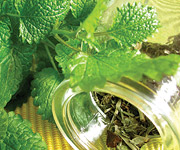 Lemon balm is a common garden herb closely related to mint. It has been prized in traditional cultures for its capacity to induce sleep and mild sedation, as well as for its memory-enhancing properties.9,11 Modern-day laboratory techniques reveal some of the underlying mechanisms of lemon balm's clinically proven efficacy.
Lemon balm, and its chief components, rosmarinic acid, quercetin, gallic acid, quercitrin, and rutin, are potent antioxidants that protect brain cells and other tissues from reactive oxygen species (ROS).12 Lemon balm tea, for example, is used to protect radiology technicians from the oxidizing effects of chronic occupational exposure to low-level radiation.13
Lemon balm and rosmarinic acid also boost levels of the relaxation-inducing neurotransmitter called GABA in the brain. They do so by inhibiting the enzyme that normally degrades GABA.14 The result of these lemon balm - induced elevations of GABA is a reduction in anxiety.15 Increasing brain GABA activity is the mechanism by which prescription anti-anxiety drugs act as well, though they can lead to chemical dependency and side effects.16,17
Lemon balm also modulates the important neurotransmitter acetylcholine, the levels of which are reduced in Alzheimer's disease and other neurodegenerative conditions. Rosmarinic acid inhibits acetylcholinesterase, the enzyme that breaks down acetylcholine and reduces its availability to brain cells.18 This effect is similar to that produced by prescription drugs meant to treat Alzheimer's disease.
Animal studies reveal powerful anxiety- and stress-reducing effects of lemon balm.19 Mice demonstrate significantly reduced anxiety in maze experiments following supplementation with lemon balm extract, without any changes in overall activity level or memory.15
Mice conditioned to experience chronic fear showed significantly reduced stress responses and more appropriate behavior following dosing with rosmarinic acid, an effect with substantial implications for humans living with chronic anxiety and stress.20 Lemon balm extracts also reduce pain from a variety of stimuli, further contributing to their soothing, stress-relieving effects.21
Human studies of lemon balm are equally compelling, as demonstrated in a series of trials conducted in the Human Cognitive Neuroscience Unit at the University of Northumbria in the United Kingdom. Researchers there found that 600 mg of lemon balm produced sustained improvements in a test of "accuracy of attention." Three hundred milligrams of lemon balm produced an increase in self-rated calmness in a group of healthy adults, while 900 mg of lemon balm reduced self-rated alertness.9 That latter finding is a desirable effect in a supplement meant to produce relaxation.
A subsequent study using higher doses demonstrated significant improvements in both calmness and memory performance at all time points following a single 1,600 mg dose.11
The British researchers next evaluated lemon balm in a more challenging test, namely in a setting in which subjects are deliberately stressed in the laboratory. They gave 18 healthy volunteers doses of 300 or 600 mg of lemon balm, or a placebo, and then subjected them to the Defined Intensity Stressor Simulation, a battery of challenges designed to impose stress.22 The higher dose counteracted the negative mood effects of the stress test, while significantly increasing self-ratings of calmness and again reducing self-ratings of alertness. Similar results were later shown with a supplement containing both lemon balm and valerian root, another natural sedative.23
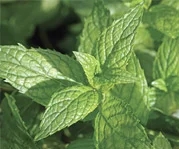 Interestingly, the lower dose of lemon balm (300 mg) also increases the speed of mathematical processing, with no reduction in accuracy, in human studies.22 That observation, combined with some findings about the molecular actions of rosmarinic acid, has led scientists to examine lemon balm's effects in Alzheimer's disease and other conditions of cognitive impairment.
The antioxidant protection provided by lemon balm shows promise in reducing oxidant-related brain cell death, an important contributor to Alzheimer's and Parkinson's diseases as well as age-related cognitive decline.24 Lemon balm and its components are also highly effective at reducing accumulations of the harmful amyloid-beta, a protein that is a leading contributor to Alzheimer's disease.25-27 Lemon balm's ability to inhibit the enzyme acetylcholinesterase boosts brain levels of the neurotransmitter acetylcholine, which are low in Alzheimer's.18,28 These and other mechanisms of lemon balm and its components are credited with improving cognitive performance in maze experiments with animals.29
Human studies of lemon balm extracts in treatment of Alzheimer's have been encouraging. In one study, supplemented patients with mild to moderate Alzheimer's, aged 65-80 years, demonstrated significantly better outcomes on tests of cognitive function than did placebo recipients.30 That study also found a reduction in agitation in supplemented patients compared with placebo recipients. In a related study, aromatherapy with lemon balm essential oil reduced agitation in 60% of patients with severe dementia, compared with just 14% in a placebo group.31 Total agitation scores were reduced by an average of 35%, compared with just 11% in placebo recipients.
- Eighty percent of Americans experience chronic stress, which is a known causative factor of chronic disease and early death.
- Stress exerts a well-defined impact on all body systems, resulting in elevated plasma cortisol levels and abnormal release of inflammatory cytokines.
- New research designates lemon balm and L-theanine, two natural products, as significant contributors to reduced stress and anxiety.
- The two ingredients work by different but complementary mechanisms to lower the physical manifestations of stress and promote long life span.
- Both lemon balm and L-theanine also demonstrate substantial neuroprotective characteristics through mechanisms related to their calming effects on brain cells.
L-theanine - Calming Overactive Neural Networks, Improving Cognition
 L-theanine is a non-protein amino acid found exclusively in green tea.32,33 It contributes significantly to the favorable taste of green tea and has numerous health-promoting benefits.33 It has traditionally been used to enhance relaxation and improve concentration and learning ability.34,35 Those features have modern scientists interested in its potential as a natural stress-reliever.32
L-theanine is chemically related to the neurotransmitter glutamate and binds to glutamate receptors in the brain.36,37 Unlike glutamate, however, which can cause a state called excitotoxicity that can eventually damage nerve cells, L-theanine protects brain cells against excitotoxicity, calming the nerve networks in the brain.37-39
Animal studies verify the behavioral benefits of these biochemical effects. In isolated rat brain slices, L-theanine reduces electrical activity associated with anxiety.40 L-theanine reduces evidence of anxiety and depression in several different animal models of stress.41,42 In freely moving rats, L-theanine led to decreases in nearly all frequencies of brainwave activity, indicating a state of calmness and relaxation.43 That is hardly surprising: L-theanine is known to be synergistic with the GABA-enhancing anti-anxiety drug midazolam, a relative of Valium®.42
TABLE 1: Health Risks Associated with Excess Stress
| Stressor | Health Outcome | Increased Risk |
| Sleep Disturbances56 | Early Death from All Causes | 170% |
| Perceived Stress57 |
|
32% 79% 159% 207% 491% |
| Adverse Childhood Experiences58 | Death by Age 65 | 140% |
| Stress at Work6,59 |
|
94% 181% 65% |
| Not Enough Reward for Effort at Work60 | Poor Self-Rated Health | Up to 280% |
| Divorce3 | Total and Cardiovascular Death | 37% (Men) |
| Major Negative Life Events7 | Breast Cancer | 533% |
Life stressors and sleep disruptions dramatically increase your risk of bad health outcomes and premature death.
Brainwave studies have shed some light on how L-theanine achieves its remarkable anxiety-reducing effects. In one study, healthy subjects took a soft drink containing green tea enriched with L-theanine while their brainwave power was measured.44 Power was initially reduced in all frequencies and areas during the first hour, indicating relaxation. Later changes indicated both an increase in mental performance and a higher degree of relaxation. In this case, L-theanine seemed to produce desirable increases in attention, accompanied by durable relaxation - that means subjects could concentrate better without being distracted by anxiety.
Another brainwave study demonstrated that L-theanine significantly increased activity in the frequency band indicating relaxation without inducing drowsiness.45 And a third concluded that L-theanine plays a general role in sustaining attention during a long-term difficult task.46 That's important, because it is known that while stress and anxiety can reduce your ability to maintain attention and focus, promoting attention and focus is an effective way of reducing your stress and anxiety.47
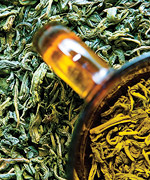 L-theanine is the amino acid that gives green tea its delightfully subtle taste and also provides many of its health benefits, particularly those involving the nervous system. Why do we refer to it as "L"-theanine, and what is the significance?
Most biologically active compounds can occur in two forms, each the mirror-image of the other. Scientists use the prefixes "D" and "L" to distinguish between the two forms. Only one form (usually the "L" form) is biologically active, however.
When humans manufacture biological molecules, as opposed to extracting them from natural sources, we typically produce a mixture containing both forms in equal measure - a so-called "racemic" mixture. When you consume such a mixture, then, you are only getting 50% of the actual biological activity; the rest is simply wasted.
Not all supplements are alike; look for the designation "L-theanine" to be sure you are taking the most potent and biologically sound form of this valuable stress-relieving substance.
Another way to assess stress and anxiety is by measuring vital signs such as heart rate and salivary content of certain proteins that are increased during stress. Japanese researchers did just that with 12 subjects during a mental arithmetic test given as an acute stressor.8 Results showed that the supplement reduced heart rate and salivary protein responses to the acute stress task, compared with placebo. In addition, heart rate variability was improved, a sign that the L-theanine was reducing activation of the sympathetic nervous system, or "fight-or-flight" response. Improved heart rate variability is a protective factor against cardiovascular disease, so L-theanine's anti-stress effects in this case are also indirectly cardioprotective.5
TABLE 2: Physical and Psychological Impact of Stress61
| Physical Symptoms of Stress | Prevalence | Psychological Effects of Stress | Prevalence |
| Fatigue | 51% | Irritability or Anger | 50% |
| Headache | 44% | Feeling Nervous | 45% |
| Upset Stomach | 34% | Lack of Energy | 45% |
| Muscle Tension | 30% | Feeling a Need to Cry | 35% |
| Change in Appetite | 23% | ||
| Teeth Grinding | 17% | ||
| Change in Sex Drive | 15% | ||
| Feeling Dizzy | 13% |
Several studies have now also shown that L-theanine substantially augments the known attention-focusing effects of caffeine. Adding L-theanine to caffeine leads to improved accuracy and speed of information processing, less susceptibility to distraction, improved switching between tasks, and less mental fatigue, while improving reaction time and reducing physical symptoms such as headache and tiredness.48-51
Unfortunately, the amounts of L-theanine in a regular cup of caffeinated green tea are not large enough to produce the anti-anxiety effects, meaning supplementation is necessary. Most studies of L-theanine showing benefits use doses of between 100 and 250 mg per day, while a cup of green tea typically contains 20 mg or less.45
L-theanine's many neuroprotective effects make it an attractive natural product for preventing and treating disorders such as Alzheimer's disease.52 A placebo-controlled clinical study in mid-2011 examined the effects of L-theanine and green tea extract on memory and attention in a group of adults with mild cognitive impairment.53 Mild cognitive impairment is often seen as a precursor or risk factor for Alzheimer's disease.54,55 The supplemented group experienced improvements in memory and selective attention (the ability to attend to one task without being distracted by others). Brain waves indicative of cognitive alertness were significantly increased by the supplement as well.
Summary
Stress and anxiety plague 80% of Americans. Far from being mere annoyances, these psychological conditions have profound physical implications. It is no exaggeration to say that stress can shorten your life.
Prescription sedatives and anti-anxiety drugs have some short-term benefit in reducing symptoms, but their long-term safety and effectiveness has not been established, and they carry risks of significant side effects, tolerance (loss of efficacy) and addiction.
Lemon balm and L-theanine, on the other hand, offer powerful protection against stress and anxiety through distinct and complementary mechanisms. Both have been shown to reduce not only stress but the biological manifestations it produces in the body and brain. And both have additional neuroprotective characteristics as well. If you suffer from stress and anxiety, consider adding a combination supplement containing high-quality lemon balm and L-theanine to your health maintenance regimen.
Material used with permission of Life Extension. All rights reserved.
1. Available at: http://articles.cnn.com/2009-03-20/health/economic.stress_1_economy-and-finances-survey-personal-finances?_s=PM:HEALTH. Accessed September 6, 2011.2. Hamer M, Owen G, Kloek J. The role of functional foods in the psychobiology of health and disease. Nutr Res Rev. 2005 Jun;18(1):77-88.3. Matthews KA, Gump BB. Chronic work stress and marital dissolution increase risk of posttrial mortality in men from the Multiple Risk Factor Intervention Trial. Arch Intern Med. 2002 Feb 11;162(3):309-15.4. Veen G, Giltay EJ, DeRijk RH, van Vliet IM, van Pelt J, Zitman FG. Salivary cortisol, serum lipids, and adiposity in patients with depressive and anxiety disorders. Metabolism. 2009 Jun;58(6):821-7.
5. Thayer JF, Yamamoto SS, Brosschot JF. The relationship of autonomic imbalance, heart rate variability and cardiovascular disease risk factors. Int J Cardiol. 2010 May 28;141(2):122-31.
6. Heraclides A, Chandola T, Witte DR, Brunner EJ. Psychosocial stress at work doubles the risk of type 2 diabetes in middle-aged women: evidence from the Whitehall II study. Diabetes Care. 2009 Dec;32(12):2230-5.
7. Kruk J. Self-reported psychological stress and the risk of breast cancer: A case-control study. Stress. 2011 Aug 29.
8. Kimura K, Ozeki M, Juneja LR, Ohira H. L-Theanine reduces psychological and physiological stress responses. Biol Psychol. 2007 Jan;74(1):39-45.
9. Kennedy DO, Scholey AB, Tildesley NT, Perry EK, Wesnes KA. Modulation of mood and cognitive performance following acute administration of Melissa officinalis (lemon balm). Pharmacol Biochem Behav. 2002 Jul;72(4):953-64.
10. Lu K, Gray MA, Oliver C, et al. The acute effects of L-theanine in comparison with alprazolam on anticipatory anxiety in humans. Hum Psychopharmacol. 2004 Oct;19(7):457-65.
11. Kennedy DO, Wake G, Savelev S, et al. Modulation of mood and cognitive performance following acute administration of single doses of Melissa officinalis (Lemon balm) with human CNS nicotinic and muscarinic receptor-binding properties. Neuropsychopharmacology. 2003 Oct;28(10):1871-81.
12. Weitzel C, Petersen M. Enzymes of phenylpropanoid metabolism in the important medicinal plant Melissa officinalis L. Planta. 2010 Aug;232(3):731-42.
13. Zeraatpishe A, Oryan S, Bagheri MH, et al. Effects of Melissa officinalis L. on oxidative status and DNA damage in subjects exposed to long-term low-dose ionizing radiation. Toxicol Ind Health. 2011 Apr;27(3):205-12.
14. Awad R, Muhammad A, Durst T, Trudeau VL, Arnason JT. Bioassay-guided fractionation of lemon balm (Melissa officinalis L.) using an in vitro measure of GABA transaminase activity. Phytother Res. 2009 Aug;23(8):1075-81.
15. Ibarra A, Feuillere N, Roller M, Lesburgere E, Beracochea D. Effects of chronic administration of Melissa officinalis L. extract on anxiety-like reactivity and on circadian and exploratory activities in mice. Phytomedicine. 2010 May;17(6):397-403.
16. Block KI, Gyllenhaal C, Mead MN. Safety and efficacy of herbal sedatives in cancer care. Integr Cancer Ther. 2004 Jun;3(2):128-48.
17. Campo-Soria C, Chang Y, Weiss DS. Mechanism of action of benzodiazepines on GABAA receptors. Br J Pharmacol. 2006 Aug;148(7):984-90.
18. Dastmalchi K, Ollilainen V, Lackman P, et al. Acetylcholinesterase inhibitory guided fractionation of Melissa officinalis L. Bioorg Med Chem. 2009 Jan 15;17(2):867-71.
19. Soulimani R, Fleurentin J, Mortier F, Misslin R, Derrieu G, Pelt JM. Neurotropic action of the hydroalcoholic extract of Melissa officinalis in the mouse. Planta Med. 1991 Apr;57(2):105-9.
20. Takeda H, Tsuji M, Miyamoto J, Matsumiya T. Rosmarinic acid and caffeic acid reduce the defensive freezing behavior of mice exposed to conditioned fear stress. Psychopharmacology (Berl). 2002 Nov;164(2):233-5.
21. Guginski G, Luiz AP, Silva MD, et al. Mechanisms involved in the antinociception caused by ethanolic extract obtained from the leaves of Melissa officinalis (lemon balm) in mice. Pharmacol Biochem Behav. 2009 Jul;93(1):10-6.
22. Kennedy DO, Little W, Scholey AB. Attenuation of laboratory-induced stress in humans after acute administration of Melissa officinalis (Lemon Balm). Psychosom Med. 2004 Jul-Aug;66(4):607-13.
23. Kennedy DO, Little W, Haskell CF, Scholey AB. Anxiolytic effects of a combination of Melissa officinalis and Valeriana officinalis during laboratory induced stress. Phytother Res. 2006 Feb;20(2):96-102.
24. Schroeter H, Williams RJ, Matin R, Iversen L, Rice-Evans CA. Phenolic antioxidants attenuate neuronal cell death following uptake of oxidized low-density lipoprotein. Free Radic Biol Med. 2000 Dec 15;29(12):1222-33.
25. Iuvone T, De Filippis D, Esposito G, D’Amico A, Izzo AA. The spice sage and its active ingredient rosmarinic acid protect PC12 cells from amyloid-beta peptide-induced neurotoxicity. J Pharmacol Exp Ther. 2006 Jun;317(3):1143-9.
26. Alkam T, Nitta A, Mizoguchi H, Itoh A, Nabeshima T. A natural scavenger of peroxynitrites, rosmarinic acid, protects against impairment of memory induced by Abeta(25-35). Behav Brain Res. 2007 Jun 18;180(2):139-45.
27. Hamaguchi T, Ono K, Murase A, Yamada M. Phenolic compounds prevent Alzheimer’s pathology through different effects on the amyloid-beta aggregation pathway. Am J Pathol. 2009 Dec;175(6):2557-65.
28. Wake G, Court J, Pickering A, Lewis R, Wilkins R, Perry E. CNS acetylcholine receptor activity in European medicinal plants traditionally used to improve failing memory. J Ethnopharmacol. 2000 Feb;69(2):105-14.
29. Park DH, Park SJ, Kim JM, Jung WY, Ryu JH. Subchronic administration of rosmarinic acid, a natural prolyl oligopeptidase inhibitor, enhances cognitive performances. Fitoterapia. 2010 Sep;81(6):644-8.
30. Akhondzadeh S, Noroozian M, Mohammadi M, Ohadinia S, Jamshidi AH, Khani M. Melissa officinalis extract in the treatment of patients with mild to moderate Alzheimer’s disease: a double blind, randomised, placebo controlled trial. J Neurol Neurosurg Psychiatry. 2003 Jul;74(7):863-6.
31. Ballard CG, O’Brien JT, Reichelt K, Perry EK. Aromatherapy as a safe and effective treatment for the management of agitation in severe dementia: the results of a double-blind, placebo-controlled trial with Melissa. J Clin Psychiatry. 2002 Jul;63(7):553-8.
32. Nathan PJ, Lu K, Gray M, Oliver C. The neuropharmacology of L-theanine(N-ethyl-L-glutamine): a possible neuroprotective and cognitive enhancing agent. J Herb Pharmacother. 2006;6(2):21-30.
33. Vuong QV, Stathopoulos CE, Golding JB, Nguyen MH, Roach PD. Optimum conditions for the water extraction of L-theanine from green tea. J Sep Sci. 2011 Sept;34(18):2468-74.
34. Vuong QV, Bowyer MC, Roach PD. L-theanine: properties, synthesis and isolation from tea. J Sci Food Agric. 2011 Aug 30;91(11):1931-9.
35. Wakabayashi C, Numakawa T, Ninomiya M, Chiba S, Kunugi H. Behavioral and molecular evidence for psychotropic effects in L: -theanine. Psychopharmacology (Berl). 2011 Aug 23.
36. Cho HS, Kim S, Lee SY, Park JA, Kim SJ, Chun HS. Protective effect of the green tea component, L-theanine on environmental toxins-induced neuronal cell death. Neurotoxicology. 2008 Jul;29(4):656-62.
37. Kakuda T. Neuroprotective effects of the green tea components theanine and catechins. Biol Pharm Bull. 2002 Dec;25(12):1513-8.
38. Nagasawa K, Aoki H, Yasuda E, Nagai K, Shimohama S, Fujimoto S. Possible involvement of group I mGluRs in neuroprotective effect of theanine. Biochem Biophys Res Commun. 2004 Jul 16;320(1):116-22.
39. Di X, Yan J, Zhao Y, et al. L-theanine protects the APP (Swedish mutation) transgenic SH-SY5Y cell against glutamate-induced excitotoxicity via inhibition of the NMDA receptor pathway. Neuroscience. 2010 Jul 14;168(3):778-86.
40. Dimpfel W, Kler A, Kriesl E, Lehnfeld R. Theogallin and L-theanine as active ingredients in decaffeinated green tea extract: I. electrophysiological characterization in the rat hippocampus in-vitro. J Pharm Pharmacol. 2007 Aug;59(8):1131-6.
41. Yin C, Gou L, Liu Y, et al. Antidepressant-like effects of L-theanine in the forced swim and tail suspension tests in mice. Phytother Res. 2011 Nov;25(11):1636-9.
42. Heese T, Jenkinson J, Love C, et al. Anxiolytic effects of L-theanine–a component of green tea–when combined with midazolam, in the male Sprague-Dawley rat. AANA J. 2009 Dec;77(6):445-9.
43. Dimpfel W, Kler A, Kriesl E, Lehnfeld R. Theogallin and L-theanine as active ingredients in decaffeinated green tea extract: II. Characterization in the freely moving rat by means of quantitative field potential analysis. J Pharm Pharmacol. 2007 Oct;59(10):1397-403.
44. Dimpfel W, Kler A, Kriesl E, Lehnfeld R, Keplinger-Dimpfel IK. Source density analysis of the human EEG after ingestion of a drink containing decaffeinated extract of green tea enriched with L-theanine and theogallin. Nutr Neurosci. 2007 Jun-Aug;10(3-4):169-80.
45. Nobre AC, Rao A, Owen GN. L-theanine, a natural constituent in tea, and its effect on mental state. Asia Pac J Clin Nutr. 2008;17 Suppl 1:167-8.
46. Gomez-Ramirez M, Kelly SP, Montesi JL, Foxe JJ. The effects of L-theanine on alpha-band oscillatory brain activity during a visuo-spatial attention task. Brain Topogr. 2009 Jun;22(1):44-51.
47. Brosan L, Hoppitt L, Shelfer L, Sillence A, Mackintosh B. Cognitive bias modification for attention and interpretation reduces trait and state anxiety in anxious patients referred to an out-patient service: results from a pilot study. J Behav Ther Exp Psychiatry. 2011 Sep;42(3):258-64.
48. Haskell CF, Kennedy DO, Milne AL, Wesnes KA, Scholey AB. The effects of L-theanine, caffeine and their combination on cognition and mood. Biol Psychol. 2008 Feb;77(2):113-22.
49. Owen GN, Parnell H, De Bruin EA, Rycroft JA. The combined effects of L-theanine and caffeine on cognitive performance and mood. Nutr Neurosci. 2008 Aug;11(4):193-8.
50. Einother SJ, Martens VE, Rycroft JA, De Bruin EA. L-theanine and caffeine improve task switching but not intersensory attention or subjective alertness. Appetite. 2010 Apr;54(2):406-9.
51. Giesbrecht T, Rycroft JA, Rowson MJ, De Bruin EA. The combination of L-theanine and caffeine improves cognitive performance and increases subjective alertness. Nutr Neurosci. 2010 Dec;13(6):283-90.
52. Kim TI, Lee YK, Park SG, et al. l-Theanine, an amino acid in green tea, attenuates beta-amyloid-induced cognitive dysfunction and neurotoxicity: reduction in oxidative damage and inactivation of ERK/p38 kinase and NF-kappaB pathways. Free Radic Biol Med. 2009 Dec 1;47(11):1601-10.
53. Park SK, Jung IC, Lee WK, et al. A combination of green tea extract and l-theanine improves memory and attention in subjects with mild cognitive impairment: a double-blind placebo-controlled study. J Med Food. 2011 Apr;14(4):334-43.
54. Grundman M, Petersen RC, Ferris SH, et al. Mild cognitive impairment can be distinguished from Alzheimer disease and normal aging for clinical trials. Arch Neurol. 2004 Jan;61(1):59-66.
55. Petersen RC, Smith GE, Waring SC, Ivnik RJ, Tangalos EG, Kokmen E. Mild cognitive impairment: clinical characterization and outcome. Arch Neurol. 1999 Mar;56(3):303-8.
56. Nilsson PM, Nilsson JA, Hedblad B, Berglund G. Sleep disturbance in association with elevated pulse rate for prediction of mortality–consequences of mental strain? J Intern Med. 2001 Dec;250(6):521-9.
57. Nielsen NR, Kristensen TS, Schnohr P, Gronbaek M. Perceived stress and cause-specific mortality among men and women: results from a prospective cohort study. Am J Epidemiol. 2008 Sep 1;168(5):481-91; discussion 92-6.
58. Brown DW, Anda RF, Tiemeier H, et al. Adverse childhood experiences and the risk of premature mortality. Am J Prev Med. 2009 Nov;37(5):389-96.
59. Laszlo KD, Ahnve S, Hallqvist J, Ahlbom A, Janszky I. Job strain predicts recurrent events after a first acute myocardial infarction: the Stockholm Heart Epidemiology Program. J Intern Med. 2010 Jun;267(6):599-611.
60. Salavecz G, Chandola T, Pikhart H, et al. Work stress and health in Western European and post-communist countries: an East-West comparison study. J Epidemiol Community Health. 2010 Jan;64(1):57-62.
61. Available at: http://proactivechange.com/stress/statistics.htm. Accessed September 6, 2011.
62. Poanta L, Craciun A, Dumitrascu DL. Professional stress and inflammatory markers in physicians. Rom J Intern Med. 2010;48(1):57-63.
63. van Leeuwen WM, Lehto M, Karisola P, et al. Sleep restriction increases the risk of developing cardiovascular diseases by augmenting proinflammatory responses through IL-17 and CRP. PLoS One. 2009;4(2):e4589.
Related products
-
Enhanced Stress Relief
Price: 26,03 €De-stress & decompress! Scientifically validated to help promote sleep and... -
Related posts
-
 Feed Your Brain!
Millions of people around the world are adhering to low-fat, low-cholesterol diets in an effort to reduce the impact...
Feed Your Brain!
Millions of people around the world are adhering to low-fat, low-cholesterol diets in an effort to reduce the impact... -
Discovering Coffee's Unique Health Benefits
Every morning, many of us sip our coffee with no real thought given to the beans behind the brew. But coffee beans...
-
Depression. New Human Study Confirms Potent Antidepressant Effects of SAMe
Life Extension® introduced SAMe (S-adenosylmethinone) in 1997. Back then it was enormously popular in Europe, but...
-
Tryptophan. Why Aging People Become Depressed, Fatigued, and Overweight part 1
Serotonin is a compound in the brain that promotes feelings of personal security, relaxation, and confidence. A...
-
Tryptophan. Why Aging People Become Depressed, Fatigued, and Overweight part 2
Fortunately, the new understanding of how tryptophan is degraded in aging humans provides a basis for engineering a...