
 English
 Polski
 Deutsch
 Français
 ελληνικά
 Español
 Italiano
Is Soy Safe? Busting the Myths of a Nutritional Powerhouse
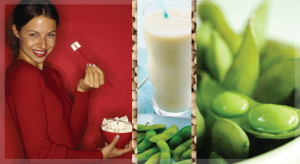 Rarely has a nutritional source gained such rapid acceptance and drawn the kind of hostile scrutiny focused on soy. No sooner did the FDA take the highly unusual step of allowing a health claim to be made for soy as a food in 1999,1,2 than it came under attack by a vocal minority of “concerned citizens”—some of whom were found to represent a narrow segment of the food industry threatened by soy’s profits.3
Thanks to their efforts, considerable misinformation now contaminates the discussion of soy’s real impact on health. Instead of enjoying the broad range of benefits, many aging individuals are unnecessarily fearful of consuming soy products.
The good news is that the popularity and “controversy” surrounding soy have resulted in considerable clinical study and research, giving rise to a wealth of scientific literature that validates soy’s health-promoting potential.
In this article, you will find out how soy became the subject of controversy—and why it shouldn’t be. You will discover the latest findings on soy and its components, including isoflavones and soy protein. You will also learn how just 15-20 grams of soy per day, (or 50-90 mg of soy isoflavones) can operate at the cellular level to provide a formidable defense against cardiovascular disease, numerous forms of cancer, osteoporosis, and menopausal symptoms.4
Soy and Estrogen: The Real Story
 At the center of the controversy surrounding soy is the “estrogen-like” molecular profile of some soy-based compounds—and whether they increase the risk of certain hormone-dependent cancers and other adverse effects associated with hormonal imbalance.
Soy contains antioxidant polyphenols (plant-based compounds) known as isoflavones. Isoflavones are considered “phytoestrogens” or “dietary estrogens” because of their molecular similarity to estrogen as estradiol (17-β-estradiol), the female sex hormone. The ability of isoflavones to “mimic” some of estrogen’s effects has led many doctors and scientists to characterize isoflavones as “weak estrogens.”
This is incorrect, according to Dr. Mark F. McCarty, an internationally recognized expert in soy isoflavones.5 Advances in our understanding of how the body responds to estrogen (and estrogen-like compounds) explains why.
Estrogen exerts its influence upon cells directly through the presence of estrogen receptors. Until relatively recently, only one receptor was known to exist, now called the estrogen receptor alpha or ER-alpha. Overexpression of ER-alpha has been implicated in a variety of cancers in humans, including breast cancer, ovarian cancer, endometrial cancer, and colon cancer.6-9
 In the late 1990s,5,10 a second estrogen receptor was discovered, now known as ER-beta. Expression of this receptor appears to counteract many of the cancer-causing activities of ER-alpha.10
As Dr. McCarty points out, genistein, one of the most abundant isoflavones in soy, is a highly potent activator of ER-beta. Critics of soy regard isoflavones’ action on estrogen receptors as the source of concern, without recognizing there is more than one type of estrogen receptor in the body, and that they exert very different effects.
This highly selective mode of action explains why soy isoflavones promote beneficial estrogen-like effects in tissues where the ER-beta receptor predominates, but do not provoke the harmful effects of conventional estrogen replacement therapy in tissues where the ER-alpha receptor predominates.
For example, soy isoflavones have been shown to exert positive effects in tissues such as bone, vascular endothelium (blood vessel lining), and breast cells without the negative effects in those and other tissues such as liver and uterus, where side effects of estrogen therapy have been observed.5 In fact, in breast tissue possessing both estrogen receptor types, ER-beta is now known to exert a restraining influence on cell proliferation stimulated by estrogen at ER-alpha sites, reducing the risk of breast cancer.10 This balance helps to explain why soy isoflavones do not increase breast cancer risk despite their estrogen-like activity.5
Dozens of epidemiological (population-level) studies document the broad array of health benefits associated with a high-soy diet.11-13 Diets rich in soy isoflavones are associated with lower rates of cardiovascular disease, osteoporosis, cancer, and obesity-related complications such as type 2 diabetes.14-16
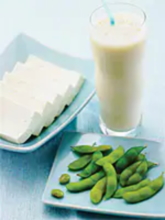 Soy isoflavones have relaxing effects on blood vessels, mediated by their influence on nitric oxide synthase (NOS), as well as powerful antioxidant effects, which together explain their potential for treatment and prevention of hypertension and stroke.11,17 Acting via yet another distinct mechanism, the isoflavones modulate signaling in pathways that control the interaction of oxidant stress with inflammation, leading to upregulation of detoxifying and antioxidant defense genes.18
The cumulative weight of the evidence for soy’s health benefits led to the remarkable decision by the FDA to approve a food-labeling health claim for products containing 25 grams of soy proteins in the prevention of coronary heart disease in 1999.14 This claim was based on a wealth of clinical trials as well as epidemiological data showing that high soy isoflavone intake could reduce LDL cholesterol, inhibit pro-inflammatory cytokines, reduce cell adhesion proteins, inhibit platelet aggregation, and improve blood vessel reactivity.19 Many nations throughout the world have now similarly endorsed soy products based on these data.10
Dr. Mark Messina, a noted soy expert at the Department of Nutrition at the Loma Linda University School of Public Health, has summarized soy’s remarkable benefits and provides specific recommendations on optimal soy intake. Messina suggests, based on the totality of available data and practical dietary standards, that aging individuals should ingest 15-20 grams of soy per day, including 50-90 mg of isoflavones—recommendations that have been echoed by other researchers worldwide.20 He adds that an intake of 25 grams per day of soy protein can be specifically used for cholesterol reduction.
Protection from Cardiovascular Disease
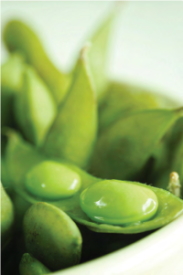 Soy products, both soy protein isolates and soy isoflavones, induce profoundly beneficial effects on the human cardiovascular system. Early human studies showed that long-term intake of soy protein rich in isoflavones could improve blood lipid profiles, at least in part by increasing expression of receptor molecules that take up LDL cholesterol.21 In fact, soy protein and isoflavones have universally been shown to lower LDL cholesterol and triglycerides, while some studies have also documented increases in beneficial HDL cholesterol as well.22,23 Along with phytic acid, another soy component, soy isoflavones significantly lower homocysteine levels and positively influence other biomarkers of cardiovascular disease risk.24-27
These benefits are obtained through multiple mechanisms of action.28,29 The various constituents of soy favorably regulate expression of numerous genes, including those involved in:
- Processing cholesterol and other lipids
- Synthesis and degradation of the cholesterol molecule
- Efficient utilization of adenosine triphosphate or ATP, the body’s fundamental unit of energy “currency.”30
These effects appear to be universal, benefiting young and the old, male and female, normal weight and obese.31-34
As the central role of inflammation in cardiovascular disease emerged, scientists became interested in how soy consumption might affect the inflammatory process.28 They found that short-term soy consumption reduces some markers of inflammation while increasing plasma levels of vessel-relaxing nitric oxide in postmenopausal women with metabolic syndrome, and improves signs of the metabolic syndrome in general.35,36 Soy protein also increases the activity of paraoxonase 1 (PON1), the natural antioxidant compound found in HDL cholesterol that prevents the inflammatory oxidation of cholesterol.37 In a preclinical model, genistein inhibited the inflammatory control complex called nuclear factor-kappaB (NF-kB) and reduced expression of a molecule essential to production of atherosclerotic plaques.38
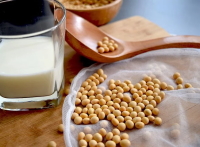 Soy proteins and isoflavones offer comprehensive health benefits through multimodal and complementary mechanisms.
- They act by diverse pathways to block oxidation, reduce inflammation, and favorably regulate gene expression.
- Soy isoflavones in particular function as estrogen-like compounds in myriad tissues, chiefly upregulating the recently-discovered estrogen beta receptors associated with healthy outcomes such as cancer inhibition and improved cardiovascular function.
- These effects provide multimodal protection against cardiovascular disease, cancer, obesity, diabetes, osteoporosis, and many other conditions associated with aging or poor dietary habits.
- A flurry of “anti-soy” publicity in the late 1990s drew increased scientific scrutiny that has since uncovered still greater health benefits from soy than originally thought.
- A diet with varied protein sources, including substantial amounts of soy and soy isoflavones, is both safe and preventive of degenerative disease.
Another factor that contributes to the risk of a cardiovascular event such as heart attack or stroke is the tendency of platelets to aggregate, or clump together, forming clots that can obstruct blood flow. Platelet aggregation is a complex, multi-step process involving a number of signaling molecules—and soy isoflavones act to reduce the density of vital receptors for one such molecule, thromboxane A2, in direct proportion to the isoflavone concentration in blood.39 Thromboxane plays a central role in potentially lethal blood clot formation.
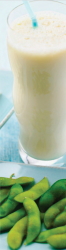 Short peptides (protein fragments) in soy proteins are among those recently shown to act against angiotensin-converting enzyme (ACE), thereby helping to safely lower blood pressure.40 Genistein inhibits the release of calcium within vascular smooth muscle cells, and helps to block constriction.41 These effects directly mimic those of many prescription blood pressure medications and, along with their direct influence on nitric oxide synthesis and other endothelial health factors, account for the additional vascular benefits conferred by soy products.42,43
Several nutritional intervention studies in both animals and humans further indicate that consumption of soy protein reduces body weight and fat mass, in addition to the beneficial effects on lipid profiles.44 The effect on blood lipid profile was recently shown to be dramatically enhanced by the addition of a prebiotic mixture to soy.45 This study, conducted among a group of adults with high lipid levels, capitalized on the fact that intestinal bacteria can metabolize soy components to produce equol, a powerful lipid-lowering compound that many adults have trouble producing. The people on the prebiotic plus soy branch of the study experienced significant improvements in their lipid profiles not seen when either prebiotic or soy was taken alone.
Combating Metabolic Syndrome
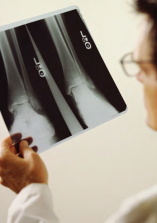 The current epidemic of obesity and type 2 diabetes increases overall risk for cardiovascular disease and other metabolic complications. Soy components have direct benefits on several of the parameters that go awry in the development of metabolic syndrome. For example, soy proteins lower lipids, improve kidney function, and reduce urinary protein losses in type 2 diabetics with kidney disease.46,47
Soy protein combined with isoflavones improves blood sugar control, reduces insulin resistance, and lowers serum lipids in diabetic patients, and can also reduce serum CRP levels and restore lipid profiles towards normal.48-51 These effects may account for the observation that including soy in the diet can improve features of the metabolic syndrome in adults.36
In a group of obese type 2 diabetics, replacement of animal-derived protein with soy protein helped improve hemoglobin A1c (a measure of long-term blood sugar control), reduced dependence on glucose-lowering drugs, lowered CRP levels, and triggered significant weight loss.52 And soy isoflavones, particularly daidzein, can enhance gene expression of the vital metabolic regulatory protein PPARgamma, which helps cells absorb and use glucose.53
Replacing animal-derived proteins with soy-based meals can lower body weight and fat mass, while reducing LDL cholesterol even more than would be expected from weight loss alone, and can improve body composition, increasing the ratio of lean body mass to fat.54,55 Even more exciting, soy product and isoflavone intakes were directly associated with a lower risk of developing type 2 diabetes in a group of overweight women!56
Strength for Aging Bones
 The intimate relationship between osteoporosis, which involves the loss of calcium from aging bones, and atherosclerosis, which involves the deposition of calcium into aging blood vessels, is growing rapidly clearer, and the connection involves the cellular signaling molecules known as inflammatory mediators.57
Since soy products have proven value in reducing markers of inflammation and preventing atherosclerosis, it follows that they should help prevent osteoporosis. For example, soy isoflavones have the ability to interfere with production of the “all-purpose” inflammatory cytokine interleukin-6 (IL-6).58 IL-6 levels rise with advancing age, particularly after menopause and andropause, corresponding to a drop in sex hormone levels. This rise in IL-6 is associated with many of the chronic conditions of aging, including osteoporosis.58
By blocking IL-6 production, along with numerous other pathways, soy protects against age-related bone loss (resorption).59 Animal studies show that soy extracts and purified genistein act via different mechanisms to modulate gene expression in bone tissue, resulting in beneficial three-dimensional changes in bone structure through reduced activity of multiple inflammatory pathways.60,61
In humans, the effects are no less dramatic. Soy isoflavone supplementation decreases bone resorption in postmenopausal women.62,63 One year of supplementation with soy protein also increased bone formation.64 The combination of enhanced new bone formation and reduced bone resorption may contribute to benefits in preserving bone mineral density, the chief marker of the progress of osteoporosis.65 Notably, this effect is not limited to post-menopausal women: a 2008 study demonstrated a positive change in bone mineral density even in younger women, implying a powerful preventive effect.66
Many of these effects can be traced to the isoflavones’ estrogen-like qualities and are borne out in multiple large epidemiological studies as well as in smaller clinical trials and laboratory research.16 Contrary to fears expressed by some early researchers and vocal critics (See SIDEBAR), soy isoflavones do not produce breast tissue changes or modify breast density on mammography. In fact, they may actually help reduce fibrocystic disease of the breast.67,68
 A relatively small group of outspoken critics have fueled the debate over the safety of soy products, many of whom have links to industries threatened by soy’s widespread acceptance.3 Here in a nutshell are their specious claims—and why they don’t hold up:
“Soybeans contain ‘anti-nutrients.’”3 In raw, unprocessed form, this is true of soybeans. In fact all raw, unprocessed beans contain a variety of enzymes and other biomolecules that can interfere with digestion and absorption of other nutrients. Soybeans are no different. Growers and processors are acutely aware of this as they develop the most nutritional cultivars of this universal food source.104-108 The way around the “problem” of anti-nutrients is simple: don’t eat raw soybeans, and be sure to eat a diet with varied sources of protein (good common sense). In fact, soy protein has been used successfully in treating mild and moderate protein-energy malnutrition in some of the world’s sickest children.109
“Soybeans cause thyroid dysfunction.” Based on a 1960 article describing the occurrence of goiter (thyroid swelling) in a single infant on a pure soy diet, soy opponents extrapolated—and exaggerated—this risk to the entire population.3,110 Isoflavone molecules in soy do inhibit an enzyme involved in thyroid hormone synthesis,111-114 but that has not translated into poor thyroid function in otherwise healthy individuals (those without pre-existing thyroid disease and who have adequate iodine intake).114-117 Again, the bottom line here is not to get all your nutrition from soybeans (or any other single source), and if you have a known or suspected thyroid disorder, get frequent thyroid function tests.
“Isoflavones disrupt sex hormones.” Phytoestrogens by their very nature influence sex hormones, but those in soy chiefly affect ER-beta estrogen receptors, which have been shown to inhibit the detrimental effects associated with hormonal imbalance.5 Frightening tales of accelerated puberty in children caused by soy are largely based on a single, small 1986 study showing a weak correlation between exposure to soy infant formula and premature breast development in girls.118 That study’s own authors questioned the validity of the relationship, and the medical establishment’s own American Academy of Pediatrics has determined there is “no conclusive evidence from animal, adult human, or infant populations that dietary soy isoflavones may adversely affect human development, reproduction, or endocrine function.”119
“Soy causes cancer.” Again, the effects of isoflavones on hormonal function are clear. It made scientific sense early on to raise the question of whether they might adversely affect hormone-dependent cancers. A handful of studies from the mid-1990s showed cellular changes of the kind that can precede cancer—though none showed an actual increase or production of new cancers.120,121 Since then, the discovery of ER-beta estrogen receptors, their cancer-inhibiting effects, and the preferential influence of isoflavones on these receptors—in addition to extensive human epidemiological and clinical studies—provide an extremely favorable profile for soy isoflavones with regard to cancer.5,75
Soy Protein and Isoflavones: Potent Cancer Prevention
Despite the early and isolated concerns regarding a possible link between soy products and cancer, there is now strong evidence that soy provides powerful cancer prevention. Isoflavones’ powerful multitargeted modes of action operate across numerous pathways to fight cancer on multiple fronts simultaneously.69 This allows reduction in cancer risk at every phase of its progression. Favorable modulation of gene expression is especially important in achieving this comprehensive effect.58,70 Exciting recent work shows that equol, the intestinal metabolite of soy isoflavones, has potent anti-cancer effects as well.71
Breast Cancer
 Early studies from Japan showed that frequent consumption of soy-based miso soup and isoflavones was associated with a reduced risk of breast cancer.72 A recent prospective study in 5,042 female breast cancer survivors in China, who were followed for a median of 3.9 years, found that consumption of isoflavone-rich soy foods was significantly associated with a 29% lower risk of death and a 32% lower risk of cancer recurrence.73 Additional evidence from epidemiological, animal, cell culture, and human studies has accumulated showing that isoflavones are promising agents for breast cancer chemoprevention.74,75 Daidzein, a soy isoflavone, adds protective effect to the chemotherapy agent tamoxifen in animal studies of mammary cancer.76 Some of this effect may be explained by soy protein’s ability to alter signaling pathways involving the hormone receptors, and some by its ability to inhibit cell growth.77,78 Genistein is unique among flavonoids of interest in cancer prevention in that it has both potent estrogen-like and growth inhibitory effects on breast cancer cells.79
Increased isoflavone intake also directly influences sex hormone concentrations and menstrual cycle length in women, effects with the potential for reducing breast cancer risk.80,81 And recent exciting work demonstrates that genistein interacts directly with the notorious HER2 cancer-causing gene, inhibiting its activation by cellular machinery and preventing cancer promotion.82
Prostate Cancer
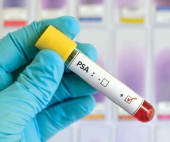 Prostate cancer, like breast and uterine cancer, may be stimulated or worsened by sex hormones. Soy isoflavones, with their partial stimulatory/partial inhibitory effects, act by multiple pathways to reduce prostate cancer risk.83,84 Genistein from soy reduces signaling between early prostate cancer cells and helps prevent their progression.85 Genistein sensitizes cancer cells to apoptosis induced by chemotherapy drugs, and blocks activation of NF-kappaB, which is responsible for the connection between inflammation and cancer development.78,86 Related studies show that isoflavone supplementation may decrease prostate cancer risk both by reducing NF-kappaB activation and by decreasing levels of damaged DNA strands, an early step in cancer development.87 Several soy protein components protect against chemically-induced prostate cancer in rats, and isoflavones specifically inhibit synthesis of inflammatory prostaglandins in human prostate cancer cells and in living patients.88-90
An entirely different mechanism of genistein in prostate cancer is the downregulation of sex hormone receptors in prostate tissue, making the cells less responsive to stimulation and cancerous growth.91,92 Other cellular signaling systems are also disrupted by genistein, further reducing cancer risk.93 And in men already diagnosed with prostate cancer, high-dose soy supplements produced an overall decrease in the tumor marker prostate-specific antigen (PSA), which rose alarmingly in control patients.94 Similarly, genistein alone is known to arrest the cell cycle and induce cell death by apoptosis, as well as preventing metastatic spread of already-established prostate cancers.84
Colon Cancer
Soy derivatives reduce aberrant crypt foci, the early abnormal changes in intestinal lining cells that may herald the onset of colon cancer.95 And the combination of genistein with indole-3-carbinol, derived from cruciferous vegetables, dramatically enhanced cell death by apoptosis in human colon cancer cells.96 A prospective study published in 2009 demonstrated that consumption of soy foods may reduce the risk of colorectal cancer in postmenopausal women.97
As with the other cancers, colon cancer prevention by soy is accomplished through multiple pathways. Genistein, for example, inhibits intercellular signaling by insulin-like growth factor-1 (IGF-1), with the end result of blocking cancer cell proliferation and inducing apoptosis.98
Slowing Menopause with Soy
 Menopause produces a host of changes in a woman’s body as her natural estrogen levels subside—changes that may be, at least to some extent, more safely slowed by soy isoflavones than estrogen replacement therapy. The decline in cardiovascular function that has its onset at menopause is one such change. Soy protein and isoflavones exert favorable effects on endothelial function in postmenopausal women.99 A low-glycemic index diet fortified with soy protein and phytosterols has been shown to reduce total and LDL cholesterol and triglycerides, and improve HDL ratios, while tending to normalize blood pressure, in a group of postmenopausal women.27
Body composition changes after menopause include increase in fat below the skin and in the abdomen, as the normal effects of estrogen fade. These changes were prevented by a daily soy protein supplement over a three-month period in a group of postmenopausal women.100 A similar study showed that six months of supplementation with soy protein plus isoflavones produced modest favorable effects on body composition in postmenopausal women.101 And many of the uncomfortable physical effects of menopause, such as hot flushes, respond well to daily doses of isoflavones, particularly genistein.102
Summary
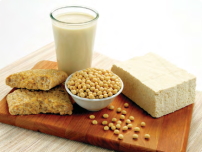 Soy derivatives, particularly soy proteins and the isoflavones, exert powerfully beneficial effects across multiple systems of the body. Despite popular misconception at the hands of a vocal group of detractors, soy protein’s action on estrogen receptors gives them unique capabilities not found in drugs or other natural compounds. By preferentially acting upon estrogen receptors associated with cancer suppression, soy isoflavones can reduce cancer risk. Soy isoflavones demonstrate remarkable abilities to improve cardiovascular function through multiple pathways in cardiac tissue and in blood vessel linings. Soy proteins and isoflavones also act as powerful antioxidants103 that modulate cellular function through control of gene expression and cell signaling pathways. These effects in turn allow them to help quench inflammatory stimuli that both contribute to and result from modern scourges such as obesity, type 2 diabetes, and metabolic syndrome.
Material used with permission of Life Extension. All rights reserved.
- Stein K. FDA approves health claim labeling for foods containing soy protein. J Am Diet Assoc. 2000 Mar;100(3):292.
- Sirtori CR, Lovati MR. Soy proteins and cardiovascular disease. Curr Atheroscler Rep. 2001 Jan;3(1):47-53.
- Fallon S, Enig M. Soy Alert - Tragedy and Hype. Nexus Magazine. 2000 Apr-May;7(3).
- Tham DM, Gardner CD, Haskell WL. Clinical review 97: Potential health benefits of dietary phytoestrogens: a review of the clinical, epidemiological, and mechanistic evidence. J Clin Endocrinol Metab. 1998 Jul;83(7):2223-35.
- McCarty MF. Isoflavones made simple - genistein’s agonist activity for the beta-type estrogen receptor mediates their health benefits. Med Hypotheses. 2006;66(6):1093-114.
- Hayashi SI, Eguchi H, Tanimoto K, et al. The expression and function of estrogen receptor alpha and beta in human breast cancer and its clinical application. Endocr Relat Cancer. 2003 Jun;10(2):193-202.
- Darb-Esfahani S, Wirtz RM, Sinn BV, et al. Estrogen receptor 1 mRNA is a prognostic factor in ovarian carcinoma: determination by kinetic PCR in formalin-fixed paraffin-embedded tissue. Endocr Relat Cancer. 2009 Dec;16(4):1229-39.
- Fujimoto J, Sato E. Clinical implication of estrogen-related receptor (ERR) expression in uterine endometrial cancers. J Steroid Biochem Mol Biol. 2009 Aug;116(1-2):71-5.
- Nussler NC, Reinbacher K, Shanny N, et al. Sex-specific differences in the expression levels of estrogen receptor subtypes in colorectal cancer. Gend Med. 2008 Sep;5(3):209-17.
- Hartman J, Strom A, Gustafsson JA. Estrogen receptor beta in breast cancer—diagnostic and therapeutic implications. Steroids. 2009 Aug;74(8):635-41.
- Mann GE, Rowlands DJ, Li FY, de Winter P, Siow RC. Activation of endothelial nitric oxide synthase by dietary isoflavones: role of NO in Nrf2-mediated antioxidant gene expression. Cardiovasc Res. 2007 Jul 15;75(2):261-74.
- Larkin T, Price WE, Astheimer L. The key importance of soy isoflavone bioavailability to understanding health benefits. Crit Rev Food Sci Nutr. 2008 Jun;48(6):538-52.
- Mateos-Aparicio I, Redondo Cuenca A, Villanueva-Suarez MJ, Zapata-Revilla MA. Soybean, a promising health source. Nutr Hosp. 2008 Jul-Aug;23(4):305-12.
- Xiao CW. Health effects of soy protein and isoflavones in humans. J Nutr. 2008 Jun;138(6):1244S-9S.
- Cederroth CR, Nef S. Soy, phytoestrogens and metabolism: A review. Mol Cell Endocrinol. 2009 May 25;304(1-2):30-42.
- Ishimi Y. Soybean isoflavones in bone health. Forum Nutr. 2009;61:104-16.
- Jackman KA, Woodman OL, Sobey CG. Isoflavones, equol and cardiovascular disease: pharmacological and therapeutic insights. Curr Med Chem. 2007;14(26):2824-30.
- Mann GE, Bonacasa B, Ishii T, Siow RC. Targeting the redox sensitive Nrf2-Keap1 defense pathway in cardiovascular disease: protection afforded by dietary isoflavones. Curr Opin Pharmacol. 2009 Apr;9(2):139-45.
- Rimbach G, Boesch-Saadatmandi C, Frank J, et al. Dietary isoflavones in the prevention of cardiovascular disease—a molecular perspective. Food Chem Toxicol. 2008 Apr;46(4):1308-19.
- Messina M. Investigating the optimal soy protein and isoflavone intakes for women: a perspective. Womens Health (Lond Engl). 2008 Jul;4(4):337-56.
- Baum JA, Teng H, Erdman JW, Jr., et al. Long-term intake of soy protein improves blood lipid profiles and increases mononuclear cell low-density-lipoprotein receptor messenger RNA in hypercholesterolemic, postmenopausal women. Am J Clin Nutr. 1998 Sep;68(3):545-51.
- Zhuo XG, Melby MK, Watanabe S. Soy isoflavone intake lowers serum LDL cholesterol: a meta-analysis of 8 randomized controlled trials in humans. J Nutr. 2004 Sep;134(9):2395-400.
- Zhan S, Ho SC. Meta-analysis of the effects of soy protein containing isoflavones on the lipid profile. Am J Clin Nutr. 2005 Feb;81(2):397-408.
- Jenkins DJ, Kendall CW, Garsetti M, et al. Effect of soy protein foods on low-density lipoprotein oxidation and ex vivo sex hormone receptor activity--a controlled crossover trial. Metabolism. 2000 Apr;49(4):537-43.
- Cavallini DC, Abdalla DS, Vendramini RC, et al. Effects of isoflavone-supplemented soy yogurt on lipid parameters and atherosclerosis development in hypercholesterolemic rabbits: a randomized double-blind study. Lipids Health Dis. 2009;8:40.
- Hanson LN, Engelman HM, Alekel DL, Schalinske KL, Kohut ML, Reddy MB. Effects of soy isoflavones and phytate on homocysteine, C-reactive protein, and iron status in postmenopausal women. Am J Clin Nutr. 2006 Oct;84(4):774-80.
- Lukaczer D, Liska DJ, Lerman RH, et al. Effect of a low glycemic index diet with soy protein and phytosterols on CVD risk factors in postmenopausal women. Nutrition. 2006 Feb;22(2):104-13.
- Nagarajan S. Mechanisms of anti-atherosclerotic functions of soy-based diets. J Nutr Biochem. 2010 Apr;21(4):255-60.
- Xu SZ, Zhong W, Ghavideldarestani M, Saurabh R, Lindow SW, Atkin SL. Multiple mechanisms of soy isoflavones against oxidative stress-induced endothelium injury. Free Radic Biol Med. 2009 Jul 15;47(2):167-75.
- Xiao CW, Mei J, Wood CM. Effect of soy proteins and isoflavones on lipid metabolism and involved gene expression. Front Biosci. 2008;13:2660-73.
- Reynolds K, Chin A, Lees KA, Nguyen A, Bujnowski D, He J. A meta-analysis of the effect of soy protein supplementation on serum lipids. Am J Cardiol. 2006 Sep 1;98(5):633-40.
- Atteritano M, Marini H, Minutoli L, et al. Effects of the phytoestrogen genistein on some predictors of cardiovascular risk in osteopenic, postmenopausal women: a two-year randomized, double-blind, placebo-controlled study. J Clin Endocrinol Metab. 2007 Aug;92(8):3068-75.
- Welty FK, Lee KS, Lew NS, Zhou JR. Effect of soy nuts on blood pressure and lipid levels in hypertensive, prehypertensive, and normotensive postmenopausal women. Arch Intern Med. 2007 May 28;167(10):1060-7.
- Orgaard A, Jensen L. The effects of soy isoflavones on obesity. Exp Biol Med (Maywood). 2008 Sep;233(9):1066-80.
- Azadbakht L, Kimiagar M, Mehrabi Y, Esmaillzadeh A, Hu FB, Willett WC. Soy consumption, markers of inflammation, and endothelial function: a cross-over study in postmenopausal women with the metabolic syndrome. Diabetes Care. 2007 Apr;30(4):967-73.
- Azadbakht L, Kimiagar M, Mehrabi Y, et al. Soy inclusion in the diet improves features of the metabolic syndrome: a randomized crossover study in postmenopausal women. Am J Clin Nutr. 2007 Mar;85(3):735-41.
- Shidfar F, Ehramphosh E, Heydari I, Haghighi L, Hosseini S, Shidfar S. Effects of soy bean on serum paraoxonase 1 activity and lipoproteins in hyperlipidemic postmenopausal women. Int J Food Sci Nutr. 2009 May;60(3):195-205.
- Wang J, Zhang R, Xu Y, Zhou H, Wang B, Li S. Genistein inhibits the development of atherosclerosis via inhibiting NF-kappaB and VCAM-1 expression in LDLR knockout mice. Can J Physiol Pharmacol. 2008 Nov;86(11):777-84.
- Garrido A, De la Maza MP, Hirsch S, Valladares L. Soy isoflavones affect platelet thromboxane A2 receptor density but not plasma lipids in menopausal women. Maturitas. 2006 Jun 20;54(3):270-6.
- De Leo F, Panarese S, Gallerani R, Ceci LR. Angiotensin converting enzyme (ACE) inhibitory peptides: production and implementation of functional food. Curr Pharm Des. 2009;15(31):3622-43.
- Speroni F, Rebolledo A, Salemme S, et al. Genistein effects on Ca2+ handling in human umbilical artery: inhibition of sarcoplasmic reticulum Ca2+ release and of voltage-operated Ca2+ channels. J Physiol Biochem. 2009 Jun;65(2):113-24.
- Ghosh D, Scheepens A. Vascular action of polyphenols. Mol Nutr Food Res. 2009 Mar;53(3):322-31.
- Paulo M, Salvador MM, dos Anjos Neto Filho M, Montes MB, Franceschini SA, Toloi MR. Effect of isoflavone extracts from Glycine max on human endothelial cell damage and on nitric oxide production. Menopause. 2009 May-Jun;16(3):539-44.
- Velasquez MT, Bhathena SJ. Role of dietary soy protein in obesity. Int J Med Sci. 2007;4(2):72-82.
- Wong JM, Kendall CW, de Souza R, et al. The effect on the blood lipid profile of soy foods combined with a prebiotic: a randomized controlled trial. Metabolism. 2010 Jan 21.
- Azadbakht L, Shakerhosseini R, Atabak S, Jamshidian M, Mehrabi Y, Esmaill-Zadeh A. Beneficiary effect of dietary soy protein on lowering plasma levels of lipid and improving kidney function in type II diabetes with nephropathy. Eur J Clin Nutr. 2003 Oct;57(10):1292-4.
- Teixeira SR, Tappenden KA, Carson L, et al. Isolated soy protein consumption reduces urinary albumin excretion and improves the serum lipid profile in men with type 2 diabetes mellitus and nephropathy. J Nutr. 2004 Aug;134(8):1874-80.
- Azadbakht L, Atabak S, Esmaillzadeh A. Soy protein intake, cardiorenal indices, and C-reactive protein in type 2 diabetes with nephropathy: a longitudinal randomized clinical trial. Diabetes Care. 2008 Apr;31(4):648-54.
- Gonzalez S, Jayagopal V, Kilpatrick ES, Chapman T, Atkin SL. Effects of isoflavone dietary supplementation on cardiovascular risk factors in type 2 diabetes. Diabetes Care. 2007 Jul;30(7):1871-3.
- Pipe EA, Gobert CP, Capes SE, Darlington GA, Lampe JW, Duncan AM. Soy protein reduces serum LDL cholesterol and the LDL cholesterol:HDL cholesterol and apolipoprotein B:apolipoprotein A-I ratios in adults with type 2 diabetes. J Nutr. 2009 Sep;139(9):1700-6.
- Vaisman N, Lansink M, Rouws CH, et al. Tube feeding with a diabetes-specific feed for 12 weeks improves glycaemic control in type 2 diabetes patients. Clin Nutr. 2009 Oct;28(5):549-55.
- Li Z, Hong K, Saltsman P, et al. Long-term efficacy of soy-based meal replacements vs an individualized diet plan in obese type II DM patients: relative effects on weight loss, metabolic parameters, and C-reactive protein. Eur J Clin Nutr. 2005 Mar;59(3):411-8.
- Cho KW, Lee OH, Banz WJ, Moustaid-Moussa N, Shay NF, Kim YC. Daidzein and the daidzein metabolite, equol, enhance adipocyte differentiation and PPARgamma transcriptional activity. J Nutr Biochem. 2009 Sep 21.
- Deibert P, Konig D, Schmidt-Trucksaess A, et al. Weight loss without losing muscle mass in pre-obese and obese subjects induced by a high-soy-protein diet. Int J Obes Relat Metab Disord. 2004 Oct;28(10):1349-52.
- Allison DB, Gadbury G, Schwartz LG, et al. A novel soy-based meal replacement formula for weight loss among obese individuals: a randomized controlled clinical trial. Eur J Clin Nutr. 2003 Apr;57(4):514-22.
- Nanri A, Mizoue T, Takahashi Y, et al. Soy product and isoflavone intakes are associated with a lower risk of type 2 diabetes in overweight Japanese women. J Nutr. 2010 Mar;140(3):580-6.
- Demer LL, Tintut Y. Mechanisms linking osteoporosis with cardiovascular calcification. Curr Osteoporos Rep. 2009 Jul;7(2):42-6.
- Dijsselbloem N, Vanden Berghe W, De Naeyer A, Haegeman G. Soy isoflavone phyto-pharmaceuticals in interleukin-6 affections. Multi-purpose nutraceuticals at the crossroad of hormone replacement, anti-cancer and anti-inflammatory therapy. Biochem Pharmacol. 2004 Sep 15;68(6):1171-85.
- Gallo D, Zannoni GF, Apollonio P, et al. Characterization of the pharmacologic profile of a standardized soy extract in the ovariectomized rat model of menopause: effects on bone, uterus, and lipid profile. Menopause. 2005 Sep-Oct;12(5):589-600.
- Zhang Y, Li Q, Wan HY, Helferich WG, Wong MS. Genistein and a soy extract differentially affect three-dimensional bone parameters and bone-specific gene expression in ovariectomized mice. J Nutr. 2009 Dec;139(12):2230-6.
- Byun JS, Lee SS. Effect of soybeans and sword beans on bone metabolism in a rat model of osteoporosis. Ann Nutr Metab. 2010;56(2):106-12.
- Harkness LS, Fiedler K, Sehgal AR, Oravec D, Lerner E. Decreased bone resorption with soy isoflavone supplementation in postmenopausal women. J Womens Health (Larchmt). 2004 Nov;13(9):1000-7.
- Ye YB, Tang XY, Verbruggen MA, Su YX. Soy isoflavones attenuate bone loss in early postmenopausal Chinese women : a single-blind randomized, placebo-controlled trial. Eur J Nutr. 2006 Sep;45(6):327-34.
- Arjmandi BH, Lucas EA, Khalil DA, et al. One year soy protein supplementation has positive effects on bone formation markers but not bone density in postmenopausal women. Nutr J. 2005;4:8.
- Newton KM, LaCroix AZ, Levy L, et al. Soy protein and bone mineral density in older men and women: a randomized trial. Maturitas. 2006 Oct 20;55(3):270-7.
- Song Y, Paik HY, Joung H. Soybean and soy isoflavone intake indicate a positive change in bone mineral density for 2 years in young Korean women. Nutr Res. 2008 Jan;28(1):25-30.
- Maskarinec G, Verheus M, Steinberg FM, et al. Various doses of soy isoflavones do not modify mammographic density in postmenopausal women. J Nutr. 2009 May;139(5):981-6.
- Fleming RM. What effect, if any, does soy protein have on breast tissue? Integr Cancer Ther. 2003 Sep;2(3):225-8.
- Moon YJ, Wang X, Morris ME. Dietary flavonoids: effects on xenobiotic and carcinogen metabolism. Toxicol In Vitro. 2006 Mar;20(2):187-210.
- Banerjee S, Li Y, Wang Z, Sarkar FH. Multi-targeted therapy of cancer by genistein. Cancer Lett. 2008 Oct 8;269(2):226-42.
- Kang NJ, Lee KW, Rogozin EA, et al. Equol, a metabolite of the soybean isoflavone daidzein, inhibits neoplastic cell transformation by targeting the MEK/ERK/p90RSK/activator protein-1 pathway. J Biol Chem. 2007 Nov 9;282(45):32856-66.
- Yamamoto S, Sobue T, Kobayashi M, Sasaki S, Tsugane S. Soy, isoflavones, and breast cancer risk in Japan. J Natl Cancer Inst. 2003 Jun 18;95(12):906-13.
- Shu XO, Zheng Y, Cai H, et al. Soy food intake and breast cancer survival. JAMA. 2009;302(22):2437-43.
- Kumar N, Allen K, Riccardi D, Kazi A, Heine J. Isoflavones in breast cancer chemoprevention: where do we go from here? Front Biosci. 2004 Sep 1;9:2927-34.
- Trock BJ, Hilakivi-Clarke L, Clarke R. Meta-analysis of soy intake and breast cancer risk. J Natl Cancer Inst. 2006 Apr 5;98(7):459-71.
- Constantinou AI, White BE, Tonetti D, et al. The soy isoflavone daidzein improves the capacity of tamoxifen to prevent mammary tumours. Eur J Cancer. 2005 Mar;41(4):647-54.
- Simmen RC, Eason RR, Till SR, et al. Inhibition of NMU-induced mammary tumorigenesis by dietary soy. Cancer Lett. 2005 Jun 16;224(1):45-52.
- Sarkar FH, Adsule S, Padhye S, Kulkarni S, Li Y. The role of genistein and synthetic derivatives of isoflavone in cancer prevention and therapy. Mini Rev Med Chem. 2006 Apr;6(4):401-7.
- Zava DT, Duwe G. Estrogenic and antiproliferative properties of genistein and other flavonoids in human breast cancer cells in vitro. Nutr Cancer. 1997;27(1):31-40.
- Kumar NB, Cantor A, Allen K, Riccardi D, Cox CE. The specific role of isoflavones on estrogen metabolism in premenopausal women. Cancer. 2002 Feb 15;94(4):1166-74.
- Kurzer MS. Hormonal effects of soy in premenopausal women and men. J Nutr. 2002 Mar;132(3):570S-73S.
- Sakla MS, Shenouda NS, Ansell PJ, Macdonald RS, Lubahn DB. Genistein affects HER2 protein concentration, activation, and promoter regulation in BT-474 human breast cancer cells. Endocrine. 2007 Aug;32(1):69-78.
- Holzbeierlein JM, McIntosh J, Thrasher JB. The role of soy phytoestrogens in prostate cancer. Curr Opin Urol. 2005 Jan;15(1):17-22.
- Bektic J, Guggenberger R, Eder IE, et al. Molecular effects of the isoflavonoid genistein in prostate cancer. Clin Prostate Cancer. 2005 Sep;4(2):124-9.
- Wang J, Eltoum IE, Lamartiniere CA. Genistein alters growth factor signaling in transgenic prostate model (TRAMP). Mol Cell Endocrinol. 2004 Apr 30;219(1-2):171-80.
- Araldi EM, Dell’aica I, Sogno I, Lorusso G, Garbisa S, Albini A. Natural and synthetic agents targeting inflammation and angiogenesis for chemoprevention of prostate cancer. Curr Cancer Drug Targets. 2008 Mar;8(2):146-55.
- Davis JN, Kucuk O, Djuric Z, Sarkar FH. Soy isoflavone supplementation in healthy men prevents NF-kappa B activation by TNF-alpha in blood lymphocytes. Free Radic Biol Med. 2001 Jun 1;30(11):1293-302.
- Swami S, Krishnan AV, Moreno J, et al. Inhibition of prostaglandin synthesis and actions by genistein in human prostate cancer cells and by soy isoflavones in prostate cancer patients. Int J Cancer. 2009 May 1;124(9):2050-9.
- McCormick DL, Johnson WD, Bosland MC, Lubet RA, Steele VE. Chemoprevention of rat prostate carcinogenesis by soy isoflavones and by Bowman-Birk inhibitor. Nutr Cancer. 2007;57(2):184-93.
- Wang J, Eltoum IE, Lamartiniere CA. Genistein chemoprevention of prostate cancer in TRAMP mice. J Carcinog. 2007;6:3.
- Fritz WA, Wang J, Eltoum IE, Lamartiniere CA. Dietary genistein down-regulates androgen and estrogen receptor expression in the rat prostate. Mol Cell Endocrinol. 2002 Jan 15;186(1):89-99.
- Hamilton-Reeves JM, Rebello SA, Thomas W, Slaton JW, Kurzer MS. Isoflavone-rich soy protein isolate suppresses androgen receptor expression without altering estrogen receptor-beta expression or serum hormonal profiles in men at high risk of prostate cancer. J Nutr. 2007 Jul;137(7):1769-75.
- Wang X, Clubbs EA, Bomser JA. Genistein modulates prostate epithelial cell proliferation via estrogen- and extracellular signal-regulated kinase-dependent pathways. J Nutr Biochem. 2006 Mar;17(3):204-10.
- Dalais FS, Meliala A, Wattanapenpaiboon N, et al. Effects of a diet rich in phytoestrogens on prostate-specific antigen and sex hormones in men diagnosed with prostate cancer. Urology. 2004 Sep;64(3):510-5.
- Murillo G, Choi JK, Pan O, Constantinou AI, Mehta RG. Efficacy of garbanzo and soybean flour in suppression of aberrant crypt foci in the colons of CF-1 mice. Anticancer Res. 2004 Sep-Oct;24(5A):3049-55.
- Nakamura Y, Yogosawa S, Izutani Y, Watanabe H, Otsuji E, Sakai T. A combination of indol-3-carbinol and genistein synergistically induces apoptosis in human colon cancer HT-29 cells by inhibiting Akt phosphorylation and progression of autophagy. Mol Cancer. 2009;8:100.
- Yang G, Shu XO, Li H, et al. Prospective cohort study of soy food intake and colorectal cancer risk in women. Am J Clin Nutr. 2009 Feb;89(2):577-83.
- Kim EJ, Shin HK, Park JH. Genistein inhibits insulin-like growth factor-I receptor signaling in HT-29 human colon cancer cells: a possible mechanism of the growth inhibitory effect of Genistein. J Med Food. 2005 Winter;8(4):431-8.
- Steinberg FM, Guthrie NL, Villablanca AC, Kumar K, Murray MJ. Soy protein with isoflavones has favorable effects on endothelial function that are independent of lipid and antioxidant effects in healthy postmenopausal women. Am J Clin Nutr. 2003 Jul;78(1):123-30.
- Sites CK, Cooper BC, Toth MJ, Gastaldelli A, Arabshahi A, Barnes S. Effect of a daily supplement of soy protein on body composition and insulin secretion in postmenopausal women. Fertil Steril. 2007 Dec;88(6):1609-17.
- Liu ZM, Ho SC, Chen YM, Ho YP. A mild favorable effect of soy protein with isoflavones on body composition--a 6-month double-blind randomized placebo-controlled trial among Chinese postmenopausal women. Int J Obes (Lond). 2010 Feb;34(2):309-18.
- Ferrari A. Soy extract phytoestrogens with high dose of isoflavones for menopausal symptoms. J Obstet Gynaecol Res. 2009 Dec;35(6):1083-90.
- Siefker K, DiSilvestro RA. Safety and antioxidant effects of a modest soy protein intervention in hemodialysis patients. J Med Food. 2006 Fall;9(3):368-72.
- Gilani GS, Cockell KA, Sepehr E. Effects of antinutritional factors on protein digestibility and amino acid availability in foods. J AOAC Int. 2005 May-Jun;88(3):967-87.
- Palacios MF, Easter RA, Soltwedel KT, et al. Effect of soybean variety and processing on growth performance of young chicks and pigs. J Anim Sci. 2004 Apr;82(4):1108-14.
- Fasina YO, Classen HL, Garlich JD, Swaisgood HE, Clare DA. Investigating the possibility of monitoring lectin levels in commercial soybean meals intended for poultry feeding using steam-heated soybean meal as a model. Poult Sci. 2003 Apr;82(4):648-56.
- Vasconcelos IM, Maia AA, Siebra EA, et al. Nutritional study of two Brazilian soybean (Glycine max) cultivars differing in the contents of antinutritional and toxic proteins. J Nutr Biochem. 2001 Jan;12(1):55-62.
- Liener IE. Implications of antinutritional components in soybean foods. Crit Rev Food Sci Nutr. 1994;34(1):31-67.
- Solomons NW, Torun B. Infantile malnutrition in the tropics. Pediatr Ann. 1982 Dec;11(12):991-1002.
- Hydovitz JD. Occurrence of goiter in an infant on a soy diet. N Engl J Med. 1960 Feb 18;262:351-3.
- Divi RL, Doerge DR. Inhibition of thyroid peroxidase by dietary flavonoids. Chem Res Toxicol. 1996 Jan-Feb;9(1):16-23.
- Divi RL, Chang HC, Doerge DR. Anti-thyroid isoflavones from soybean: isolation, characterization, and mechanisms of action. Biochem Pharmacol. 1997 Nov 15;54(10):1087-96.
- Doerge DR, Chang HC. Inactivation of thyroid peroxidase by soy isoflavones, in vitro and in vivo. J Chromatogr B Analyt Technol Biomed Life Sci. 2002 Sep 25;777(1-2):269-79.
- Doerge DR, Sheehan DM. Goitrogenic and estrogenic activity of soy isoflavones. Environ Health Perspect. 2002 Jun;110 Suppl 3:349-53.
- Chang HC, Doerge DR. Dietary genistein inactivates rat thyroid peroxidase in vivo without an apparent hypothyroid effect. Toxicol Appl Pharmacol. 2000 Nov 1;168(3):244-52.
- Bruce B, Messina M, Spiller GA. Isoflavone supplements do not affect thyroid function in iodine-replete postmenopausal women. J Med Food. 2003 Winter;6(4):309-16.
- Dillingham BL, McVeigh BL, Lampe JW, Duncan AM. Soy protein isolates of varied isoflavone content do not influence serum thyroid hormones in healthy young men. Thyroid. 2007 Feb;17(2):131-7.
- Freni-Titulaer LW, Cordero JF, Haddock L, Lebron G, Martinez R, Mills JL. Premature thelarche in Puerto Rico. A search for environmental factors. Am J Dis Child. 1986 Dec;140(12):1263-7.
- Bhatia J, Greer F. Use of soy protein-based formulas in infant feeding. Pediatrics. 2008 May;121(5):1062-8.
- Dees C, Foster JS, Ahamed S, Wimalasena J. Dietary estrogens stimulate human breast cells to enter the cell cycle. Environ Health Perspect. 1997 Apr;105 Suppl 3:633-6.
- Petrakis NL, Barnes S, King EB, et al. Stimulatory influence of soy protein isolate on breast secretion in pre- and postmenopausal women. Cancer Epidemiol Biomarkers Prev. 1996 Oct;5(10):785-94.
Related products
-
Estrogen for Women
Price: 24,28 €Women’s health, menopause support Helps relieve hot flashes & night... -
Soy Isoflavones
Price: 24,99 €Heart & bone support for postmenopausal women Ideal daily supplement for...
Related posts
-
 Osteoporosis. The Importance of Bone Health
The health of our bones is instrumental to our health and longevity in general. This understanding is especially...
Osteoporosis. The Importance of Bone Health
The health of our bones is instrumental to our health and longevity in general. This understanding is especially... -
Optimal Prostate Defense Requires a Multi-Modal Strategy
As an aging man, your odds of suffering benign prostate enlargement (BPH) and/or prostate cancer are exceedingly...
-
Testosterone. Natural Methods to Improve Vitality, Sexual Function, and Prostate Health
As men grow older, they often face daunting health challenges caused by the age-related decline in testosterone...
-
The Inflammatory Factor Underlying Most Cancers
Implicated in the onset of 95% of all cancers is a common but under-recognized molecule most people have never heard...
-
Low Testosterone Promotes Abdominal Obesity in Aging Men
As men age, many become trapped in a vicious cycle that leads to life-threatening abdominal obesity. No matter how...