
 English
 Polski
 Deutsch
 Français
 ελληνικά
 Español
 Italiano
How the Microbiome Controls Your Health
The discovery of the human microbiome is changing the ways we think about health and disease.
Microbiome is the term for the trillions of living organisms that reside in and on the human body. An estimated 100 trillion microorganisms live in the gut alone—that’s up to ten times the number of cells that make up the body itself.1
While we’re only beginning to understand the impact of the microbiome on our daily health, it’s clear that the bacteria, diversity, and overall balance are intimately related to our states of health and disease.1
More than 70% of the human immune system is found in the lining of the gut.2
Based on this information, researchers have now found a new kind of health-promoting therapy: targeted cultures of beneficial bacteria (probiotics) that are fine-tuned to modify imbalanced microbiomes back into a healthy equilibrium.
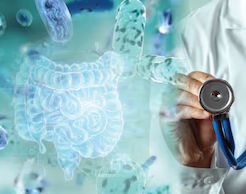 We share our bodies with trillions of microorganisms that contribute importantly to our state of health or disease.
- Collectively called the microbiome, these myriad species can, when in proper balance, protect us from underlying inflammation, leaky gut, and other fundamental disorders that lead to ill health.
- When imbalanced, or dysbiotic, microbiome communities can ravage our health and leave us vulnerable to a wide range of chronic diseases.
- Drugs don’t help, and in fact can often make matters worse by suppressing growth of beneficial organisms.
- Probiotics, living bacteria with beneficial properties, can restore balance to dysbiotic microbiomes, permitting a self-healing process to begin.
- Studies show that carefully designed, scientifically supported probiotic bacteria, alone or in combinations, can improve many of the dysbiosis-associated disorders from which we suffer, including general gut health, cardiovascular and brain health, and immune function.
- Other probiotic formulations now show promise in reducing the burden of tooth decay, gingivitis, and throat infections by modulating oral and pharyngeal microbiomes.
- Eventually, we all fall victim to dysbiosis and its dangerous, lifelong consequences. Now we can all protect ourselves by using valuable, living communities of bacteria to rebalance ailing microbiomes.
What Goes Wrong? Introducing Dysbiosis
 Microbiomes can become imbalanced through poor diet, drugs, unhealthy lifestyle, and toxins. This leaves a state in which a relatively small number of microorganisms attain an unhealthy dominance, often squeezing out other, beneficial ones.
Scientists call this a state of dysbiosis.3
Microbiome imbalance, in which some microorganisms thrive and others die, is being found to have direct connections with practically every chronic disease state in humans.4
To date, there’s strong evidence that various states of dysbiosis in the gut contribute to:
• Intestinal disorders (irritable bowel syndrome, inflammatory bowel disease, colorectal cancer)5-7
• Brain disorders (Alzheimer’s, Parkinson’s, autism)8-10
• Mental health and mood disorders (major depression, anxiety, schizophrenia)11,12
• Heart and other cardiovascular disorders (coronary artery disease, atherosclerosis, high blood pressure)13-15
• Metabolic disorders (type II diabetes, metabolic syndrome)16,17
Equally compelling findings now exist for dysbiosis of the oral and pharyngeal (throat) microbiomes, which have been implicated in tooth cavities, gingivitis/periodontitis (gum disease), and susceptibility to respiratory infections and sore throats, respectively.18-23
Probiotics Rebalance a Dysbiotic Microbiome
 What can we do to restore the all-important balance to dysbiotic microbiomes?
The usual response of mainstream medicine is pharmaceuticals, but with few exceptions, drug therapy has not yet been proven effective in microbiome-related disorders. Killing bacteria with antibiotics is like using a sledgehammer to kill a fly—it’s much more destructive than effective, killing off dozens or hundreds of healthy bacteria to cope with a few unhealthy bacteria.
Fortunately, we have a growing array of weapons in our arsenal to fight dysbiosis and restore healthy, balanced microbiomes, in the form of beneficial bacteria generally known as probiotics.
Probiotic bacteria are derived from populations of known beneficial microorganisms, which produce specific compounds that contribute to human health, or help to suppress the less-beneficial microorganisms.
Humans have been consuming probiotics for millennia in the form of fermented foods like yogurt, pickles, and sauerkraut, which are packed with billions of health-promoting bacteria.24-27
Remarkable progress has been made in the past few years to produce highly specific microbiome-targeted probiotics. Today, there are probiotic formulations available to help maintain overall balance in the gut microbiome, help prevent heart disease, improve mood disorders, enhance our immune systems, reduce our allergy risks, and even bolster oral health and ease sore throats.
Let’s look at each of these areas briefly, to understand the promise of the targeted probiotic revolution.
Multiple Bacterial Strains for Gut Microbiome Balance
 Among the oldest and best-recognized probiotic bacteria, members of the Lactobacillus and Bifidobacteria families stand out for their safety and effectiveness.28,29 Members of these groups have many gut-health benefits, which include reduced inflammation and improved cell-to-cell communications.30
Targeted probiotics have also been shown to improve healthy gene expression in intestinal immune cells—that gigantic community of human immune tissue that makes up more than 70% of our total immune function.31 Studies show that restoring the gut content of “friendly” bacteria can support healthy immune function.32
A balanced probiotic combination takes advantage of all of these findings, and adds an additional vital piece of technology, a specialized capsule that keeps the valuable bacteria alive through the path from the mouth, through the acid-filled stomach and past the enzyme-rich small intestine—a major challenge in delivering probiotics to their target environment in the large intestine.33
This high-tech formulation contains a proprietary blend of six proven probiotic strains, for a total of 15 billion microorganisms per dose. Designed to cling to the intestinal tract’s lining, these six strains consist of:
- Lactobacillus acidophilus LA-14
- Bifidobacterium lactis BL-04
- Lactobacillus paracasei LPC-37
- Lactobacillus rhamnosus LR-32
- Bifidobacterium bifidum/lactis BB-02
- Bifidobacterium longum BB536®
For anyone who wants to address a general state of dysbiosis of the kind most of us have when we eat the occasional processed food, fail to get enough exercise, drink too much alcohol, or even simply live a stressful life, this balancing formulation is a wise choice.
Probiotics Support Heart Health
 Cardiovascular disease remains the leading killer of older Americans, but recent findings linking cardiovascular health to gut microbiome imbalance may offer new hope in the prevention arena. Many of the factors that increase heart-disease risk are influenced by gut dysbiosis: inflammation, cholesterol and other lipid levels, and even the tendency for blood to clot.34
A highly specific probiotic has now been developed, comprised of a single beneficial strain of Lactobacillus. Called Lactobacillus reuteri 30242, this unique microorganism has been shown in clinical trials to safely support healthy cholesterol in adults who are already within the normal range.34-36 Furthermore, L. reuteri 30242 has the ability to support healthy levels of a cholesterol carrier protein called apoB-100, which influences how and where cholesterol is delivered to body tissues.37
This unique probiotic strain also reduces a key marker of inflammation associated with cardiovascular disease, C-reactive protein, or CRP.37
Finally, L. reuteri 30242 can support healthy levels of the blood clotting factor fibrinogen, which may help to reduce the risk of artery-blocking clots that can lead to heart attacks or stroke.37
People with known cardiovascular risk factors should pay special attention to L. reuteri 30242 as part of their daily supplement regimen.
Mood Improvements With Probiotic Combination
Gut microbes help process a wide range of signaling molecules, including many essential hormones and neurotransmitters that brain cells use to communicate and send impulses.38 And inflammatory changes, driven in part by gut dysbiosis, can contribute to mood disorders such as major depression.12,39,40
Researchers around the world have been chasing formulations capable of manipulating gut microbiome constituents to favorably affect brain function. A leading contender has emerged in the form of two specialized bacterial strains, Lactobacillus helveticus R0052 and Bifidobacterium longum R0175.41-43
Human clinical studies on this specialized combination have shown significant improvements in mood, accompanied by reductions in perceived stress levels, while also demonstrating enhanced relaxation abilities.41-43 People with depression and/or anxiety should seriously consider use of this probiotic combination as a way of lightening mood and potentially easing symptoms of anxiety.
Probiotic Formulation Boosts Immune Function
 The human immune system is one of nature’s recurring miracles, capable of discerning minute differences in molecular structures to help protect us from infections, as well as detecting and destroying incipient cancer, shutting down its destructive machinery to prevent damage to our own tissues.
The human intestinal tract is where our immune systems meet our gut microbiome. It is now becoming clear that the gut microbiome plays an outsized role in “teaching” the immune system to distinguish between our own cells and other threatening cells and molecules. When the gut microbiome and immune system work together, we develop appropriate immune tolerance, so that our bodies learn to attack only real offenders and avoid destructive impact on our own tissues.
In particular, our bodies protect themselves with a specialized antibody called immunoglobulin A (IgA), which aids in the distinction between self, tolerable bacteria, and invaders.44 Forward-thinking scientists have recognized that gut bacteria can influence IgA levels, thereby supporting immune function.
A multi-component blend of probiotics has been developed that promotes healthy IgA levels.45,46 Strong IgA responses protect human mucous membranes in the nose, throat, and respiratory system from immune challenges and support a normal, robust immune response.
This probiotic blend is specially designed to support immune health by enhancing IgA levels year-round. It contains Bifidobacterium lactis BS01, Lactobacillus plantarum LP01, L. plantarum LP02, L. rhamnosus LR04, and L. rhamnosus LR05, which have been shown to reduce the incidence and severity of respiratory diseases during the cold season.46 The formulation also includes Bacillus subtilis CU1®, which has been shown to stimulate immune responses in elderly subjects during the dangerous winter season.45
Although this combination has been especially effective in preventing wintertime infections, there is every reason to believe that its IgA-enhancing properties can provide important year-round immunological support.45
Throat Protection with Specialized Probiotic
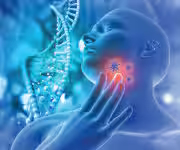 The throat and oral microbiomes are also important in protecting our health. Makeup of the throat (pharyngeal) microbiome may be particularly important in preventing wintertime sore throats, including strep and viral infections.
A specialized strain of probiotic called Streptococcus salivarius K12 is a harmless strep species with unique weapons: it releases two potent lantibiotics (bacterially-produced antibiotics that destroy other bacteria).47,48 In particular, the lantibiotics produced by S. salivarius K12 target S. pyogenes, the species responsible for the classic strep throat.47
A human study showed that S. salivarius K12 in the form of a slow-release chewable tablet delivering a billion colonies of the organism significantly reduced (by more than 90%) episodes of strep throat, while a control group showed no change.47 This study demonstrated an enormous 30-fold reduction in the number of days on antibiotic treatment, a benefit to the entire microbiome.
For anyone who wants freedom from strep throat, and to reduce their annual antibiotic exposure, S. salivarius K12 is the probiotic of choice.
Oral Health Promotion With Paired Probiotic Lozenge
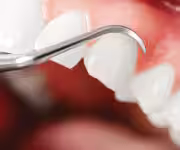 A tremendous proportion of U.S. adults suffer from oral health disorders, particularly cavities and the gum disease gingivitis (which may progress to periodontitis, resulting in tooth loss). These disorders are not only uncomfortable and unsightly, but also have been associated with higher risks of systemic disease, especially cardiovascular disorders.49,50
Dental plaque is a leading contributor to cavities and gingivitis and is a rich environment for destructive bacteria that contribute to oral dysbiosis.49-51
Another unique strain of S. salivarius, called M18, produces its own lantibiotics targeting S. mutans, a major component of plaque and a known cause of cavities.51 This bacterium also produces enzymes with the potential to weaken and loosen plaque on teeth and gums.51
A clinical study of S. salivarius M18 vs. placebo showed a significant reduction in plaque scores in treated, but not placebo, subjects.51
A second component of this formulation is Lactobacillus plantarum L-137, a probiotic capable of activating human immunity and reducing inflammation.52 In a human clinical trial, this probiotic reduced probing depth, the depth of the pocket between tooth and gum where periodontal disease sets in and destroys both tooth and bone.52
Daily supplementation with this proven probiotic combination is an excellent way to augment regular brushing and flossing.
Allergy Relief
Even seasonal allergic symptoms can be driven—and remedied—by microbiome modulation involving the immune system.
That’s good news for the 30% of adults (about 50 million) who suffer from seasonal allergies in the U.S.53,54 In fact, allergies rank sixth in leading causes of chronic illness in America, costing society in excess of $18 billion.53 Sadly, much of that money is being wasted, while allergic people continue to suffer needlessly.
Virtually all allergy remedies on the market today attack symptoms from the end of a long biochemical-signaling cascade. None of them set to work on the primary source of allergic symptoms: an imbalance in the immune system’s regulatory network that promotes the activity of reactive cells over that of more nuanced, regulatory cells.
Now, thanks to advanced scientific breakthroughs, two ingredients have been identified that act at the top of that signaling cascade, effectively retraining the immune system to take pollen and other allergens in its stride, and muting the excessive inflammatory responses that otherwise produce irritating allergy symptoms.
Studies show that between them, this combination of dried baker’s yeast fermentate, a yeast fermentation product, plus heat-treated Lactobacillus L-92 (HT L-92), an inactivated probiotic strain, can significantly and substantially reduce seasonal allergy symptoms, providing 43% fewer days with nasal congestion, a 24% reduction in swollen nasal passages (as evaluated by a physician), and a 31% reduction in eye symptoms.55-57
Summary
 We’re experiencing the beginning of a true medical revolution with the discovery of the trillions of bacteria that make up our microbiome. These bacteria provide countless opportunities to improve and protect our health through careful balancing of the community composition.
Imbalanced (dysbiotic) microbiomes are now associated with practically every chronic disease that plagues humanity. And restoring balance has been repeatedly shown to reverse the consequences of dysbiosis, to protect us from disease, and to enhance our health and the prospects for longevity.
We can’t treat dysbiosis with drugs.
Studies now show that probiotic supplementation can rebalance dysbiotic microbiomes and protect us from disorders of the gut, brain, heart, and immune system. Similarly, probiotics targeting the oral and throat microbiomes can protect us against dental disease, gingivitis, and throat infections.
These potent formulations are only the beginning of a new era in medicine, when we learn to engage in partnerships with the other living beings that share our bodies and encourage them to ease us into better biological balance for longer, healthier lives.
Material used with permission of Life Extension. All rights reserved.
- Khanna S, Tosh PK. A clinician’s primer on the role of the microbiome in human health and disease. Mayo Clin Proc. 2014;89(1):107-14.
- Vighi G, Marcucci F, Sensi L, et al. Allergy and the gastrointestinal system. Clin Exp Immunol.2008;153(Suppl 1):3-6.
- Iebba V, Totino V, Gagliardi A, et al. Eubiosis and dysbiosis: the two sides of the microbiota. New Microbiol. 2016;39(1):1-12.
- Serino M, Blasco-Baque V, Nicolas S, et al. Far from the eyes, close to the heart: dysbiosis of gut microbiota and cardiovascular consequences. Curr Cardiol Rep. 2014;16(11):540.
- Jurjus A, Eid A, Al Kattar S, et al. Inflammatory bowel disease, colorectal cancer and type 2 diabetes mellitus: The links. BBA Clin. 2016;5:16-24.
- Richard ML, Liguori G, Lamas B, et al. Mucosa-associated microbiota dysbiosis in colitis associated cancer. Gut Microbes. 2017:1-12.
- Lopetuso LR, Petito V, Graziani C, et al. Gut Microbiota in Health, Diverticular Disease, Irritable Bowel Syndrome, and Inflammatory Bowel Diseases: Time for Microbial Marker of Gastrointestinal Disorders. Dig Dis. 2018;36(1):56-65.
- Vogt NM, Kerby RL, Dill-McFarland KA, et al. Gut microbiome alterations in Alzheimer’s disease. Sci Rep. 2017;7(1):13537.
- Tremlett H, Bauer KC, Appel-Cresswell S, et al. The gut microbiome in human neurological disease: A review. Ann Neurol. 2017;81(3):369-82.
- Strati F, Cavalieri D, Albanese D, et al. New evidences on the altered gut microbiota in autism spectrum disorders. Microbiome. 2017;5(1):24.
- Zheng P, Zeng B, Zhou C, et al. Gut microbiome remodeling induces depressive-like behaviors through a pathway mediated by the host’s metabolism. Mol Psychiatry. 2016;21(6):786-96.
- Jiang H, Ling Z, Zhang Y, et al. Altered fecal microbiota composition in patients with major depressive disorder. Brain Behav Immun. 2015;48:186-94.
- Emoto T, Yamashita T, Kobayashi T, et al. Characterization of gut microbiota profiles in coronary artery disease patients using data mining analysis of terminal restriction fragment length polymorphism: gut microbiota could be a diagnostic marker of coronary artery disease. Heart Vessels. 2017;32(1):39-46.
- Li J, Zhao F, Wang Y, et al. Gut microbiota dysbiosis contributes to the development of hypertension. Microbiome. 2017;5(1):14.
- Jie Z, Xia H, Zhong S-L, et al. The gut microbiome in atherosclerotic cardiovascular disease. Nature Communications. 2017;8(1):845.
- Long J, Cai Q, Steinwandel M, et al. Association of oral microbiome with type 2 diabetes risk. J Periodontal Res. 2017.
- Mazidi M, Rezaie P, Kengne AP, et al. Gut microbiome and metabolic syndrome. Diabetes Metab Syndr. 2016;10(2 Suppl 1):S150-7.
- Kim BS, Han DH, Lee H, et al. Association of Salivary Microbiota with Dental Caries Incidence with Dentine Involvement after 4 years. J Microbiol Biotechnol. 2018.
- He J, Tu Q, Ge Y, et al. Taxonomic and Functional Analyses of the Supragingival Microbiome from Caries-Affected and Caries-Free Hosts. Microb Ecol.2018;75(2):543-54.
- Schincaglia GP, Hong BY, Rosania A, et al. Clinical, Immune, and Microbiome Traits of Gingivitis and Peri-implant Mucositis. J Dent Res. 2017;96(1):47-55.
- Wallis C, Marshall M, Colyer A, et al. A longitudinal assessment of changes in bacterial community composition associated with the development of periodontal disease in dogs. Vet Microbiol. 2015;181(3-4):271-82.
- Atkinson TP, Centor RM, Xiao L, et al. Analysis of the tonsillar microbiome in young adults with sore throat reveals a high relative abundance of Fusobacterium necrophorum with low diversity. PLoS One. 2018;13(1):e0189423.
- Jensen A, Fago-Olsen H, Sorensen CH, et al. Molecular mapping to species level of the tonsillar crypt microbiota associated with health and recurrent tonsillitis. PLoS One. 2013;8(2):e56418.
- Pei R, Martin DA, DiMarco DM, et al. Evidence for the effects of yogurt on gut health and obesity. Crit Rev Food Sci Nutr. 2017;57(8):1569-83.
- Saez-Lara MJ, Gomez-Llorente C, Plaza-Diaz J, et al. The role of probiotic lactic acid bacteria and bifidobacteria in the prevention and treatment of inflammatory bowel disease and other related diseases: a systematic review of randomized human clinical trials. Biomed Res Int. 2015;2015:505878.
- Veiga P, Pons N, Agrawal A, et al. Changes of the human gut microbiome induced by a fermented milk product. Sci Rep. 2014;4:6328.
- Barengolts E. Gut microbiota, prebiotics, probiotics, and synbiotics in management of obesity and prediabetes: Review of randomized controlled trials. Endocr Pract. 2016;22(10):1224-34.
- Toscano M, De Grandi R, Stronati L, et al. Effect of Lactobacillus rhamnosus HN001 and Bifidobacterium longum BB536 on the healthy gut microbiota composition at phyla and species level: A preliminary study. World J Gastroenterol. 2017;23(15):2696-704.
- Kim SE, Choi SC, Park KS, et al. Change of Fecal Flora and Effectiveness of the Short-term VSL#3 Probiotic Treatment in Patients With Functional Constipation. J Neurogastroenterol Motil. 2015;21(1):111-20.
- Thomas CM, Versalovic J. Probiotics-host communication: Modulation of signaling pathways in the intestine. Gut Microbes. 2010;1(3):148-63.
- Holmgren J, Czerkinsky C, Lycke N, et al. Mucosal immunity: implications for vaccine development. Immunobiology. 1992;184(2-3):157-79.
- Calder PC, Kew S. The immune system: a target for functional foods? Br J Nutr. 2002;88 Suppl 2:S165-77.
- Sheehan VM, Sleator RD, Hill C, et al. Improving gastric transit, gastrointestinal persistence and therapeutic efficacy of the probiotic strain Bifidobacterium breve UCC2003. Microbiology. 2007;153(Pt 10):3563-71.
- Jones ML, Martoni CJ, Prakash S. Cholesterol lowering and inhibition of sterol absorption by Lactobacillus reuteri NCIMB 30242: a randomized controlled trial. Eur J Clin Nutr. 2012;66(11):1234-41.
- Jones ML, Martoni CJ, Parent M, et al. Cholesterol-lowering efficacy of a microencapsulated bile salt hydrolase-active Lactobacillus reuteri NCIMB 30242 yoghurt formulation in hypercholesterolaemic adults. Br J Nutr. 2012;107(10):1505-13.
- Kumar M, Nagpal R, Kumar R, et al. Cholesterol-lowering probiotics as potential biotherapeutics for metabolic diseases. Exp Diabetes Res. 2012;2012:902917.
- Jones ML, Martoni CJ, Prakash S. Oral supplementation with probiotic L. reuteri NCIMB 30242 increases mean circulating 25-hydroxyvitamin D: a post hoc analysis of a randomized controlled trial. J Clin Endocrinol Metab. 2013;98(7):2944-51.
- Usami M, Miyoshi M, Yamashita H. Gut microbiota and host metabolism in liver cirrhosis. World J Gastroenterol. 2015;21(41):11597-608.
- Guida F, Turco F, Iannotta M, et al. Antibiotic-induced microbiota perturbation causes gut endocannabinoidome changes, hippocampal neuroglial reorganization and depression in mice. Brain Behav Immun. 2017.
- Wong ML, Inserra A, Lewis MD, et al. Inflammasome signaling affects anxiety- and depressive-like behavior and gut microbiome composition. Mol Psychiatry. 2016;21(6):797-805.
- Gonzalez-Gross M, Valtuena J, Breidenassel C, et al. Vitamin D status among adolescents in Europe: the Healthy Lifestyle in Europe by Nutrition in Adolescence study. Br J Nutr. 2012;107(5):755-64.
- Messaoudi M, Violle N, Bisson JF, et al. Beneficial psychological effects of a probiotic formulation (Lactobacillus helveticus R0052 and Bifidobacterium longum R0175) in healthy human volunteers. Gut Microbes. 2011;2(4):256-61.
- Ridaura V, Belkaid Y. Gut microbiota: the link to your second brain. Cell. 2015;161(2):193-4.
- Root-Bernstein R. Autoimmunity and the microbiome: T-cell receptor mimicry of “self” and microbial antigens mediates self tolerance in holobionts: The concepts of “holoimmunity” (TcR-mediated tolerance for the holobiont) and “holoautoimmunity” (loss of tolerance for the holobiont) are introduced. Bioessays. 2016;38(11):1068-83.
- Lefevre M, Racedo SM, Ripert G, et al. Probiotic strain Bacillus subtilis CU1 stimulates immune system of elderly during common infectious disease period: a randomized, double-blind placebo-controlled study. Immun Ageing. 2015;12(1):24.
- Pregliasco F, Anselmi G, Fonte L, et al. A new chance of preventing winter diseases by the administration of synbiotic formulations. J Clin Gastroenterol. 2008;42 Suppl 3 Pt 2:S224-33.
- Di Pierro F, Colombo M, Zanvit A, et al. Use of Streptococcus salivarius K12 in the prevention of streptococcal and viral pharyngotonsillitis in children. Drug Healthc Patient Saf. 2014;6:15-20.
- Draper LA, Cotter PD, Hill C, et al. Lantibiotic resistance. Microbiol Mol Biol Rev. 2015;79(2):171-91.
- Hajishengallis G. Periodontitis: from microbial immune subversion to systemic inflammation. Nat Rev Immunol. 2015;15(1):30-44.
- Burton JP, Wescombe PA, Cadieux PA, et al. Beneficial microbes for the oral cavity: time to harness the oral streptococci? Benef Microbes. 2011;2(2):93-101.
- Burton JP, Drummond BK, Chilcott CN, et al. Influence of the probiotic Streptococcus salivarius strain M18 on indices of dental health in children: a randomized double-blind, placebo-controlled trial. J Med Microbiol. 2013;62(Pt 6):875-84.
- Iwasaki K, Maeda K, Hidaka K, et al. Daily Intake of Heat-killed Lactobacillus plantarum L-137 Decreases the Probing Depth in Patients Undergoing Supportive Periodontal Therapy. Oral Health Prev Dent. 2016;14(3):207-14.
- Available at: http://www.cdc.gov/healthcommunication/toolstemplates/entertainmented/tips/allergies.html. Accessed March 26, 2018.
- Available at: http://www.aafa.org/page/allergy-facts.aspx. Accessed March 26, 2018.
- Moyad MA, Robinson LE, Kittelsrud JM, et al. Immunogenic yeast-based fermentation product reduces allergic rhinitis-induced nasal congestion: a randomized, double-blind, placebo-controlled trial. Adv Ther. 2009;26(8):795-804.
- Ishida Y, Nakamura F, Kanzato H, et al. Effect of milk fermented with Lactobacillus acidophilus strain L-92 on symptoms of Japanese cedar pollen allergy: a randomized placebo-controlled trial. Biosci Biotechnol Biochem. 2005;69(9):1652-60.
- Ishida Y, Nakamura F, Kanzato H, et al. Clinical effects of Lactobacillus acidophilus strain L-92 on perennial allergic rhinitis: a double-blind, placebo-controlled study. J Dairy Sci. 2005;88(2):527-33.
Related products
-
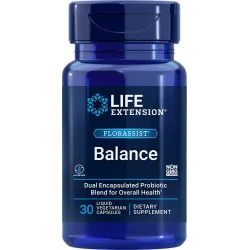
FlorAssist ® Balance
Price: 27,74 €Get broad-spectrum probiotic support Supports optimal digestive health... -
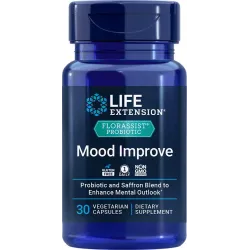
FLORASSIST® Mood Improve
Price: 28,06 €Probiotic and saffron blend enhances mood & mental outlook. Promotes... -
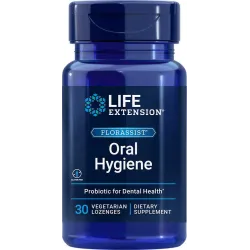
FLORASSIST® Oral Hygiene
Price: 19,85 €This innovative probiotic lozenge complements any oral care program to help... -
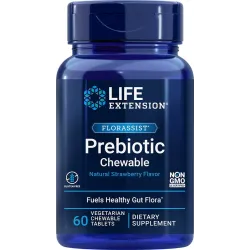
FLORASSIST® Prebiotic Chewable (Strawberry)
Price: 19,53 €Prebiotic supplement provides fuel for gut flora Supports intestinal,...
Related posts
-
 Probiotics Provide Vital Protection Against Chronic Disease
Probiotics, the beneficial bacteria commonly found in yogurt cultures, are popularly thought of as an aid to good...
Probiotics Provide Vital Protection Against Chronic Disease
Probiotics, the beneficial bacteria commonly found in yogurt cultures, are popularly thought of as an aid to good... -
Quercetin: Broad-Spectrum Protection
Quercetin is naturally abundant in plant foods and as a result is highly bioavailable.Nonetheless, most people do not...
-
Probiotics supports mood and relaxation
Anxiety and mood disorders are now being recognized as major medical and societal issues. With millions of people...
-
New, dangerous coronavirus (SARS-CoV-2, COVID-19) Nutritional recommendations when facing coronavirus pandemic.
While medical science is diligently working on the development of an effective treatment, it may be prudent to learn...
-
Oral Probiotics Combat Gum Disease
In the era of the COVID-19 pandemic, caring for oral hygiene seems to be particularly important. The human mouth is...