
 English
 Polski
 Deutsch
 Français
 ελληνικά
 Español
 Italiano
Importance of Zinc In Maintaining Prostate Health
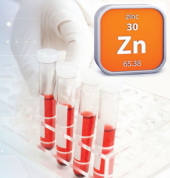 Prostate cancer is the second leading cause of cancer death among men.1
Researchers have uncovered data revealing that the trace mineral zinc plays an active role in maintaining prostate health. In fact, prostate cells accumulate more zinc than do cells in any other human tissue.2-5 Studies reveal that the presence of zinc in the body helps suppress tumor growth, especially in the prostate.6,7
Zinc is a trace metal that is proving vital for a number of human biological processes. All cells have a requirement for zinc at some level.3,4 An ongoing debate has raged for years over whether populations who consume more zinc are protected against prostate cancer, in part, due to the fact that blood levels of zinc may not accurately reflect the levels of zinc in prostate tissue.8,9
However, a number of studies demonstrate specific mechanisms by which zinc acts as a tumor suppressor, altering the biology of prostate cells to make them less likely to undergo malignant transformation, and less able to multiply and survive as cancer cells.6,7
In this article, you will learn the importance of maintaining optimal levels of zinc, an inexpensive supplement that supports a healthy prostate.
Low Zinc Levels In Prostate Cancer Cells
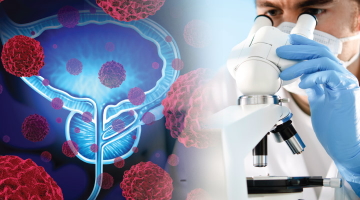 Zinc is a powerful tumor suppressor. Researchers have discovered a specialized transporter protein that enables peak levels of zinc to be maintained in prostate tissue.7,10
To fully understand how zinc functions to prevent prostate cancer, we need to review the function of the prostate gland itself. Remember that the prostate gland is important in male reproductive function; specifically, the prostate secretes a fluid which, at the time of ejaculation, is mixed with sperm from the testes and secretions from the seminal vesicles. Prostatic fluid makes up about 30% of the volume of semen; its role is to slightly alkalinize seminal fluid in order to counteract the acidic pH of the vaginal tract, allowing sperm to survive long enough to enter the uterus.11,12
The bulk of prostatic fluid is created in and secreted from the outermost region of the prostate gland, the so-called “peripheral zone,” which is also the source of most prostate cancer development and progression.8 Cells in the peripheral zone are highly specialized to accumulate zinc, with the result that prostate tissue contains zinc at levels 10 to 15 times that of other tissues.8
To accumulate such high levels of zinc, prostate peripheral zone cells are endowed with a specialized zinc transporter protein called ZIP1.13 ZIP1 pulls in high levels of zinc from the blood, which is then used in prostate cells to block oxidation of citrate.6,7,10,14
High levels of zinc in the prostate gland have been shown to be an essential factor in preventing the initiation of cancer in prostate cells. At high levels, zinc is toxic for most human cells,15 but having developed the mechanism for concentrating zinc, prostate peripheral zone cells can resist that toxicity and derive protective benefit.6
Zinc has been found to exert powerful tumor suppressor effects. First, zinc switches “on” the programmed cell death mechanism called apoptosis; apoptosis is one of the body’s main self-protection mechanisms, causing cells to die when they are not needed or could cause damage. Zinc also inhibits cell migration and invasion into other tissues, a characteristic that is common in malignant cells.6
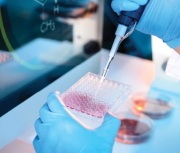 Prostate cancer cells have sharply reduced concentrations of zinc, a consequence of their inability to accumulate the metal ions in the way that healthy prostate tissue does.6,16 A recent summary of studies of zinc content in healthy and cancerous prostate tissue showed a significant decrease of 68% in zinc levels in cancerous versus noncancerous prostate glands.6 Furthermore, embedded nodules of cancerous prostate tissue show significantly lower zinc levels than those in adjacent healthy prostate tissue.17 Indeed, it has been observed that malignant prostate tissue does not demonstrate the high zinc levels typical of healthy prostate tissue.6
Thus, prostate cancer cells lose their ability to accumulate zinc. Stated differently, high zinc accumulation is therefore improbable with prostate malignancy.6 By understanding the relationship of zinc with prostate cancer, we can capitalize on new opportunities for natural prevention of prostate cancer.10 Let’s now examine the research data in support of this idea.
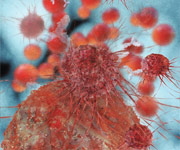 Prostate cancer remains the second most common malignancy in men, after skin cancer, and the second leading cause of cancer death, after lung cancer.
- The trace metal zinc plays a unique role in prostate health; the prostate gland accumulates zinc at 10 to 15 times higher concentration than other body tissues.
- Zinc helps prostate cells resist malignant transformation by creating an intracellular environment toxic to cancerous cells; normal prostate cells have evolved powerful mechanisms to protect themselves against zinc toxicity.
- Basic laboratory studies reveal potent effects of prostate cell zinc content on fundamental cancer-promoting properties of cells.
- Men over 40 should consider zinc supplementation for a variety of reasons including maintaining healthy prostate tissue zinc levels.
Studies Reveal Zinc Protection Against Prostate Cancer
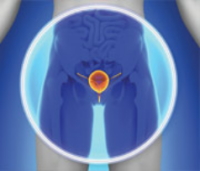 While early studies failed to show convincing relationships between zinc and prostate cancer, more recent carefully designed studies demonstrate some fairly substantial protection.
First, it has been shown that zinc levels in blood are decreased in many kinds of malignancies, including lung, head and neck, breast, stomach, esophageal, and prostate cancers, while elevation in zinc levels is not seen in any tumor type.18,19
Secondly, some research on zinc intake, from diet or supplements, suggests considerable protection, especially from more advanced prostate cancers, which are the kinds that cause the highest death rates.
In one study, while the average intake of supplemental zinc was not associated with a reduction in overall prostate cancer risk, men who supplemented daily with over 15 mg of zinc had a 66% reduction in the risk of having advanced prostate cancer.20 Another study showed that higher dietary zinc intake was associated with a 36% reduction in the risk of dying from prostate cancer; the degree of protection was even stronger, a 76% risk reduction in men with localized (earlier) tumors.21
Thirdly, studies of variations in zinc from groundwater and other environmental sources show that low-zinc geographic areas of the country often have higher-than-average rates of prostate cancer.22
Zinc’s Protective Effects On Prostate Cancer
 Evidence from large-scale studies points to significantly lower risks of prostate cancer when zinc levels are highest. Only quite recently have new laboratory studies provided information on precisely how zinc supplementation might help your body suppress an incipient prostate cancer.
One study was able to show that, in mice genetically programmed to develop prostate cancer, the size of the tumors was dependent on zinc intake. Animals with the lowest and the very highest zinc levels had the largest tumors, indicating that there is an optimal level of zinc intake for prevention of prostate cancer.7
Another study, in which rats were exposed to a known prostate chemical carcinogen found that animals with high tumor incidence had low zinc levels, consistent with human epidemiological studies.23 In addition, carcinogen-treated rats demonstrated high levels of markers of oxidative stress and pro-tumor signaling molecules, but supplementation of those animals with zinc reversed those negative effects, and in fact, reversed the microscopic findings of cancer-like cells in the animals’ prostate glands.
In a study of human prostate cancer cells in culture, treatment with zinc significantly reduced expression of pro-inflammatory cytokines (signaling molecules) known to promote cancer.24 Furthermore, zinc treatment also significantly lowered levels of other molecules that tumor cells use to promote new blood vessel formation to feed growing tumors, as well as proteins that promote invasion and metastatic spread.24
Zinc promotes tumor cell death by apoptosis, as we noted above. In a 2013 study, it was shown that zinc could sensitize prostate cancer cells to the effects of sorafenib, a cancer chemotherapy agent that works by triggering tumor cell apoptosis, demonstrating its potentially additive effects to chemotherapy.25
 Most recently, resveratrol was proposed as a means of enhancing zinc accumulation in prostate tissue.26 If verified in further studies, this approach might lead to a unique nutrient combination capable of restoring falling zinc levels to normal, even in early malignant cells that have begun to lose their zinc-concentrating abilities.
Zinc supplementation appears to offer important benefits to aging men for general health, the immune system, and the prostate gland. For example, a 2009 study showed that the risk of advanced prostate cancer (regionally invasive or distant metastatic disease) decreased significantly with intake of supplemental zinc greater than 15 mg per day over a 10-year period.20 A 2007 study showed that a daily 45 mg dose of zinc reduced the incidence of all infections, including those of the respiratory tract, in elderly adults.27 At a dose of 80 mg per day, zinc was found to reduce overall deaths by 27% over a median of 6.5 years.28 However, very high levels of zinc intake greater than 100 mg per day for long periods of time (chronic ingestion) may increase the risk of advanced prostate disease.31
Be aware that if more than 50 mg of supplemental zinc is taken daily on a chronic basis, 2 mg of supplemental copper should also be taken to prevent copper deficiency.29
Summary
Prostate cancer remains a serious threat to the lives of men past middle age. Fortunately, prostate cancers grow slowly, making early interventions possible.
Healthy prostate tissue contains the body’s highest concentrations of zinc, while prostate cancer cells lose the ability to selectively take up and store zinc as they age. It is now evident that dietary zinc provides tumor suppressor activity that protect cells against prostate carcinogenesis in preclinical research.
Recent epidemiological studies demonstrate that men with higher levels of zinc, from diet or supplements, are protected against advanced prostate cancer. Studies show that measurements of prostate tissue zinc correlate closely with protection from aggressive prostate malignancies. And basic laboratory studies are providing insight into precisely how zinc might interfere with the long chain of events that leads to the development of prostate cancer.
Optimal zinc supplementation falls between 30-85 mg a day.
Material used with permission of Life Extension. All rights reserved.
- Available at: http://www.cancer.org/cancer/prostatecancer/detailedguide/prostate-cancer-key-statistics. Accessed February 2, 2015.
- Franz MC, Anderle P, Burzle M, et al. Zinc transporters in prostate cancer. Mol Aspects Med. 2013 Apr-Jun;34(2-3):735-41.
- Huang L. Zinc and its transporters, pancreatic b-cells, and insulin metabolism. Vitam Horm. 2014;95:365-90.
- Franklin RB, Milon B, Feng P, Costello LC. Zinc and zinc transporters in normal prostate and the pathogenesis of prostate cancer. Front Biosci. 2005;10:2230-9.
- Zaichick V, Sviridova TV, Zaichick SV. Zinc in the human prostate gland: normal, hyperplastic and cancerous. Int Urol Nephrol. 1997;29(5):565-74.
- Costello LC, Franklin RB, Tan MT. A critical assessment of epidemiology studies regarding dietary/supplemental zinc and prostate cancer risk. Open Urol Nephrol J. 2008;1.
- Franklin RB, Costello LC. Zinc as an anti-tumor agent in prostate cancer and in other cancers. Arch Biochem Biophys. 2007 Jul 15;463(2):211-7.
- Park SY, Wilkens LR, Morris JS, Henderson BE, Kolonel LN. Serum zinc and prostate cancer risk in a nested case-control study: The multiethnic cohort. Prostate. 2013 Feb 15;73(3):261-6.
- Prasad AS, Mukhtar H, Beck FW, et al. Dietary zinc and prostate cancer in the TRAMP mouse model. J Med Food. 2010 Feb;13(1):70-6.
- Costello LC, Franklin RB. The clinical relevance of the metabolism of prostate cancer; zinc and tumor suppression: connecting the dots. Mol Cancer. 2006;5:17.
- Lilja H, Abrahamsson PA, Lundwall A. Semenogelin, the predominant protein in human semen. Primary structure and identification of closely related proteins in the male accessory sex glands and on the spermatozoa. J Biol Chem. 1989 Jan 25;264(3):1894-900.
- Fair WR, Cordonnier JJ. The pH of prostatic fluid: a reappraisal and therapeutic implications. J Urol. 1978 Dec;120(6):695 8.
- Costello LC, Franklin RB. Cytotoxic/tumor suppressor role of zinc for the treatment of cancer: an enigma and an opportunity. Expert Rev Anticancer Ther. 2012 Jan;12(1):121-8.
- Franklin RB, Feng P, Milon B, et al. hZIP1 zinc uptake transporter down regulation and zinc depletion in prostate cancer. Mol Cancer. 2005;4:32.
- Palmiter RD. Protection against zinc toxicity by metallothionein and zinc transporter 1. Proc Natl Acad Sci USA. 2004 Apr 6;101(14):4918-23.
- Medarova Z, Ghosh SK, Vangel M, Drake R, Moore A. Risk stratification of prostate cancer patients based on EPS-urine zinc content. Am J Cancer Res. 2014;4(4):385-93.
- Gyorkey F, Min KW, Huff JA, Gyorkey P. Zinc and magnesium in human prostate gland: normal, hyperplastic, and neoplastic. Cancer Res.1967 Aug;27(8):1348-53.
- Mir MM, Dar NA, Salam I, et al. Studies on association between copper excess, zinc deficiency and tp53 mutations in esophageal squamous cell carcinoma from Kashmir Valley, India - A high risk area. Int J Health Sci (Qassim). 2007 Jan;1(1):35-42.
- Gumulec J, Masarik M, Adam V, Eckschlager T, Provaznik I, Kizek R. Serum and tissue zinc in epithelial malignancies: a meta-analysis. PLoS One. 2014;9(6):e99790.
- Gonzalez A, Peters U, Lampe JW, White E. Zinc intake from supplements and diet and prostate cancer. Nutr Cancer. 2009;61(2):206-15.
- Epstein MM, Kasperzyk JL, Andren O, et al. Dietary zinc and prostate cancer survival in a Swedish cohort. Am J Clin Nutr. 2011 Mar;93(3):586-93.
- Wagner SE, Burch JB, Hussey J, et al. Soil zinc content, groundwater usage, and prostate cancer incidence in South Carolina. Cancer Causes Control. 2009 Apr;20(3):345-53.
- Banudevi S, Elumalai P, Sharmila G, Arunkumar R, Senthilkumar K, Arunakaran J. Protective effect of zinc on N-methyl-N-nitrosourea and testosterone-induced prostatic intraepithelial neoplasia in the dorsolateral prostate of Sprague Dawley rats. Exp Biol Med (Maywood). 2011 Sep;236(9):1012-21.
- Uzzo RG, Crispen PL, Golovine K, Makhov P, Horwitz EM, Kolenko VM. Diverse effects of zinc on NF-kappaB and AP-1 transcription factors: implications for prostate cancer progression. Carcinogenesis. 2006 Oct;27(10):1980-90.
- Chen X, Che X, Wang J, et al. Zinc sensitizes prostate cancer cells to sorafenib and regulates the expression of Livin. Acta Biochim Biophys Sin (Shanghai). 2013 May;45(5):353-8.
- Singh CK, Pitschmann A, Ahmad N. Resveratrol-zinc combination for prostate cancer management. Cell Cycle. 2014 Jun 15;13(12):1867-74.
- Prasad AS, Beck FW, Bao B, et al. Zinc supplementation decreases incidence of infections in the elderly: effect of zinc on generation of cytokines and oxidative stress. Am J Clin Nutr. 2007 Mar;85(3):837-44.
- Barnett JB, Hamer DH, Meydani SN. Low zinc status: a new risk factor for pneumonia in the elderly? Nutr Rev. 2010 Jan;68(1):30-7.
- Shankar AH, Prasad AS. Zinc and immune function: the biological basis of altered resistance to infection. Am J Clin Nutr. 1998 Aug;68(2 Suppl):447S-463S.
- Pae M, Meydani SN, Wu D. The role of nutrition in enhancing immunity in aging. Aging Dis. 2012 Feb;3(1):91-129.
- Leitzmann MF, Stampfer MJ, Wu K, Colditz GA, Willett WC, Giovannucci EL. Zinc supplement use and risk of prostate cancer. J Natl Cancer Inst. 2003 Jul2;95(13):1004-7.
Related products
-
Zinc Caps
Price: 13,08 €Support your body's natural immune defenses Supports body’s natural immune... -
Related posts
-
 Optimal Prostate Defense Requires a Multi-Modal Strategy
As an aging man, your odds of suffering benign prostate enlargement (BPH) and/or prostate cancer are exceedingly...
Optimal Prostate Defense Requires a Multi-Modal Strategy
As an aging man, your odds of suffering benign prostate enlargement (BPH) and/or prostate cancer are exceedingly... -
Testosterone. Natural Methods to Improve Vitality, Sexual Function, and Prostate Health
As men grow older, they often face daunting health challenges caused by the age-related decline in testosterone...
-
The Inflammatory Factor Underlying Most Cancers
Implicated in the onset of 95% of all cancers is a common but under-recognized molecule most people have never heard...
-
Low Testosterone Promotes Abdominal Obesity in Aging Men
As men age, many become trapped in a vicious cycle that leads to life-threatening abdominal obesity. No matter how...
-
Benign Prostatic Hyperplasia (BPH) part 1
The majority of men older than 60 years will be affected by benign (noncancerous) enlargement of the prostate gland....