English
 Polski
 Deutsch
 Français
 ελληνικά
 Español
 Italiano
40,55 €

Quantity:
Total:
Total products:
Total shipping: To be determined
Total:
Science-based food supplements

Manufacturer: Life Extension
Waiting for delivery
| Quantity | Price | You Save |
|---|---|---|
| 2 | 27,30 € | Up to 2,28 € |
| 4 | 26,73 € | Up to 6,83 € |
By buying this product you can collect up to 28 loyalty points. Your cart will total 28 points that can be converted during next order into a voucher of 1,40 €.

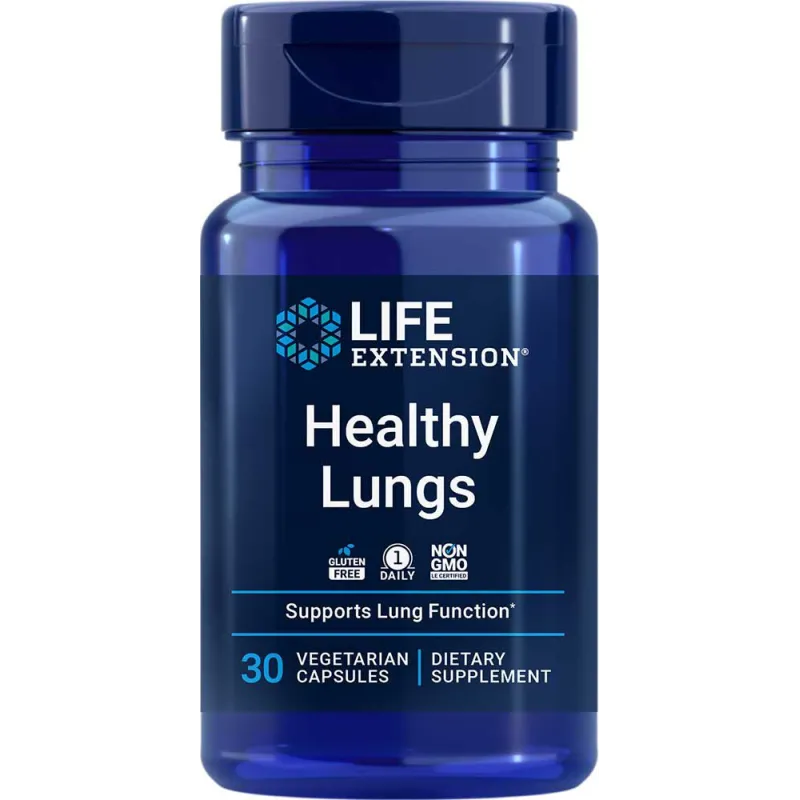
Healthy Lungs
30 vegetarian capsules
Item Catalog Number: 02512
Lung function declines with age—and oftentimes, the quality of the air we breathe doesn’t help. This respiratory supplement combines four nutrients scientifically studied for lung support and healthy respiratory function.
Got good lungs? Respiratory health is an often-overlooked part of aging gracefully. But it’s not too late to breathe well: studies show Boswellia, Indian Bael fruit (Aegle marmelos), saffron and andrographolide (an active compound in Andrographis or Indian echinacea) support healthy respiratory function in different ways—so we put all of them in one lung support supplement.
Benefits at a Glance:
This daily respiratory health supplement helps keep you breathing easy with clinically studied ingredients. A synergistic combination of Boswellia serrata and Indian Bael fruit (Aegle marmelos) helps inhibit inflammatory factors to support lung health. Saffron helps relax your airways, while andrographolide helps fight cellular stress, supporting healthy lung tissue and function.
Help your lungs keep you breathing easy with this lung health supplement!
Boswellia serrata & Aegle marmelos fruit—In two clinical studies, this botanical combination was found to help inhibit inflammatory factors to support lung health.1,2
Saffron—The orange-yellow spice does more than add color to your food. In a clinical study, it was shown to help relax the airways, promoting healthy breathing patterns.3,4
Andrographolide—In pre-clinical studies, this plant compound demonstrated protective effects against cellular stress, which encourages healthy lung tissue and function.5-10
City living. There's nothing like it. But the poor air quality indoors and out can be a big drawback. It's time to take a deep breath and support your breathing with Healthy Lungs. Our formula combines scientifically studied nutrients that support lung health. Research shows these extracts help relax airways, promote healthy breathing patterns, and protect against environmental factors.
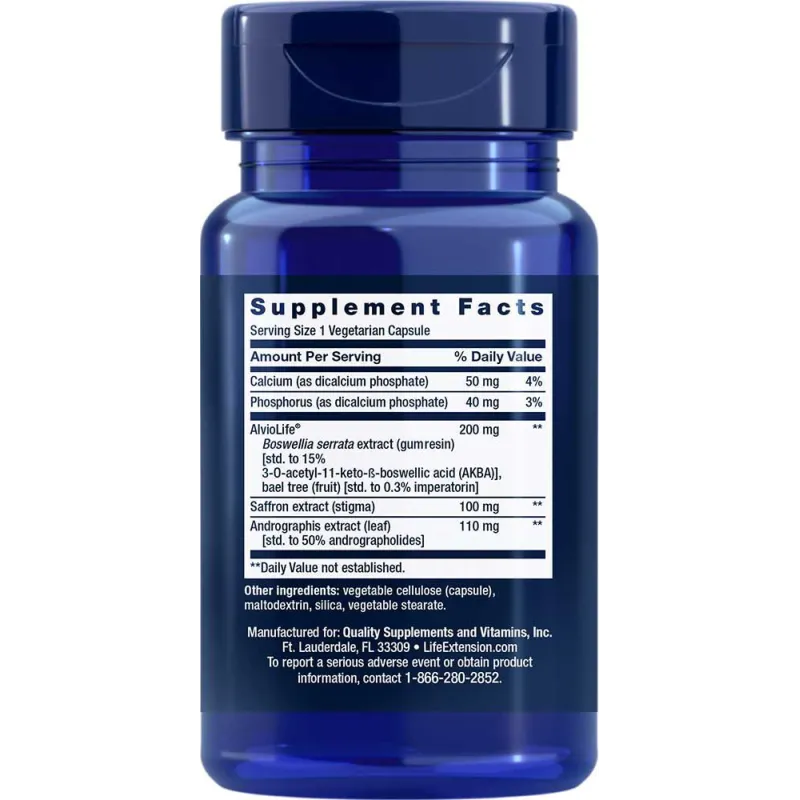
Serving Size 1 vegetarian capsule
| Amount Per Serving | |
|---|---|
| Calcium (as dicalcium phosphate) | 50 mg |
| Phosphorus (as dicalcium phosphate) | 40 mg |
|
AlvioLife® Boswellia serrata extract (gumresin) [std. to 15% 3-O-acetyl-11-keto-ß-boswellic acid (AKBA)], bael tree (fruit) [std. to 0.3% imperatorin] |
200 mg |
| Saffron extract (stigma) | 100 mg |
| Andrographis extract (leaf) [std. to 50% andrographolides] | 110 mg |
| Other ingredients: vegetable cellulose (capsule), maltodextrin, silica, vegetable stearate. | |
Non-GMO, Gluten Free, Vegetarian
AlvioLife® is a registered trademark of PLT Health Solutions-Laila Nutraceuticals LLC.
Dosage and Use
Take one (1) capsule daily, or as recommended by a healthcare practitioner absorption.
Warnings
KEEP OUT OF REACH OF CHILDREN
DO NOT EXCEED RECOMMENDED DOSE
Do not purchase if outer seal is broken or damaged.
When using nutritional supplements, please consult with your physician if you are undergoing treatment for a medical condition or if you are pregnant or lactating.
40,55 €
38,57 €
24,96 €
15,10 €
Comprehensive lung health formulations typically combine multiple evidence-based nutrients and botanicals addressing different aspects of respiratory function. N-acetylcysteine (NAC) serves as a foundational ingredient by thinning mucus through breaking disulfide bonds in mucoproteins, with clinical doses of 600-1200 mg daily reducing mucus viscosity by 30-50% and improving clearance. NAC also replenishes glutathione, the lungs' primary antioxidant defense system, protecting against oxidative stress from air pollution, smoking, and inflammation. Quercetin provides potent anti-inflammatory and antihistamine effects, stabilizing mast cells and reducing inflammatory cytokine release by 25-40%, particularly valuable for allergic respiratory conditions and asthma. Bromelain, the proteolytic enzyme from pineapple, demonstrates mucolytic properties while reducing airway inflammation and supporting healthy inflammatory responses in bronchial tissue. Vitamin C in therapeutic doses (500-1000 mg) supports immune function, neutralizes oxidative stress in lung tissue, and may reduce exercise-induced bronchoconstriction. Zinc supports respiratory immune defenses and epithelial barrier integrity. Herbal components like mullein traditionally support bronchial health through expectorant effects and soothing inflamed airways, while ivy leaf extract demonstrates bronchodilating properties improving airflow. These ingredients work synergistically—NAC and quercetin provide complementary antioxidant protection, while bromelain enhances the anti-inflammatory effects of other components.
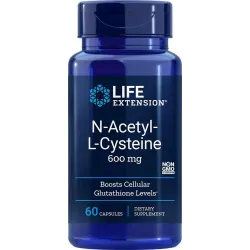
N-acetylcysteine represents perhaps the most extensively researched nutrient for lung health with multiple mechanisms supporting respiratory function. The primary action involves direct mucolytic effects—NAC's free thiol group breaks the disulfide bonds that give mucus its thick, sticky consistency, reducing viscosity by 30-50% and dramatically improving clearance from airways. This mechanism proves particularly valuable for chronic obstructive pulmonary disease (COPD), chronic bronchitis, and cystic fibrosis, with clinical trials showing 40-50% reductions in exacerbation frequency and improved lung function measures. Beyond mucus thinning, NAC serves as a precursor to glutathione, the body's master antioxidant heavily concentrated in lung tissue. Supplementation increases pulmonary glutathione levels by 50-80%, protecting against oxidative damage from environmental pollutants, cigarette smoke, and inflammatory processes. Research demonstrates NAC reduces oxidative stress markers in lung tissue by 35-50% and preserves lung function in individuals with chronic respiratory conditions. The compound also exhibits anti-inflammatory properties, reducing levels of inflammatory mediators including TNF-α and IL-8 in bronchial tissue by 25-40%. For smokers and former smokers, NAC may support lung tissue recovery and reduce DNA damage in respiratory epithelium. Clinical studies show 600 mg twice daily reduces chronic cough, improves quality of life scores, and decreases the need for rescue inhalers in individuals with chronic respiratory conditions.
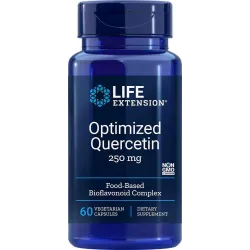
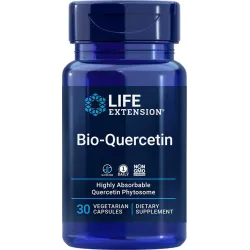
Targeted nutrients can provide meaningful support for allergic respiratory conditions and asthma through multiple complementary mechanisms, though they should complement rather than replace prescribed medications. Quercetin demonstrates particular efficacy for allergic respiratory conditions through dual mechanisms—it stabilizes mast cells preventing histamine release (reducing allergic symptoms by 30-40%) and inhibits inflammatory enzyme activity including lipoxygenase and cyclooxygenase. Clinical trials show quercetin supplementation at 500-1000 mg daily reduces seasonal allergy symptoms including nasal congestion, sneezing, and eye irritation by 25-40% compared to placebo. For asthma specifically, quercetin may reduce bronchial hyperreactivity and inflammatory markers in airways. Vitamin C supports respiratory health in allergic conditions through multiple pathways: it acts as a natural antihistamine, supports immune regulation preventing excessive IgE responses, and protects against oxidative stress that exacerbates airway inflammation. Studies demonstrate 1000-2000 mg daily vitamin C reduces exercise-induced bronchoconstriction by 40-50% and may decrease asthma symptom severity. NAC provides additional asthma benefits by reducing mucus production, decreasing oxidative stress in airways, and potentially reducing the inflammatory cascade. Bromelain's anti-inflammatory effects extend to allergic conditions, with research showing reduced nasal swelling and improved sinus drainage. These nutrients work best as complementary support alongside prescribed asthma controllers and bronchodilators, potentially allowing some individuals to reduce medication dependency under medical supervision.
Smokers and former smokers face significantly elevated oxidative stress and inflammation in lung tissue, making targeted nutritional support particularly valuable for protecting respiratory health and supporting recovery. Smoking depletes antioxidant reserves—glutathione levels in lung tissue decrease by 40-60% in active smokers, creating vulnerability to oxidative damage. NAC supplementation replenishes these depleted stores, with studies showing 600-1200 mg daily increases pulmonary glutathione by 50-80% in smokers. This restoration provides measurable benefits: reduced oxidative DNA damage in respiratory cells, improved lung function measures including FEV1 (forced expiratory volume), and decreased frequency of respiratory infections. Research demonstrates NAC reduces chronic cough severity by 30-40% and decreases mucus production in chronic smokers. For individuals attempting to quit, NAC may reduce cigarette cravings through effects on glutamate neurotransmission, with some studies showing improved quit rates. Vitamin C requirements increase dramatically in smokers—they need 35 mg more daily just to maintain normal plasma levels, with therapeutic doses of 500-1000 mg supporting immune function and protecting against smoking-induced oxidative stress. Quercetin provides anti-inflammatory support, reducing inflammatory markers elevated by smoking by 25-35%. For former smokers, continued supplementation supports lung tissue recovery, with research showing gradual improvements in lung function and reduced COPD risk over years of consistent use. The combination of NAC, antioxidants, and anti-inflammatory compounds provides comprehensive support for mitigating smoking-related lung damage.
Effective lung health supplementation requires strategic dosing of key ingredients based on clinical research and individual needs. NAC represents the cornerstone ingredient, with clinical studies supporting 600 mg twice daily (1200 mg total) for chronic respiratory conditions including COPD, chronic bronchitis, and recurrent respiratory infections. This dose provides optimal mucolytic effects and glutathione replenishment. Some practitioners use higher doses of 600 mg three times daily (1800 mg) for more severe conditions or during acute respiratory challenges. Quercetin dosing typically ranges from 500-1000 mg daily, split into two doses for sustained anti-inflammatory and antihistamine effects. Vitamin C at 500-1000 mg daily supports immune function and antioxidant protection, with higher doses up to 2000 mg potentially beneficial during respiratory infections. Bromelain at 500-1000 mg daily (measured in GDU or MCU units) provides mucolytic and anti-inflammatory support. Timing considerations include taking NAC between meals to maximize absorption and glutathione production, though some individuals tolerate it better with food. Quercetin absorbs better with fats, making meal-time dosing preferable. Effects develop progressively—acute mucolytic benefits from NAC emerge within days, while optimal antioxidant restoration and anti-inflammatory effects require 4-8 weeks of consistent use. For chronic conditions, long-term continuous supplementation provides sustained benefits, while seasonal allergic conditions may benefit from starting supplementation 2-4 weeks before typical symptom onset and continuing through the season.
Results: Clinical trials demonstrate NAC supplementation at 600 mg twice daily reduces mucus viscosity by 30-50%, decreases COPD exacerbation frequency by 40-50%, and improves lung function measures including FEV1 in individuals with chronic respiratory conditions.
Citation: Decramer M, et al. Lancet Respir Med. 2013 May;1(3):214-21.
Results: Research shows NAC increases pulmonary glutathione levels by 50-80% in smokers, reduces oxidative stress markers in lung tissue by 35-50%, and decreases chronic cough severity by 30-40% compared to placebo groups.
Citation: De Flora S, et al. Mutat Res. 2001 Apr;475(1-2):123-41.
Results: Studies reveal quercetin at 500-1000 mg daily reduces seasonal allergy symptoms by 25-40%, stabilizes mast cells preventing histamine release by 30-40%, and decreases inflammatory cytokines in airways.
Citation: Mlcek J, et al. Molecules. 2016 May;21(5):623.
Results: Vitamin C trials show 1000-2000 mg daily reduces exercise-induced bronchoconstriction by 40-50%, supports respiratory immune function, and protects against smoking-induced oxidative damage in lung tissue.
Citation: Hemilä H. Nutrients. 2013 Sep;5(9):3605-16.