
 English
 Polski
 Deutsch
 Français
 ελληνικά
 Español
 Italiano
Mushrooms that Boost Immune Function
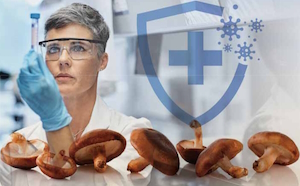 Mushrooms have been used medicinally for thousands of years.1
Modern science has pinpointed a primary reason:
They contain beneficial compounds called beta glucans that boost immune function.2-5
On their own, beta glucans deliver antiviral and immunity-strengthening properties.2-5
In human studies, taking beta glucans reduces the length and severity of upper respiratory tract infections such as the common cold and flu.6-11
Combining beta glucans with medicinal mushrooms may supercharge a variety of immune functions.
What Are Beta Glucans?
Beta glucans are a group of polysaccharides found in the cell walls of mushrooms, seaweed, and whole grains.7
Beta glucans derived from yeast and fungi are known for their immunomodulating properties.7
They also help nourish the gut microbiota and augment the action of immune cells.3,12-15
Key Immune-Supportive Mushrooms
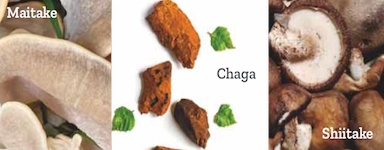
There are hundreds of strains of mushrooms. Three that most effectively support the immune system are shiitake, maitake, and chaga.
Shiitake
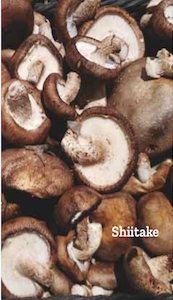 Shiitake mushrooms have long been used in traditional Asian medicine.16 They increase the number of immune cells, including T-cells, which fight specific kinds of viruses, and NK (natural killer) cells, which kill a variety of virally infected cells and tumors.17
In cell studies shiitake extract was able to directly inactivate several types of viruses and block viral replication.18-20
In an animal model of severe bacterial lung infection, shiitake mushrooms significantly decreased the number of bacteria in the lungs and improved the animals’ condition.21
Shiitake also boosts secretion of antibodies that protect the digestive tract and reduces C-reactive protein, a marker of inflammation.17
Maitake
 Commonly used in cuisine, maitake mushrooms were shown in preclinical studies to activate some of the first immune cells to fight an infection, including NK cells and macrophages.22,23
Extracts of maitake also induce the secretion of interferons, proteins that improve the body’s ability to defend against infection.23
Chaga
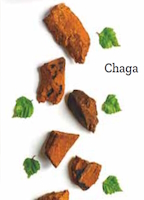 Chaga mushrooms, which grow on alder, beech, birch, and various other hardwood trees, are powerful immuno-modulators.
When scientists treated mice with a drug that inhibits immune system activity, chaga extract returned levels of immune cells almost back to normal. It also kept down levels of tumor necrosis factor, a marker of inflammation.24
In preclinical studies, chaga demonstrated antiviral activity against a wide range of viruses, including influenza, herpes, hepatitis C, HIV, and others.25
Activating the Immune System
 Mushrooms contain numerous health-promoting compounds. But perhaps the most powerful and bioactive immune supporters are beta glucans.
Beta glucans bind to receptors found on an assortment of cells important for immunity.3,26 This boosts the function of these cells, helping them defend against infection and other threats.
Immune responses can be divided into two types:27
- Innate immunity, which forms the body’s first line of defense, is accomplished by immune cells including macrophages, neutrophils, and NK cells.
- Adaptive immunity cells include lymphocytes, such as B-cells and T-cells. These are the specialists brought in later to fight off specific threats, like a particular bacteria or virus. Adaptive immunity helps the body develop long-term immunity to a pathogen.
Beta glucans activate and stimulate both systems.3,4,17,28,29
What you need to know: Mushrooms and Beta Glucans Boost Immunity
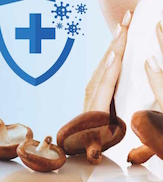 Mushrooms have long been used for medicinal properties. Shiitake, maitake, and chaga mushrooms help support the immune system, activating immune cells.
- Beta glucans, compounds found in the cell walls of mushrooms, contribute to these immune benefits.
- Oral intake of beta glucans can boost the immune system’s ability to prevent and fend off infections (including the common cold and flu), and support a healthy gut microbiota, and it may reverse age-related weakening of the immune system.
- Blending beta glucans with shiitake, maitake, and chaga mushrooms may help optimize healthy immune function.
Results of Human Tests
 To validate these benefits in humans, scientists conducted a number of different trials. Volunteers were randomized to receive either a placebo or beta glucans. Most of these studies used a 250 mg dose of beta-glucans.6-11
Beta glucans demonstrated infection-fighting effects, particularly in upper respiratory tract infections such as the common cold and flu.
Participants who received beta glucans had:6-11
- Fewer symptomatic days,
- Less severe infection symptoms,
- Fewer workdays lost to illness,
- Increased numbers of immune cells in the blood,
- Higher levels of interferon secretion, and
- Increased secretion of antibodies in the saliva, a defense against digestive tract and respiratory tract infections.
Higher Mushroom Intake Associated with Reduced Mortality
 In September 2021, scientists with the College of Medicine at Pennsylvania State University published results from a meta-analysis of prospective studies that included over 600,000 individuals, on the relationship between mushroom intake and mortality.34
They found that higher mushroom consumption correlated with a lower risk of death from any cause.
This study had several major strengths, including the facts that it involved a very comprehensive meta-analysis and it employed a sample that was nationally representative of the American adult population.
An earlier study by the same team, with 15,546 participants followed for an average of nearly 20 years, from the Third National Health and Nutrition Examination Survey (NHANES III), found an even stronger correlation between mushroom intake and lower all-cause mortality.35
In a different meta-analysis, researchers found that higher mushroom consumption was associated with a lower risk of cancer.36
When site-specific cancer was studied, a significant association was observed with reduced breast cancer risk and greater mushroom consumption.36
Beta glucans can improve immune responses to other challenges as well. One study looked at ragweed allergy sufferers who received either a placebo or 250 mg of beta glucans.30
After four weeks, those receiving beta glucans had significant reductions in total allergy symptoms and severity. Measures of mood, energy, vigor, sleep, and overall quality of life were all improved.30
Reversing Immune Senescence
The elderly become more susceptible to infectious diseases and cancer due to a deterioration of immune function known as immunosenescence.31
In animal models of aging, intake of beta glucans can help prevent or even reverse this weakening of the immune system.28,32
In one mouse study, beta glucans boosted the numbers of immune cells, and improved their function, which had a rejuvenating effect on immune system responses.32
Stronger Gut Defenses
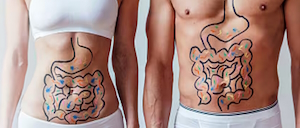 The gut microbiota is made up of the trillions of microorganisms in the digestive tract. Beneficial populations of these microorganisms are critical to fighting infections and maintaining optimal overall health.
Both mushrooms and isolated beta glucans encourage the growth of healthy microbiota.3,13-15
The benefits don’t stop there. When beneficial bacteria consume beta glucans, they produce short-chain fatty acids as a byproduct.13,15 Among other benefits, these fatty acids:33
- Reduce harmful inflammation,
- Support a healthy gut lining,
- Defend against cancer, and
- Help regulate appetite and metabolism.
Combining beta glucans with immune-supporting mushrooms may help maximize the function of the immune system.
Summary
 Mushrooms have wide-ranging medicinal properties, including powerful support for the function of the immune system.
Beta glucans are compounds found in the cell walls of mushrooms, and in yeast, seaweed, and some grains that are also known to help the immune system.
Beta-glucans have been shown to improve immune responses, helping to:
- Prevent and fight infections like the common cold and flu,
- Prevent or reverse immune senescence, and
- Support a healthy gut microbiota.
A carefully formulated blend of beta glucans from yeast as well as shiitake, maitake, and chaga mushrooms can help support healthy immune function.
Material used with permission of Life Extension. All rights reserved.
- Stamets P, Zwickey H. Medicinal Mushrooms: Ancient Remedies Meet Modern Science. Integr Med (Encinitas). 2014 Feb;13(1):46-7.
- Blagodatski A, Yatsunskaya M, Mikhailova V, et al. Medicinal mushrooms as an attractive new source of natural compounds for future cancer therapy. Oncotarget. 2018 Jun 26;9(49):29259-74.
- Ciecierska A, Drywien ME, Hamulka J, et al. Nutraceutical functions of beta-glucans in human nutrition. Rocz Panstw Zakl Hig. 2019;70(4):315-24.
- Jin Y, Li P, Wang F. beta-glucans as potential immunoadjuvants: A review on the adjuvanticity, structure-activity relationship and receptor recognition properties. Vaccine. 2018 Aug 23;36(35):5235-44.
- Zhang M, Zhang Y, Zhang L, et al. Chapter Thirteen - Mushroom polysaccharide lentinan for treating different types of cancers: A review of 12 years clinical studies in China. In: Zhang L, ed. Progress in Molecular Biology and Translational Science. Vol 163: Academic Press; 2019:297-328.
- Carpenter KC, Breslin WL, Davidson T, et al. Baker’s yeast beta-glucan supplementation increases monocytes and cytokines post-exercise: implications for infection risk? Br J Nutr. 2013 Feb 14;109(3):478-86.
- Mah E, Kaden VN, Kelley KM, et al. Beverage Containing Dispersible Yeast beta-Glucan Decreases Cold/Flu Symptomatic Days After Intense Exercise: A Randomized Controlled Trial. J Diet Suppl. 2020;17(2):200-10.
- McFarlin BK, Carpenter KC, Davidson T, et al. Baker’s yeast beta glucan supplementation increases salivary IgA and decreases cold/flu symptomatic days after intense exercise. J Diet Suppl. 2013 Sep;10(3):171-83.
- McFarlin BK, Venable AS, Carpenter KC, et al. Oral Supplementation with Baker’s Yeast Beta Glucan Is Associated with Altered Monocytes, T Cells and Cytokines following a Bout of Strenuous Exercise. Front Physiol. 2017;8:786.
- Talbott S, Talbott J. Effect of BETA 1, 3/1, 6 GLUCAN on Upper Respiratory Tract Infection Symptoms and Mood State in Marathon Athletes. J Sports Sci Med. 2009;8(4):509-15.
- Feldman S, Schwartz H, Kalman D, et al. Randomized Phase II Clinical Trials of Wellmune WGP® for Immune Support During Cold and Flu Season. J Appl Res. 2009 01/01;9.
- Kim HS, Hong JT, Kim Y, et al. Stimulatory Effect of beta-glucans on Immune Cells. Immune Netw. 2011 Aug;11(4):191-5.
- Jayachandran M, Chen J, Chung SSM, et al. A critical review on the impacts of beta-glucans on gut microbiota and human health. J Nutr Biochem. 2018 Nov;61:101-10.
- Jayachandran M, Xiao J, Xu B. A Critical Review on Health Promoting Benefits of Edible Mushrooms through Gut Microbiota. Int J Mol Sci. 2017 Sep 8;18(9).
- Mitsou EK, Saxami G, Stamoulou E, et al. Effects of Rich in Beta-Glucans Edible Mushrooms on Aging Gut Microbiota Characteristics: An In Vitro Study. Molecules. 2020 Jun 18;25(12).
- Choudhury MBK, Rahman T. Shiitake Mushroom: A Tool of Medicine. Bangladesh Journal of Medical Biochemistry. 2013 01/20;5(1):24-32.
- Dai X, Stanilka JM, Rowe CA, et al. Consuming Lentinula edodes (Shiitake) Mushrooms Daily Improves Human Immunity: A Randomized Dietary Intervention in Healthy Young Adults. J Am Coll Nutr. 2015;34(6):478-87.
- Avtonomova AV, Krasnopolskaya LM. [Antiviral properties of basidiomycetes metabolites]. Antibiot Khimioter. 2014;59(7-8):41-8.
- Ren G, Xu L, Lu T, et al. Structural characterization and antiviral activity of lentinan from Lentinus edodes mycelia against infectious hematopoietic necrosis virus. Int J Biol Macromol. 2018 Aug;115: 1202-10.
- Rincao VP, Yamamoto KA, Ricardo NM, et al. Polysaccharide and extracts from Lentinula edodes: structural features and antiviral activity. Virol J. 2012 Feb 15;9:37.
- Masterson CH, Murphy EJ, Gonzalez H, et al. Purified beta-glucans from the Shiitake mushroom ameliorates antibiotic-resistant Klebsiella pneumoniae-induced pulmonary sepsis. Lett Appl Microbiol. 2020 Oct;71(4):405-12.
- Hou L, Meng M, Chen Y, et al. A water-soluble polysaccharide from Grifola frondosa induced macrophages activation via TLR4-MyD88-IKKbeta-NF-kappaB p65 pathways. Oncotarget. 2017 Oct 17;8(49):86604-14.
- Vetvicka V, Vetvickova J. Immune-enhancing effects of Maitake (Grifola frondosa) and Shiitake (Lentinula edodes) extracts. Ann Transl Med. 2014 Feb;2(2):14.
- Kim YR. Immunomodulatory Activity of the Water Extract from Medicinal Mushroom Inonotus obliquus. Mycobiology. 2005 Sep;33(3):158-62.
- Szychowski KA, Skora B, Pomianek T, et al. Inonotus obliquus - from folk medicine to clinical use. J Tradit Complement Med. 2021 Jul;11(4):293-302.
- Ji L, Sun G, Li J, et al. Effect of dietary beta-glucan on growth, survival and regulation of immune processes in rainbow trout (Oncorhynchus mykiss) infected by Aeromonas salmonicida. Fish Shellfish Immunol. 2017 May;64:56-67.
- Chaplin DD. Overview of the immune response. J Allergy Clin Immunol. 2010 Feb;125(2 Suppl 2):S3-23.
- Song L, Yuan J, Ni S, et al. Enhancement of adaptive immune responses of aged mice by dietary intake of beta-glucans, with special emphasis on anti-aging activity. Mol Immunol. 2020 Jan;117:160-7.
- Zheng X, Zou S, Xu H, et al. The linear structure of beta-glucan from baker’s yeast and its activation of macrophage-like RAW264.7 cells. Carbohydr Polym. 2016 Sep 5;148:61-8.
- Talbott SM, Talbott JA, Talbott TL, et al. beta-Glucan supplementation, allergy symptoms, and quality of life in self-described ragweed allergy sufferers. Food Sci Nutr. 2013 Jan;1(1):90-101.
- Aiello A, Farzaneh F, Candore G, et al. Immunosenescence and Its Hallmarks: How to Oppose Aging Strategically? A Review of Potential Options for Therapeutic Intervention. Front Immunol. 2019;10:2247.
- Xu X, Yang J, Ning Z, et al. Lentinula edodes-derived polysaccharide rejuvenates mice in terms of immune responses and gut microbiota. Food Funct. 2015 Aug;6(8):2653-63.
- Silva YP, Bernardi A, Frozza RL. The Role of Short-Chain Fatty Acids From Gut Microbiota in Gut-Brain Communication. Front Endocrinol (Lausanne). 2020 2020-January-31;11:25.
- Ba DM, Gao X, Al-Shaar L, et al. Prospective study of dietary mushroom intake and risk of mortality: results from continuous National Health and Nutrition Examination Survey (NHANES) 2003-2014 and a meta-analysis. Nutr J. 2021 Sep 21;20(1):80.
- Ba DM, Gao X, Muscat J, et al. Association of mushroom consumption with all-cause and cause-specific mortality among American adults: prospective cohort study findings from NHANES III. Nutr J. 2021 Apr 22;20(1):38.
- Ba DM, Ssentongo P, Beelman RB, et al. Higher Mushroom Consumption Is Associated with Lower Risk of Cancer: A Systematic Review and Meta-Analysis of Observational Studies. Adv Nutr. 2021 Oct 1;12(5):1691-704.
Related product
-
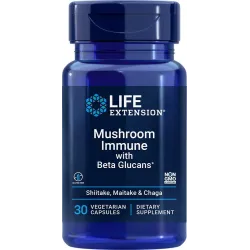
Mushroom Immune with Beta Glucans
Price: 24,12 €Promotes a balanced, healthy immune response Supports immune health with a...
Related posts
-
 Quercetin: Broad-Spectrum Protection
Quercetin is naturally abundant in plant foods and as a result is highly bioavailable.Nonetheless, most people do not...
Quercetin: Broad-Spectrum Protection
Quercetin is naturally abundant in plant foods and as a result is highly bioavailable.Nonetheless, most people do not... -
New, dangerous coronavirus (SARS-CoV-2, COVID-19) Nutritional recommendations when facing coronavirus pandemic.
While medical science is diligently working on the development of an effective treatment, it may be prudent to learn...
-
Lactoferrin Helps Protect Against Viruses
Lactoferrin, a protein found in mother’s milk, shows antiviral activity in preclinical trials. It impedes viral...
-
How Reishi Combats Aging
Reishi medicinal mushroom is best known for its ability to boost immune surveillance, which is critical for the...
-
How Ionic Zinc Can Stop Colds Fast
A study showed that lozenges containing zinc acetate are best at curbing a cold and shortening its duration. Zinc...