
 English
 Polski
 Deutsch
 Français
 ελληνικά
 Español
 Italiano
Bloated? Get Relief

Between 16% to 31% of adults complain of bloating, which produces uncomfortable feelings of excessive fullness, gas, abdominal pressure, and pain. A whopping 66% to 90% of those with irritable bowel syndrome (IBS) suffer from the same symptoms.1
Bloating also often goes hand-in-hand with other gastrointestinal disorders, such as dyspepsia (indigestion), celiac disease, and constipation.1
Fortunately, four plant compounds have been shown to provide effective relief from occasional digestive discomfort.
Decreased Bloating
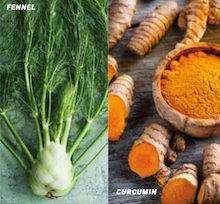
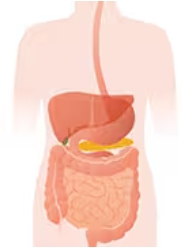 Fennel and curcumin have traditionally been used to aid digestion.
In a clinical trial, researchers combined fennel seed oil and low-dose curcumin to test their effect in patients with irritable bowel syndrome.2
After 30 days, those taking the fennel-curcumin blend reported an average 50% decrease in a rating score of bloating, abdominal pain, and other irritable bowel syndrome symptoms. This was nearly double the 26.1% decrease in the placebo group.
Even better, all symptoms were improved by treatment with fennel and curcumin, and 25.9% of the fennel-curcumin group became completely symptom-free (compared to just 6.8% of placebo recipients).
The treated group also reported a significant improvement in irritable bowel syndrome-related quality of life, with no adverse effects.
Improved Digestive Symptoms
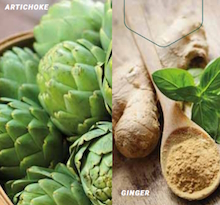
 Two additional extracts, artichoke and ginger, have been shown to substantially improve digestive symptoms like bloating, nausea, vomiting, upper abdominal pain, and feeling overly full after eating only a small amount of food.
In a clinical trial, 126 patients with functional dyspepsia (recurring and unexplained indigestion) received either 20 mg of ginger root extract and 100 mg of artichoke leaf extract or a placebo. 3
In just two weeks, 44.6% of participants taking the artichoke-ginger blend had significant improvement in digestive symptoms, compared to 13.1% of placebo recipients.
After four weeks, 63.1% of those in the treatment group reported marked reductions in digestive symptoms, compared to only 24.6% in the placebo group.
Summary
 After-meal bloating and other gastrointestinal disturbances can impair our quality of life.
Ginger, artichoke leaf, fennel, and curcumin have shown clinical effectiveness in decreasing bloating, gas, nausea, abdominal pain, and other symptoms typical of irritable bowel syndrome as well as other gastrointestinal problems.
Together, extracts from these four plants may promote a healthier digestive system.
Material used with permission of Life Extension. All rights reserved.
- Lacy BE, Cangemi D, Vazquez-Roque M. Management of Chronic Abdominal Distension and Bloating. Clin Gastroenterol Hepatol. 2021 Feb;19(2):219-31 e1.
- Portincasa P, Bonfrate L, Scribano ML, et al. Curcumin and Fennel Essential Oil Improve Symptoms and Quality of Life in Patients with Irritable Bowel Syndrome. J Gastrointestin Liver Dis. 2016 Jun;25(2):151-7.
- Giacosa A, Guido D, Grassi M, et al. The Effect of Ginger (Zingiber officinalis) and Artichoke (Cynara cardunculus) Extract Supplementation on Functional Dyspepsia: A Randomised, Double-Blind, and Placebo-Controlled Clinical Trial. Evid Based Complement Alternat Med. 2015;2015:915087.
Related product

Related posts
-
 Turn Off Your Fat Switch: Deflating Your Spare Tire For a Longer, Leaner Life
If you’re like most Americans, you are struggling with at least a few extravpounds. And if you’re over 40, those...
Turn Off Your Fat Switch: Deflating Your Spare Tire For a Longer, Leaner Life
If you’re like most Americans, you are struggling with at least a few extravpounds. And if you’re over 40, those... -
Critical Need For a Multi-Modal Approach to Combat Obesity part 1
The scientific community now recognizes the role that obesity plays in the induction of age-related diseases and...
-
Critical Need For a Multi-Modal Approach to Combat Obesity part 2
Blocking the breakdown and absorption of carbohydrates are important points of intervention for losing weight. The...
-
Coffee. National Institutes Of Health Discovers Protective Effects Of Coffee
An exciting new study published in the New England Journal of Medicine suggests that coffee drinking may add years to...
-
Digestive Enzymes. Are You Obtaining the Proper Enzymes?
Even if you eat a healthy diet, you may not be absorbing vital fat-soluble nutrients and amino acids needed for...