
 English
 Polski
 Deutsch
 Français
 ελληνικά
 Español
 Italiano
Pumpkin Seed Relieves Overactive Bladder Urinary Incontinence
A common and frustrating complaint we at Life Extension hear is how to stop urinary incontinence.
Our frustration has been that despite aggressive research, we could not identify a safe solution to this problem that plagues so many aging women (and men to a lesser extent).
Even more numerous are inquiries we receive from people seeking relief from frequent daytime and nighttime urinary urges.
In a breakthrough discovered by Japanese scientists, a natural plant extract combination has been shown to reduce incontinent episodes by up to 79%,1 daytime urination by up to 39%,2 and nighttime urination by up to 60%.2
This article will discuss the research findings on maturing women who found significant relief after taking this novel supplement for only six to eight weeks.
-
 Aging adults are commonly plagued by troublesome urinary symptoms such as urinary incontinence (involuntary loss of urine), frequent daytime and nighttime urinary urges, nocturia (waking at night to urinate), and benign prostate hyperplasia.
 -
Conventional medical therapies have failed to adequately address these complaints in aging men and women.
-
In women, urinary troubles may be instigated by weakening of bladder and pelvic muscles as well as atrophy of urethral tissues.
-
A combination of water-soluble pumpkin seed extract and soy extract was found to reduce urinary frequency and decrease urinary incontinence in women.
-
Benign prostate hyperplasia (BPH) often causes urinary frequency, nocturia, and decreased quality of life in aging men. By impairing sleep, BPH could even increase the risk of heart disease, cancer, depression, and inflammatory disorders.
-
Two enzymes called 5-alpha reductase and aromatase contribute to prostate enlargement by increasing the production of dihydrotestosterone and estradiol. Water-soluble pumpkin seed extract has been shown to inhibit 5-alpha reductase and aromatase.
-
Supplementing with a combination of water-soluble pumpkin seed extract and soy helped reduce nighttime urinary frequency and improve sleep satisfaction in older men.
Additionally, this article will discuss more limited data obtained when men suffering from nighttime urinary urgencies were given this same plant extract.
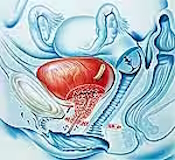 Urinary frequency becomes more common with advancing age, with nearly half of people over 60 reporting to suffer from nocturia (two or more episodes of urination during the night).
Urinary incontinence is defined as an involuntary loss of urine. It represents a major social and hygiene problem in the aging population. About 48% of women and 17% of men over age 70 suffer urinary incontinence.4
Overactive bladder affects one in six adults over age 40, and is defined as having an urgent need to empty the bladder during the day-night, along with incontinence. Those afflicted with an overactive bladder have to go to the bathroom frequently, leak urine into their clothes, and report feeling depressed, stressed, and sleep-deprived.
Underlying Cause of Urinary Miseries
 In women, stress incontinence (involuntary loss of urine during physical activity such as sneezing or exercise) is usually caused by a weakening of the bladder sphincter and pelvic floor muscles. Shrinkage (atrophy) of tissues where the bladder and urethra meet also contributes to the problem. Hormonal changes occurring after menopause are thought to be an underlying cause of these anatomical changes in the bladder sphincter that lead to urinary incontinence.
In postmenopausal women, decreased androgen (testosterone) levels weaken the pelvic floor and sphincter muscles, while an estrogen deficit induces atrophy of the urethra.
Mainstream medicine offers only mediocre therapies to address urinary incontinence. Drugs commonly used for this condition are expensive and side-effect-prone. Only a small proportion of the affected population seeks treatment because most people consider their urinary symptoms a consequence of normal aging.
Fortunately, a safe, natural, and low-cost approach has been developed that has demonstrated remarkable benefits in human clinical trials.
Water-Soluble Fraction of Pumpkin Seed
Pumpkin seeds were traditionally used by Native American tribes to “facilitate passage of urine.” A European herbal encyclopedia first mentioned the use of pumpkins seeds to treat urinary problems in the year 1578. The German health regulators approve pumpkin seed as a treatment for irritable bladder.
Pumpkin seed oil has been included in products used to alleviate urinary difficulties. While some effects have been shown when using the fat-soluble (oil) fraction of the pumpkin seed, it is the water-soluble portion that demonstrated impressive symptomatic effects in recent studies.
Japanese scientists have patented a method to obtain the water-soluble constituents of the pumpkin seed, which are absorbed far more efficiently into the bloodstream.
Anabolic Actions of Pumpkin Seed Extract
 Urinary incontinence worsens after menopause. While menopausal problems are usually associated with estrogen deficit, low levels of testosterone and progesterone are also underlying culprits.
Water-soluble pumpkin seed extract exerts an anabolic (tissue-building) effect on the pelvic floor muscles via several mechanisms. By inhibiting the aromatase enzyme, it may make more testosterone available to strengthen the pelvic muscles.5
Secondly, this water-soluble pumpkin seed fraction binds to the androgen receptor on pelvic muscle cells, thus inducing a strengthening effect. This is important because androgen receptors are expressed in the pelvic floor and lower urinary tract in humans.6 By promoting androgenic activity, water-soluble pumpkin seed extract may play an important role in female pelvic floor structural integrity and lower urinary tract disorders.5
Increasing Nitric Oxide Synthesis
Nitric oxide is a molecule critically involved in lower urinary tract functions. For the urination muscles to relax when the bladder is full, nitric oxide is required. When nitric oxide synthesis is inhibited, the result is bladder hyperactivity and reduced bladder volume.
The dual mechanisms of strengthening pelvic floor muscles, while increasing nitric oxide synthesis,5 help explain how water-soluble pumpkin seed extract alleviated urinary incontinence in three separate studies on aging women.1-3
Soy Isoflavone Extract
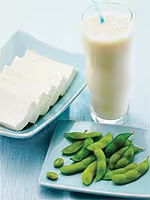 Soy extracts provide standardized phyoestrogens that are potentially effective in ameliorating geriatric symptoms relating to estrogen deficit.
The ingestion of standardized soy extract has been hypothesized to decrease the atrophy of tissues where the bladder and urethra meet and thus alleviate frequent urinary urges and incontinence.
Experimental Study in Rats
A study was done to evaluate the effects of water-soluble pumpkin seed extract in anesthetized rats to determine bladder functionality.7
As measured by a cystometrogram, bladder parameters showed a dramatic 54.5% improvement in rats receiving water-soluble pumpkin extract compared to other agents.
When the “excretion frequency” was measured, a 60% reduction in urine excretion frequency occurred after administration of water-soluble pumpkin seed extract. No improvement was seen in the group given inactive solvent.
Conclusions from the study showed that water-soluble pumpkin extract significantly increases maximum bladder capacity while decreasing urination frequency.
First Human Study on Postmenopausal Women
 A study of 39 incontinent females (aged 55-79 years) using water-soluble pumpkin seed and soy isoflavone extracts was conducted over a six-week period.1 The objective was to evaluate the effects on frequency of daytime and nighttime urinations and number of incontinent episodes.
After six weeks, the number of nighttime urinations was reduced from 3.3 to 2.0… a 39% improvement. Daytime urinations went from 8.0 to 6.7 after six weeks… a modest 16% improvement.
The number of incontinent episodes, however, plunged to a remarkably low number. Prior to receiving the water-soluble pumpkin seed-soy extract, these women experienced an average of 7.3 incontinent episodes a day. After six weeks of using this supplement, daily incontinent episodes averaged only 1.5… an astounding 79% decrease in urinary incontinence!
When these women were questioned about the effects they noticed in response to taking water-soluble pumpkin seed-soy extract, there was a 73% subjective improvement in the highest “fulfilled” category. When the global improvement ratio was evaluated, which included degree of satisfaction after sleeping, 81.8% of women with two to four episodes of nightly urinations reported that they were “markedly improved.”
Second Study on Postmenopausal Women
A study of 50 incontinent women (aged 35-84 years) was conducted using the same water-soluble pumpkin seed-soy extract supplement to evaluate the effect on stress incontinence episodes.3
Before the pumpkin seed-soy supplement was given, these women averaged 2.1 incontinent events each day. After taking the supplement for six weeks, incontinent events fell to an average of only 0.7 a day… a remarkable 67% decrease in stress-induced incontinent episodes!
Third Human Study
A consumer test of 10 women (aged 45-65 years) was conducted using the same water-soluble pumpkin seed and soy extract supplement.2
After eight weeks, daytime urinations went from 9.3 to 5.6… a 39% reduction. Nighttime urinations went from 2.0 to 0.8… a 60% reduction.
Prior to initiating the pumpkin seed-soy supplement, there was an average of 2.3 incontinent episodes each day. After eight weeks, the frequency of incontinent episodes declined to only 1.0 per day… a 57% reduction!
Pumpkin Seed and Soy Improve Women’s Quality of Life
 Due to an increasing aging society, the number of people suffering from urination dysfunction has reached an all-time high.
In three separate studies on aging women, water-soluble pumpkin seed and soy extracts rapidly reduced the number of incontinent episodes and the number of day and nighttime urinations (micturitions).1-3
The beneficial effect was shown to statistically increase with the duration of each study, indicating that a steady improvement might occur when used longer than six to eight weeks.
This proprietary water-soluble pumpkin seed and soy extract can significantly improve urinary incontinence in postmenopausal women and thereby improve mobility and quality of life in affected individuals.
Benign Prostate Enlargement Endangers Men’s Health
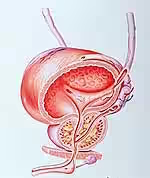 Women are not alone in suffering from age-related urinary complaints. About 60% of men over age 50 suffer from benign prostate enlargement.8
The most common complaint expressed in response to prostate gland overgrowth is frequent nightly awakenings to urinate. Today’s doctors mistakenly view this as a quality of life issue and fail to treat it a life-threatening condition.
Persistent nighttime urinary urgency impairs one’s ability to properly sleep. Chronic sleep deprivation significantly increases one’s risk of common related diseases such as heart attack,
Japanese researchers have patented a water-soluble pumpkin seed extract that reduces prostate-induced urinary symptoms and has been clinically shown to help improve sleep.1
This novel extract may be considered when urinary symptoms are not being effectively corrected by existing botanical and/or pharmaceutical therapies.
Prostate-Induced Urinary Miseries
 If only the prostate gland were located in a different anatomical area, its enlargement would not create so much suffering. For urine to leave the bladder, it must pass through the urethra, which is surrounded by the prostate gland. When the prostate enlarges, urinary flow is impaired and urinary urgency is increased, even when little residual urine remains in the bladder.
Two enzymes are involved in the overgrowth of prostate tissue. One of these enzymes is called aromatase, which converts testosterone to estradiol. The other enzyme is called 5-alpha reductase, which converts testosterone to dihydrotestosterone.
Both estradiol and dihydrotestosterone are involved in stimulating unwanted prostate gland enlargement. Fortunately, there are nutrients and drugs available that can inhibit aromatase and 5-alpha reductase. Regular ingestion of these nutrients and/or drugs can often significantly reduce urinary symptoms associated with benign prostate enlargement.
For too many men, however, residual urinary symptoms remain that cause nightly arousal from deep sleep patterns the body requires to rejuvenate.

Water-Soluble Fraction of Pumpkin Seed
For several decades, pumpkin seed oil has been included in products sold to alleviate prostate difficulties. While some effects have been shown when using the fat-soluble (oil) fraction of the pumpkin seed, it is the water-soluble portion that demonstrated impressive mechanistic and symptomatic effects in recent studies.
Inhibition of 5-Alpha Reductase
The enzyme 5-alpha reductase converts testosterone into a powerful prostate growth-promoting metabolite called dihydrotestosterone. Compounds that inhibit 5-alpha reductase have shown efficacy in reducing prostate gland volume, alleviating urinary symptoms of prostate enlargement, and even reducing prostate cancer risk.16-19
The water-soluble fraction from pumpkin seed was tested in vitro (test tube cell study), and pumpkin seed extract was effective in inhibiting 5-alpha reductase activity by 50%.20
Inhibition of Aromatase
 The enzyme aromatase converts testosterone into estradiol. The role of estrogens in the development and progression of benign prostate enlargement is clearly defined. Animal studies initially led to the hypothesis that estrogens can stimulate prostate growth, resulting in hyperplasia of the gland. A large body of subsequent human research confirms the initial findings.21-26
Estrogen stimulates proliferation of the stromal cells in the prostate gland that cause so many of the urinary discomforts associated with prostate enlargement. A study published this year documents a specific mechanism by which estradiol causes rapid proliferation of prostate stromal cells.27
Another study published this year provided further clarification of how estradiol increases the proliferation of stromal cells and how anti-estrogen compounds block this undesirable affect. The researchers concluded that “…these findings support the hypothesis that estrogens play a role in the pathogenesis of BPH, a disease characterized predominantly by stromal overgrowth.”23
In a study published last year, researchers evaluated the association of sex hormone levels in the blood with common prostate-related urinary tract symptoms. Study subjects consisted of 260 men, 60 years old or older, whose blood levels of testosterone, estradiol, and other sex hormones were measured. Of these men, 128 cases had two to four symptoms (excessive urination at night, hesitancy, incomplete emptying, and weak stream). The 132 men in the control group had no urinary symptoms.28
The results showed that prostate enlargement sufferers had significantly greater estradiol concentrations than symptom-free controls. Men suffering from urinary symptoms also had higher levels of a marker for a metabolite for dihydrotestosterone (the other documented factor in the development of prostate enlargement). After multivariate adjustments, men with the greater estradiol concentration had a 1.78 times higher incidence of urinary tract symptoms. An even greater incidence occurred in the men with the highest levels of a dihydrotestosterone metabolite, whereas blood testosterone level showed no effect on urinary tract symptoms. The doctors who conducted this study concluded by stating: “In this cross-sectional study representative of older US men, circulating AAG, a metabolite of dihydrotestosterone, and estradiol were associated with an increased risk of having lower urinary tract symptoms.”28
In an in vitro study, water-soluble pumpkin seed extract was shown to reduce aromatase levels by 50%.20 This finding helps further explain why the human clinical study we next discuss demonstrated so much efficacy in reducing nighttime urinary frequency (and improving sleep).
Human Clinical Study
 The problem of awakening during the night due to an urge to urinate troubles approximately 80% of men 60-80 years old. This startling percentage goes up to 90% in men over 80 years old.
An open clinical study was done in 54 men (aged 66-88 years) to evaluate the effects of water-soluble pumpkin seed extract on nighttime urinary frequency, subjective symptoms, and sleep satisfaction level. The results showed that after six weeks, there was a 39% reduction in nighttime urinary frequency.29
Urination frequency leads to insufficient sleep during the night. There was an improvement in the level of sleep satisfaction compared to the baseline level in 37 subjects who took the supplement (pumpkin seed extract with soybean germ extract).
In this human study, men who were already taking certain drugs did not show a benefit. The drugs included antidepressants, Chinese medicines, amino acid drugs (amino acids taken in large quantities via injection), alpha/beta-receptor stimulators, anticholinergics, and anti-anxiety drugs. The reason for this failure may mean these drugs interfered with the action of pumpkin seed extract, or that there was an overlapping effect.
.jpg) As men mature past age 40, they often develop problems relating to urination that did not exist in their youth. The symptoms of BPH include:
As men mature past age 40, they often develop problems relating to urination that did not exist in their youth. The symptoms of BPH include:
- Urinary hesitancy
- Incomplete voiding of the bladder
- Terminal dribbling
- Frequent urgency
- Nocturia (nighttime urination)
Nocturia is a common cause of sleep loss, especially among older adults.
Conclusions
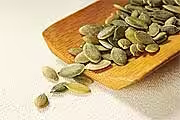 Nocturia is a frequent need to get up and go to the bathroom to urinate at night. A poll conducted by the National Sleep Foundation showed that nocturia is a common cause of sleep loss, especially among older adults.30
Nocturia can be induced by factors such as diabetes, insomnia, nervous system disorders, or prostate enlargement. Urinary frequency and incontinence are causes of insomnia, and are accompanied by a marked deterioration in a person’s quality of life and increased mortality risk.
In aging men, the enlargement of the prostate gland is the most frequent cause of both daytime and nighttime (nocturia) urinary problems.
Material used with permission of Life Extension. All rights reserved.
- Sogabe H and Terado T. (2001). Open Clinical Study of Effects of Pumpkin Seed Extract/ Soybean Germ Extract Mixture- containing Processed Food on Nocturia. Jpn J Med Pharm Sci. Nov;46(5):727-37.
- Available at: http://www.kvinnohalsa.se/pdf/swe_pilot.pdf. Accessed August 15, 2008.
- Yanagisawa E. Study of effectiveness of mixed processed food containing Cucurbita pepo seed extract and soybean seed extract on stress urinary incontinence in women. http://www.scicompdf.se/uretin/yanagisawa_2003.pdf
- Molander U, Sundh V, Steen B. Urinary incontinence and related symptoms in older men and women studied longitudinally between 70 and 97 years of age. A population study. Arch Gerontol Geriatr. 2002 Nov-Dec;35(3):237-44.
- EFLA® Pumpkin Seed Special Extract: New in vitro studies on the efficacy and mode of action in incontinence disorders. Frutarom Switzerland Ltd.; 2006.
- Ho MH, Bhatia NN, Bhasin S. Anabolic effects of androgens on muscles of female pelvic floor and lower urinary tract. Curr Opin Obstet Gynecol. 2004 Oct;16(5):405-9.
- Hata K. Effects of pumpkin seed extract on urinary bladder function in anesthetized rats. Medical Science and Pharmaceutical Science. 2005;54(3): 339-45.
- Available at: http://www.medem.com/MedLB/article_detaillb.cfm?article_ID=ZZZBLD85IWC&sub_cat=302. Accessed August 15, 2008.
- Ayas NT, White DP, Manson JE, et al. A prospective study of sleep duration and coronary heart disease in women. Arch Intern Med. 2003 Jan 27;163(2):205-9.
- McSweeney JC, Cody M, O’Sullivan P, et al. Women’s early warning symptoms of acute myocardial infarction. Circulation. 2003 Nov 25;108(21):2619-23.
- Kakizaki M, Inoue K, Kuriyama S, et al. Sleep duration and the risk of prostate cancer: the Ohsaki Cohort Study. Br J Cancer. 2008 Jul 8;99(1):176-8.
- Graci G. Pathogenesis and management of cancer-related insomnia. J Support Oncol. 2005 Sep;3(5):349-59.
- Germain A, Kupfer DJ. Circadian rhythm disturbances in depression. Hum Psychopharmacol. 2008 Aug 5.
- Power JD, Perruccio AV, Badley EM. Pain as a mediator of sleep problems in arthritis and other chronic conditions. Arthritis Rheum. 2005 Dec 15;53(6):911-9.
- Vgontzas AN, Papanicolaou DA, Bixler EO, et al. Circadian interleukin-6 secretion and quantity and depth of sleep. J Clin Endocrinol Metab. 1999 Aug;84(8):2603-7.
- Tindall DJ, Rittmaster RS. The rationale for inhibiting 5alpha-reductase isoenzymes in the prevention and treatment of prostate cancer. J Urol. 2008 Apr;179(4):1235-42.
- Marberger M. Drug Insight: 5alpha-reductase inhibitors for the treatment of benign prostatic hyperplasia. Nat Clin Pract Urol. 2006 Sep;3(9):495-503.
- Frye SV. Discovery and clinical development of dutasteride, a potent dual 5alpha-reductase inhibitor. Curr Top Med Chem. 2006;6(5):405-21.
- Anderson ML. A preliminary investigation of the enzymatic inhibition of 5alpha-reduction and growth of prostatic carcinoma cell line LNCap-FGC by natural astaxanthin and Saw Palmetto lipid extract in vitro. J Herb Pharmacother. 2005;5(1):17-26.
- Available at: http://www.helhetsdoktorn.nu/EFLA940Pumpkin02-04.pdf. Accessed August 15, 2008.
- Singh PB, Matanhelia SS, Martin FL. A potential paradox in prostate adenocarcinoma progression: oestrogen as the initiating driver. Eur J Cancer. 2008 May;44(7):928-36.
- Giton F, de la Taille A, Allory Y, et al. Estrone sulfate (E1S), a prognosis marker for tumor aggressiveness in prostate cancer (PCa). J Steroid Biochem Mol Biol. 2008 Mar;109(1-2):158-67.
- Ho CK, Nanda J, Chapman KE, Habib FK. Oestrogen and benign prostatic hyperplasia: effects on stromal cell proliferation and local formation from androgen. J Endocrinol. 2008 Jun;197(3):483-91.
- Prins GS, Korach KS. The role of estrogens and estrogen receptors in normal prostate growth and disease. Steroids. 2008 Mar;73(3):233-44.
- Scarano WR, Cordeiro RS, Goes RM, Carvalho HF, Taboga SR. Tissue remodeling in Guinea pig lateral prostate at different ages after estradiol treatment. Cell Biol Int. 2005 Sep;29(9):778-84.
- Matsuda T, Abe H, Suda K. Relation between benign prostatic hyperplasia and obesity and estrogen. Rinsho Byori. 2004 Apr;52(4):291-4.
- Zhang Z, Duan L, Du X, et al. The proliferative effect of estradiol on human prostate stromal cells is mediated through activation of ERK. Prostate. 2008 Apr 1;68(5):508-16.
- Rohrmann S, Nelson WG, Rifai N, et al. Serum sex steroid hormones and lower urinary tract symptoms in Third National Health and Nutrition Examination Survey (NHANES III). Urology. 2007 Apr;69(4):708-13.
- Terado T. Clinical Study of mixed processed foods containing pumpkin seed extract and soybean germ extract on pollikiuria in night in elderly men. Jpn J Med Pharm Sci. 2004 52(4):551-61.
- Available at: http://www.sleepfoundation.org/atf/cf/%7Bf6bf2668-a1b4-4fe8-8d1a-a5d39340d9cb%7D/2008%20POLL%20SOF.PDF. Accessed August 15, 2008.
Related product
-
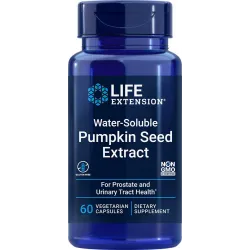
Water-Soluble Pumpkin Seed Extract
Price: 20,18 €Promotes prostate & urinary tract health Maintains structural support of...
Related posts
-
 Cranberries: a delicious fruit provides a multitude of health benefits
Cranberries have proven their mettle in fighting urinary tract infections (UTIs).[2] They are currently under...
Cranberries: a delicious fruit provides a multitude of health benefits
Cranberries have proven their mettle in fighting urinary tract infections (UTIs).[2] They are currently under... -
Maintain Youthful Urinary Flow
Prostate problems are widespread as men age. Benign prostate enlargement and associated urinary difficulties...