
 English
 Polski
 Deutsch
 Français
 ελληνικά
 Español
 Italiano
Life Extension For Your Pet
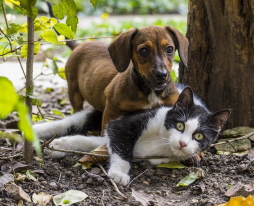 Pets are like members of the family to many people. The death of a pet can be as devastating as the loss of a relative (some say worse). When pets get ill, we will do almost anything to help them. Unfortunately, by the time an animal is sick enough for us to notice, it may be too late to help them. In order to protect the longevity of our pets, we must take steps to prevent serious diseases from developing. Life-threatening illnesses develop much sooner in animals than in humans.
An understanding of what a cat or dog should be eating is important for keeping them healthy and vital. The rewards of feeding an animal properly are worth the effort, yet few people really comprehend this until their pet gets seriously ill. But making the extra effort today will pay off tomorrow.
Most commercial pet food (products that come in bags or cans) is made from meat that's unfit for human consumption. For example, chicken beaks and feathers are counted as protein in commercial pet food. To be “nutritionally complete,” this kind of pet food is fortified with vitamins and minerals. In some cases, this restores what never was; in other cases, it puts back what was cooked out. Dry pet food is similar to Cheerios® in that an animal can survive on it much as a human could survive on fortified cereal. But in order to really thrive, animals need more. In order for a cat or dog to live its full life span, free of disease and full of vitality, it needs better nutrition.
Cats
 Cats and dogs have critical differences in their nutritional needs. Cats, unlike dogs, are pure carnivores-they must have meat. High quality animal protein is crucial for the health of a cat. Cats do not handle carbohydrates very well. Their ability to convert carbohydrates to energy is very limited. The best diet for a cat begins with raw meat. Raw meat provides a concentrated form of protein that a cat can readily utilize. Don't worry that your cat will get sick from raw meat. Remember, cats are not humans! They have evolved very strong stomach acids that destroy bacteria that would make a human sick.*
*(The exception is pork. Pork may contain parasites that will make an animal sick.)
Meat contains high amounts of the amino acids cats must have. Taurine is critical for cats. A lack of it will show up as heart problems (cardiomyopathy), eye problems, seizures and kidney problems. In one study of 220 cats, those with dilated cardiomyopathy had only 38% as much taurine as the ones without. Those same cats had 20% lower levels of vitamin E, and 40% higher levels of vitamin A (which might indicate that vitamin A was not being utilized).
Arginine, another amino acid found in meat protein, is also important for cats. In fact, so important that a single meal without arginine can kill a cat (arginine detoxifies ammonia in cats' kidneys). Arginine is important for heart function, the pancreas, and for keeping the gut healthy, in addition to its detoxification role.
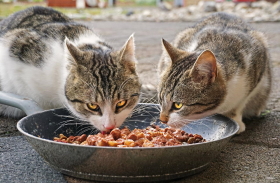 Cats also need animal fat. Going “lean” is not healthy for a cat (remember, animals have different nutritional needs than we do). Cats need animal fat to make the essential fatty acid, arachidonic acid (AA), which is used by every cell in the body. Cats do not possess the same enzymes dogs and humans do for converting plant oils such as omega-6 to AA. Unlike humans, they must have animal fat as a source of fatty acid. Arachidonic acid is particularly important for feline immunity. It has been shown that cats with feline leukemia virus (FeLv) infection have depleted levels of AA. Restoring this important fatty acid may enhance longevity in the FeLv-infected cat.
Vitamin A is another nutrient cats must get from their diet. Cats cannot convert beta-carotene to vitamin A: they must get vitamin A itself. They do, however, use beta-carotene. It appears that beta-carotene is important for feline (and canine) immunity. Recently it was shown that the lymphocytes and plasma of cats (and dogs) take up large amounts of the carotenoid. The question of what they're doing with it is still up-in-the-air. However, some research indicates that beta carotene protects lymphocytes from radiation and preserves the natural antioxidant, glutathione. In human cancer patients, beta-carotene jump-starts immune cells. It's very likely that in cats and dogs beta-carotene is also being used to protect and enhance immunity. But remember, beta-carotene cannot be substituted for vitamin A in cats. They must have vitamin A, but not too much. This vitamin is toxic in high amounts. Cats fed too much liver or fish will develop vitamin A toxicity which is life-threatening.
Cats require more vitamins B1 (thiamin), B6 (pyridoxine), folic acid and B3 (niacin) than dogs. Vitamin B6 may be important for stopping viruses. A researcher at Purdue University has shown that adding vitamin B6 to FeLv and lymphosarcoma cells in culture dramatically inhibits their growth.
Dogs
 Unlike the cat which is a strict carnivore, dogs are omnivores. They tolerate more plant-based food. However, dogs also need high quality meat protein in their diet. Carnitine, an amino acid in meat, is especially important for dogs. Carnitine controls energy production inside mitochondria, the power plants of cells. Because of this, carnitine is an important nutrient for the heart and vascular system. Studies show that carnitine can help heart function, and enhance energy production in dogs. Carnitine deficiency can cause triglycerides to accumulate in cells.
In addition to amino acids, dogs require vitamin B1 (thiamin), B2 (riboflavin), B5 (pantothenic acid), vitamin B6 (pyridoxine), biotin, folic acid and vitamin B12 (cobalamin) from the diet. If an animal is old, sick or under stress, it will require greater amounts of these and other nutrients, including vitamins C and E. Don't forget to boost your dog's nutrition if he or she undergoes trauma, or a bout of illness.
 Antioxidants such as vitamins E and C are just as important for our animals as they are for us. Cats make their own C, but environmental and other stresses can deplete an animal's reserves. Maintaining your pet's antioxidant supply might help save its life one day. Studies show that antioxidants can lessen the damage caused by traumatic injuries, heart failure and stroke. But the antioxidants must be in the animal’s body already.
Be aware that anesthesia is one of the things that can deplete your animal's antioxidants. Drugs used for anesthesia generate large amounts of free radicals. If your animal has to undergo surgery, you may want to boost his or her antioxidants before and after. Your dog's immunity can be affected by a lack of vitamin E. A study from the American Journal of Veterinary Research finds that dogs with vitamin E deficiency have depressed immune cell proliferation.
 It has been estimated that as much as 90% of all cancer is caused by environmental chemicals. According to J. Robert Hatherill in his book Eat to Beat Cancer, 600 chemicals can now be detected in the human body-that's 600 out of the 70,000+ chemicals now known to be in the environment. We can assume that our pets have as many or more. Chemicals are in our food, water and air. Of the 70,000 chemicals, it's estimated that about 2% have been extensively tested for safety. The question of whether combinations of chemicals we routinely eat and drink cause cancer has never been addressed in scientific studies. Because of their smaller size, our animals are particularly susceptible to chemical exposure.
Dogs and cats eat animal-based diets. Unfortunately, some of the most toxic chemicals in the environment wind up in animal fat. Dairy products and meat are the primary source of pesticides in our bodies as well as our animals'. You have probably heard the names of these toxins before-dioxin, PCBs, DDT, atrazine. These happen to be chlorine chemicals-made from the same chemical you find in laundry bleach. One-hundred seventy-seven of these chlorine-based chemicals can be detected in human tissue. In 1995, researchers at the State University of New York tested MacDonald's Big Macs®, and other fast foods for chlorine chemicals. DDE (the major metabolite of DDT) was found in the highest levels in Häagen-Daz® ice cream and Big Macs®. It and other chemicals were detected also in Kentucky Fried Chicken® and Pizza Hut's Personal Pan Pizza Supreme®. The researchers warned that children, with their small body size are ingesting significant amounts of chlorine chemicals. If humans are getting this in their diet, what are animals getting in theirs?
At the same time it has been estimated that chemicals cause most cancers, it is also estimated that a third of all cancers could be prevented by proper diet. That means there's something in food that can make us and our animals resistant to the effects of chemicals.
Diseases of dogs and cats
Companion animals suffer from many of the same diseases we do. Cancer, heart liver and kidney diseases are major causes of death in our pets. Given that our animals share our lifestyle and eat a version of our own diet, it's not surprising they get the same diseases. In 1978, a researcher at the National Cancer Institute published a study of the prevalence and similarities between cancers in dogs, cats and humans. He found that not only was the prevalence of certain types of cancers similar, the cancers themselves were similar.
Super nutrients for animals
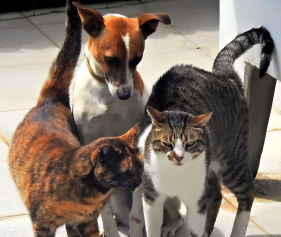 There are nutrients beyond the usual vitamins and antioxidants that may help our animals live longer. Alpha lipoic acid (also known as lipoic acid or thioctic acid) improves glucose metabolism and helps prevent complications of diabetes. It has several actions including stopping the overproduction of glucose, mimicking insulin and increasing the formation of bioactive carnitine.
In addition to its metabolism effects, lipoic acid is also a powerful antioxidant. It's is especially good for active animals, where restoring antioxidants depleted by exercise is desirable. Old animals, too, benefit from lipoic acid. A study in old rats shows that lipoic acid reverses age-related declines in physical activity and upregulates metabolism. It also protects the brain from the effects of free radicals. Studies show that lipoic acid can reduce the amount of lipid peroxidation in the brains of rats by a substantial 50%. A study from Germany shows that lipoic acid extends the life span of immune-suppressed mice.
TMG (trimethylglycine or betaine**) is another super nutrient for animals. It's especially important for kidneys and liver. TMG is the bioactive form of choline, and acts as a methyl donor. In this regard, it enhances methylation. Methylation is crucial for protein production, DNA repair and enzyme function, among other things. TMG is very liver-friendly. Studies show that TMG can reverse serious liver disease, no matter the cause. TMG enhances the production of glutathione, an important liver antioxidant.
**(The betaine referred to is anhydrous betaine, not betaine hydrochloride. Never give your animal betaine hydrochloride. It could cause severe peptic ulcers.)
 TMG is also beneficial for the kidney. In kidney cells, it maintains water balance so that the cells neither shrink nor burst. Salmon farmers use TMG to protect the fish from osmotic stress when they go from fresh to salt water. Made from sugar beets, it's a very non-toxic supplement.
Carotenoids are the red, yellow and orange pigments in plants (fall leaves, for example, have carotenoids). There are 599 known carotenoids besides beta-carotene. One of the jobs of these brightly-colored substances is to protect against the sun. As such, they have strong antioxidant action against UV radiation. Carotenoids appear to work synergistically. In a study on humans, beta-carotene deficiency caused suppressed immunity. Beta-carotene alone did not restore immunity. However, when a mixture of carotenoids was taken, immunity was restored.
The first studies on cats and dogs taking a carotene other than beta-carotene were just published. They show that lutein, a carotenoid typically found in corn and green leafy vegetables (also in egg yolk), enhances immunity. In both cases, lutein increases the number of T-cells and strengthens the immune response.
Lycopene is a very common carotenoid in the American diet. It’s the carotenoid that gives tomatoes their red color. Unlike many vitamins, lycopene is heat-stable, and actually becomes more bioavailable in tomato products than in raw tomatoes. Some of the benefits of lycopene include antioxidant protection and cancer prevention. Some commercial manufacturers are starting to add tomatoes to dog food so dogs can get the benefits of lycopene. Recently it was shown that tomato powder worked as well or better than lycopene against prostate cancer.
 Did you know that onions can kill a cat? It's true. They can sicken a dog as well. Onions contain substances that destroy red blood cells. The condition, known as hemolytic anemia, is caused by molecules in onions that create high levels of oxidative stress in animals' blood cells. Glutathione is quickly depleted, and the cells fall apart. Don’t feed your animal baby food without checking the label first. Some brands contain onion powder. Chocolate has similar effects, so steer clear of chocolate and onions.
Cancer prevention and treatment
 In addition to carotenoids, plants contain other factors with major benefits for animals. These substances possess powerful antioxidant action. And they also have actions that work against cancer cells. Some of them are so strong, they act like drugs. Apigenin is one of these substances. Found abundantly in parsley and some herbs, apigenin is a flavonoid. Among its many actions is the ability to stop cell growth. It can also inhibit the spread of cancer, and provoke cancer cells into dying. Amazingly, it can also inhibit angiogenesis (growth of new blood vessels) better than genistein which is very powerful. In addition, apigenin can block an enzyme that changes weak estrogen to strong. All of these effects will not only help prevent our animals from getting sick, they have the potential to help them if they do get sick.
Luteolin is another powerful flavonoid. In a comparison of 27 flavonoids, luteolin came in second in the ability to induce differentiation of leukemia cells (apigenin ranked 5th). It seems particularly aggressive against hormone-stimulated cancers. It inhibits an enzyme known as aromatase from converting androstenedione to estrone. Estrone is a “strong” form of estrogen that can drive cancer growth. It's important to pay attention to estrogen blockers because estrogen-like chemicals have infiltrated our environment, and our animals are being exposed to them. In addition to its estrogen-blocking activity, luteolin blocks epidermal growth factor (EGF) which helps cancer cells grow and metastasize.
 Also, luteolin is such a good antioxidant that it can help the body withstand radiation and chemotherapy. In a study from Japan, researchers went looking for the factor in rooibos tea that was protecting DNA from radiation-induced free radicals. They discovered that the protective factor is luteolin. They then treated mice with pure luteolin. The flavonoid gave dramatic protection to the bone marrow and spleen against radiation. It was better than any other plant derivative tested. They then tested luteolin in conjunction with doxorubicin (Adriamycin), a common chemo-therapeutic drug known for its cardiac and bone marrow toxicity. Doxorubicin caused lipid peroxidation to rise in bone marrow to 5.9 times normal and cardiac rose to 1.5 times normal. Luteolin provided dramatic protection against this drug-induced free radical damage. Bone marrow peroxidation decreased 91% and CPK levels (an indication of heart damage) were normalized by luteolin. Importantly, luteolin did not interfere with the therapeutic effects of doxorubicin. Together, the actions of apigenin, and luteolin provide powerful cancer-fighting benefits to our animals.
Can our four-legged friends benefit from the supplements we, ourselves, are taking? The answer is definitely yes. As with ourselves, proper diet and supplements can dramatically improve the health and longevity of our animals.
The oldest cat
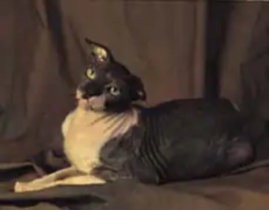 Grandpa Rex's Allen was the oldest living cat in the world when he died at age 34 (the equivalent of being over 150 years old in human years!). The hairless cat, belonging to Jake Perry of Austin, Texas, was fond of broccoli. He was also known to eat asparagus on occasion. According to Cat Fancy, Grandpa had bacon and eggs, broccoli, and coffee with cream every morning for breakfast. Grandpa also got premium cat food, but Perry swears by the vegetables. Knowing what we do about the health benefits of plants for humans, we're not going to argue.
Material used with permission of Life Extension. All rights reserved.
- Carlos TF, et al. 1997. Beta-carotene enhances natural killer cell activity in athymic mice. In Vivo 11:887-91.
- Chew BP, et al. 2000. Dietary -carotene absorption by blood plasma and leukocytes in domestic cats. J Nutr 130:2322-25.
- Cline JL, et al. 1996. The riboflavin requirement of adult dogs at maintenance is greater than previous estimates. J Nutr 126:984-88.
- Eckhouse, John. How dogs and cats get recycled into pet food. San Francisco Chronicle, February 19, 1990.
- El-Bassiouni EA, et al. 1998. changes in the defense against free radicals in the liver and plasma of the dog during hypoxia and/or halothane anaesthesia. Toxicology 128:25-34.
- Forsyth SF, et al. 1995. Ischaemia-reperfusion injury-a small animal perspective. Br Vet J 151:281-98.
- Fotsis T, et al. 1998. Phytoestrogens and inhibition of angiogenesis. Baillieres Clin Endocrinol Metab 12:649-66.
- Fox PR, et al. 1993. Comparison of taurine, alpha-tocopherol, retinol selenium, and total triglycerides and cholesterol concentrations in cats with cardiac disease and in healthy cats. Am J Vet Res 54:563-9.
- Freeman LM, et al. 1999. Assessment of degree of oxidative stress and antioxidant concentrations in dogs with idiopathic dilated cardiomyopathy. J Am Vet Med Assoc 215:644-6.
- Freisleben H-J. 1997. Influence of selegiline and lipoic acid on the life expectancy of immunosuppressed mice. Arzneim-forsch/Drug Res 47(i):776-80.
- Hagen TM, et al. 1999. (R)-alpha-lipoic acid-supplemented old rats have improved mitochondrial function, decreased oxidative damage, and increased metabolic rate. FASEB J 13:411-18.
- Hayes HM. 1978. The comparative epidemiology of selected neoplasms between dogs, cats, and humans: a review. Eur J Cancer 14:1299-08.
- Hooper Amy. In Praise of Golden Years: Cat Fancy Honors America's Oldest Cats. Cat Fancy, March, 1997.
- Kazi N, et al. 1997. Immunomodulatory effect of beta-carotene on T lymphocyte subsets in patients with resected colonic polyps and cancer. Nutr Cancer 28:140-5.
- Kim HW, et al. 2000. Dietary lutein stimulates immune response in the canine. Vet Immunol Immunopathol 74:315-27.
- Kim HW, et al. 2000. Modulation of humoral and cell-mediated immune responses by dietary lutein in cats. Vet Immunol Immunopathol 73:331-41.
- Kittleson MD, et al. 1997. Results of the multicenter spaniel trial (MUST): taurine-andcarnitine-responsive dilated cardiomyopathy in American cocker spaniels with decreased plasma taurine concentration. J Vet Intern Med 11:204-11.
- Kramer TR, et al. 1997. Modulated mitogenic proliferative responsiveness of lymphocytes in whole-blood cultures after a low-carotene diet and mixed-cortenoid supplementation in women. Am J Clin Nutr 65:871-5.
- Kubes. 1992. Nitric oxide modulates epithelial permeabilityin the feline small intestine. Am J Physiol 262(6 pt 1):G1138-42.
- Langweiler M, et al. 1983. Effect of antioxidants on the proliferative response of canine lymphocytes in serum from dogs with vitamin E deficiency. Am J Vet Res 44:5-7.
- Mäkelä S, et al. 1998. Inhibition of 17 -hydroxysteroid oxidoreductase by flavonoids in breast and prostate cancer cells (44237). PSEBM 217:310-16.
- Morris JG, et al. 1978. Ammonia intoxication in the near-adult cat as a result of a dietary deficiency of arginine. Science 199 (4327):431-2.
- Packer L. New Horizons in Antioxidant Research: action of the thioctic acid/dihydrolipoic acid couple in biological systems. In: Schmidt K; Ulrich H, eds. Thioctsäure. 2. International Thioctic Acid Workshop Frankfurt: Universimed Verlag GMbH; 1992:35-44. (referenced in Packer L, et al. 1997. Neuroprotection by the metabolic antioxidant -lipoic acid. Free Rad Biol Med 22:359-78).
- Riverson EA. 1990. Relation of vitamin B6 to growth and virus infection of feline tumor and non-tumor cell lines. Diss Abstr Int [B] 51:670. Also, FASEB J 4:A1173.
- Sadzuka Y, et al. 1997. Protective effect of flavonoids on doxorubicin-induced cardiotoxicity. Toxicol Letters 92:1-7.
- Shimoi K, et al. 1996. Radioprotective effects of antioxidative plant flavonoids in mice. Mutat Res 350: 153-61.
- Silverman NA, et al. 1985. Effect of carnitine on myocardial function and metabolism following global ischemia. Ann Thorac Surg 40:20-4.
- Umegaki K, et al. 1994. Beta-carotene prevents X-ray induction of micronuclei in human lymphocytes. Am J Clin Nutr 59:409-12.
- Weyrich AS, et al. 1992. The role of L-arginine in ameliorating reperfusion injury after myocardial ischemia in the cat. Circulation 86:279-88.
- Williams LL, et al. 1993. Chronic feline leukemia virus infection alters arachidonic acid proportions in vivo and in vitro. Proc Soc Exp Biol Med 202:239-45.
- Yin F, et al. 1999. Signal pathways involved in apigenin inhibition of growth and induction of apoptosis of human anaplastic thyroid cancer cells (ARO). Anticancer Res 19:4297-4304.
Related products
-
-
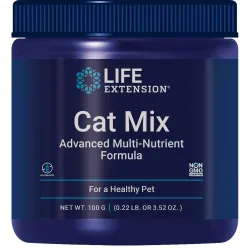
Life Extension Cat Mix
Price: 15,53 €Our purrfect nutrient mix for kitty Helps promote heart, kidney & eye...