
 English
 Polski
 Deutsch
 Français
 ελληνικά
 Español
 Italiano
Beyond CBD: Plant-Derived Endocannabinoid Support

The endocannabinoid system plays an important role in, influencing mood, learning and memory, pain control, sleep, appetite, and more.
But as we age, the endocannabinoid system becomes less active.1,2 That can lead to accelerated aging and increased susceptibility to disease.1
Research has shown that the endocannabinoid system plays a profound role throughout the rest of the body, affecting everything from bone strength to fat and glucose metabolism.2
In the past years CBD (cannabidiol) products have become increasingly popular, ranging from a variety of formulations from oils to cosmetics.
This comes from the fact that CBD interacts with and supports the endocannabinoid system.
The problem is that there are many unanswered questions about the quality and efficacy of the CBD-containing products purchased commercially.
For those who want to improve their internal endocannabinoid functions, scientists have identified four plant compounds that favorably influence the endocannabinoid system in multiple ways.
What Is the Endocannabinoid System?
 Like hormones and nerve cells, the endocannabinoid system is a cellular communication system, allowing various cells to send signals to others.
It helps to regulate and maintain the optimal function of many bodily systems.
It also helps maintain homeostasis, stability in response to changes in the environment, throughout the body.
The endocannabinoid system is active in most tissues. It has been identified in brain, bone, muscle, liver, and fat tissue, immune cells, and more.1-3
It’s made up of three parts:
- Signaling molecules called endocannabinoids,
- Receptors found throughout the body, to which the endocannabinoids bind to transmit a signal, and
- Enzymes which break down the endocannabinoids once their work is done.
Two of the best-known endocannabinoids are anandamide (AEA) and 2-arachidonoyl glycerol (2-AG). They interact with receptors throughout the body.
The name “endocannabinoid” comes from the fact that plant-derived cannabinoid compounds, such as those found in cannabis, influence cannabinoid receptors on cell membranes. “Endo” refers to something formed within the body.
Unlike cannabinoids from cannabis, endocannabinoids do not have psychoactive effects. But they have a profound impact on the brain and body.
The Endocannabinoid System and the Brain
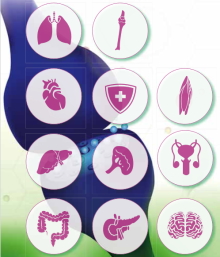 In the brain, the endocannabinoid system has been shown to be neuroprotective,1 shielding brain cells against damage and age-related changes.
As a result, it is a promising research target in the battle to help protect against cognitive decline and diseases such as Alzheimer’s and Parkinson’s disease.1
Its effects in the brain also relate to many essential quality-of-life factors: mood, pain perception, cognition and memory, appetite regulation, and sleep.2,4
On a cellular level, scientists have found that the endocannabinoid system protects the brain by:1
- Regulating brain “helper” cells. The glial cells in the brain are support cells that are vital to normal brain function. The endocannabinoid system maintains their function, supporting brain cells, preventing inflammation, and guarding against neurodegeneration.
- Promoting formation of new neurons. As we age, our ability to form new nerve cells declines. This is a major contributor to cognitive and functional decline. The endocannabinoid system increases neurogenesis, helping to maintain learning and memory.
- Boosting synaptic plasticity. The ability of our synapses, where neurons communicate, to adapt to new information also diminishes in old age. By strengthening this ability, known as synaptic plasticity, the endocannabinoid system can help prevent cognitive decline.
- Increasing brain-derived neurotrophic factor. This protein supports the survival, growth, and health of neurons, which helps prevent neurological diseases, including Parkinson’s and Alzheimer’s.
Body-Wide Effects
Beyond the brain, the endocannabinoid system has a wide range of effects. It has been found to regulate:2
- Bone remodeling, in which old bone tissue is replaced by strong, new bone,
- Gastrointestinal function,
- Fat metabolism in both the liver and in fatty tissues,
- Muscle metabolism, and
- Immune cell function.
 The endocannabinoid system is a signaling system that operates throughout the body, from brain to bone.
- It helps regulate and bring balance to a wide range of bodily functions, which can slow the aging process and reduce risk for chronic disease.
- Researchers have discovered four compounds that influence endocannabinoid system function: oleoylethanolamide (OEA), biochanin A, guineensine, and beta-caryophyllene.
How the Endocannabinoid System Works
 After discovering how diverse the effects of the endocannabinoid system are, scientists investigated how it works. They found that it contributes to all of the following:1
- Cellular “housekeeping.” Cannabinoids induce autophagy, when cells clear away damaged proteins and other compounds to make room for new, healthy cellular components.
- Regulation and protection of mitochondria. Mitochondria are the “powerhouses” of the cells. The endocannabinoid system helps regulate their normal activity and protect them from damage.
- Modulating signaling and communication pathways. Cell-to-cell interactions throughout the body rely in part on endocannabinoid signaling. These relationships have diverse effects, including impacts on sleep-wake cycles, pain perception, mood, learning, and memory.
All of these pathways are critical in slowing the aging process and maintaining normal tissue function in various organs.
Supporting Endocannabinoid Function
Scientists have discovered that there are ways to influence the function of the endocannabinoid system—without resorting to use of CBD (cannabidiol), THC (tetrahydrocannabinol), or other potentially psychoactive cannabinoids from cannabis.
The following compounds have been found to influence the activity of the endocannabinoid system through distinct but complementary effects.
Oleoylethanolamide (OEA)
Oleoylethanolamide is a fatty acid that is naturally produced in the body.
It is similar in structure to one of the endocannabinoid compounds.
Oleoylethanolamide’s (OEA) activity to suppress inflammation and regulate metabolism and appetite is mediated through the activity of endocannabinoid receptors but without binding to them.5-7
OEA has also been found to have neuroprotective effects and to provide support against obesity and associated metabolic abnormalities.6-8
Biochanin A
 Biochanin A is a plant flavone found in clover, peanuts, chickpeas, and soy.9
Research has found that biochanin A inhibits one of the enzymes in the endocannabinoid system called fatty acid amide hydrolase.10,11 This enzyme breaks down the endocannabinoid anandamide into inactive products.
By blocking the activity of the enzyme, biochanin A may help to support higher levels of anandamide.12
Anandamide acts as a natural pain reliever in the body, so biochanin A may be useful in treating chronic pain and other conditions.11
Anandamide, through its function as a critical molecule in the endocannabinoid system, is also believed to play important roles in regulating motivation, pleasure, and mood.3,4,13
Guineensine
A compound isolated from black pepper, guineensine boosts levels of both anandamide and 2-AG.14,15 It works by blocking the reuptake of these endocannabinoids after their release by cells.16
As a result, levels of anandamide and 2-AG remain higher in the body for longer. Together with biochanin A’s ability to block anandamide’s breakdown, this further boosts the beneficial effects of these endocannabinoids.
Beta-Caryophyllene
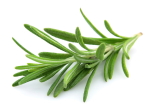 Beta-caryophyllene is found in many plants, including rosemary, clove, and black pepper.14
Scientists have discovered that this compound directly activates one of the most important endo-cannabinoid receptors, known as CB2, mimicking the activity of some endocannabinoids.14
These CB2 receptors are found throughout the body. Their activation by beta-caryophyllene has been demonstrated to:
- Reduce inflammation in brain cells,17
- In an animal model, improve insulin function blood glucose control, lipids, and vascular inflammation,18
- Protect against age-related cognitive decline and reduce levels of an age-related proinflammatory cytokine,19 and
- Inhibit breast cancer cell growth.20
Summary
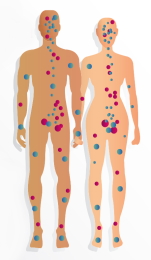 In the last few decades, scientists have discovered that the endocannabinoid system influences the balance and function of almost all bodily systems.
In the brain, it has important beneficial effects on mood, cognition, sleep, and more.
Throughout the body, it helps maintain tissue health, prevent age-related loss of function, and lower risk for disease.
Scientists have identified four plant-derived compounds that influence the function of the endocannabinoid system: oleoylethanolamide (OEA), biochanin A, guineensine, and beta-caryophyllene.
Material used with permission of Life Extension. All rights reserved.
- Bilkei-Gorzo A. The endocannabinoid system in normal and pathological brain ageing. Philos Trans R Soc Lond B Biol Sci. 2012 Dec 5;367(1607):3326-41.
- Watkins BA. Diet, endocannabinoids, and health. Nutr Res. 2019 Oct;70:32-9.
- Zou S, Kumar U. Cannabinoid Receptors and the Endocannabinoid System: Signaling and Function in the Central Nervous System. Int J Mol Sci. 2018 Mar 13;19(3).
- Manzanares J, Julian M, Carrascosa A. Role of the cannabinoid system in pain control and therapeutic implications for the management of acute and chronic pain episodes. Curr Neuropharmacol. 2006 Jul;4(3):239-57.
- Overton HA, Babbs AJ, Doel SM, et al. Deorphanization of a G protein-coupled receptor for oleoylethanolamide and its use in the discovery of small-molecule hypophagic agents. Cell Metab. 2006 Mar;3(3):167-75.
- Laleh P, Yaser K, Alireza O. Oleoylethanolamide: A novel pharmaceutical agent in the management of obesity-an updated review. J Cell Physiol. 2019 Jun;234(6):7893-902.
- Orio L, Alen F, Pavon FJ, et al. Oleoylethanolamide, Neuroinflammation, and Alcohol Abuse. Front Mol Neurosci. 2018;11:490.
- Laleh P, Yaser K, Abolfazl B, et al. Oleoylethanolamide increases the expression of PPAR-Alpha and reduces appetite and body weight in obese people: A clinical trial. Appetite. 2018 Sep 1;128:44-9.
- Yu C, Zhang P, Lou L, et al. Perspectives Regarding the Role of Biochanin A in Humans. Front Pharmacol. 2019;10:793.
- Chundi V, Challa SR, Garikapati DR, et al. Biochanin-A attenuates neuropathic pain in diabetic rats. J Ayurveda Integr Med. 2016 Oct - Dec;7(4):231-7.
- Thors L, Burston JJ, Alter BJ, et al. Biochanin A, a naturally occurring inhibitor of fatty acid amide hydrolase. Br J Pharmacol. 2010 Jun;160(3):549-60.
- Available at: https://www.sciencedirect.com/topics/biochemistry-genetics-and-molecular-biology/oleoylethanolamide. Accessed August 14, 2020.
- Brodermann MH. Pain, pleasure and placebo: the cannabinoids in reward processing and the perception of pain. Ment Health Addict Res. 2016;1(3):59-63.
- Gertsch J. Cannabimimetic phytochemicals in the diet - an evolutionary link to food selection and metabolic stress adaptation? Br J Pharmacol. 2017 Jun;174(11):1464-83.
- Kumar A, Premoli M, Aria F, et al. Cannabimimetic plants: are they new cannabinoidergic modulators? Planta.2019 Jun;249(6):1681-94.
- Nicolussi S, Viveros-Paredes JM, Gachet MS, et al. Guineensine is a novel inhibitor of endocannabinoid uptake showing cannabimimetic behavioral effects in BALB/c mice. Pharmacol Res. 2014 Feb;80:52-65.
- Askari VR, Shafiee-Nick R. The protective effects of beta-caryophyllene on LPS-induced primary microglia M1/M2 imbalance: A mechanistic evaluation. Life Sci. 2019 Feb 15;219:40-73.
- Youssef DA, El-Fayoumi HM, Mahmoud MF. Beta-caryophyllene protects against diet-induced dyslipidemia and vascular inflammation in rats: Involvement of CB2 and PPAR-gamma receptors. Chem Biol Interact. 2019 Jan 5;297:16-24.
- Lindsey LP, Daphney CM, Oppong-Damoah A, et al. The cannabinoid receptor 2 agonist, beta-caryophyllene, improves working memory and reduces circulating levels of specific proinflammatory cytokines in aged male mice. Behav Brain Res. 2019 Oct 17;372:112012.
- Di Sotto A, Romaniello D, Freddoni G, et al. New insights in the antitumor effects of beta-caryophyllene in breast cancer cells: the role of cannabinoid and adrenergic systems. Annals of Oncology. 2018;29:94P.
Related product
-

Endocannabinoid System Booster
Price: 31,02 €Helps maintain whole-body balance, comfort, and beyond Promotes harmony...