
 English
 Polski
 Deutsch
 Français
 ελληνικά
 Español
 Italiano
Alcohol: Reducing the Risks
Summary and Quick Facts
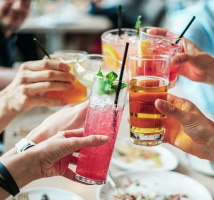 Binge drinking is when a man consumes five or more drinks, or a woman consumes four or more drinks within roughly two hours. The short-term effects of binge drinking range from mild hangover symptoms to life-threatening central nervous system dysfunction, electrolyte imbalance and death.
- No nutritional intervention can eliminate the health hazards associated with long-term alcohol overconsumption. This protocol is intended to provide strategies that may minimize some of the ill effects (i.e. hangover) arising from isolated instances of alcohol overindulgence.
- Several integrative interventions, including clove bud extract, N-acetylcysteine and glutathione may facilitate alcohol detox and help support systems disturbed by short-term alcohol consumption.
This protocol is not about reducing the detrimental effects of chronic, excessive alcohol consumption. No nutritional intervention can eliminate the health hazards associated with long-term alcohol overconsumption.
Rather, this protocol is intended to provide strategies that may minimize some of the ill effects (ie, hangover) arising from isolated instances of alcohol overindulgence.
Hangover symptoms typically result from binge drinking, the most common type of alcohol abuse in the United States. Symptoms include headache, nausea, fatigue, and increased sensitivity to light and noise.
The good news is that several integrative interventions, including clove bud extract, N-acetylcysteine, and glutathione may facilitate alcohol detox and help support systems disturbed by short-term alcohol consumption.
Alcohol Metabolism
- Most alcohol (about 80%) passes into the small intestine and is absorbed rapidly into the blood.
- Absorbed alcohol is mostly converted into acetaldehyde, primarily in the liver, by enzymes called alcohol dehydrogenases.
- Acetaldehyde is a toxin and carcinogen that can cause nausea, vomiting, headache, and fatigue.
- Most acetaldehyde produced from alcohol is converted by the enzyme aldehyde dehydrogenase into acetate, which can be used for energy production throughout the body.
How Alcohol Causes Hangover Symptoms
 Hangover symptoms remain after the alcohol itself is no longer circulating in the body.
- Residual effects like inflammation, altered immune function, and oxidative damage are likely to be key contributors to hangover.
- Several individual factors can influence hangover severity, including:
- Age. Adolescents and young adults experience more frequent and severe hangovers.
- Genetics. Individual differences affect how alcohol is metabolized.
- Smoking. Smoking is associated with increased hangover likelihood and severity.
- Medications. Many medications can impact the risk of intoxication and hangover by influencing alcohol metabolism.
Note: Taking over-the-counter medication for hangovers can be problematic. Alcohol and non-steroidal anti-inflammatory drugs like aspirin and ibuprofen irritate the gastric lining and can cause gastrointestinal bleeding, and the risk of bleeding is exacerbated when used together. Because of its high potential for liver toxicity, acetaminophen is also not safe when combined with alcohol.
Minimizing Hangover Risk
- Drink moderately and slowly. Limit intake to no more than three drinks on a given day for women or four drinks on a given day for men, AND no more than seven drinks per week for women or 14 per week for men.
- Eat. Food in the stomach reduces the absorption of alcohol.
- Drink tea. Black tea stimulates the enzyme that breaks down acetaldehyde, while green tea promotes the breakdown of alcohol.
- Drink water. Drinking water may reduce the rate or how much alcohol is ingested, while carbonated water may encourage the breakdown of acetaldehyde.
- Take into account the properties of various alcoholic beverages. Vodka has almost no congeners, molecules produced during fermentation and distillation, and may cause less severe hangover symptoms than the highest congener spirit, bourbon. Beer and wine may have fewer toxic effects than spirits.
Integrative Interventions
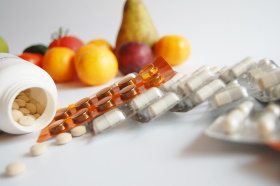 Nicotinamide riboside. Nicotinamide riboside is a precursor to NAD+, which is necessary for many metabolic processes. Depletion of NAD+ in alcohol metabolism, resulting in a lower NAD+/NADH ratio, has been suggested to be a contributing factor in alcohol toxicity.
- Clove bud extract. A randomized, crossover trial found that a single dose of 250 mg of clove bud extract taken before drinking led to lower blood alcohol and acetaldehyde concentrations, less depletion of detoxification enzymes, and less severe hangover symptoms than a control group.
- N-acetylcysteine (NAC). NAC directly binds acetaldehyde. In animal research, NAC has been found to reduce alcohol toxicity.
- Glutathione. Glutathione is an important detoxification compound and antioxidant. In a rat study, two weeks of glutathione administration before alcohol exposure led to lower levels of alcohol and acetaldehyde.
- Vitamin E and selenium. One animal study showed vitamin E prevented oxidative stress and glutathione depletion after acute alcohol exposure, and this effect was enhanced by treatment together with a form of selenium.
Introduction
Excessive alcohol intake is the third-leading cause of preventable death in the United States (O'Keefe 2014; Liang 2014). Alcohol abuse is linked to numerous health risks including heart, liver, and pancreatic diseases; pneumonia; neurological and cognitive dysfunction; cancer; psychological disorders; and injuries (Shield 2013; Kruman 2014; Federico 2015; Traphagen 2015).
This protocol is not about reducing the detrimental effects of chronic, excessive alcohol consumption. No nutritional intervention can eliminate the health hazards associated with long-term alcohol overconsumption.
Rather, this protocol is intended to provide strategies that may minimize some of the ill effects (ie, hangover) arising from isolated instances of alcohol overindulgence. Readers who wish to reduce their risk of developing chronic health problems due to excessive alcohol consumption should adhere to the guidelines on low-risk drinking published by the National Institute on Alcohol Abuse and Alcoholism, which are as follows (NIH 2016).
 Hangover symptoms typically result from binge drinking, the most common type of alcohol abuse in the United States. Binge drinking is when a man consumes five or more drinks, or a woman consumes four or more drinks, within roughly two hours (CDC 2015). The short-term effects of binge drinking range from mild hangover symptoms to life-threatening central nervous system dysfunction (NIH 2015), electrolyte imbalance, and death (Allison 2014; Erath 1996). The experience of frequent hangovers increases the likelihood of being diagnosed with an alcohol use disorder in the future (Piasecki 2005; Piasecki 2010).
A hangover is characterized by symptoms such as headache, nausea, fatigue, poor concentration, mood disturbance, and increased sensitivity to light and noise (Mayo Clinic 2014). Oxidative tissue injury and inflammation are thought to be important contributors to the short-term consequences of alcohol intoxication (Penning 2010; Verster 2008; Min 2010) as well as the long-term health problems related to chronic alcohol abuse (Gonzalez-Reimers 2014; Kawaratani 2013; Ceron 2014).
The good news is that several integrative interventions may facilitate alcohol detoxification and help support the healthy functioning of physiological systems disturbed by short-term alcohol consumption.
 Supplementing with nutrients depleted through alcohol use such as B vitamins (Said 2011), selenium (Ojeda 2015), and vitamin E (Kaur 2010) is one approach to mitigating hangover symptoms. Other natural agents, including clove bud extract (Issac 2015), N-acetylcysteine (Leung 2015), grape seed extract (Bak 2016), and resveratrol (Chen 2016) may exert beneficial effects by reducing oxidative and inflammatory tissue damage. Additional interventions that may help prevent hangover symptoms include herbal therapies such as milk thistle (Vargas-Mendoza 2014) as well as nutrients that facilitate alcohol metabolism such as glutathione (Lee 2009). A unique compound extracted from soybeans called Polyenylphosphatidylcholine (PPC) may help protect the liver from damage (Gundermann 2011). Finally, supplemental probiotics may help reverse the negative impact of alcohol on the intestinal microbiome (Engen 2015; Bhattacharyya 2014) and offset some of the toxic effects of alcohol in gastrointestinal cells.
In this protocol, you will learn how the body metabolizes alcohol and how excessive drinking can impair the systems responsible for doing so, leading to toxicity. You will learn about the ways that alcohol consumption leads to hangover symptoms, and how lifestyle choices and targeted integrative interventions may help minimize hangover risk. You will also read about the risk to liver health posed by the common mistake of taking the over-the-counter pain medication acetaminophen (the active ingredient in Tylenol) shortly after alcohol consumption, and how drinking to excess can exacerbate some of the health risks associated with diabetes.
Background
 A hangover is the result of an episode of excessive alcohol consumption (Mayo Clinic 2014). During any occasion that involves alcohol consumption, the risk of hangover and other problems increases with each successive drink (Gruenewald 2015).
Hangover symptoms typically peak when the blood alcohol level drops to zero, and can last more than 24 hours (Verster 2008). The particular symptoms and their severity depend on the amount of alcohol consumed and on individual characteristics (Slutske 2014; Mayo Clinic 2014); some of the many symptoms that may be experienced during a hangover include (Verster 2008; Penning 2012; Mayo Clinic 2014):
- Fatigue and weakness
- Thirst and dry mouth
- Headache
- Clumsiness
- Nausea, vomiting or stomach pain
- Poor concentration and memory
- Irritability, anxiety, or depression
- Dizziness
- Shakiness or shivering
- Sweating
- Hypersensitivity to sound and light
- Body aches
- Rapid heart rate and pounding heart
 A hangover can severely impact normal functional capacity. Both attention and reaction times are diminished during hangover, which may increase risks associated with tasks that require vigilance, such as driving (Howland 2010; Penning 2012). Evidence from one study suggests mental functioning is no better, and possibly worse, during a hangover than during intoxication (McKinney 2012). In a driving simulation test, driving performance was significantly impaired on the morning following an evening of heavy drinking compared to the morning after no drinking, with more lapses of attention and greater difficulty concentrating, and shorter sleep time was correlated with a higher number of attention lapses (Verster 2014).
Alcohol Metabolism
When alcohol (ethanol) is ingested, some is absorbed through the stomach lining and some is broken down by enzymes in the stomach, but most (about 80%) passes into the small intestine and is absorbed rapidly into the blood. The presence of food in the stomach slows transit to the small intestine, delaying absorption. On the other hand, when the stomach is empty, alcohol moves quickly to the intestines and is absorbed into the blood (Cederbaum 2012; Paton 2005; Manzo-Avalos 2010).
 Absorbed alcohol travels to organs and tissues via the blood, and most is converted into acetaldehyde, primarily in the liver, by a family of enzymes called alcohol dehydrogenases. Acetaldehyde is a toxin and carcinogen that can cause nausea, vomiting, headache, and fatigue (Wang, Li 2016). Most acetaldehyde produced from alcohol is converted by the enzyme aldehyde dehydrogenase into acetate, which can be used for cellular energy production in tissues throughout the body (Cederbaum 2012), making alcohol a rich source of empty calories—about 7 kilocalories per gram (Tayie 2016). Individuals with a genetic variation that limits their production of aldehyde dehydrogenase have been found to be more susceptible to hangover, suggesting a possible role for acetaldehyde as a contributor to hangover symptoms (Wall 2000; Yokoyama 2005).
Nutrients Influence Alcohol Metabolism
 Certain nutrients are essential for the metabolism of alcohol. For example, zinc and vitamin B3 are necessary for the proper function of alcohol dehydrogenase enzymes (Cederbaum 2012).
An important form of vitamin B3 called nicotinamide adenine dinucleotide (NAD+) is reduced to NADH during alcohol metabolism (Cederbaum 2012). NAD+ is required for many fundamental biological processes, including the metabolism of glucose, fats, and proteins. When depleted during alcohol metabolism, NAD+ may be unavailable for other important biological processes such as DNA repair, which could contribute to some of alcohol’s toxic effects. As demonstrated in animal and clinical studies, NAD+ levels can be boosted by the nutrient nicotinamide riboside (Trammell 2016).
The microsomal ethanol oxidizing system is another pathway—an alternative to the alcohol dehydrogenase enzyme pathway—for metabolizing alcohol (Han 2016; Cederbaum 2012; Kawaratani 2013). However, alcohol metabolism through the microsomal ethanol oxidizing system produces a damaging free radical called 1-hydroxyethyl radical (Cederbaum 2012; Stoyanovsky 1998). Nutrients including vitamins C and E, glutathione, as well as the glutathione cofactors N-acetylcysteine and selenium, participate in neutralizing the 1-hydroxyethyl radical (Stoyanovsky 1998; Ronis 2005; Clausen 1988; Roes 2002), while alcohol consumption can deplete these nutrients (Puntarulo 1999). Obtaining optimal amounts of these nutrients through diet and supplementation may help attenuate alcohol toxicity.
How Alcohol Causes Hangover Symptoms
The specific mechanisms that cause hangover symptoms to manifest are not completely understood, although an important clue is that the symptoms remain after the alcohol itself is no longer in circulation. Thus, residual effects such as inflammation, altered immune function, and oxidative damage appear likely to be key contributors to hangover as well as other systemic impacts of alcohol overconsumption (Penning 2010; McCarty 2013; Verster 2008; Gonzalez-Reimers 2014).
Inflammation
 In addition to exerting direct toxicity on gastrointestinal cells, alcohol causes an increase in permeability of the intestinal lining, which allows toxins present in the intestine (endotoxin) to pass into the bloodstream. This gives rise to an inflammatory immune response with effects throughout the body (Gonzalez-Reimers 2014; Kawaratani 2013). Evidence from animal research suggests the combination of alcohol and endotoxin can quickly raise levels of inflammatory cytokines in the blood, liver, and brain (Gonzalez-Reimers 2014). The action of these cytokines in the central nervous system has been linked to hangover-like symptoms in animal models (Dantzer 2007).
Alcohol may further contribute to inflammation by stimulating the activity of enzymes that accelerate production of inflammatory prostaglandins. In addition, oxidizing enzymes induced by alcohol generate increased levels of free radicals (Gonzalez-Reimers 2014). Combined with the free radicals produced during alcohol metabolism, this high oxidative load contributes to the vicious cycle of cellular injury and inflammatory signaling (Kawaratani 2013; McCarty 2013; Biswas 2016), which may contribute to both the acute and chronic consequences of excessive alcohol consumption (McCarty 2013).
Other Theories
 Although popular wisdom holds that dehydration is a major contributor to hangover, research has failed to find an association between markers of dehydration and hangover severity (Penning 2010). Similarly, while many people suspect that alcohol-induced hypoglycemia leads to hangover, changes in blood glucose levels during alcohol ingestion are affected by many factors and circumstances, and a relationship between hypoglycemia and hangover has not been clinically verified (Prat 2009). Another hypothesis that awaits exploration suggests that the cognitive and psycho-emotional symptoms of hangover are related to a disturbance in neurotransmitter systems caused by an acute form of alcohol withdrawal (Prat 2009; Piasecki 2010; Costardi 2015).
A group of compounds found in alcoholic beverages, called congeners, have been proposed to contribute to hangover symptoms. Congeners are molecules produced during fermentation and distillation, or added to alcohol to enhance flavor, aroma, and color. They are widely present in alcoholic beverages in very small amounts, with darker spirits and red wine generally containing more congeners than lighter spirits, white wine, and beer (Verster 2008; Prat 2009). Certain congeners and their metabolites appear to act as toxins (Prat 2009; Rohsenow, Howland 2010; Verster 2008). Although the possible relationship between congeners and hangover is not yet fully understood, drinking high-congener alcohol, compared with low-congener alcohol, has been correlated with increased severity of hangover in several preliminary studies. Nevertheless, hangovers can result from excessive intake of any alcohol, regardless of its congener content (Verster 2008; Prat 2009).
Several individual factors can influence hangover severity, including:
 Age. Adolescents and young adults experience more frequent and severe hangovers (Tolstrup 2014; Huntley 2015).
- Genetics. Genetic variability and other individual differences affect how alcohol is metabolized (Slutske 2014).
- Smoking. Smoking is associated with increased hangover likelihood and severity (Jackson 2013).
- Medications. Many medications can impact the risk of intoxication and hangover by influencing alcohol metabolism (Cederbaum 2012).
It is also interesting to note that patients who have had gastric bypass surgery (usually a treatment for obesity) may have altered alcohol metabolism, with faster absorption and slower metabolism. These patients are thought to be at higher risk of developing alcohol use disorder (Wee 2014), and could potentially have a greater chance of experiencing hangover.
Alcohol and Diabetes
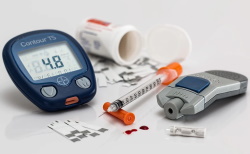 Low levels of alcohol consumption appear to protect against diabetes, but consuming high levels increases risk for diabetes and its complications (Steiner 2015; Zhou 2016; Munukutla 2016). The type of alcohol consumed may also be important, as beer and wine have been found to be associated with reduced diabetes risk. Specific phytochemicals in beer and wine, including polyphenols, may explain some of this risk reduction. The apparent positive effects of low and moderate alcohol intake on diabetes risk and complications may be due to improvement in insulin sensitivity and increased anti-inflammatory activity (Zhou 2016).
Heavy alcohol intake, conversely, has been shown to increase levels of inflammatory markers and cause a deterioration of insulin sensitivity. It may also cause insulin secretion to diminish due to pancreatic damage (Zhou 2016). A regular habit of drinking approximately four alcoholic drinks (50–60 grams of alcohol) per day has been linked to increased diabetes risk (Steiner 2015), and can raise the likelihood of complications in diabetics. Diabetics who drink excessively increase their risk of heart disease and heart attack, kidney disease and kidney failure, and cirrhosis (Munukutla 2016).
The Dangers of Combining Alcohol with NSAIDs or Acetaminophen
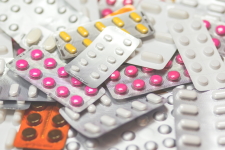 Some over-the-counter remedies often used to ease some hangover symptoms, such as acetaminophen (Tylenol), ibuprofen, or aspirin, may increase the negative effects of alcohol. Alcohol and non-steroidal anti-inflammatory drugs (NSAIDs) like aspirin and ibuprofen irritate the gastric lining and can cause gastrointestinal bleeding, and the risk of bleeding is exacerbated when they are used together (Moore 2015).
In one study, the risk of gastrointestinal bleeding was 2.7-fold higher in people who took any dose of ibuprofen regularly and drank any amount of alcohol in the week prior to the bleeding episode. The combined effect of alcohol and aspirin was even more dramatic: In those who used aspirin at least every other day at doses of 325 mg per day or lower, the risk of gastrointestinal bleeding was 2.8 times higher if they drank any amount of alcohol, and in those who used more than 325 mg per day of aspirin, alcohol use increased their risk 7-fold (Kaufman 1999).
Acetaminophen is an analgesic often preferred to NSAIDs because of its relative safety with regard to gastrointestinal bleeding (ACG 2016). Because of its high potential for liver toxicity, however, it is not safe when combined with alcohol (Mayo Clinic 2014; UMMC 2015; Suzuki 2009). Furthermore, acetaminophen has been shown to interfere with alcohol metabolism (Lee, Liao 2013) and may contribute to greater alcohol sensitivity.
Minimizing Hangover Risks
The only completely effective method for preventing a hangover is to avoid excessive alcohol consumption (Pittler 2005; Mayo Clinic 2014; Verster 2010). However, several things can be done with the aim of reducing hangover risk:
- Drink moderately. A standard drink is 12 ounces of beer, 5 ounces of wine, or 1.5 ounces of liquor. The National Institutes of Health recommends that the safest way to consume alcohol is to limit intake to no more than three drinks on a given day for women or four drinks on a given day for men, AND no more than seven drinks per week for women or 14 per week for men (NIH 2016).
- Drink slowly. Alcohol is absorbed from the digestive tract less efficiently as blood alcohol rises. Drinking slowly allows time for blood alcohol to increase, reducing absorption (Cederbaum 2012).
- Eat. Food in the stomach reduces the absorption of alcohol. Foods high in fat, carbohydrate, and protein all reduce alcohol absorption similarly, as long as they are eaten before or during alcohol consumption (Cederbaum 2012).
- Drink tea. A study looking at the effects of 20 different beverages on alcohol metabolism in mice found that black tea had a strong stimulating effect on the enzyme that breaks down acetaldehyde, while green tea promoted the breakdown of alcohol (Wang, Zhang 2016).
- Drink water. Drinking water may reduce the rate or amount of alcohol ingested (Mayo Clinic 2014), while carbonated water may encourage the breakdown of acetaldehyde (Wang, Zhang 2016).
- Do not smoke. Smoking on heavy drinking days has been associated with greater likelihood and increased severity of hangovers (Jackson 2013).
- Be aware of medication interactions. Because some medications inhibit, block, or are metabolized by alcohol dehydrogenase and other liver detoxification pathways, excess alcohol can decrease clearance of these drugs, increasing the risk of adverse side effects and toxic overdose.
 Conversely, with chronic alcohol use, detoxification activity can be chronically upregulated, accelerating medication clearance and decreasing their effects in the body, even in the absence of high alcohol levels. In addition, some medications, such as aspirin and acid-blocking agents like cimetidine (Tagamet) and ranitidine (Zantac), interfere with alcohol breakdown and increase alcohol sensitivity (Cederbaum 2012). Older adults are more vulnerable to alcohol-medication interactions due to age-related changes in absorption, circulation, and metabolism of alcohol and drugs (Moore 2007).
 - Take into account the properties of various alcoholic beverages. Vodka has almost no congeners and may cause less severe hangover symptoms than the highest congener spirit, bourbon (Rohsenow, Howland, Arnedt 2010). Beer and wine may have fewer toxic effects than spirits (Addolorato 2008). Red wine contains high levels of polyphenols, including resveratrol, that may prevent some of the oxidative stress caused by its alcohol (Silva 2015), and light-to-moderate consumption of red wine has been linked with health benefits (Basli 2012; Saleem 2010). Beer, though containing fewer polyphenols than wine, is a source of B vitamins; moderate beer drinking has similar, if less powerful, protective effects as red wine, including reduced risk of cardiovascular disease, diabetes, high blood pressure, and some forms of cancer (Arranz 2012; Fernandez-Sola 2015).
Nutrients
B vitamins
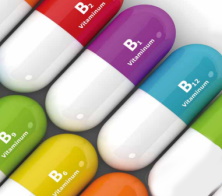 Chronic alcoholism causes impaired B vitamin absorption and is well known to cause vitamin B1 (thiamine) deficiency, which can lead to serious neurological and cardiovascular problems (Day 2013; Portari 2013; Said 2011). Benfotiamine is a synthetic, fat-soluble form of thiamine found to have higher bioavailability than water-soluble thiamine supplements in humans (Xie 2014; Park 2016; AMR 2006a). In animal research, benfotiamine was more effective than thiamine at raising thiamine levels after acute alcohol intoxication (Portari 2013; AMR 2006b). An eight-week randomized controlled trial in 84 patients with severe alcoholic polyneuropathy found that treatment with 320 mg benfotiamine per day for four weeks followed by 120 mg per day for four weeks improved neuropathy symptoms (Woelk 1998; AMR 2006a). Another study showed benfotiamine treatment reduced psychiatric distress in men with longstanding severe alcohol use disorder (Manzardo 2015).
Nicotinamide riboside is a form of vitamin B3 that acts as a precursor to nicotinamide adenine dinucleotide, NAD+, a necessary cofactor for many metabolic processes (Chi 2013; Trammell 2016). Depletion of NAD+ in alcohol metabolism, resulting in a lower NAD+/NADH ratio, has been suggested to be a contributing factor in alcohol toxicity (Cederbaum 2012). Supplementing with nicotinamide riboside has been found to raise blood concentrations of NAD+ in humans (Trammell 2016) and demonstrated neuroprotective effects in animal studies (Chi 2013).
Vitamin B6 and related compounds may also offset some of the negative effects of alcohol consumption (Khan 1973).
Alcoholics have low folate levels, which likely results from decreased absorption from the small intestine; altered liver metabolism and retention of folate; elevated excretion of folate in the urine; and disturbed folate metabolism after alcohol ingestion (Medici 2013). Thus, folate supplementation should be considered by people who regularly consume alcohol.
Clove Bud Extract
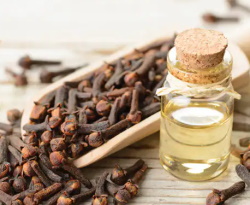 Clove bud is a rich source of polyphenols (Issac 2015). An unpublished randomized, crossover trial in 14 subjects found that a single dose of 250 mg of clove bud extract taken before drinking alcohol led to lower blood alcohol and acetaldehyde concentrations, and less depletion of detoxification enzymes, compared to a control group. Furthermore, those taking clove bud extract experienced less severe hangover symptoms (Spiceuticals 2015). A study in 26 healthy individuals found that consumption of 250 mg of a clove bud extract for 30 days led to increased levels of several endogenous antioxidants, including glutathione, resulting in a reduction in oxidative stress (Johannah 2015). In a rodent study, pre-treatment with clove bud extract protected the stomach linings of rats exposed to high amounts of alcohol for three days. Clove bud extract treatment was also associated with higher levels of gastric glutathione and gastro-protective prostaglandins, and improvement in other markers of oxidative stress (Jin 2016). In another rodent model, rats treated with clove bud extract had increased stomach mucus production and were protected against alcohol-induced stomach ulcers (Santin 2011). Clove bud extracts have also been shown, in a laboratory and rodent study, to have immunomodulatory, anti-inflammatory, and liver-protective effects (Dibazar 2015; El-Hadary 2015).
N-Acetylcysteine
N-acetylcysteine (NAC) is a form of the amino acid cysteine, which is a precursor to the endogenous antioxidant glutathione, along with the amino acids glutamate and glycine. NAC directly binds acetaldehyde (McCarty 2013; Vasdev 1995). In animal research, NAC has been found to reduce alcohol toxicity (McCarty 2013). In a mouse study, the combination of NAC and vitamin C modified the activity of detoxification enzymes and reduced the production of free radicals triggered by alcohol (Leung 2015). In another rat study, administration of NAC resulted in lower levels of alcohol-induced oxidative stress in brain and liver tissues (Ozkol 2016).
Glutathione
Glutathione, an important detoxification compound and antioxidant, is found in cells throughout the body and is highly concentrated in the liver (Chen 2013). Alcohol reduces glutathione levels in the liver, which can lead to liver cell injury and contributes to the development of alcoholic liver disease (Lieber 2003). In a rat study, two weeks of glutathione administration before alcohol exposure led to more efficient clearing and lower peak blood levels of both alcohol and acetaldehyde. Even rats given high-dosage glutathione after alcohol exposure experienced faster clearance of alcohol and acetaldehyde, and lower levels of oxygen free radicals than control rats given water only (Lee 2009).
Vitamin E
 Moderate alcohol consumption has been shown to cause vitamin E status to deteriorate in men (Addolorato 2008) and postmenopausal women (Hartman 2005). One rat study found that gamma-tocopherol in particular was depleted by alcohol consumption (Sadrzadeh 1994). Gamma-tocopherol is one of eight compounds (four tocopherols and four tocotrienols) that together comprise the vitamin E family; gamma-tocopherol is the most common form of vitamin E in food (Dietrich 2006).
Several animal studies have shown that vitamin E treatment decreases markers of chronic alcohol-induced inflammation, oxidative stress, and tissue injury (Das 2010; Sajitha 2010; Kaur 2010; Lee, Kim 2013; Shirpoor 2016). One animal model showed that vitamin E prevented oxidative stress and glutathione depletion after acute alcohol exposure, and this effect was enhanced by concomitant treatment with methylselenocysteine, a form of selenium (Yao 2015). Two additional animal studies found tocotrienols may protect against alcohol-related neurotoxicity (Tiwari 2009; Tiwari 2012).
Selenium
The trace mineral selenium is needed for the proper function of the glutathione peroxidase antioxidant system, and low selenium levels have been observed in people with alcoholic liver disease (Rua 2014). Findings from animal research suggest episodes of heavy drinking can cause a decrease in blood and liver selenium levels, resulting in lower glutathione activity and greater oxidative stress (Ojeda 2015). Other research shows selenium supplementation may prevent these negative effects (Markiewicz-Gorka 2011; Ozkol 2016; Yao 2015).
Grape Seed Extract
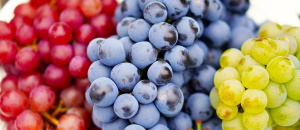 Grape seeds and skins are a rich source of polyphenolic compounds called proanthocyanidins. These compounds are strong neutralizers of tissue-damaging oxygen free radicals (Dogan 2012). In one controlled animal study, rats pre-treated for seven days with grape seed polyphenols prior to acute heavy alcohol exposure experienced a less pronounced rise in blood alcohol and acetaldehyde levels; increased production of endogenous enzymes that protect against oxidative stress; and less of an increase in markers of liver cell damage (Bak 2016). This suggests grape seed polyphenols may mitigate some of the effects of alcohol that contribute to hangover symptoms. In other animal studies, grape seed extract prevented neuronal and liver injury and improved markers of oxidative stress after prolonged alcohol administration (de Freitas 2004; Dogan 2012; Assuncao 2007).
Resveratrol
Resveratrol is a polyphenolic compound found in red wine and the roots of the traditional Asian medicinal plant Polygonum cuspidatum (Japanese knotweed), as well as peanuts, grape skin, and blueberries (Higdon 2015). A wealth of animal research suggests resveratrol may help minimize oxidative stress and related inflammation and tissue damage seen with long-term alcohol consumption (Kasdallah-Grissa 2007; Ajmo 2008; Bujanda 2006). In other animal studies, resveratrol prevented both the loss of learning capacity (Tiwari 2013b; Ranney 2009) and rises in markers of oxidative stress and inflammation observed with chronic alcohol exposure; higher doses of resveratrol were associated with greater protection (Tiwari 2013b).
Vitamin C
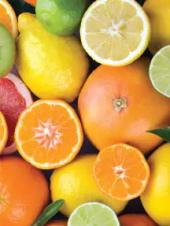 Vitamin C has shown potential as an anti-hangover agent by preventing oxidative stress in the livers of alcohol-fed mice. Vitamin C administration restored liver glutathione levels to normal after alcohol feeding, and blunted alcohol-induced oxidative stress compared with alcohol-fed mice that did not receive vitamin C (Lu 2012). Other studies in rats have suggested vitamin C may protect against alcohol-related tissue damage in neurons (Ambadath 2010), kidneys, and blood vessels (Sonmez 2012; Sonmez 2009).
Milk Thistle
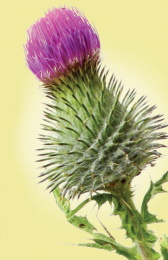 Silymarin, an extract of milk thistle (Silybum marianum) fruit, contains a mixture of flavonoids of which 50–70% is typically silybin (Loguercio 2011). Silymarin and silybin are used mainly to treat conditions of the liver (Federico 2017). Early clinical research suggests milk thistle extracts may reduce damage due to alcoholic cirrhosis. Silymarin and silybin can increase glutathione levels, and animal studies show they activate detoxifying enzymes depleted by alcohol, improving mitochondrial function and moderating alcohol-related liver damage (Federico 2017; Loguercio 2011; Vargas-Mendoza 2014). Silymarin may also protect neurons by decreasing inflammation and oxidative stress in the nervous system (Borah 2013).
Probiotics
Chronic excessive alcohol intake is correlated with bacterial overgrowth in the small intestine and changes in the bacterial population of the large intestine. In addition, alcohol increases permeability of the intestinal lining, allowing bacterial toxins to be absorbed, causing inflammation in the liver and other tissues. Indeed, these effects are now thought to be a major contributor to alcoholic liver disease (Li 2016; Engen 2015; Malaguarnera 2014). In a clinical trial, 66 men suffering from alcoholic psychosis were given a probiotic supplement, with or without standard therapy of abstinence from alcohol plus a multivitamin, for five days. The probiotic contained 90 million colony-forming units of Bifidobacterium bifidum and 900 million colony forming units 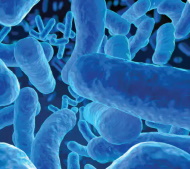 of Lactobacillus plantarum. After just five days of treatment, those who had received probiotics showed some resolution of liver damage, as evidenced by greater reductions in levels of liver enzymes (markers of liver damage); they also showed restoration of healthy intestinal bacteria (Kirpich 2008). Another trial in 117 hospitalized patients found that a abstaining from alcohol and supplementing with a probiotic containing Lactobacillus subtilis and Streptococcus faecium for seven days led to greater improvement in intestinal bacteria and reductions in levels of bacterial toxins and inflammatory cytokines compared with placebo and abstinence (Han 2015).
Further support for the potential role of probiotics in alcohol recovery comes from animal studies that found supplementation with Lactobacillus and Bifidobacterium species may protect against damage to the stomach, such as may be caused by alcohol, through a number of different mechanisms. These include an increase in gastric mucous production and a reduction of gastric inflammation (Suo 2016; Gomi 2013; Khoder 2016), reduced gut hyperpermeability (Wang 2011), and protection against alcohol-related liver cell inflammation and injury (Barone 2016; Tian 2015; Shi 2015; Chiu 2014; Chang 2013; Wang 2013; Bull-Otterson 2013).
Polyenylphosphatidylcholine
Polyenylphosphatidylcholine (PPC) is a mixture of phospholipids found in animal studies to reduce free radical production and prevent alcohol-induced oxidative damage to liver cells (Lieber 2003; Mi 2000; Baraona 2002). In one study, PPC prevented alcohol-induced depletion of liver S-Adenosyl Methionine (SAMe), which was associated with preservation of liver glutathione levels in rats (Aleynik 2003). Phosphatidylcholine, a particular phospholipid in PPC, has been found to prevent alcohol-induced liver fibrosis and cirrhosis in baboons (Lieber 1994). In a subgroup of chronic drinkers who participated in a clinical trial, PPC treatment mitigated the increases in liver enzymes and bilirubin that occurred during the trial; these markers are indices of liver impairment. The participants took 1.5 grams of PPC three times daily, before meals (Lieber, Weiss 2003).
Magnesium
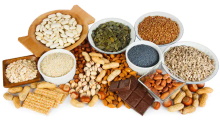 Alcohol consumption rapidly triggers magnesium loss from tissues including the brain and liver. Under the influence of alcohol, this magnesium is lost in the urine, resulting in a tendency towards decreased serum magnesium (Rivlin 1994; Torres 2009; Romani 2008). The resulting overall reduction in magnesium availability causes blood vessels to constrict and may help explain associations between excessive alcohol consumption and hypertension, cardiac problems, and stroke (Romani 2008; Moulin 2015). One clinical report described low blood magnesium levels in five individuals with alcohol-induced headache and hangover, which was successfully treated with intravenous magnesium (Altura 1999). A form of magnesium called magnesium-L-threonate has been shown to elevate brain magnesium levels in animal research. This may represent a strategy for combatting alcohol-induced depletion of brain magnesium, although this has yet to be demonstrated in a clinical trial (Jia 2016).
Lipoic Acid
Lipoic acid is a sulfur-containing compound that increases glutathione levels and neutralizes some types of free radicals (Higdon 2012; Golbidi 2011). Lipoic acid also participates in the recycling of vitamins C and E, mitigates inflammation (Moura 2015), and has been shown in laboratory settings to increase the activity of aldehyde dehydrogenase, which breaks down acetaldehyde (McCarty 2013; Li 2013).
In animal research, rats and mice given lipoic acid showed less motivation to consume alcohol (Peana 2013; Ledesma 2014), and mice treated with lipoic acid before alcohol consumption had lower levels of free radicals in their brain tissue, and showed less alcohol-induced behavioral problems than those treated with alcohol alone (Ledesma 2012).
Melatonin
 Melatonin is a hormone that helps regulate circadian rhythms and induce sleep (Lanfumey 2013), and both drinking and withdrawing from alcohol appear to suppress melatonin production (Schmitz 1996; Peuhkuri 2012). In one animal study, muscle coordination was better during the hangover time period in mice given melatonin for seven days before being exposed to an intoxicating amount of alcohol (Karadayian 2014). Because sleep disturbance appears to be an important factor in alcohol hangover symptoms and severity (Verster 2014; Rohsenow, Howland 2010), improving sleep quality may be a mechanism by which melatonin could reduce some hangover symptoms. In addition, melatonin has a number of other effects that could help prevent hangover and other harms due to alcohol: It modulates the inflammatory response, prevents oxygen-related cellular damage, and may have analgesic effects (Danilov 2016; Hu 2009).
Panax ginseng
Panax ginseng, also known as Korean or Red Ginseng, is a medicinal plant historically used to treat fatigue, increase energy, and build stamina and 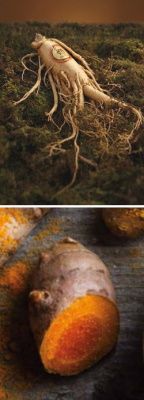 resilience (Kim 2013; Ong 2015). A study on 25 healthy men compared the effect of taking 32 mg of a Panax ginseng root extract dissolved in water along with 100 milliliters of 80 proof whiskey to plain water with the same amount of whiskey. Participants experienced less fatigue, fewer cognitive symptoms, less thirst, and fewer stomach aches after taking ginseng with whiskey than after whiskey and water alone (Lee, Kwak 2014).
Findings from animal research suggest Panax ginseng and its constituents reduce alcohol-related tissue injury by inhibiting oxygen free radical activity and inflammation (Li 2014; Gao 2015), and possibly by increasing rates of alcohol and acetaldehyde clearance from the body (Lee, Kim 2014). In mice, even with acute heavy alcohol exposure, pretreatment with Panax ginseng for seven days reduced liver damage (Ding 2015).
Important active constituents of Panax ginseng called ginsenosides are poorly absorbed in their natural state. However, fermentation has been shown to increase the bioavailability and serum concentration of ginsenosides by about 15 fold. Thus, a fermented Panax ginseng formulation may be a superior choice when considering a ginseng supplement (Jin 2012).
Curcumin
Curcumin, a polyphenolic compound found in the culinary spice turmeric root, has potent anti-inflammatory properties (Gupta 2013). In a preliminary study, seven healthy men drank alcohol with either water alone or a preparation of curcumin and water. Blood acetaldehyde levels were significantly lower in the curcumin group (Sasaki 2011). Also, several animal studies suggest curcumin can reduce alcohol-related oxidative stress, inflammation, and tissue injury (El-Deen 2010; Kandhare 2012; Pyun 2013; Rong 2012; Tiwari 2013a; Varatharajalu 2016).
Taurine
 Taurine is a sulfur-containing amino acid with multiple functions throughout the body, including in the central nervous and cardiovascular systems (Oja 2007). Supplemental taurine, in combination with medicinal herbs, administered to mice exposed to a high amount of alcohol increased their rate of alcohol metabolism, lengthening time to become intoxicated and shortening recovery time (Wu 2013). Taurine also prevented hypertension in rats given large amounts of alcohol for four weeks (Harada 2000). In another study, zebrafish briefly exposed to a single high dose of alcohol had lower brain alcohol levels and showed less anxious behavior if they also received taurine (Rosemberg 2012). Various other animal studies show taurine may prevent alcohol toxicity by reducing oxidative stress, inflammation, and tissue injury (Devi, Anuradha 2010; Devi, Viswanathan 2010; Latchoumycandane 2014).
S-Adenosyl Methionine
S-adenosyl methionine (SAMe) is critical to the formation of the cellular antioxidant glutathione, and also participates in methylation pathways that neutralize homocysteine, a cellular toxin. Alcohol disrupts SAMe formation, and liver SAMe concentrations are depleted in patients with alcoholic liver disease. Fortunately, SAMe supplementation has been found to improve liver function in alcohol-exposed animals and alcoholic humans (Lieber 2003). Investigation using an animal model found SAMe may protect the liver against toxic effects of alcohol in part by improving mitochondrial function in liver tissue (King 2016), in addition to facilitating glutathione synthesis.
Material used with permission of Life Extension. All rights reserved.
- ACG. American College of Gastroenterology. Ulcers and Gastrointestinal Bleeding: Protecting Your Health. http://s3.gi.org/patients/pdfs/ulcerprotect.pdf. Accessed 8/1/2016.
- Addolorato G, Leggio L, Ojetti V, Capristo E, Gasbarrini G, Gasbarrini A. Effects of short-term moderate alcohol administration on oxidative stress and nutritional status in healthy males. Appetite. Jan 2008;50(1):50-56.
- Ajmo JM, Liang X, Rogers CQ, Pennock B, You M. Resveratrol alleviates alcoholic fatty liver in mice. American journal of physiology. Gastrointestinal and liver physiology. Oct 1 2008;295(4):G833-842.
- Aleynik SI, Lieber CS. Polyenylphosphatidylcholine corrects the alcohol-induced hepatic oxidative stress by restoring s-adenosylmethionine. Alcohol Alcohol. May-Jun 2003;38(3):208-212.
- Allison MG, McCurdy MT. Alcoholic metabolic emergencies. Emerg Med Clin North Am. May 2014;32(2):293-301.
- Altura BM, Altura BT. Association of alcohol in brain injury, headaches, and stroke with brain-tissue and serum levels of ionized magnesium: a review of recent findings and mechanisms of action. Alcohol (Fayetteville, N.Y.). Oct 1999;19(2):119-130.
- Ambadath V, Venu RG, Madambath I. Comparative study of the efficacy of ascorbic acid, quercetin, and thiamine for reversing ethanol-induced toxicity. Journal of medicinal food. Dec 2010;13(6):1485-1489.
- AMR. Benfotiamine. Monograph. Alternative medicine review: a journal of clinical therapeutics. Sep 2006a;11(3):238-242.
- AMR. Benfotiamine: Monograph. Alternative Medicine Review: a journal of clinical therapeutics. 2006b;11(1):238-242.
- Arranz S, Chiva-Blanch G, Valderas-Martinez P, Medina-Remon A, Lamuela-Raventos RM, Estruch R. Wine, beer, alcohol and polyphenols on cardiovascular disease and cancer. Nutrients. Jul 2012;4(7):759-781.
- Assuncao M, de Freitas V, Paula-Barbosa M. Grape seed flavanols, but not Port wine, prevent ethanol-induced neuronal lipofuscin formation. Brain Res. Jan 19 2007;1129(1):72-80.
- Bak MJ, Truong VL, Ko SY, Nguyen XN, Ingkasupart P, Jun M, . . . Jeong WS. Antioxidant and Hepatoprotective Effects of Procyanidins from Wild Grape (Vitis amurensis) Seeds in Ethanol-Induced Cells and Rats. International journal of molecular sciences. 2016;17(5): 758. Published online 2016 May 18. Doi: 10.3390/ijms17050758.
- Baraona E, Zeballos GA, Shoichet L, Mak KM, Lieber CS. Ethanol consumption increases nitric oxide production in rats, and its peroxynitrite-mediated toxicity is attenuated by polyenylphosphatidylcholine. Alcohol Clin Exp Res. Jun 2002;26(6):883-889.
- Barone R, Rappa F, Macaluso F, Caruso Bavisotto C, Sangiorgi C, Di Paola G, . . . Marino Gammazza A. Alcoholic Liver Disease: A Mouse Model Reveals Protection by Lactobacillus fermentum. Clin Transl Gastroenterol. 2016;7:e138.
- Basli A, Soulet S, Chaher N, Merillon JM, Chibane M, Monti JP, Richard T. Wine polyphenols: potential agents in neuroprotection. Oxid Med Cell Longev. 2012;2012:805762.
- Bhattacharyya A, Chattopadhyay R, Mitra S, Crowe SE. Oxidative stress: an essential factor in the pathogenesis of gastrointestinal mucosal diseases. Physiological reviews. Apr 2014;94(2):329-354.
- Biswas SK. Does the Interdependence between Oxidative Stress and Inflammation Explain the Antioxidant Paradox? Oxid Med Cell Longev. 2016;2016:5698931.
- Borah A, Paul R, Choudhury S, Choudhury A, Bhuyan B, Das Talukdar A, . . . Mohanakumar KP. Neuroprotective potential of silymarin against CNS disorders: insight into the pathways and molecular mechanisms of action. CNS neuroscience & therapeutics. Nov 2013;19(11):847-853.
- Bujanda L, Garcia-Barcina M, Gutierrez-de Juan V, Bidaurrazaga J, de Luco MF, Gutierrez-Stampa M, . . . Arenas JI. Effect of resveratrol on alcohol-induced mortality and liver lesions in mice. BMC Gastroenterol. 2006;6:35.
- Bull-Otterson L, Feng W, Kirpich I, Wang Y, Qin X, Liu Y, . . . Barve S. Metagenomic analyses of alcohol induced pathogenic alterations in the intestinal microbiome and the effect of Lactobacillus rhamnosus GG treatment. PloS one. 2013;8(1):e53028.
- CDC. Centers for Disease Control and Prevention. Alcohol and Public Health. Fact Sheet - Binge Drinking. https://www.cdc.gov/alcohol/fact-sheets/binge-drinking.htm. Last updated 10/16/2015. Accessed 6/2/2017. Cederbaum AI. Alcohol metabolism. Clinics in liver disease. Nov 2012;16(4):667-685.
- Ceron CS, Marchi KC, Muniz JJ, Tirapelli CR. Vascular oxidative stress: a key factor in the development of hypertension associated with ethanol consumption. Current hypertension reviews. 2014;10(4):213-222.
- Chang B, Sang L, Wang Y, Tong J, Zhang D, Wang B. The protective effect of VSL#3 on intestinal permeability in a rat model of alcoholic intestinal injury. BMC Gastroenterol. 2013;13:151.
- Chen WM, Shaw LH, Chang PJ, Tung SY, Chang TS, Shen CH, . . . Wei KL. Hepatoprotective effect of resveratrol against ethanol-induced oxidative stress through induction of superoxide dismutase and. Experimental and therapeutic medicine. Apr 2016;11(4):1231-1238.
- Chen Y, Dong H, Thompson DC, Shertzer HG, Nebert DW, Vasiliou V. Glutathione defense mechanism in liver injury: insights from animal models. Food and chemical toxicology : an international journal published for the British Industrial Biological Research Association. Oct 2013;60:38-44.
- Chi Y, Sauve AA. Nicotinamide riboside, a trace nutrient in foods, is a vitamin B3 with effects on energy metabolism and neuroprotection. Current opinion in clinical nutrition and metabolic care. Nov 2013;16(6):657-661.
- Chiu YH, Tsai JJ, Lin SL, Lin MY. Lactobacillus casei MYL01 modulates the proinflammatory state induced by ethanol in an in vitro model. J Dairy Sci. 2014;97(4):2009-2016.
- Clausen J, Nielsen SA. Comparison of whole blood selenium values and erythrocyte glutathione peroxidase activities of normal individuals on supplementation with selenate, selenite, L-selenomethionine, and high selenium yeast. Biol Trace Elem Res. Jan-Apr 1988;15:125-138.
- Costardi JV, Nampo RA, Silva GL, Ribeiro MA, Stella HJ, Stella MB, Malheiros SV. A review on alcohol: from the central action mechanism to chemical dependency. Rev Assoc Med Bras. Aug 2015;61(4):381-387.
- Danilov A, Kurganova J. Melatonin in Chronic Pain Syndromes. Pain and therapy. Mar 16 2016.
- Dantzer R, Kelley KW. Twenty years of research on cytokine-induced sickness behavior. Brain Behav Immun. Feb 2007;21(2):153-160.
- Das SK, Mukherjee S, Gupta G, Rao DN, Vasudevan DM. Protective effect of resveratrol and vitamin E against ethanol-induced oxidative damage in mice: biochemical and immunological basis. Indian journal of biochemistry & biophysics. Feb 2010;47(1):32-37.
- Day E, Bentham PW, Callaghan R, Kuruvilla T, George S. Thiamine for prevention and treatment of Wernicke-Korsakoff Syndrome in people who abuse alcohol. The Cochrane database of systematic reviews. 2013(7):Cd004033.
- de Freitas V, da Silva Porto P, Assuncao M, Cadete-Leite A, Andrade JP, Paula-Barbosa MM. Flavonoids from grape seeds prevent increased alcohol-induced neuronal lipofuscin formation. Alcohol Alcohol. Jul-Aug 2004;39(4):303-311.
- Devi SL, Anuradha CV. Oxidative and nitrosative stress in experimental rat liver fibrosis: Protective effect of taurine. Environmental toxicology and pharmacology. Mar 2010;29(2):104-110.
- Devi SL, Viswanathan P, Anuradha CV. Regression of liver fibrosis by taurine in rats fed alcohol: effects on collagen accumulation, selected cytokines and stellate cell activation. European journal of pharmacology. Nov 25 2010;647(1-3):161-170.
- Dibazar SP, Fateh S, Daneshmandi S. Immunomodulatory effects of clove (Syzygium aromaticum) constituents on macrophages: in vitro evaluations of aqueous and ethanolic components. Journal of immunotoxicology. Apr-Jun 2015;12(2):124-131.
- Dietrich M, Traber MG, Jacques PF, Cross CE, Hu Y, Block G. Does gamma-tocopherol play a role in the primary prevention of heart disease and cancer? A review. J Am Coll Nutr. Aug 2006;25(4):292-299.
- Ding RB, Tian K, Cao YW, Bao JL, Wang M, He C, . . . Wan JB. Protective effect of panax notoginseng saponins on acute ethanol-induced liver injury is associated with ameliorating hepatic lipid accumulation and reducing ethanol-mediated oxidative stress. Journal of agricultural and food chemistry. Mar 11 2015;63(9):2413-2422.
- Dogan A, Celik I. Hepatoprotective and antioxidant activities of grapeseeds against ethanol-induced oxidative stress in rats. The British journal of nutrition. Jan 2012;107(1):45-51.
- El-Deen NA, Eid M. Efficacy of curcumin to reduce hepatic damage induced by alcohol and thermally treated oil in rats. Veterinaria italiana. Jan-Mar 2010;46(1):83-92.
- El-Hadary AE, Ramadan Hassanien MF. Hepatoprotective effect of cold-pressed Syzygium aromaticum oil against carbon tetrachloride (CCl)-induced hepatotoxicity in rats. Pharmaceutical biology. Oct 6 2015:1-9.
- Engen PA, Green SJ, Voigt RM, Forsyth CB, Keshavarzian A. The Gastrointestinal Microbiome: Alcohol Effects on the Composition of Intestinal Microbiota. Alcohol research: current reviews. 2015;37(2):223-236.
- Erath D, Haffner HT. [Traffic accidents in alcoholic intoxication]. Blutalkohol. Mar 1996;33(2):57-64.
- Federico A, Cotticelli G, Festi D, Schiumerini R, Addolorato G, Ferrulli A, . . . Loguercio C. The effects of alcohol on gastrointestinal tract, liver and pancreas: evidence-based suggestions for clinical management. European review for medical and pharmacological sciences. May 2015;19(10):1922-1940.
- Federico A, Dallio M, Loguercio C. Silymarin/Silybin and Chronic Liver Disease: A Marriage of Many Years. Molecules. Jan 24 2017;22(2).
- Fernandez-Sola J. Cardiovascular risks and benefits of moderate and heavy alcohol consumption. Nature reviews. Cardiology. Oct 2015;12(10):576-587.
- Gao Y, Chu S, Li J, Li J, Zhang Z, Xia C, . . . Chen N. Anti-inflammatory function of ginsenoside Rg1 on alcoholic hepatitis through glucocorticoid
- receptor related nuclear factor-kappa B pathway. Journal of ethnopharmacology. Sep 15 2015;173:231-240.
- Golbidi S, Badran M, Laher I. Diabetes and Alpha Lipoic Acid. Frontiers in pharmacology. 2011;2:69.
- Gomi A, Harima-Mizusawa N, Shibahara-Sone H, Kano M, Miyazaki K, Ishikawa F. Effect of Bifidobacterium bifidum BF-1 on gastric protection and mucin production in an acute gastric injury rat model. J Dairy Sci. Feb 2013;96(2):832-837.
- Gonzalez-Reimers E, Santolaria-Fernandez F, Martin-Gonzalez MC, Fernandez-Rodriguez CM, Quintero-Platt G. Alcoholism: a systemic proinflammatory condition. World journal of gastroenterology: WJG. Oct 28 2014;20(40):14660-14671.
- Gruenewald PJ, Mair C. Heterogeneous dose-response and college student drinking: examining problem risks related to low drinking levels. Addiction (Abingdon, England). Jun 2015;110(6):945-954.
- Gundermann KJ, Kuenker A, Kuntz E, Drozdzik M. Activity of essential phospholipids (EPL) from soybean in liver diseases. Pharmacological reports: PR. 2011;63(3):643-659.
- Gupta SC, Patchva S, Aggarwal BB. Therapeutic roles of curcumin: lessons learned from clinical trials. The AAPS journal. Jan 2013;15(1):195-218.
- Han KH, Hashimoto N, Fukushima M. Relationships among alcoholic liver disease, antioxidants, and antioxidant enzymes. World journal of gastroenterology: WJG. Jan 7 2016;22(1):37-49.
- Han SH, Suk KT, Kim DJ, Kim MY, Baik SK, Kim YD, . . . Kim EJ. Effects of probiotics (cultured Lactobacillus subtilis/Streptococcus faecium) in the treatment of alcoholic hepatitis: randomized-controlled multicenter study. European journal of gastroenterology & hepatology. Nov 2015;27(11):1300-1306.
- Harada H, Kitazaki K, Tsujino T, Watari Y, Iwata S, Nonaka H, . . . Yokoyama M. Oral taurine supplementation prevents the development of ethanol-induced hypertension in rats. Hypertension research: official journal of the Japanese Society of Hypertension. May 2000;23(3):277-284.
- Hartman TJ, Baer DJ, Graham LB, Stone WL, Gunter EW, Parker CE, . . . Taylor PR. Moderate alcohol consumption and levels of antioxidant vitamins and isoprostanes in postmenopausal women. European journal of clinical nutrition. Feb 2005;59(2):161-168.
- Higdon J. Linus Pauling Institute. Micronutrient Information Center. Resveratrol. http://lpi.oregonstate.edu/mic/dietary-factors/phytochemicals/resveratrol. Last updated 5/2015. Accessed 8/1/2016.
- Higdon J, Drake V, Hagen T. Linus Pauling Institute. Micronutrient Information Center. Lipoic Acid. http://lpi.oregonstate.edu/mic/dietary-factors/lipoic-acid. Last updated 1/2012. Accessed 9/1/2015.
- Howland J, Rohsenow DJ, Bliss CA, Almeida AB, Calise TV, Heeren T, Winter M. Hangover Predicts Residual Alcohol Effects on Psychomotor Vigilance the Morning After Intoxication. Journal of addiction research & therapy. Aug 23 2010;1(101).
- Hu S, Yin S, Jiang X, Huang D, Shen G. Melatonin protects against alcoholic liver injury by attenuating oxidative stress, inflammatory response, and apoptosis. European journal of pharmacology. Aug 15 2009;616(1-3):287-292.
- Huntley G, Treloar H, Blanchard A, Monti PM, Carey KB, Rohsenow DJ, Miranda R. An event-level investigation of hangovers' relationship to age and drinking. Experimental and clinical psychopharmacology. Oct 2015;23(5):314-323.
- Issac A, Gopakumar G, Kuttan R, Maliakel B, Krishnakumar IM. Safety and anti-ulcerogenic activity of a novel polyphenol-rich extract of clove buds (Syzygium aromaticum L). Food & function. Mar 2015;6(3):842-852.
- Jackson KM, Rohsenow DJ, Piasecki TM, Howland J, Richardson AE. Role of tobacco smoking in hangover symptoms among university students. Journal of studies on alcohol and drugs. Jan 2013;74(1):41-49.
- Jia S, Liu Y, Shi Y, Ma Y, Hu Y, Wang M, Li X. Elevation of Brain Magnesium Potentiates Neural Stem Cell Proliferation in the Hippocampus of Young and Aged Mice. J Cell Physiol. Sep 2016;231(9):1903-1912.
- Jin H, Seo JH, Uhm YK, Jung CY, Lee SK, Yim SV. Pharmacokinetic comparison of ginsenoside metabolite IH-901 from fermented and non-fermented ginseng in healthy Korean volunteers. Journal of ethnopharmacology. Jan 31 2012;139(2):664-667.
- Jin SE, Lee MY, Shin IS, Jeon WY, Ha H. Syzygium aromaticum water extract attenuates ethanolinduced gastric injury through antioxidant effects in rats. Molecular medicine reports. May 13 2016.
- Johannah NM, Renny RM, Gopakumar G, Balu M, Sureshkumar D, Krishnakumar IM, Im K. Beyond the flavour: a de-flavoured polyphenol rich extract of clove buds (Syzygium aromaticum L) as a novel dietary antioxidant ingredient. Food Funct. Oct 2015;6(10):3373-3382.
- Kandhare AD, Raygude KS, Ghosh P, Ghule AE, Bodhankar SL. Therapeutic role of curcumin in prevention of biochemical and behavioral aberration induced by alcoholic neuropathy in laboratory animals. Neuroscience letters. Mar 5 2012;511(1):18-22.
- Karadayian AG, Bustamante J, Czerniczyniec A, Cutrera RA, Lores-Arnaiz S. Effect of melatonin on motor performance and brain cortex mitochondrial function during ethanol hangover. Neuroscience. Jun 6 2014;269:281-289.
- Kasdallah-Grissa A, Mornagui B, Aouani E, Hammami M, El May M, Gharbi N, . . . El-Fazaa S. Resveratrol, a red wine polyphenol,
- attenuates
- ethanol-induced oxidative stress in rat liver. Life sciences. Feb 20 2007;80(11):1033-1039.
- Kaufman DW, Kelly JP, Wiholm BE, Laszlo A, Sheehan JE, Koff RS, Shapiro S. The risk of acute major upper gastrointestinal bleeding among users of aspirin and ibuprofen at various levels of alcohol consumption. The American journal of gastroenterology. Nov 1999;94(11):3189-3196.
- Kaur J, Shalini S, Bansal MP. Influence of vitamin E on alcohol-induced changes in antioxidant defenses in mice liver. Toxicology mechanisms and methods. Feb 2010;20(2):82-89.
- Kawaratani H, Tsujimoto T, Douhara A, Takaya H, Moriya K, Namisaki T, . . . Fukui H. The effect of inflammatory cytokines in alcoholic liver disease. Mediators Inflamm. 2013;2013:495156.
- Khan MA, Jensen K, Krogh HJ. Alcohol-induced hangover. A double-blind comparison of pyritinol and placebo in preventing hangover symptoms. Quarterly journal of studies on alcohol. Dec 1973;34(4):1195-1201.
- Khoder G, Al-Menhali AA, Al-Yassir F, Karam SM. Potential role of probiotics in the management of gastric ulcer. Experimental and therapeutic medicine. Jul 2016;12(1):3-17.
- Kim HG, Cho JH, Yoo SR, Lee JS, Han JM, Lee NH, . . . Son CG. Antifatigue effects of Panax ginseng C.A. Meyer: a randomised, double-blind, placebo-controlled trial. PloS one. 2013;8(4):e61271.
- King AL, Mantena SK, Andringa KK, Millender-Swain T, Dunham-Snary KJ, Oliva CR, . . . Bailey SM. The methyl donor S-adenosylmethionine prevents liver hypoxia and dysregulation of mitochondrial bioenergetic function in a rat model of alcohol-induced fatty liver disease. Redox biology. Oct 2016;9:188-197
- Kirpich IA, Solovieva NV, Leikhter SN, Shidakova NA, Lebedeva OV, Sidorov PI, . . . Cave M. Probiotics restore bowel flora and improve liver enzymes in human alcohol-induced liver injury: a pilot study. Alcohol (Fayetteville, N.Y.). Dec 2008;42(8):675-682.
- Kruman II, Fowler AK. Impaired one carbon metabolism and DNA methylation in alcohol toxicity. Journal of neurochemistry. Jun 2014;129(5):770-780.
- Lanfumey L, Mongeau R, Hamon M. Biological rhythms and melatonin in mood disorders and their treatments. Pharmacology & therapeutics. 2013;138(2):176-184.
- Latchoumycandane C, Nagy LE, McIntyre TM. Chronic ethanol ingestion induces oxidative kidney injury through taurine-inhibitable inflammation. Free radical biology & medicine. Apr 2014;69:403-416.
- Ledesma JC, Aragon CM. alpha-Lipoic acid, a scavenging agent for H(2)O(2), reduces ethanol-stimulated locomotion in mice. Psychopharmacology (Berl). Jan 2012;219(1):171-180.
- Ledesma JC, Balino P, Aragon CM. Reduction in central H2O2 levels prevents voluntary ethanol intake in mice: a role for the brain catalase-H2O2 system in alcohol binge drinking. Alcohol Clin Exp Res. Jan 2014;38(1):60-67.
- Lee DI, Kim ST, Lee DH, Yu JM, Jang SK, Joo SS. Ginsenoside-free molecules from steam-dried ginseng berry promote ethanol metabolism: an alternative choice for an alcohol hangover. J Food Sci. Jul 2014;79(7):C1323-1330.
- Lee HS, Song J, Kim TM, Joo SS, Park D, Jeon JH, . . . Kim YB. Effects of a preparation of combined glutathione-enriched yeast and rice embryo/soybean extracts on ethanol hangover. Journal of medicinal food. Dec 2009;12(6):1359-1367.
- Lee MH, Kwak JH, Jeon G, Lee JW, Seo JH, Lee HS, Lee JH. Red ginseng relieves the effects of alcohol consumption and hangover symptoms in healthy men: a randomized crossover study. Food Funct. Mar 2014;5(3):528-534.
- Lee SJ, Kim SY, Min H. Effects of vitamin C and E supplementation on oxidative stress and liver toxicity in rats fed a low-fat ethanol diet. Nutrition research and practice. Apr 2013;7(2):109-114.
- Lee YP, Liao JT, Cheng YW, Wu TL, Lee SL, Liu JK, Yin SJ. Inhibition of human alcohol and aldehyde dehydrogenases by acetaminophen: Assessment of the effects on first-pass metabolism of ethanol. Alcohol (Fayetteville, N.Y.). Nov 2013;47(7):559-565.
- Leung TM, Lu Y. Alcoholic liver disease: from CYP2E1 to CYP2A5. Current molecular pharmacology. Aug 17 2015.
- Li F, Duan K, Wang C, McClain C, Feng W. Probiotics and Alcoholic Liver Disease: Treatment and Potential Mechanisms. Gastroenterology research and practice. 2016;2016:5491465.
- Li JP, Gao Y, Chu SF, Zhang Z, Xia CY, Mou Z, . . . Chen NH. Nrf2 pathway activation contributes to anti-fibrosis effects of ginsenoside Rg1 in a rat model of alcohol- and CCl4-induced hepatic fibrosis. Acta pharmacologica Sinica. Aug 2014;35(8):1031-1044.
- Li RJ, Ji WQ, Pang JJ, Wang JL, Chen YG, Zhang Y. Alpha-lipoic acid ameliorates oxidative stress by increasing aldehyde dehydrogenase-2 activity in patients with acute coronary syndrome. The Tohoku journal of experimental medicine. 2013;229(1):45-51.
- Liang J, Olsen RW. Alcohol use disorders and current pharmacological therapies: the role of GABA(A) receptors. Acta pharmacologica Sinica. Aug 2014;35(8):981-993.
- Lieber CS. Relationships between nutrition, alcohol use, and liver disease. Alcohol Res Health. 2003;27(3):220-231.
- Lieber CS, Robins SJ, Li J, DeCarli LM, Mak KM, Fasulo JM, Leo MA. Phosphatidylcholine protects against fibrosis and cirrhosis in the baboon. Gastroenterology. Jan 1994;106(1):152-159.
- Lieber CS, Weiss DG, Groszmann R, Paronetto F, Schenker S. II. Veterans Affairs Cooperative Study of polyenylphosphatidylcholine in alcoholic liver disease. Alcohol Clin Exp Res. Nov 2003;27(11):1765-1772.
- Loguercio C, Festi D. Silybin and the liver: from basic research to clinical practice. World journal of gastroenterology: WJG. May 14 2011;17(18):2288-2301.
- Lu Y, Zhang XH, Cederbaum AI. Ethanol induction of CYP2A5: role of CYP2E1-ROS-Nrf2 pathway. Toxicological sciences: an official journal of the Society of Toxicology. Aug 2012;128(2):427-438.
- Malaguarnera G, Giordano M, Nunnari G, Bertino G, Malaguarnera M. Gut microbiota in alcoholic liver disease: pathogenetic role and therapeutic perspectives. World journal of gastroenterology: WJG. Nov 28 2014;20(44):16639-16648.
- Manzardo AM, Pendleton T, Poje A, Penick EC, Butler MG. Change in psychiatric symptomatology after benfotiamine treatment in males is related to lifetime alcoholism severity. Drug and alcohol dependence. Jul 01 2015;152:257-263.
- Manzo-Avalos S, Saavedra-Molina A. Cellular and mitochondrial effects of alcohol consumption. International journal of environmental research and public health. Dec 2010;7(12):4281-4304.
- Markiewicz-Gorka I, Zawadzki M, Januszewska L, Hombek-Urban K, Pawlas K. Influence of selenium and/or magnesium on alleviation alcohol induced oxidative stress in rats, normalization function of liver and changes in serum lipid parameters. Human & experimental toxicology. Nov 2011;30(11):1811-1827.
- Mayo Clinic. Diseases and Conditions: Hangovers. Available at http://www.mayoclinic.org/diseases-conditions/hangovers/basics/definition/con-20025464?p=1. Last updated 12/20/2014. Accessed 05/09/2016. 2014.
- McCarty MF. Nutraceutical strategies for ameliorating the toxic effects of alcohol. Med Hypotheses. Apr 2013;80(4):456-462.
- McKinney A, Coyle K, Verster J. Direct comparison of the cognitive effects of acute alcohol with the morning after a normal night's drinking. Human psychopharmacology. May 2012;27(3):295-304.
- Medici V, Halsted CH. Folate, alcohol, and liver disease. Mol Nutr Food Res. Apr 2013;57(4):596-606.
- Mi LJ, Mak KM, Lieber CS. Attenuation of alcohol-induced apoptosis of hepatocytes in rat livers by polyenylphosphatidylcholine (PPC). Alcohol Clin Exp Res. Feb 2000;24(2):207-212.
- Min JA, Lee K, Ki DJ. The application of minerals in managing alcohol hangover: a preliminary review. Current drug abuse reviews. Jun 2010;3(2):110-115.
- Moore AA, Whiteman EJ, Ward KT. Risks of combined alcohol/medication use in older adults. The American journal of geriatric pharmacotherapy. Mar 2007;5(1):64-74.
- Moore N, Pollack C, Butkerait P. Adverse drug reactions and drug-drug interactions with over-the-counter NSAIDs. Therapeutics and clinical risk management. 2015;11:1061-1075.
- Moulin SR, Mill JG, Rosa WC, Hermisdorf SR, Caldeira Lda C, Zago-Gomes EM. QT interval prolongation associated with low magnesium in chronic alcoholics. Drug and alcohol dependence. Oct 1 2015;155:195-201.
- Moura FA, de Andrade KQ, dos Santos JC, Goulart MO. Lipoic Acid: its antioxidant and anti-inflammatory role and clinical applications. Current topics in medicinal chemistry. 2015;15(5):458-483.
- Munukutla S, Pan G, Deshpande M, Thandavarayan RA, Krishnamurthy P, Palaniyandi SS. Alcohol Toxicity in Diabetes and Its Complications: A Double Trouble? Alcoholism: Clinical and Experimental Research. 2016;40(4):686-697.
- NIH. National Institues of Health. National Institute on Alcohol Abuse and Alcoholism. Alcohol overdose: The dangers of drinking too much. Available at http://pubs.niaaa.nih.gov/publications/AlcoholOverdoseFactsheet/Overdosefact.htm. 10/2015. Accessed 10/28/2016.
- NIH. National Institute of Health. National Institute on Alcohol Abuse and Alcoholism. Rethinking Drinking: Alchol and your health. http://pubs.niaaa.nih.gov/publications/RethinkingDrinking/Rethinking_Drinking.pdf. Last updated 5/2016. Accessed 6/23/2016.
- O'Keefe JH, Bhatti SK, Bajwa A, DiNicolantonio JJ, Lavie CJ. Alcohol and cardiovascular health: the dose makes the poison...or the remedy. Mayo Clinic proceedings. Mar 2014;89(3):382-393.
- Oja SS, Saransaari P. Pharmacology of taurine. Proceedings of the Western Pharmacology Society. 2007;50:8-15.
- Ojeda ML, Rua RM, Murillo ML, Carreras O, Nogales F. Binge drinking during adolescence disrupts Se homeostasis and its main hepatic selenoprotein expression. Alcohol Clin Exp Res. May 2015;39(5):818-826.
- Ong WY, Farooqui T, Koh HL, Farooqui AA, Ling EA. Protective effects of ginseng on neurological disorders. Front Aging Neurosci. 2015;7:129.
- Ozkol H, Bulut G, Balahoroglu R, Tuluce Y, Ozkol HU. Protective Effects of Selenium, N-Acetylcysteine and Vitamin E Against Acute Ethanol Intoxication in Rats. Biol Trace Elem Res. Jun 1 2016.
- Park WS, Lee J, Hong T, Park G, Youn S, Seo Y, . . . Han S. Comparative Pharmacokinetic Analysis of Thiamine and Its Phosphorylated Metabolites Administered as Multivitamin Preparations. Clin Ther. Oct 2016;38(10):2277-2285.
- Paton A. Alcohol in the body. BMJ (Clinical research ed.). Jan 8 2005;330(7482):85-87.
- Peana AT, Muggironi G, Fois G, Diana M. Alpha-lipoic acid reduces ethanol self-administration in rats. Alcohol Clin Exp Res. Nov 2013;37(11):1816-1822.
- Penning R, McKinney A, Verster JC. Alcohol hangover symptoms and their contribution to the overall hangover severity. Alcohol Alcohol. May-Jun 2012;47(3):248-252.
- Penning R, van Nuland M, Fliervoet LA, Olivier B, Verster JC. The pathology of alcohol hangover. Current drug abuse reviews. Jun 2010;3(2):68-75.
- Peuhkuri K, Sihvola N, Korpela R. Dietary factors and fluctuating levels of melatonin. Food Nutr Res. 2012;56.
- Piasecki TM, Robertson BM, Epler AJ. Hangover and risk for alcohol use disorders: existing evidence and potential mechanisms. Current drug abuse reviews. Jun 2010;3(2):92-102.
- Piasecki TM, Sher KJ, Slutske WS, Jackson KM. Hangover frequency and risk for alcohol use disorders: evidence from a longitudinal high-risk study. Journal of abnormal psychology. May 2005;114(2):223-234.
- Pittler MH, Verster JC, Ernst E. Interventions for preventing or treating alcohol hangover: systematic review of randomised controlled trials. BMJ (Clinical research ed.). Dec 24 2005;331(7531):1515-1518.
- Portari GV, Vannucchi H, Jordao AA, Jr. Liver, plasma and erythrocyte levels of thiamine and its phosphate esters in rats with acute ethanol intoxication: a comparison of thiamine and benfotiamine administration. European journal of pharmaceutical sciences: official journal of the European Federation for Pharmaceutical Sciences. Mar 12 2013;48(4-5):799-802.
- Prat G, Adan A, Sanchez-Turet M. Alcohol hangover: a critical review of explanatory factors. Human psychopharmacology. Jun 2009;24(4):259-267.
- Puntarulo S, Stoyanovsky DA, Cederbaum AI. Interaction of 1-hydroxyethyl radical with antioxidant enzymes. Archives of biochemistry and biophysics. Dec 15 1999;372(2):355-359.
- Pyun CW, Han KH, Hong GE, Lee CH. Effect of curcumin on the increase in hepatic or brain phosphatidylcholine hydroperoxide levels in mice after consumption of excessive alcohol. Biomed Res Int. 2013;2013:242671.
- Ranney A, Petro MS. Resveratrol protects spatial learning in middle-aged C57BL/6 mice from effects of ethanol. Behavioural pharmacology. Jul 2009;20(4):330-336.
- Rivlin RS. Magnesium deficiency and alcohol intake: mechanisms, clinical significance and possible relation to cancer development (a review). J Am Coll Nutr. Oct 1994;13(5):416-423.
- Roes EM, Raijmakers MT, Peters WH, Steegers EA. Effects of oral N-acetylcysteine on plasma homocysteine and whole blood glutathione levels in healthy, non-pregnant women. Clinical chemistry and laboratory medicine: CCLM / FESCC. May 2002;40(5):496-498.
- Rohsenow DJ, Howland J. The role of beverage congeners in hangover and other residual effects of alcohol intoxication: a review. Current drug abuse reviews. Jun 2010;3(2):76-79.
- Rohsenow DJ, Howland J, Arnedt JT, Almeida AB, Greece J, Minsky S, . . . Sales S. Intoxication with bourbon versus vodka: effects on hangover, sleep, and next-day neurocognitive performance in young adults. Alcohol Clin Exp Res. Mar 1 2010;34(3):509-518.
- Romani AM. Magnesium homeostasis and alcohol consumption. Magnesium research : official organ of the International Society for the Development of Research on Magnesium. Dec 2008;21(4):197-204.
- Rong S, Zhao Y, Bao W, Xiao X, Wang D, Nussler AK, . . . Liu L. Curcumin prevents chronic alcohol-induced liver disease involving decreasing ROS generation and enhancing antioxidative capacity. Phytomedicine: international journal of phytotherapy and phytopharmacology. Apr 15 2012;19(6):545-550.
- Ronis MJ, Butura A, Sampey BP, Shankar K, Prior RL, Korourian S, . . . Badger TM. Effects of N-acetylcysteine on ethanol-induced hepatotoxicity in rats fed via total enteral nutrition. Free radical biology & medicine. Sep 1 2005;39(5):619-630.
- Rosemberg DB, Braga MM, Rico EP, Loss CM, Cordova SD, Mussulini BH, . . . Souza DO. Behavioral effects of taurine pretreatment in zebrafish acutely exposed to ethanol. Neuropharmacology. Sep 2012;63(4):613-623.
- Rua RM, Ojeda ML, Nogales F, Rubio JM, Romero-Gomez M, Funuyet J, . . . Carreras O. Serum selenium levels and oxidative balance as differential markers in hepatic damage caused by alcohol. Life sciences. Jan 17 2014;94(2):158-163.
- Sadrzadeh SM, Nanji AA, Meydani M. Effect of chronic ethanol feeding on plasma and liver alpha- and gamma-tocopherol levels in normal and vitamin E-deficient rats. Relationship to lipid peroxidation. Biochemical pharmacology. Jun 1 1994;47(11):2005-2010.
- Said HM. Intestinal absorption of water-soluble vitamins in health and disease. The Biochemical journal. Aug 1 2011;437(3):357-372.
- Sajitha GR, Jose R, Andrews A, Ajantha KG, Augustine P, Augusti KT. Garlic Oil and Vitamin E Prevent the Adverse Effects of Lead Acetate and Ethanol Separately as well as in Combination in the Drinking Water of Rats. Indian J Clin Biochem. Jul 2010;25(3):280-288.
- Saleem TS, Basha SD. Red wine: A drink to your heart. Journal of cardiovascular disease research. Oct 2010;1(4):171-176.
- Santin JR, Lemos M, Klein-Junior LC, Machado ID, Costa P, de Oliveira AP, . . . de Andrade SF. Gastroprotective activity of essential oil of the Syzygium aromaticum and its major component eugenol in different animal models. Naunyn-Schmiedeberg's archives of pharmacology. Feb 2011;383(2):149-158.
- Saraswat B, Visen PK, Patnaik GK, Dhawan BN. Ex vivo and in vivo investigations of picroliv from Picrorhiza kurroa in an alcohol intoxication model in rats. Journal of ethnopharmacology. Sep 1999;66(3):263-269.
- Sasaki H, Sunagawa Y, Takahashi K, Imaizumi A, Fukuda H, Hashimoto T, . . . Morimoto T. Innovative preparation of curcumin for improved oral bioavailability. Biological & pharmaceutical bulletin. 2011;34(5):660-665.
- Schmitz MM, Sepandj A, Pichler PM, Rudas S. Disrupted melatonin-secretion during alcohol withdrawal. Progress in neuro-psychopharmacology & biological psychiatry. Aug 1996;20(6):983-995.
- Shi X, Wei X, Yin X, Wang Y, Zhang M, Zhao C, . . . Zhang X. Hepatic and fecal metabolomic analysis of the effects of Lactobacillus rhamnosus GG on alcoholic fatty liver disease in mice. Journal of proteome research. Feb 6 2015;14(2):1174-1182.
- Shield KD, Parry C, Rehm J. Chronic diseases and conditions related to alcohol use. Alcohol research: current reviews. 2013;35(2):155-173.
- Shirpoor A, Barmaki H, Khadem Ansari M, Lkhanizadeh B, Barmaki H. Protective effect of vitamin E against ethanol-induced small intestine damage in rats. Biomedicine & pharmacotherapy = Biomedecine & pharmacotherapie. Mar 2016;78:150-155.
- Silva P, Fernandes E, Carvalho F. Dual effect of red wine on liver redox status: a concise and mechanistic review. Archives of toxicology. Oct 2015;89(10):1681-1693.
- Slutske WS, Piasecki TM, Nathanson L, Statham DJ, Martin NG. Genetic influences on alcohol-related hangover. Addiction (Abingdon, England). Dec 2014;109(12):2027-2034.
- Sonmez MF, Narin F, Akkus D, Turkmen AB. Melatonin and vitamin C ameliorate alcohol-induced oxidative stress and eNOS expression in rat kidney. Renal failure. 2012;34(4):480-486.
- Sonmez MF, Narin F, Balcioglu E. Melatonin and vitamin C attenuates alcohol-induced oxidative stress in aorta. Basic Clin Pharmacol Toxicol. Dec 2009;105(6):410-415.
- Spiceuticals. Effect of Clovinol on alcohol induced hangover - a randomized crossover study. 2015. Unpublished manuscript.
- Steiner JL, Crowell KT, Lang CH. Impact of Alcohol on Glycemic Control and Insulin Action. Biomolecules. 2015;5(4):2223-2246.
- Stoyanovsky DA, Wu D, Cederbaum AI. Interaction of 1-hydroxyethyl radical with glutathione, ascorbic acid and alpha-tocopherol. Free radical biology & medicine. Jan 1 1998;24(1):132-138.
- Suo H, Zhao X, Qian Y, Sun P, Zhu K, Li J, Sun B. Lactobacillus fermentum Suo Attenuates HCl/Ethanol Induced Gastric Injury in Mice through Its Antioxidant Effects. Nutrients. 2016;8(3).
- Suzuki A, Yuen N, Walsh J, Papay J, Hunt CM, Diehl AM. Co-medications that modulate liver injury and repair influence clinical outcome of acetaminophen-associated liver injury. Clinical gastroenterology and hepatology: the official clinical practice journal of the American Gastroenterological Association. Aug 2009;7(8):882-888.
- Tayie FA, Beck GL. Alcoholic beverage consumption contributes to caloric and moisture intakes and body weight status. Nutrition (Burbank, Los Angeles County, Calif.). Jul-Aug 2016;32(7-8):799-805.
- Tian F, Chi F, Wang G, Liu X, Zhang Q, Chen Y, . . . Chen W. Lactobacillus rhamnosus CCFM1107 treatment ameliorates alcohol-induced liver injury in a mouse model of chronic alcohol feeding. Journal of microbiology (Seoul, Korea). Dec 2015;53(12):856-863.
- Tiwari V, Chopra K. Protective effect of curcumin against chronic alcohol-induced cognitive deficits and neuroinflammation in the adult rat brain. Neuroscience. Aug 6 2013a;244:147-158.
- Tiwari V, Chopra K. Resveratrol abrogates alcohol-induced cognitive deficits by attenuating oxidative-nitrosative stress and inflammatory cascade in the adult rat brain. Neurochemistry international. May 2013b;62(6):861-869.
- Tiwari V, Kuhad A, Chopra K. Neuroprotective effect of vitamin E isoforms against chronic alcohol-induced peripheral neurotoxicity: possible involvement of oxidative-nitrodative stress. Phytotherapy research: PTR. Nov 2012;26(11):1738-1745.
- Tiwari V, Kuhad A, Chopra K. Tocotrienol ameliorates behavioral and biochemical alterations in the rat model of alcoholic neuropathy. Pain. Sep 2009;145(1-2):129-135.
- Tolstrup JS, Stephens R, Gronbaek M. Does the severity of hangovers decline with age? Survey of the incidence of hangover in different age groups. Alcohol Clin Exp Res. Feb 2014;38(2):466-470.
- Torres LM, Cefaratti C, Berti-Mattera L, Romani A. Delayed restoration of Mg2+ content and transport in liver cells following ethanol withdrawal. American journal of physiology. Gastrointestinal and liver physiology. Oct 2009;297(4):G621-631.
- Trammell SA, Schmidt MS, Weidemann BJ, Redpath P, Jaksch F, Dellinger RW, . . . Brenner C. Nicotinamide riboside is uniquely and orally bioavailable in mice and humans. Nature communications. Oct 10 2016;7:12948.
- Traphagen N, Tian Z, Allen-Gipson D. Chronic Ethanol Exposure: Pathogenesis of Pulmonary Disease and Dysfunction. Biomolecules. 2015;5(4):2840-2853.
- UMMC. University of Maryland Medical Center. Health Information: Hangover treatment. Available at http://umm.edu/health/medical/ency/articles/hangover-treatment. Last reviewed 04/30/2015. Accessed 05/30/2016.
- Varatharajalu R, Garige M, Leckey LC, Reyes-Gordillo K, Shah R, Lakshman MR. Protective Role of Dietary Curcumin in the Prevention of the Oxidative Stress Induced by Chronic Alcohol with respect to Hepatic Injury and Antiatherogenic Markers. Oxid Med Cell Longev. 2016;2016:5017460.
- Vargas-Mendoza N, Madrigal-Santillan E, Morales-Gonzalez A, Esquivel-Soto J, Esquivel-Chirino C, Garcia-Luna YG-RM, . . . Morales-Gonzalez JA. Hepatoprotective effect of silymarin. World J Hepatol. Mar 27 2014;6(3):144-149.
- Vasdev S, Mian T, Longerich L, Prabhakaran V, Parai S. N-acetyl cysteine attenuates ethanol induced hypertension in rats. Artery. 1995;21(6):312-316.
- Verster JC. The alcohol hangover--a puzzling phenomenon. Alcohol Alcohol. Mar-Apr 2008;43(2):124-126.
- Verster JC, Bervoets AC, de Klerk S, Vreman RA, Olivier B, Roth T, Brookhuis KA. Effects of alcohol hangover on simulated highway driving performance. Psychopharmacology (Berl). Aug 2014;231(15):2999-3008.
- Verster JC, Penning R. Treatment and prevention of alcohol hangover. Current drug abuse reviews. Jun 2010;3(2):103-109.
- Wall TL, Horn SM, Johnson ML, Smith TL, Carr LG. Hangover symptoms in Asian Americans with variations in the aldehyde dehydrogenase (ALDH2) gene. Journal of studies on alcohol. Jan 2000;61(1):13-17.
- Wang F, Li Y, Zhang YJ, Zhou Y, Li S, Li HB. Natural Products for the Prevention and Treatment of Hangover and Alcohol Use Disorder. Molecules. 2016;21(1):64.
- Wang F, Zhang YJ, Zhou Y, Li Y, Zhou T, Zheng J, . . . Li HB. Effects of Beverages on Alcohol Metabolism: Potential Health Benefits and Harmful Impacts. International journal of molecular sciences. Mar 2016;17(3).
- Wang Y, Kirpich I, Liu Y, Ma Z, Barve S, McClain CJ, Feng W. Lactobacillus rhamnosus GG treatment potentiates intestinal hypoxia-inducible factor, promotes intestinal integrity and ameliorates alcohol-induced liver injury. Am J Pathol. Dec 2011;179(6):2866-2875.
- Wang Y, Liu Y, Kirpich I, Ma Z, Wang C, Zhang M, . . . Feng W. Lactobacillus rhamnosus GG reduces hepatic TNFalpha production and inflammation in chronic alcohol-induced liver injury. J Nutr Biochem. Sep 2013;24(9):1609-1615.
- Wee CC, Mukamal KJ, Huskey KW, Davis RB, Colten ME, Bolcic-Jankovic D, . . . Blackburn GL. High-risk alcohol use after weight loss surgery. Surg Obes Relat Dis. May-Jun 2014;10(3):508-513.
- Woelk H, Lehrl S, Bitsch R, Kopcke W. Benfotiamine in treatment of alcoholic polyneuropathy: an 8-week randomized controlled study (BAP I Study). Alcohol Alcohol. Nov-Dec 1998;33(6):631-638.
- Wu G, Yang J, Lin S, Feng Y, Yang Q, Lv Q, Hu J. Taurine and Chinese traditional medicine accelerate alcohol metabolism in mice. Advances in experimental medicine and biology. 2013;776:21-28.
- Xie F, Cheng Z, Li S, Liu X, Guo X, Yu P, Gu Z. Pharmacokinetic study of benfotiamine and the bioavailability assessment compared to thiamine hydrochloride. J Clin Pharmacol. Jun 2014;54(6):688-695.
- Yao Z, Zhang Y, Li H, Deng Z, Zhang X. Synergistic effect of Se-methylselenocysteine and vitamin E in ameliorating the acute ethanol-induced oxidative damage in rat. J Trace Elem Med Biol. Jan 2015;29:182-187.
- Yokoyama M, Yokoyama A, Yokoyama T, Funazu K, Hamana G, Kondo S, . . . Nakamura H. Hangover susceptibility in relation to aldehyde dehydrogenase-2 genotype, alcohol flushing, and mean corpuscular volume in Japanese workers. Alcohol Clin Exp Res. Jul 2005;29(7):1165-1171.
- Zhou Y, Zheng J, Li S, Zhou T, Zhang P, Li HB. Alcoholic Beverage Consumption and Chronic Diseases. International journal of environmental research and public health. 2016;13(6).
Related product
-
Anti-Alcohol Complex
Price: 19,44 €Supports healthy alcohol metabolism Supports optimal liver function...