
 English
 Polski
 Deutsch
 Français
 ελληνικά
 Español
 Italiano
Improving Odds of Creating Super Babies
 Pregnancy can be one of the most joyous times in a woman’s life. But it can also be nerve-racking.
There are rules about what to eat (fruit and veggies galore) and what not to eat (no sushi or soft cheeses).
Doctors routinely recommend taking prenatal vitamins to ensure the mother and developing fetus are getting the essential nutrients they need.
After all, a pregnant woman’s dietary intake is the sole source of nourishment, providing the building blocks for her growing baby.
It’s not just about basic vitamins and minerals.
There are other critical nutrients—including DHA, choline, lutein, and zeaxanthin—that help ensure the healthy development of the baby’s eyes and brain. Proper nutrients also reduce risk of fetal anomalies and pregnancy-related disorders.
Doctors and scientists advise that pregnant women obtain the vitamins, minerals, and other nutrients they need from a comprehensive prenatal formula. This helps ensure a healthy pregnancy and promote proper development of the fetus.
When reading this article, some individuals might wish they could travel back in time and provide their mothers with nutrients that were not readily available in earlier decades.
The published scientific data demonstrates that a mother can favorably impact a child’s intellectual capacity following an optimal prenatal regimen.
One study showed that children exposed to tobacco smoke (prenatal and environmental) are almost three times more likely to have a learning disability than children who are not exposed.1
Deficiencies Are Common
Many women may assume that if they eat well, they’re getting what they need to support a pregnancy. But insufficient intake of important nutrients is surprisingly common.
According to a recent study in Western Europe, the dietary intake of critical prenatal nutrients by women of child-bearing age—before conception—was grossly insufficient. About half of the women had poor intake of folate, 67% had insufficient vitamin D, and more than half did not consume enough fish-oil-derived omega-3 fatty acids.2
Another observational study showed that 26% of women in the U.S. had at least one deficiency, and many had multiple nutrient deficiencies.3 That number went up to 41% in women aged 19 to 50—and was as high as 47% in pregnant or breastfeeding women.
That means almost 50% of all women of childbearing age are not getting adequate nutrition for optimal fetal development and a healthy pregnancy.
Why You Need a Prenatal Vitamin
 Many nutrients provide the building blocks for critical structures in the embryo and fetus.
For example, the fish-oil-derived omega-3 fatty acid DHA and the essential nutrient choline are both needed for normal brain development. And both are frequently under-consumed in western diets.
Folate is an essential nutrient required for healthy development of the brain and spinal cord. Without adequate folate, permanent abnormalities of fetal growth can occur.
The choices a woman makes during pregnancy can have a lasting impact on the long-term health of her child.
Most people know that a pregnant woman’s drinking alcohol, smoking, and abusing drugs can permanently harm her child’s health. Inadequate nutrition during pregnancy can also have a deleterious impact on a child’s health, and raise the risk for several chronic diseases throughout life.4
Lack of adequate nutrients also puts the expectant mother at risk. Preeclampsia (a pregnancy complication characterized by high blood pressure), premature delivery, gestational diabetes, and stunted fetal growth have all been tied to deficiencies of various nutrients.5-8
A Question of Timing
Many of the most critical fetal developments occur only weeks into a pregnancy, before many women even know they’re expecting, including the early formation of the brain and spinal cord.
For this reason, it’s vital that women who are trying to get pregnant or even think they could get pregnant pay special attention to their diet and the nutrients they’re taking.
Women who breastfeed continue to be the sole source of nutrition for their babies for several months after delivery as well and should continue monitoring their nutritional intake.
What You Need to Know : Providing Prenatal Support
-
 Throughout pregnancy and while a woman breastfeeds, many essential nutrients are absolutely required for the healthy development of the baby.
 -
In addition to increased requirements for most vitamins and minerals, several specific nutrients, like DHA, choline, lutein, and zeaxanthin are particularly important for normal growth of a baby’s eyes, brain, and spinal cord.
-
Nutritional deficiencies are common in women of childbearing age and are associated with increased risk for pregnancy complications, birth defects, and developmental problems.
-
Doctors and scientists advise getting omprehensive prenatal nutrition to help support a healthy pregnancy, and healthy fetal and child development.
Choline and DHA: Building Blocks for a Healthy Brain
 Much of the brain is composed of fatty substances, particularly phospholipids. They make up the crucial membranes of nerve cells, which conduct electrical signals throughout the body.
Two of the most important building blocks for these phospholipids are omega-3 fatty acids and choline.9,10
The omega-3 fatty acid DHA (docosahexaenoic acid), derived from fish oil, is one of the most abundant in the brain and is crucial for brain development and brain health throughout life.
Unfortunately, the vast majority of women of childbearing age in the U.S. get less than the recommended intake of DHA and choline.11
That’s a serious concern for women who are pregnant or breastfeeding. Deficiencies of DHA and choline can lead to major problems for fetal and infant brain and eye development.
In animals, low choline intake by pregnant females delays the development of the brain, resulting in smaller brain volume at birth and visual and cognitive problems.11,12 It also disrupts eye development, leading to persistent vision problems.10
But increasing intake of DHA and choline boosts brain and eye development and improves their function.9,11,13
Folate Reduces Risk of Birth Defects
 One of the most important processes in the development of the nervous system is the formation of the neural tube. This critical step occurs just weeks after conception.14
The neural tube forms from a plate of tissue that folds in on itself and eventually develops into both the brain and spinal cord. The closure of the tube is a delicate process. If conditions are not just right, it can fail—and the results can be catastrophic.14
Spina bifida occurs when the tail end of the neural tube doesn’t close properly, and the spinal cord fails to develop. In its most severe forms, it can result in paralysis of the legs along with digestive and urinary problems that last throughout life and shorten life expectancy.14
If the head end of the tube fails to close, development of the brain is compromised. At its worst, this can result in anencephaly, a fatal disorder in which a baby is born without part of the brain and skull.14
In the maternal diet, lack of adequate folate, also known as folic acid, is one of the major risk factors for these neural tube defects.14
Approximately half of women of childbearing age get inadequate folate in their diet. Taking folate—especially in its most biologically active form, called 5-MTHF—may significantly reduce risk for neural tube defects.
Because these anomalies occur so early in gestation, folate supplementation should begin before conception.
Carotenoids Support Eye and Brain Development
 Carotenoids are pigments found in many vegetables, herbs, and fruits. One of the best known is beta-carotene, that can be converted into vitamin A and is essential for normal function of the eyes.
Two other carotenoids, lutein and zeaxanthin, have been recognized more recently as having critical roles in development of the eyes and brain. They are transferred to the fetus through the placenta and to infants through breast milk.15
In the retina of the eye they absorb blue light, which could otherwise cause damage to delicate eye structures. They are also neuroprotective and appear to have an impact on several aspects of eye and brain function.15
Studies have found that levels of lutein and other carotenoids in the retina of the eye correlate with cognitive performance in both young children and the elderly.16-19
Carotenoids don’t just benefit the baby. Ample intake has also been shown to support a healthy pregnancy, reducing the risk of preeclampsia, gestational diabetes, premature birth, and fetal growth delay.5,6,20
In fact, higher levels of lutein were associated with a reduced risk of preeclampsia, one of the most common disorders of pregnancy and one which can be fatal to the mother.20
Comprehensive Vitamin and Mineral Intake

Women who are pregnant or breastfeeding are usually encouraged to take a multivitamin, ensuring adequate levels of an array of essential vitamins and minerals. Vitamin A, vitamin C, vitamin D, the B vitamins, and many others are all important for developing tissues.
But typical multivitamins supply recommended daily intake for an average person and are not designed to meet the unique needs of a pregnant woman.
Summary
 Adequate nutrition during pregnancy is crucial to the healthy development of the child and to the health of the mother.
Sufficient amounts of specific nutrients are absolutely required for the healthy, normal development of a fetus and nursing baby, and decrease the risk for birth defects, developmental problems, and pregnancy complications.
Starting before pregnancy and continuing for as long as the mother breastfeeds, women should ensure they are getting all the necessary vitamins, minerals, and nutrients that support healthy development of a baby’s eyes, brain, and other vital bodily structures.
Material used with permission of Life Extension. All rights reserved.
-
Anderko L, Braun J, Auinger P. Contribution of tobacco smoke exposure to learning disabilities. J Obstet Gynecol Neonatal Nurs. 2010 Jan-Feb;39(1):111-7.
-
Looman M, van den Berg C, Geelen A, et al. Supplement Use and Dietary Sources of Folate, Vitamin D, and n-3 Fatty Acids during Preconception: The GLIMP2 Study. Nutrients. 2018 Jul 25;10(8).
-
Bird JK, Murphy RA, Ciappio ED, et al. Risk of Deficiency in Multiple Concurrent Micronutrients in Children and Adults in the United States. Nutrients. 2017 Jun 24;9(7).
-
Gluckman PD, Hanson MA, Cooper C, et al. Effect of in utero and early-life conditions on adult health and disease. N Engl J Med. 2008 Jul 3;359(1):61-73.
-
Agarwal A, Aponte-Mellado A, Premkumar BJ, et al. The effects of oxidative stress on female reproduction: a review. Reprod Biol Endocrinol. 2012 Jun 29;10:49.
-
Al-Gubory KH, Fowler PA, Garrel C. The roles of cellular reactive oxygen species, oxidative stress and antioxidants in pregnancy outcomes. Int J Biochem Cell Biol. 2010 Oct;42(10):1634-50.
-
Berti C, Cetin I, Agostoni C, et al. Pregnancy and Infants’ Outcome: Nutritional and Metabolic Implications. Crit Rev Food Sci Nutr. 2016;56(1):82-91.
-
Richard K, Holland O, Landers K, et al. Review: Effects of maternal micronutrient supplementation on placental function. Placenta. 2017 Jun;54:38-44.
-
Lauritzen L, Brambilla P, Mazzocchi A, et al. DHA Effects in Brain Development and Function. Nutrients. 2016 Jan 4;8(1).
-
Trujillo-Gonzalez I, Friday WB, Munson CA, et al. Low availability of choline in utero disrupts development and function of the retina. FASEB J. 2019 Aug;33(8):9194-209.
-
Mun JG, Legette LL, Ikonte CJ, et al. Choline and DHA in Maternal and Infant Nutrition: Synergistic Implications in Brain and Eye Health. Nutrients. 2019 May 21;11(5).
-
Mudd AT, Getty CM, Sutton BP, et al. Perinatal choline deficiency delays brain development and alters metabolite concentrations in the young pig. Nutr Neurosci. 2016 Dec;19(10):425-33.
-
Fang X, Jeon J, Kinder H, et al. The Effect of Maternal Supplementation of Lutein and Docosahexaenoic Acid on Behavior and Brain Structures in Offspring in a Pig Model (P11-005-19). Current Developments in Nutrition. 2019 Jun;3(Supplement_1).
-
Pitkin RM. Folate and neural tube defects. Am J Clin Nutr. 2007 Jan;85(1):285S-8S.
-
Zielinska MA, Wesolowska A, Pawlus B, et al. Health Effects of Carotenoids during Pregnancy and Lactation. Nutrients. 2017 Aug 4;9(8).
-
Barnett SM, Khan NA, Walk AM, et al. Macular pigment optical density is positively associated with academic performance among preadolescent children. Nutr Neurosci. 2018 Nov;21(9):632-40.
-
Saint SE, Renzi-Hammond LM, Khan NA, et al. The Macular Carotenoids are Associated with Cognitive Function in Preadolescent Children. Nutrients. 2018 Feb 10;10(2).
-
Vishwanathan R, Iannaccone A, Scott TM, et al. Macular pigment optical density is related to cognitive function in older people. Age Ageing. 2014 Mar;43(2):271-5.
-
Walk AM, Khan NA, Barnett SM, et al. From neuro-pigments to neural efficiency: The relationship between retinal carotenoids and behavioral and neuroelectric indices of cognitive control in childhood. Int J Psychophysiol. 2017 Aug;118:1-8.
-
Cohen JM, Kramer MS, Platt RW, et al. The association between maternal antioxidant levels in midpregnancy and preeclampsia. Am J Obstet Gynecol. 2015 Nov;213(5):695 e1-13.
Related product
-
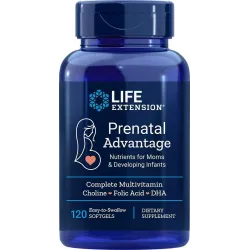
Prenatal Advantage
Price: 25,45 €Prenatal Advantage goes the extra mile by offering nutritional support that...