
 English
 Polski
 Deutsch
 Français
 ελληνικά
 Español
 Italiano
Food Sensitivity and the Role of the DAO Enzyme: A Comprehensive View
Food sensitivity is a clinical condition where the consumption of certain foods leads to the occurrence of troublesome symptoms, despite the lack of involvement of the immune system. One of the main mechanisms that may underlie this phenomenon is abnormal histamine metabolism, resulting from reduced activity of the enzyme diamine oxidase (DAO).
What You Need to Know: What Is Histamine and Why Does It Matter?
 Histamine is a chemical compound that plays a key role in the body, including inflammatory responses, regulation of stomach acid secretion, and transmission of signals in the nervous system. It is also present in many foods, especially those that have been fermented or stored for a long time, such as:
- Ripened cheeses,
- Pickled products,
- Wine,
- Chocolate,
- Processed meats.
In healthy individuals, histamine from food is metabolized mainly in the small intestine by the enzyme DAO. A deficiency of this enzyme leads to the accumulation of histamine in the blood, may cause symptoms such as headaches, hives, palpitations, and digestive problems [1].
DAO: A key intestinal enzyme involved in histamine metabolism
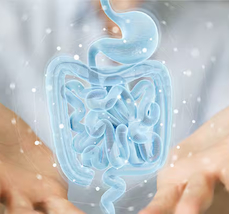
DAO, or diamine oxidase, is an enzyme involved in the degradation of histamine in the digestive tract. Its activity can be reduced by several factors:
-
Genetic factors: Mutations in the gene encoding DAO enzyme may lead to reduced enzyme activity [2].
-
Intestinal diseases: Celiac disease, Crohn's disease, or irritable bowel syndrome can damage the intestinal mucosa, which reduces DAO production [3].
-
Drug use: Some drugs, such as antibiotics, antihistamines and antidepressants, may inhibit DAO activity [4].
-
High-histamine diet: Consuming foods high in histamine or substances that block DAO activity, such as alcohol, can increase the risk of symptoms [5].
What You Need to Know: Symptoms of Food Sensitivity with DAO Deficiency
 Symptoms associated with excess histamine are varied and may include:
-
Neurological: Headaches, migraines, dizziness.
-
Skin: Hives, itching, flushing.
-
Gastroenterological: Bloating, nausea, diarrhea.
-
Cardiological: Heart palpitations, drops in blood pressure.
-
Respiratory: Nasal congestion, difficulty breathing.
Studies show that people with low DAO activity are more likely to develop these symptoms, especially after consuming foods high in histamine [6].
Scientific Research Results
-
The connection between DAO and food sensitivity. A study conducted in Austria showed that people with low DAO activity experienced more common and more intense symptoms of food sensitivity compared to the control group [4].
-
Effects of DAO supplementation
A clinical study involving 100 patients published in the journal Nutrients showed that DAO supplementation before a meal reduced the symptoms of histamine-related food intolerance by as much as 73% in participants [7]. -
Low-histamine diet
In a study published in the European Journal of Clinical Nutrition, a low-histamine diet administered for 6 weeks led to a significant improvement in the well-being of the group of patients by reducing symptoms by as much as 60% [5].
Food Sensitivity Management Strategies
 1. Low-histamine diet
Products rich in histamine should be avoided. This may significantly reduce your symptoms. It is recommended to eat fresh, minimally processed products.
2. DAO supplementation
Supplements containing DAO can support the breakdown of histamine from food, reducing the risk of symptoms.
3. Avoiding DAO blockers
Alcohol, especially wine, and some medications can reduce DAO activity, so it is worth limiting their consumption.
4.Maintaining a food diary
Monitoring the foods you eat and your symptoms allows you to identify foods that cause sensitivity.
Summary
Food sensitivity associated with DAO deficiency is a significant health problem that can significantly impact quality of life. Understanding the mechanisms underlying this condition and implementing appropriate dietary and supplementation strategies can help manage this condition effectively.
- Maintz, L., & Novak, N. (2007). Histamine and histamine intolerance. The American Journal of Clinical Nutrition, 85(5), 1185–1196.
- Schwelberger, H. G. (2010). Histamine intolerance: Overestimated or underestimated? Inflammation Research, 59(4), 291–298.
- Fogel, W. A., Lewinski, A., & Kubicz, M. (2005). Diamine oxidase (DAO) activity in the intestinal mucosa. European Journal of Clinical Investigation, 35(10), 677–681.
- Wantke, F., Götz, M., & Jarisch, R. (1993). Histamine-free diet: treatment of choice for histamine-induced food intolerance and supporting treatment for chronical headaches. Clinical and Experimental Allergy, 23(12), 982–985.
- Kovacova-Hanuskova, E., Buday, T., Gavliakova, S., & Plevkova, J. (2015). Histamine, histamine intoxication and intolerance. Allergy, Asthma & Clinical Immunology, 11(1), 15.
- Manzotti, G., Breda, D., Di Gioacchino, M., & Burastero, S. E. (2016). Serum diamine oxidase activity in patients with histamine intolerance. International Journal of Immunopathology and Pharmacology, 29(1), 105–111.
- Rosell-Camps, A., Zibetti, S., Pérez-Esteban, G., & Vila-Vidal, M. (2013). Histamine intolerance and DAO deficiency in gastrointestinal disorders. Frontiers in Immunology, 4, 130.
Related product
-
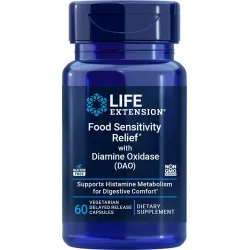
Food Sensitivity Relief with Diamine Oxidase (DAO)
Price: 33,78 €Digestive comfort, histamine metabolism support Helps alleviate...